 Free shipping on orders over £29,85
  Shipping Tracking!


 Google
 Facebook
How to paint a boat with epoxy paint?
Step-by-step guide for durable, waterproof marine surfaces


Refreshing your boat’s appearance and protection doesn’t have to be daunting. This comprehensive guide will show you exactly how to paint a boat with epoxy paint – from surface preparation to final finishing touches. Ideal for both beginners and experienced boat owners, these steps help ensure a watertight and professional-grade result on wood, fibreglass, or metal surfaces.

What You’ll Need
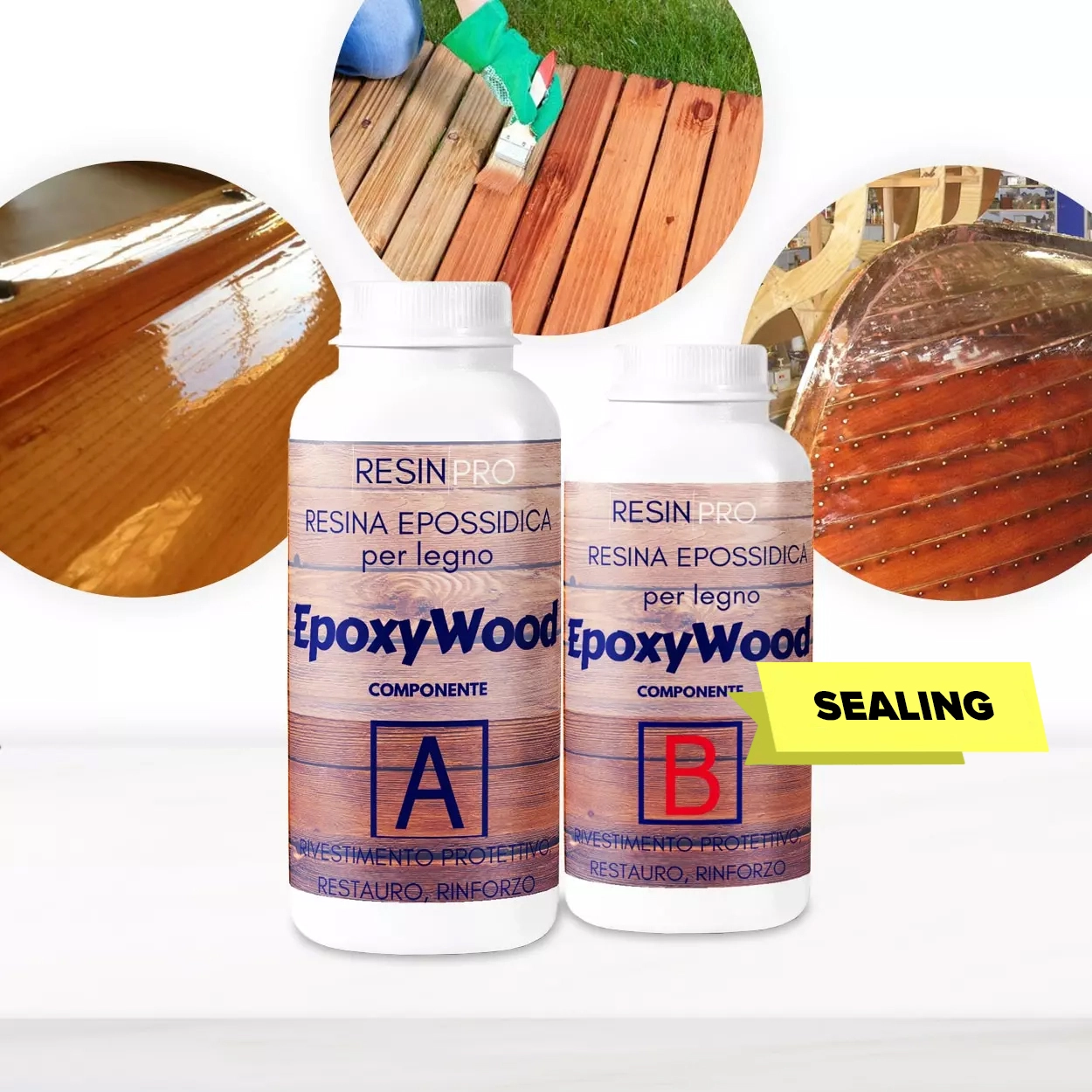
- “EpoxyWood” – Wood Restoration Epoxy Resin for Deep Penetration and Waterproofing – for sealing and restoring wooden hulls
- “Epoxyprimer” – Universal Water-Based Two-Component Epoxy Floor Primer – to boost adhesion on a range of surfaces
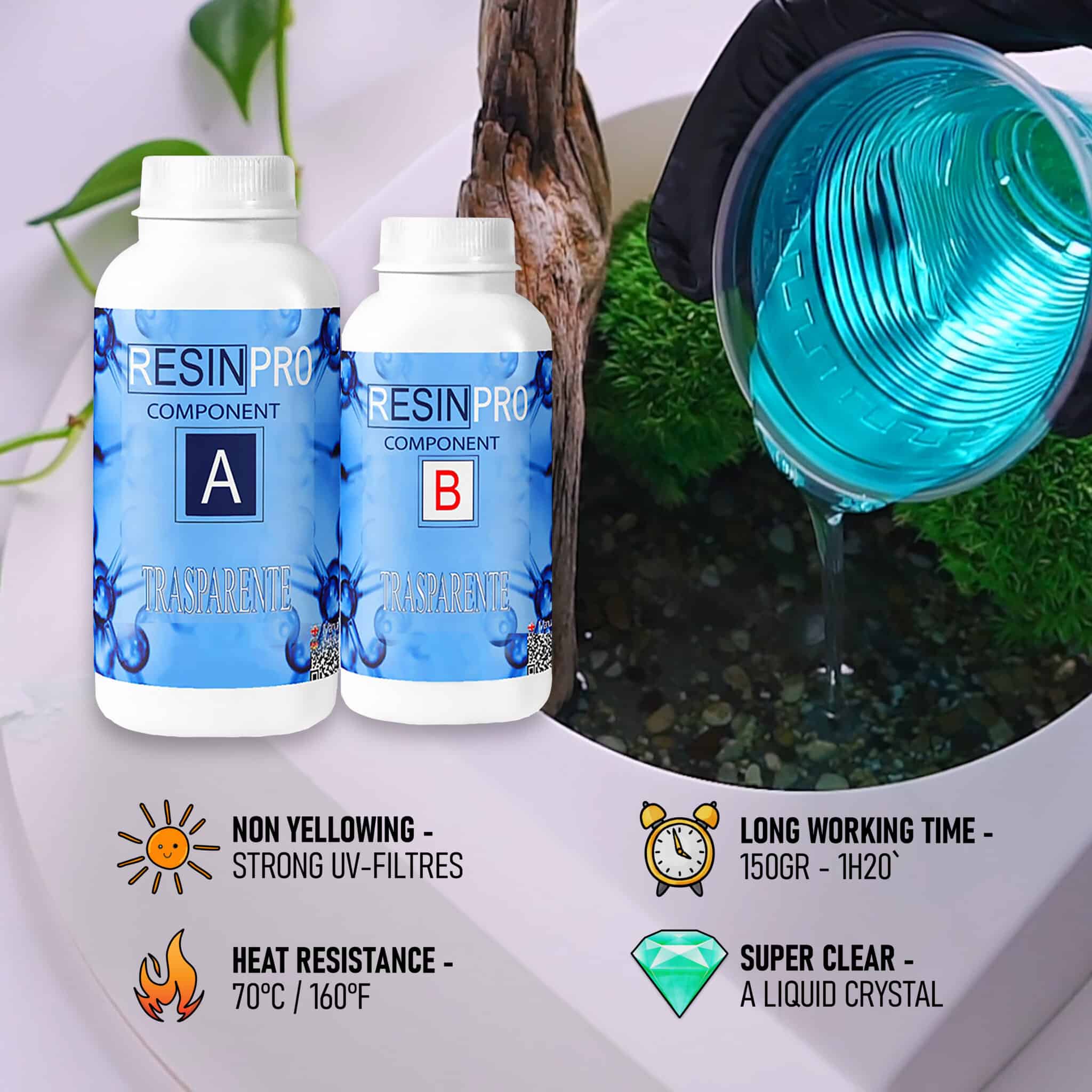
- “Trasparente” – Multipurpose Clear Epoxy Resin for Casting – Up to 2cm – if you need a clear, protective epoxy finish
- Resin & Paint Application Rollers – Short-Pile, Large, and Sponge Types – to apply resins and paints evenly
- Sandpaper (various grits)
- Painter’s tape and masking sheets
- Cleaning cloths, acetone or boat-specific degreaser
- Protective gloves, safety goggles and suitable work clothing
- Mixing containers and stir sticks
Essential Tools for Epoxy Boat Painting
Using the right rollers ensures an even coat and a professional finish when applying epoxy paint. Durable primers and wood restoration products can dramatically increase your boat’s longevity and resistance to water ingress.
Step 1: Prepare and Clean the Surface
A clean and properly prepared surface is crucial for epoxy adhesion and a long-lasting finish. Start by removing any old flaking paint, dust, algae, or mould using a combination of sanding and thorough washing. Pay special attention to grooves, corners, and seams where dirt can accumulate. Once the surface is free of debris, wipe it down with acetone or a boat-safe degreaser to eliminate oils and residues.
Clean thoroughly to remove contaminants before proceeding – even small amounts of grease or moisture can affect the epoxy curing process and future durability.

Step 2: Repair and Seal as Needed
Inspect the hull and deck for cracks, rot, or weakened areas. On wooden boats, prompt repair of soft or damaged patches is critical. For wood restoration and reinforcement, “EpoxyWood” – Wood Restoration Epoxy Resin for Deep Penetration and Waterproofing is suitable. Its ultra-low viscosity allows it to deeply penetrate and seal the wood grain, ensuring a waterproof and structurally robust foundation for painting.
Apply the resin following the instructions, ensuring the timber is dry and sanded beforehand. For non-wooden areas, fill dents and imperfections with a compatible epoxy filler, then sand flat once cured.
Step 3: Apply an Epoxy Primer
A primer smooths porous surfaces and increases the bond between your boat’s substrate and the epoxy paint. “Epoxyprimer” – Universal Water-Based Two-Component Epoxy Floor Primer is ideal for wood, fibreglass, or metal. Mix according to the instructions and roll on with an appropriate Resin & Paint Application Roller for controlled, even coverage.
Wait the recommended 24–48 hours for full curing before applying any paint or further resin layers. Allow the primer to cure fully for best adhesion and long-term durability.

Step 4: Paint with Epoxy Paint
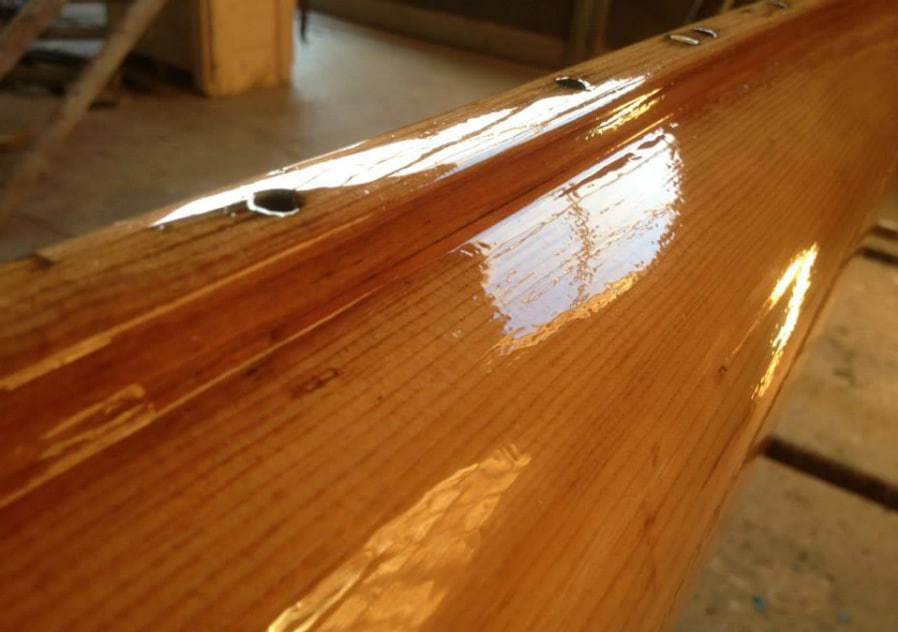
On top of the prepared and primed surface, you’re ready to apply your chosen epoxy paint or clear finish. If a transparent gloss finish is desired on wood or exposed surfaces, consider “Trasparente – Multipurpose Clear Epoxy Resin for Casting – Up to 2cm“. For coloured finishes, ensure the epoxy paint is marine-grade.
Use quality rollers such as the Resin & Paint Application Rollers – Short-Pile, Large, and Sponge Types to achieve a smooth and uniform layer. Apply epoxy paint in thin coats and allow each layer to partially cure as per the manufacturer’s guidance before recoating or handling.
Step 5: Curing and Finishing Touches
Once the final coat is applied, allow plenty of time for full curing, keeping the surface protected from dust and water. Check the epoxy instructions for cure times – humidity and temperature greatly influence results. After curing, lightly sand for a satin finish or buff for extra shine as desired.
Cautiously remove all masking tape, inspect for touch-ups, and your boat is ready to return to the water.


Tips and Common Mistakes
Avoid painting in high humidity and always ensure surfaces are dry to prevent cloudy or improperly cured layers. Monitor working temperatures closely, as epoxies can behave differently in cold or hot weather. Between each sanding or coating, remove all dust between sanding stages to prevent uneven textures or adhesion issues. If unsure about compatibility on fibreglass or metal, always spot test in an inconspicuous area first.
Before You Get Started: Project Preparation
Protect your work area from drips and dust, and gather all tools in advance. Allow enough time between steps for full curing – this ensures that each layer bonds perfectly for lasting results on your boat’s surface.
- "EpoxyWood" – Wood Restoration Epoxy Resin for Deep Penetration and WaterproofingPrice range: £27.95 through £41.95"EpoxyWood" is formulated for restoring and waterproofing wooden surfaces such as boat hulls, fitting the theme of painting a boat with epoxy paint.
- "Trasparente" – Multipurpose Clear Epoxy Resin for Casting – Up to 2cmPrice range: £8.95 through £397.95"Trasparente" is a clear casting epoxy resin designed for up to 2cm layers, suitable for woodworking, art, and restoration projects.
- "Epoxyprimer" – Universal Water-Based Two-Component Epoxy Floor PrimerPrice range: £156.45 through £286.45Epoxyprimer is a water-based two-component floor primer designed for strong adhesion on various surfaces with simple application.
- Resin & Paint Application Rollers – Short-Pile, Large, and Sponge TypesPrice range: £3.62 through £5.09Rollers designed for precise epoxy resin application, suitable for achieving uniform finishes on resin surfaces.
Frequently Asked Questions
How should I prepare my boat surface before using epoxy paint?
Remove dirt, dust, grease and any loose coatings. Sand until smooth, clean thoroughly and ensure all surfaces are completely dry before application.
How long should I wait for epoxy paint to cure on my boat?
Cure times vary by product and conditions, but generally allow at least 24 to 48 hours for full setting and bonding. Always check specific product instructions.
Do I need different epoxy products for wood and metal hulls?
Epoxy paints can be used on both with proper surface preparation and priming. Use wood restoration resin for timber and appropriate primers for metal.
What kind of roller is best for applying epoxy paint on boats?
Short-pile rollers are best for detail work and edges, while large rollers cover broad surfaces efficiently for an even finish.
Does weather affect epoxy paint application?
Yes, high humidity or low temperatures can affect curing and finish quality. Always follow recommended application conditions for best results.
Is it necessary to apply several coats of epoxy paint?
Yes, for optimal durability and coverage, multiple thin coats are typically recommended. Allow each coat to partially cure before adding the next.