 Free shipping on orders over £29,85
  Shipping Tracking!


 Google
 Facebook
← Back to How do you use epoxy paint?


Choosing between a roller or a brush for epoxy paint can shape the quality of your finish. Each tool has its strengths—understanding when to use which ensures both durability and appearance for your project.
Where Rollers Excel
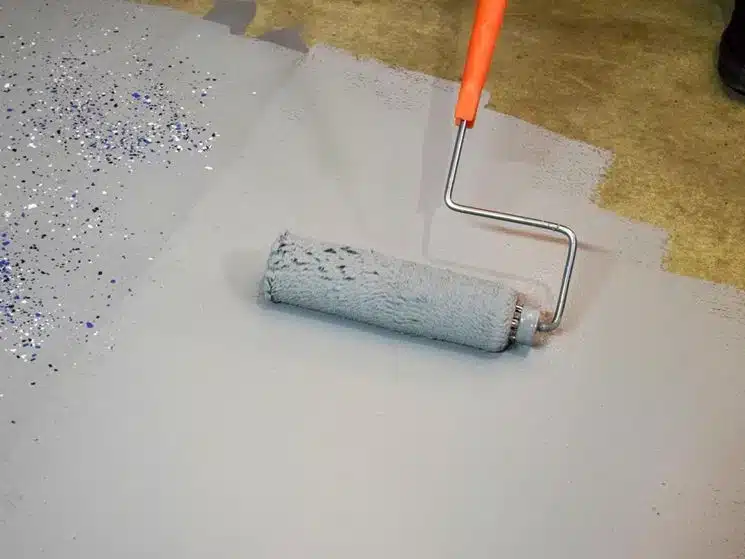
Short-pile rollers are ideal for spreading epoxy paint quickly and evenly over flat surfaces like floors or walls. They lay down an even layer, helping to prevent streaks or uneven textures. Opt for a 20cm large roller if you’re tackling broad areas, or a 10cm version for edging and detail.
- Save time on coverage
- Produce a consistently smooth finish
- Reduce the risk of visible brush marks
For reliable results, consider dedicated Resin & Paint Application Rollers designed specifically for epoxy projects.

Using Brushes for Detail and Edges
Brushes shine when it comes to intricate zones—corners, skirting boards, or trim. A brush allows you to work epoxy paint into gaps and create neat lines where rollers can’t reach, making them essential for detailed work but less suited for large uninterrupted surfaces due to their slower pace and risk of streaks.
Tips for Getting the Best Results
For most home and studio applications, use a roller as your primary tool, switching to a brush for awkward patches and edges. Work methodically in manageable sections to maintain a wet edge and blend brushwork into the rolled area before the paint starts setting. Always choose quality tools that won’t shed fibres into your finish, and follow manufacturer guidance for your specific epoxy paint or primer.

When This Matters
The right tool is particularly important when aiming for a professional-looking floor, resin art board, or seamless countertop—especially in spaces where appearance or durability will be closely scrutinised.
Related products
Related guides
By matching your tool to the task, you’ll enjoy a smoother painting process and a better final result. For more advice on using epoxy paint—including choosing primers or surface preparation—explore our main Epoxy Paint Application Guide.