 Free shipping on orders over £29,85
  Shipping Tracking!


 Google
 Facebook
How are resin floors made video?
A practical guide for durable, permeable flooring projects
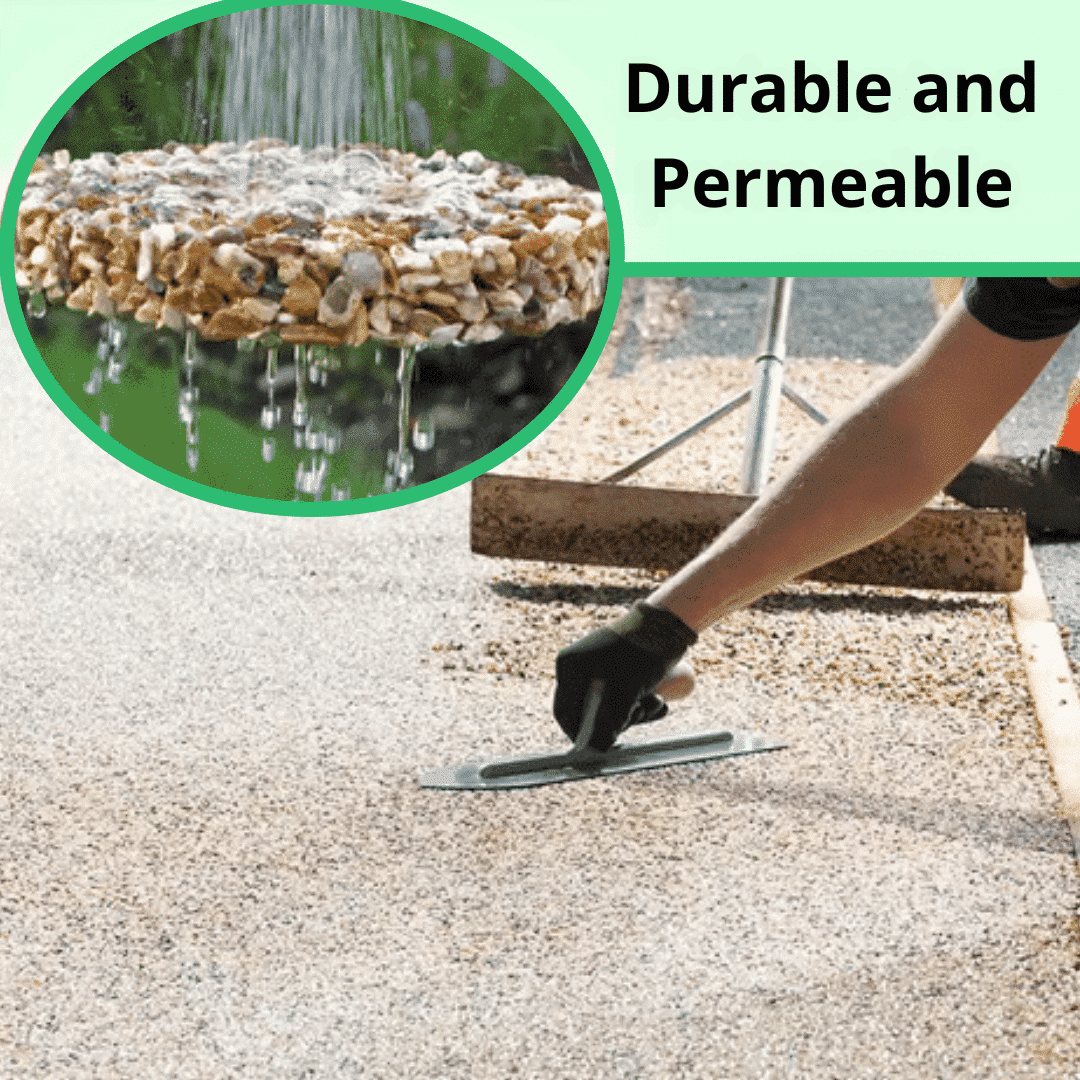
Resin flooring offers a long-lasting, visually striking solution suitable for driveways, patios, paths, and numerous outdoor settings. This guide will walk you through the essential steps to creating a durable, permeable resin floor, focusing on preparation, mixing, and application, so you achieve stunning, resilient results every time.
What You’ll Need
- “Epoxyprimer” – Universal Water-Based Two-Component Epoxy Floor Primer: For reliable adhesion and substrate preparation.
- Washed Pebbles for Permeable Floors 25kg – Outdoor Resin-Bound Surfaces: Clean, pre-washed aggregates for the resin-bound finish.
- “Trasparente” – Epoxy Binder for Coloured Pebbles and Grits: UV-resistant binder for coloured pebble installations.
- “Flowstone” – Complete Permeable Floor Kit with Pebbles and Resin (optional): A convenient all-in-one solution for most outdoor flooring projects.
- Mixing tools, a trowel or float, rollers, protective gloves, and a dust mask.
Essential Tools and Visuals for Resin Floor Installation
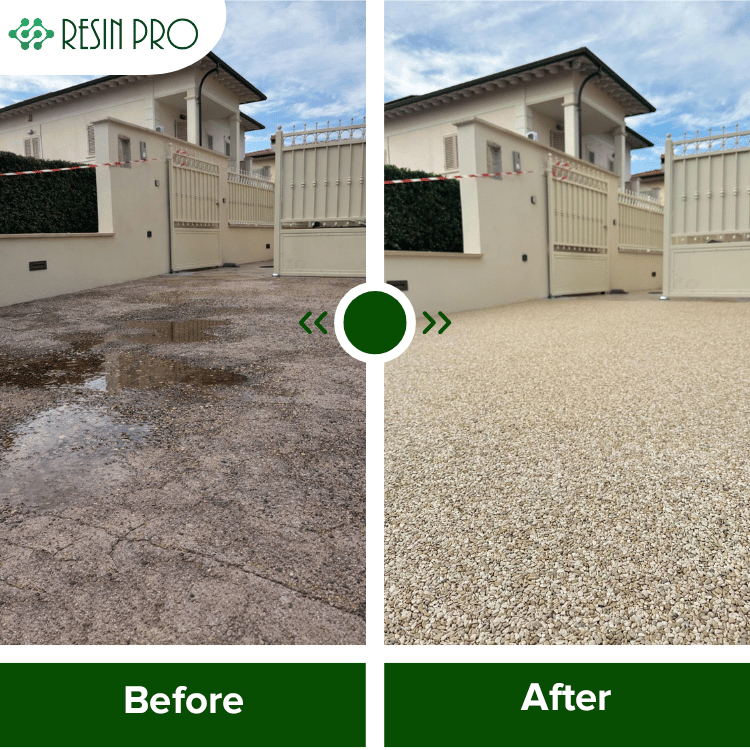
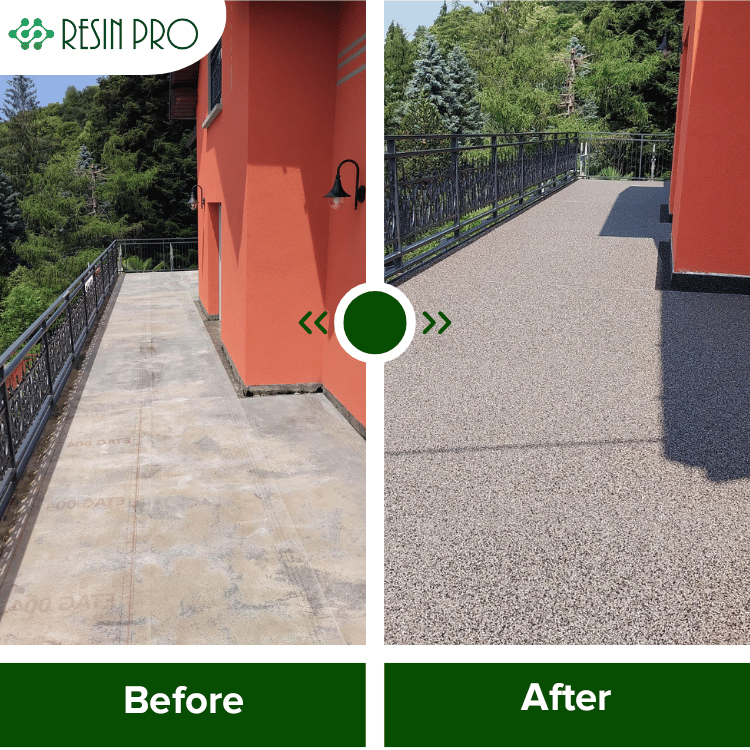
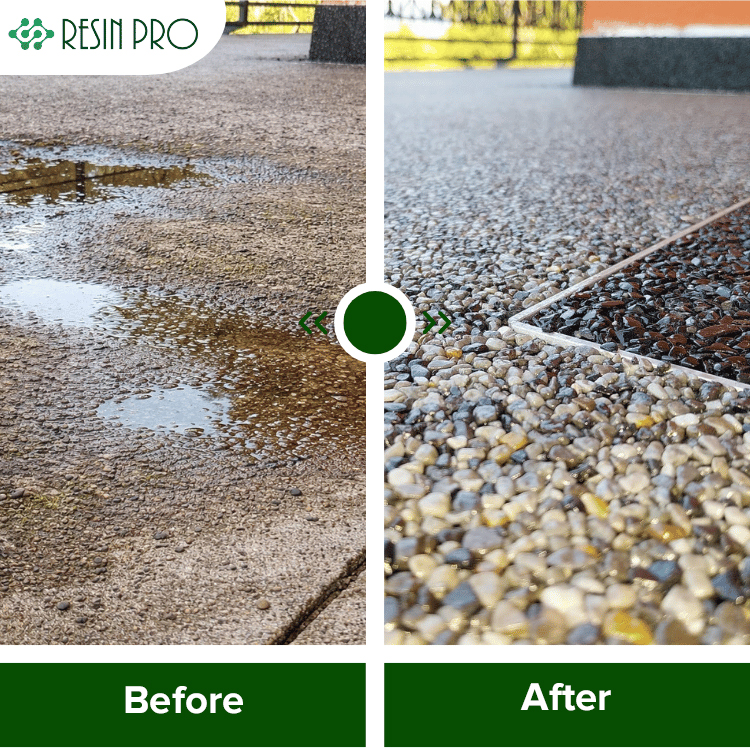
Get a closer look at the main materials and techniques for creating resin floors. See real project images featuring prepared base layers, correctly mixed pebbles, and completed resin surfaces to guide your approach and finish selection.
Step 1: Prepare the Surface
Start by thoroughly cleaning the substrate—such as concrete, tiles, or screed—to remove dust, oils, and loose debris. A level, stable surface is critical; repair any cracks or holes prior to priming. Proper surface prep ensures the resin system bonds effectively for maximum longevity and prevents issues like peeling or unevenness.
Apply “Epoxyprimer” – Universal Water-Based Two-Component Epoxy Floor Primer using a roller or brush. This creates a strong, uniform base, especially important on porous or absorbent surfaces. Allow the primer to cure fully—typically between 24 and 48 hours, depending on temperature and humidity.

Step 2: Mix the Pebbles and Resin Binder
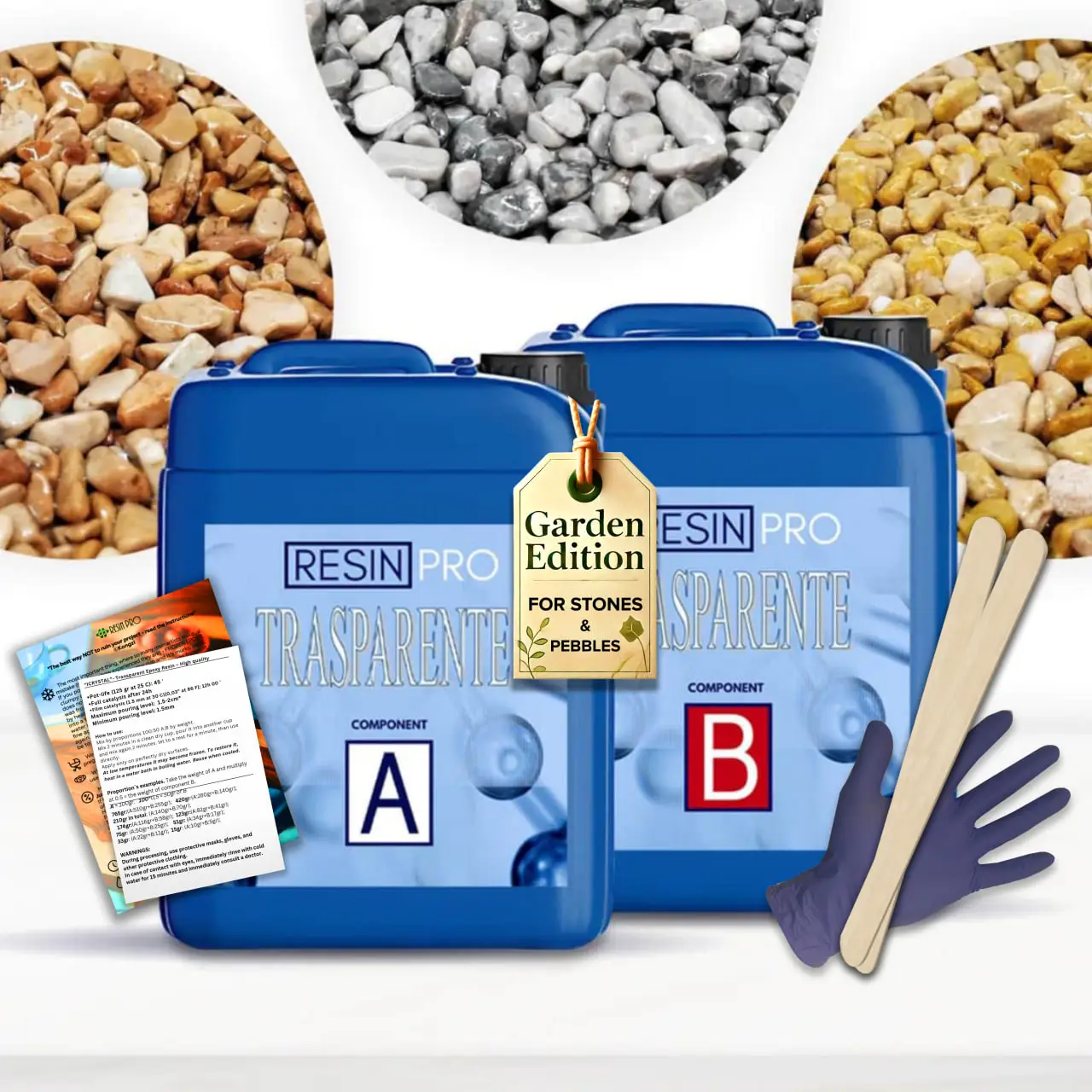
Once the base is ready, measure out your washed pebbles and chosen resin binder. For most outdoor projects, Washed Pebbles for Permeable Floors provide the ideal size and finish. Accurately weigh the pebbles and resin binder according to your surface area to ensure complete coverage and correct proportions.
Combine the pebbles with “Trasparente” – Epoxy Binder for Coloured Pebbles and Grits or another suitable floor binder in a cement mixer or large mixing vessel. Mix until the stones are evenly coated and glossy, taking care to avoid air bubbles that can form if mixed too vigorously.
Step 3: Apply and Smooth the Mixture
With your mixture ready, immediately pour it onto the primed surface and spread using a trowel or float. Work in sections for uniform results, starting at one edge and progressing methodically across the area. Aim for a consistent layer, typically around 20 mm thick for optimal permeability and strength.
Level off the material, compacting it gently to avoid voids or air pockets. Clean your tools regularly to prevent resin build-up, which can affect the finish. Allow the floor to set according to product instructions; for example, a surface made with “Trasparente” binder is walkable after about 10 hours under the right conditions.


Step 4: Curing and Finishing Touches
Avoid disturbing the resin floor as it cures. Protect the area from rain, extreme temperatures, and debris for at least 24 hours, or as specified by the resin manufacturer. Once fully cured, inspect the surface for consistency and clean any stray residue.
A properly cured resin floor will deliver excellent drainage and a resilient, attractive finish. After care is typically minimal—just occasionally hose down or sweep to keep it looking its best!
Tips and Common Mistakes to Avoid
Permeable resin floors offer superior drainage and strength. Plan your project for dry, mild weather—extreme cold, heat, or humidity can affect curing and application results. Mix components thoroughly, and always use the correct ratio of resin to pebbles for structural integrity.
Always wear gloves and a mask when handling epoxy or polyurethane resins. Protect surrounding plants and materials from stray resin during application. If any area is uneven or patchy after curing, you can patch small sections by carefully mixing and applying additional resin-bound pebbles.
Mistakes often occur due to improper mixing, poor weather, or rushing the process. Take your time at each step for the most professional results.

Professional Results and Aftercare Showcase
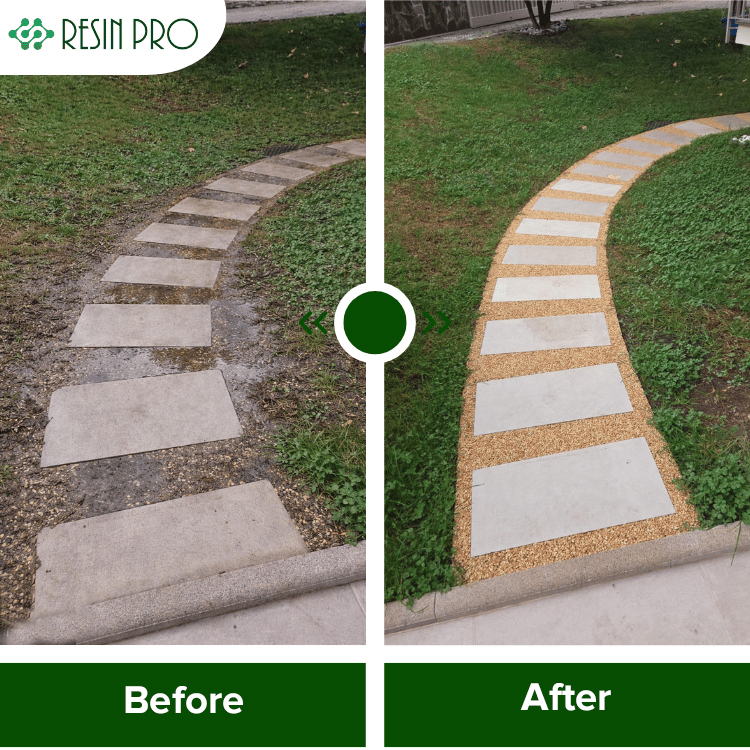
Explore examples of finished resin-bound floors in outdoor environments. See how correct application yields durable, permeable surfaces—ideal inspiration for your installation and ongoing maintenance.
- "Flowstone" – Complete Permeable Floor Kit with Pebbles and ResinPrice range: £49.95 through £3,915.45"Flowstone" provides a durable, permeable pebble and resin floor kit suited for outdoor areas in the UK, designed for easy application and colour…
- "Trasparente" – Epoxy Binder for Coloured Pebbles and GritsPrice range: £33.45 through £397.95"Trasparente" is a transparent epoxy binder designed for coloured pebbles, offering a clear finish with UV stability suited for decorative floors.
- Washed Pebbles for Permeable Floors 25kg – Outdoor Resin-Bound SurfacesPrice range: £28.45 through £29.95Washed pebbles designed for permeable outdoor floors, suitable for resin-bound surfaces in patios and gardens.
 "Epoxyprimer" – Universal Water-Based Two-Component Epoxy Floor PrimerPrice range: £156.45 through £286.45"Epoxyprimer" is a water-based two-component epoxy floor primer designed for reliable adhesion on concrete, timber, tiles, and screeds.
Frequently Asked Questions
Can I apply resin floors myself?
Yes, with proper preparation and following instructions closely, resin floors are accessible to competent DIYers as well as professionals.
How long does resin flooring take to cure?
Curing time can range from 10 to 48 hours depending on the resin type and weather conditions. Always refer to the manufacturer's guidance.
What weather is best for installing resin floors?
Mild, dry weather with moderate temperatures is ideal. High humidity or extreme heat and cold can affect curing and finish quality.
Are resin floors suitable for driveways and pathways?
Yes, permeable resin floors are robust, weather-resistant, and help prevent water puddling in driveways, paths, and patios.
Do I need to prime the surface before adding resin?
Priming is essential for optimal adhesion and to prevent failures such as peeling or uneven curing, especially on porous bases.
How do I calculate amount of resin and pebbles needed?
Refer to your product guide or kit instructions, which provide area-based coverage rates for both pebbles and resin binders.
What if my resin floor develops patches?
Small patches can be repaired by cleaning the area and applying a fresh mixture of resin and pebbles according to the original technique.