 Free shipping on orders over £29,85
  Shipping Tracking!


 Google
 Facebook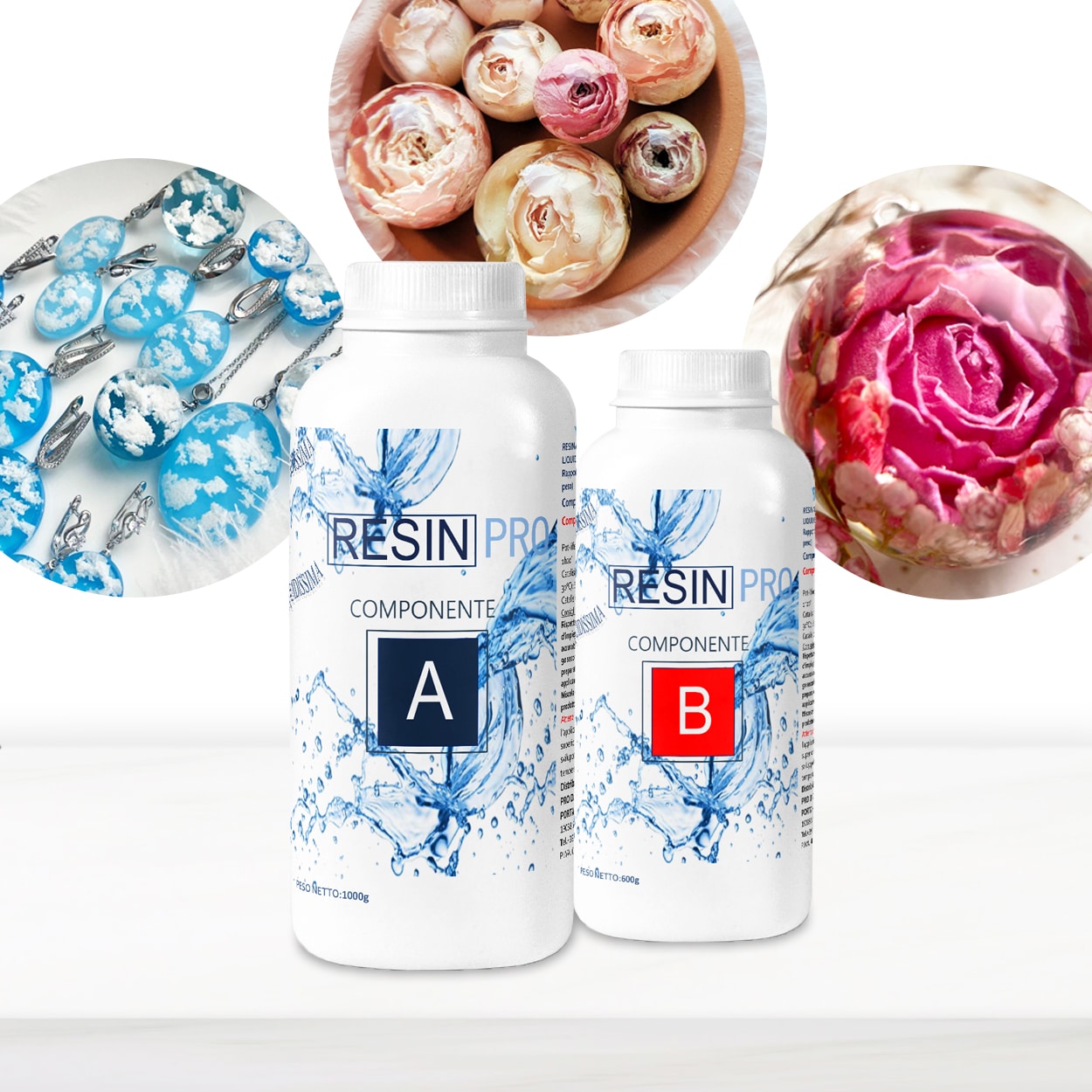
If you’re working with resin castings, knowing when it’s safe to cut the cured piece is essential for both clean results and your safety. Timing it right avoids damage and ensures the best finish.
How to Tell Resin Has Fully Cured
The most reliable sign that resin is ready for cutting is complete curing. Always refer to your resin’s recommended curing time, which can vary based on type, thickness, and ambient conditions. After this period, the surface should feel entirely dry, without any tackiness or flexibility. When pressed, fully cured resin will not dent easily and should hold its shape firmly. If in doubt, wait a little longer—cutting too soon risks chipping or distorting the piece.
Practical Guidance Before Cutting
Check the manufacturer’s guidance for the specific resin used, like “Liquidissima” – Epoxy Resin For Creations & Jewellery, to confirm curing times and ideal thicknesses. Work in a well-ventilated space and use appropriate protective gear. Clean edges and smooth surfaces are easier to achieve when the resin is fully set. Use slow, controlled motions and sharp tools for the cleanest cuts—avoid forcing the blade if there is any drag or softness in the material.
When This Matters Most
- For detailed jewellery moulds or small castings, patience is key—resin must be firm to avoid rough edges.
- Larger projects, such as coasters or art panels, benefit from verifying both the surface and interior are set.
- If adding further finishes or inlays after cutting, complete curing prevents unwanted marks or dullness on the cut faces.

Related products
Related guides
Waiting for your resin casting to fully cure ensures safe and crisp cuts, setting you up for the best results in your creative projects. Explore more expert advice on the How to cut resin? hub page.