 Free shipping on orders over £29,85
  Shipping Tracking!


 Google
 Facebook
How to cut resin?
Expert steps for crisp edges and flawless resin finishes


Cutting resin can elevate your artwork, jewellery, or furniture by allowing for precision shaping and professional finishes. Getting a clean cut is crucial for flawless results, whether you need straight edges, shaped components, or minor corrections. In this guide, learn how to safely and effectively cut cured resin for any project, be it fine jewellery, creative art pieces, or larger resin castings.
What You’ll Need
- “Liquidissima” – Epoxy Resin For Creations & Jewellery — ideal for intricate jewellery and artistic details
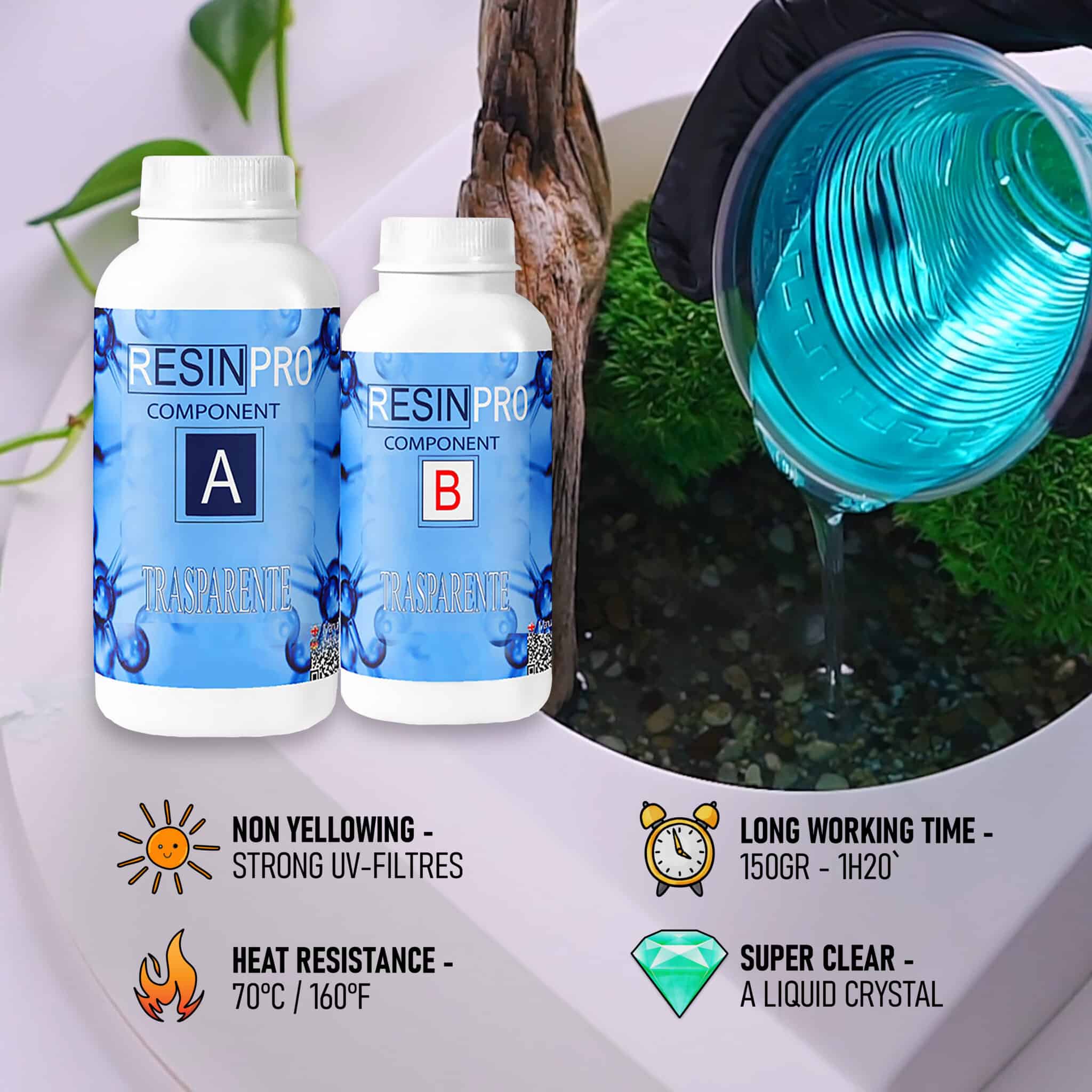
- “Trasparente” – Multipurpose Clear Epoxy Resin for Casting – Up to 2cm — suited for clear, scratch-resistant castings
- “Epoxytable 10-Ten” – Deep Pour Epoxy Resin for Tables, Up to 10cm Casting — for river tables and thick pours
- “Icrystal” – Clear Epoxy Resin – Odourless Formula – Up to 1.5cm — perfect for high-gloss finishes and artwork
- Appropriate saw or rotary tool (fine-tooth saw, jeweller’s saw, or rotary tool with cutting blade)
- Protective goggles and dust mask
- Ruler and non-permanent marker
- Sandpaper or finishing tools
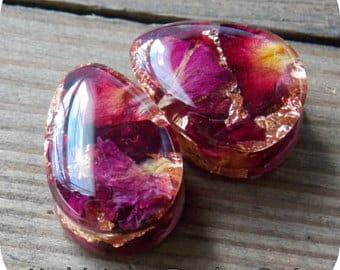
Visual Guide to Cutting Resin Pieces
See how expert makers measure, mark, and cut resin jewellery and thick pours. Notice the importance of personal safety and choice of blade or saw in each project.
Step 1: Ensure the Resin is Fully Cured
Ensure the resin is fully cured before attempting to cut. Cured resin is much safer and easier to cut than resin that’s even slightly flexible. Cutting too soon can lead to deformation, chipping, or gummy residues on your blades. Always check the manufacturer’s recommended curing time for your resin product and allow extra time in cooler environments or for deep pours.
A properly cured casting, such as one made with “Trasparente” – Multipurpose Clear Epoxy Resin or “Epoxytable 10-Ten”, ensures crisp, safe cuts and a smooth finish.


Step 2: Plan and Mark Your Cut Lines
Careful preparation is essential for precision. Measure your piece and decide exactly where the cut will go. Mark your cutting lines using a non-permanent tool. A fine-tip marker or masking tape works well on smooth resin surfaces. Confirm that your layout matches your project’s intended design before starting.
Taking time to plan helps avoid costly mistakes and minimises the risk of errors.
Step 3: Choose the Right Tool for Your Project
Different resin projects require different cutting tools. For thin castings or jewellery, a fine jeweller’s saw or craft knife can offer optimal control. For thicker pieces—such as those created with “Epoxytable 10-Ten”—a hacksaw, bandsaw, or rotary tool is better suited. Use the right saw or blade for your project thickness. Ensure your tools are clean and sharp to reduce heat and chipping.
Always secure your resin piece before cutting to maintain safety and accuracy.


Step 4: Cut Slowly, Using Steady Pressure
Patience is key for a flawless cut. Work slowly and apply even pressure to avoid cracks. Rushing can cause the resin to chip or splinter, especially at the end of the cut. Let the blade do the work, and avoid forcing it through the material.
For detailed components or delicate work, such as those made from “Liquidissima” – Epoxy Resin For Creations & Jewellery, gentle and precise handling ensures a crisp result.
Step 5: Protect Yourself and Finish the Edges
Wear protective goggles and a dust mask to safeguard against particles. Resin cutting produces fine dust that should not be inhaled. Once your cuts are complete, use sandpaper or a fine file to smooth any rough edges, working from coarse to fine grit for a polished finish.
Clean the piece thoroughly after sanding to remove all debris before assembling or displaying.

Tips, Mistakes to Avoid, and Troubleshooting
Keep resin dust contained and always cut in a well-ventilated area. Avoid using high-speed blades or excessive force, as these can cause heat build-up and melting. If you notice cloudiness or burning, pause, let the piece cool, and switch to a slower, finer blade. Choosing a high-quality, crystal-clear resin such as “Icrystal” – Clear Epoxy Resin can also help maintain visual clarity after cutting.
Finishing and Polishing Your Resin Cuts
After cutting, discover sanding and polishing techniques that bring out the resin’s clarity—especially in artistic or furniture projects.
- "Liquidissima" – Epoxy Resin For Creations & JewelleryPrice range: £12.85 through £31.85"Liquidissima" epoxy resin offers clear, low-viscosity casting suited to intricate jewellery and art within the theme of how to cut resin.
- "Trasparente" – Multipurpose Clear Epoxy Resin for Casting – Up to 2cmPrice range: £8.95 through £397.95"Trasparente" offers a clear, self-levelling finish suitable for detailed casting projects up to 2cm depth, matching the 'How to cut resin?' theme.
 “Epoxytable 10-Ten” – Deep Pour Epoxy Resin for Tables, Up to 10cm CastingPrice range: £35.95 through £351.95“Epoxytable 10-Ten” is an epoxy resin designed for creating tables with castings up to 10cm, fitting the 'How to cut resin?' theme.
 "Icrystal" – Clear Epoxy Resin – Odourless Formula – Up to 1.5cmPrice range: £12.45 through £341.45"Icrystal" is a transparent epoxy resin designed for clear, odourless applications up to 1.5cm thickness, suitable for crafting and artistic projects.
Frequently Asked Questions
Can you cut resin with a normal saw?
Yes, fine-tooth saws can be used, but ensure the resin is fully cured and use gentle, steady pressure to prevent chipping.
How do I know when resin is safe to cut?
Wait until resin is completely cured—usually past the full recommended curing time. The surface should not feel tacky or flexible.
Which saw works best for deep-pour or thick resin projects?
A bandsaw or powered mitre saw with a fine blade is suitable for thick castings, while a jeweller's saw works best for thinner sections.
Is resin dust harmful when cutting or sanding?
Resin dust can irritate lungs or skin. Always wear protective goggles and a dust mask and work in a well-ventilated area.
How can I get perfectly smooth edges on cut resin?
After cutting, use progressively finer sandpaper, then polish for a clear finish. Avoid rushing cuts to prevent chips.
Can I shape resin pieces after cutting?
Yes, sanders and files help refine shape and smoothness. Always finish with fine abrasives for the best clarity.