 Free shipping on orders over £29,85
  Shipping Tracking!


 Google
 Facebook
← Back to How do you use resin on bodywork?
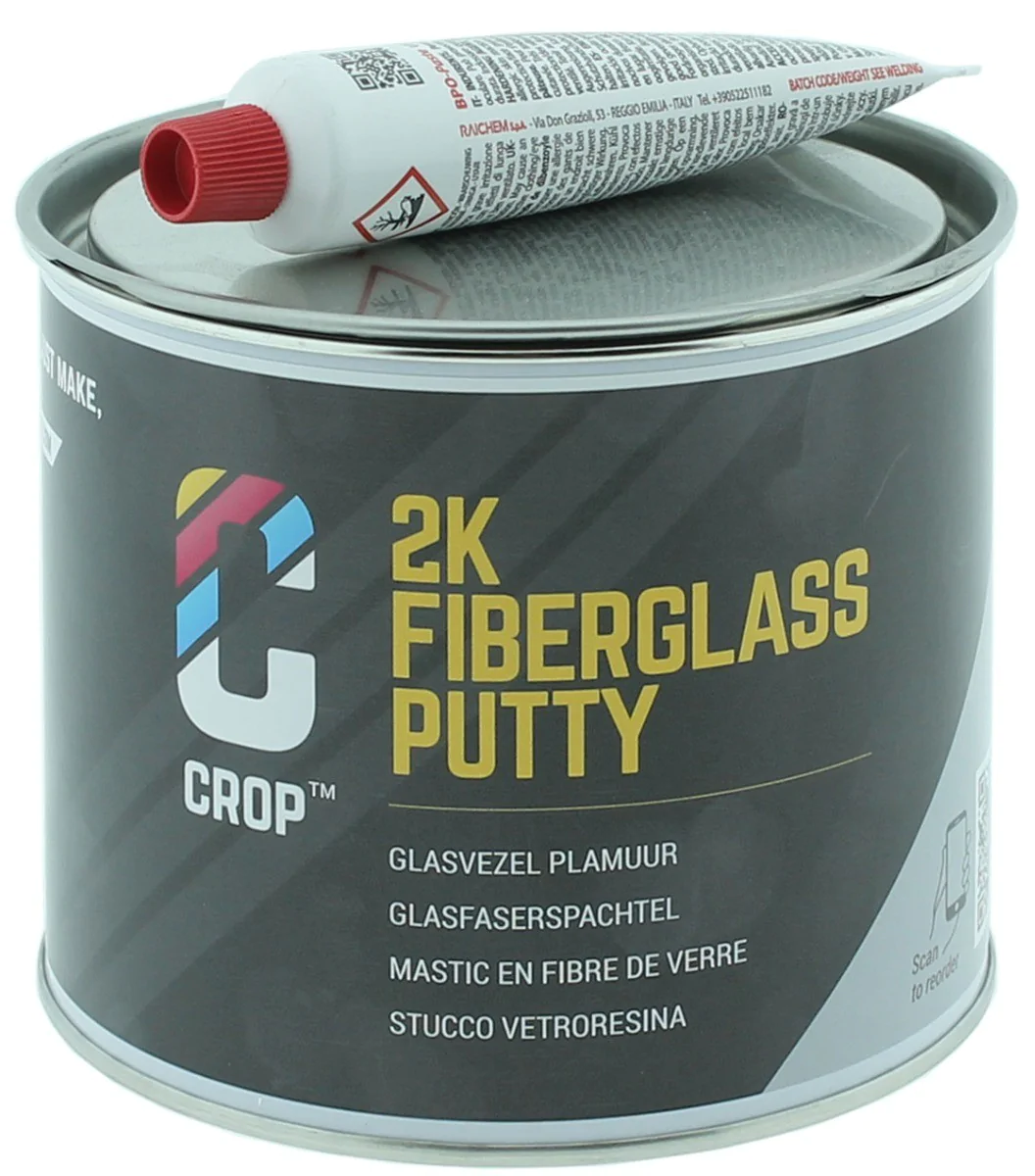
Achieving a flawless finish after resin application on bodywork depends heavily on the correct sanding technique. The right choice of sanding paper can transform a rough surface into a smooth, paint-ready finish.
Choosing the Right Grit Sequence
Begin sanding dried resin with a coarse grit paper—typically 80 or 120 grit—to even out any raised areas or drips. This step shapes the repair and removes obvious imperfections. Once the surface is level, move to a medium grit such as 180 or 240 for a more refined finish. A final pass with fine grit paper, like 400 or 600, prepares the area perfectly for priming and painting.
- Start coarse: 80–120 grit for initial shaping
- Refine: 180–240 grit for smoothing
- Finish: 400–600 grit for a flawless primer base

Practical Tips for Sanding Resin on Bodywork
Always ensure the resin is fully cured before sanding to avoid clogging the paper or causing surface damage. Hand sanding blocks help maintain flatness, while wet sanding with fine grit can reduce dust and leave a cleaner finish. Regularly wipe away dust to check progress and avoid uneven results.
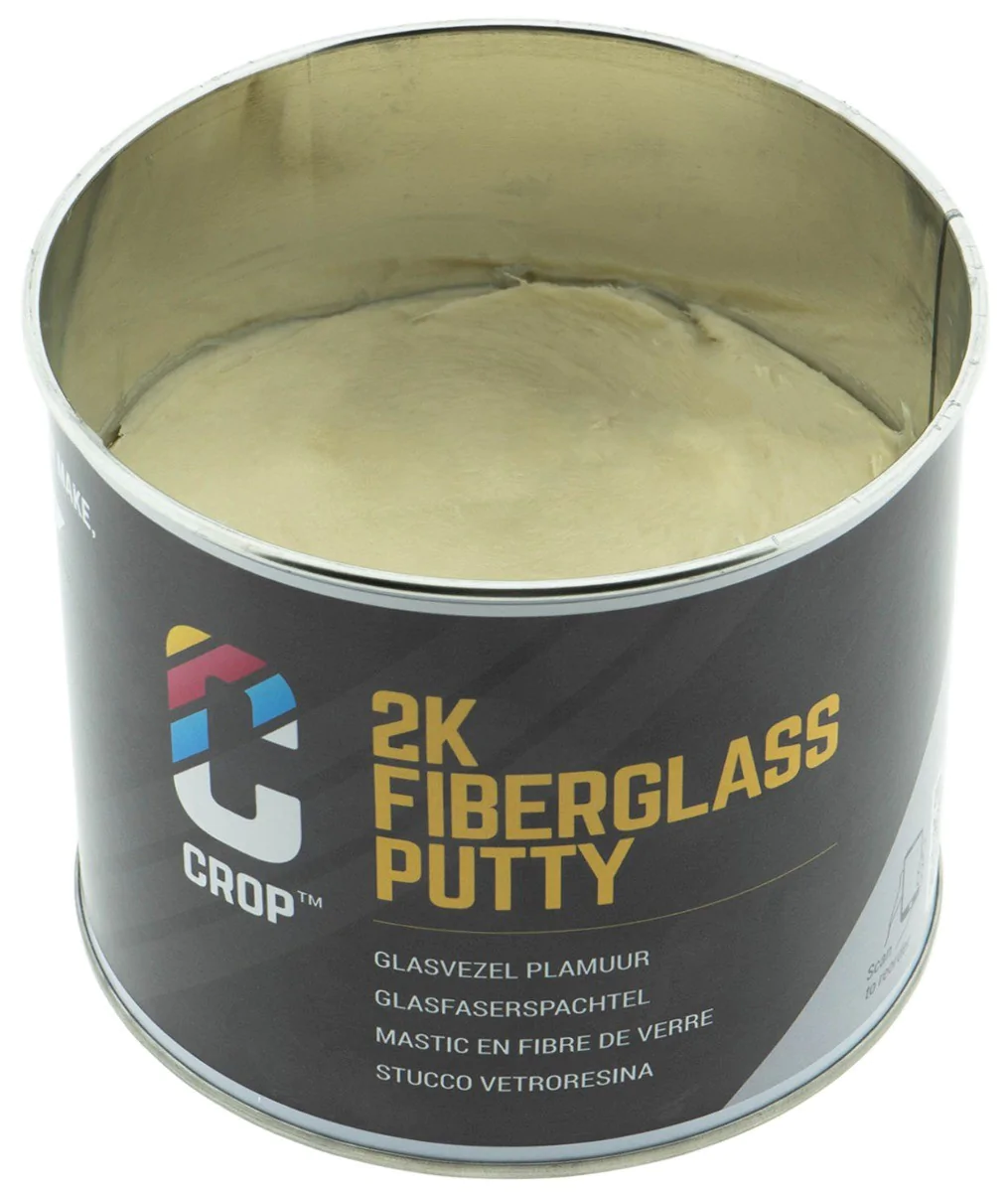
If you’ve used a strength-focused product like CROP 2K Fiberglass Putty, you’ll find it sands easily to a smooth finish, ready for the next stage of restoration.
When This Matters: Preparing for Lasting Results
The quality of your sanding will directly impact the appearance and durability of your paintwork. Skipping grits or improper sanding can lead to visible scratches or adhesion issues for top coats, especially on vehicle panels where surface smoothness is essential for a professional result.
Related products
Related guides
By selecting the right sanding paper and following a careful grit progression, you can ensure your resin-coated bodywork is perfectly prepped for painting. For more on resin use and repair tips, visit our main guide on how to use resin on bodywork.