 Free shipping on orders over £29,85
  Shipping Tracking!


 Google
 Facebook
What to Do with Silicone Rubber?
Guide to creative, practical and technical uses for silicone rubber
Silicone rubber is an incredibly versatile material that opens up a world of possibilities for makers, DIY enthusiasts, and professionals alike. This page explores some of the most popular and creative ways you can use silicone rubber, as well as how to choose the right type for your project, whether you’re interested in casting, model making, or crafting detailed moulds for functional or decorative purposes.
Uses and Comparison of Silicone Rubber Products
When considering what to do with silicone rubber, the main focus falls on mould making and casting applications. Silicone rubber’s flexibility, detail-capturing ability, and compatibility with a range of materials make it an essential resource for tasks from jewellery design to technical prototypes. However, not all silicone rubbers are created equal. Here are the key differences:
Mixing ratio 1:1 for ease of use is offered by some products for straightforward preparation, while others are bi-component and require more precise mixing. Curing speed, mechanical resistance, level of detail, and safety certifications also vary, allowing you to tailor the material to your needs, from fast hobbyist projects to complex professional castings.
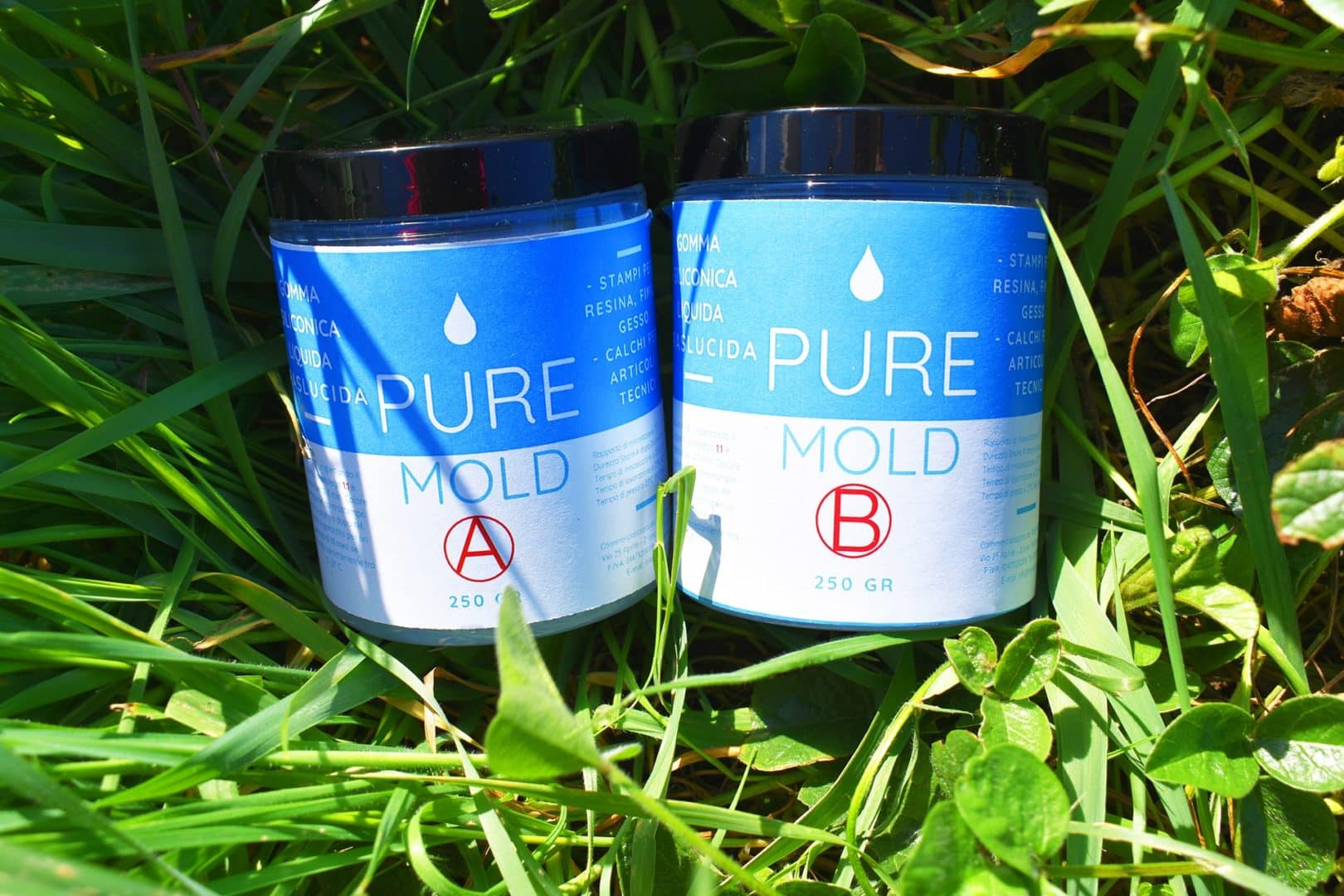
Explore Mould Making in Action
See how silicone rubber products are used to create detailed moulds for jewellery, crafts, and technical components. The versatility and ease of use make it possible to reproduce intricate objects with impressive fidelity, whether you are a hobbyist or a professional. Visit our Silicone Rubbers page to view real-world examples and creative inspiration.
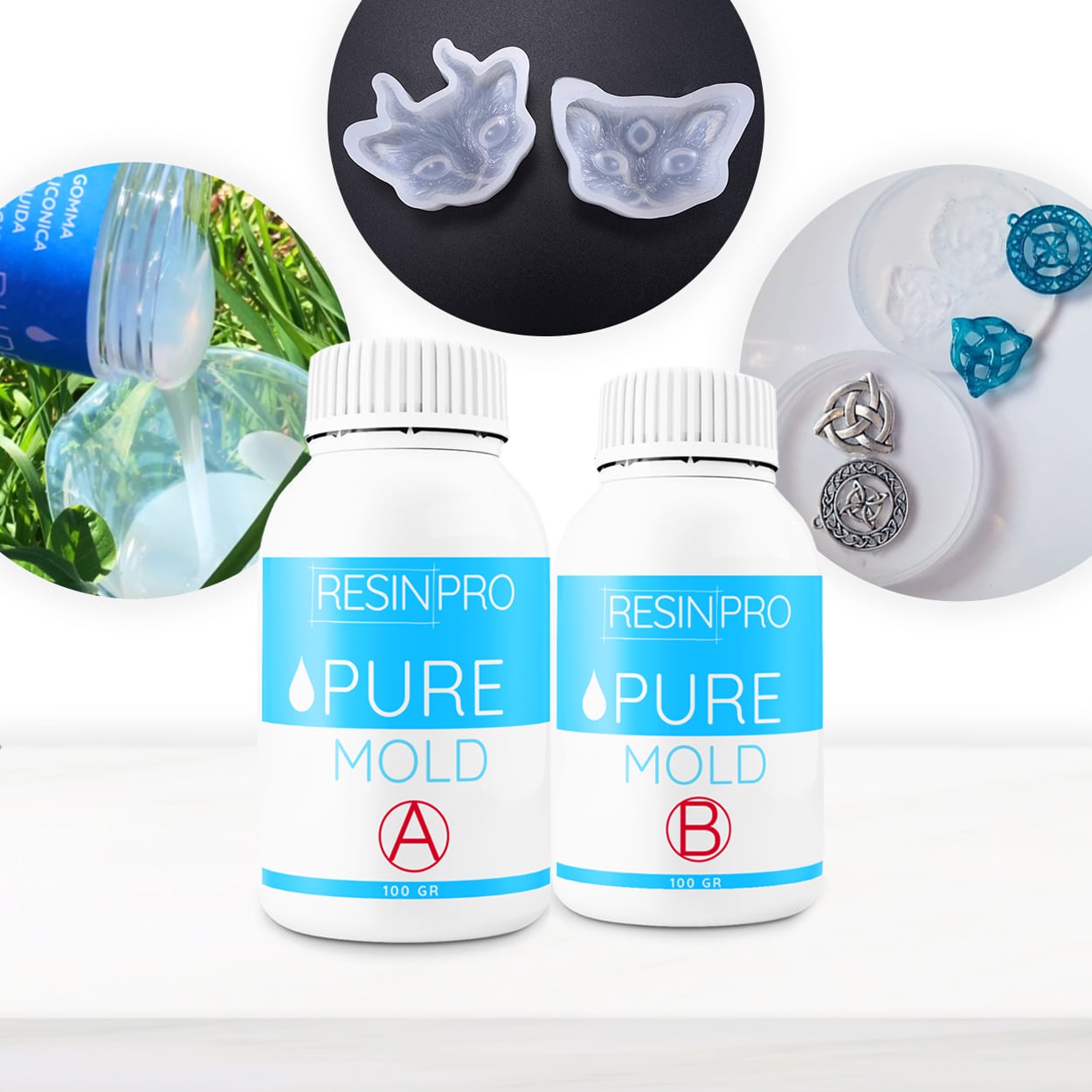
“Pure Mould” – Translucent Liquid Silicone Rubber for Mould Making
If your project demands clear visibility, repeatable results, and compatibility with multiple casting materials, “Pure Mould” – Translucent Liquid Silicone Rubber for Mould Making is an excellent choice. This platinum-based silicone rubber features a straightforward 1:1 mixing ratio, a fast catalysis time of 3-8 hours, and exceptional resistance to mechanical stress. Its transparency makes it ideal for applications where visual inspection of the mould is valuable, including the casting of epoxy, polyester, polyurethanes, acrylics, plasters, cements or even hot wax. Certified non-toxic and solvent-free, it is safe for both hobbyists and professionals, and its advanced formula minimises shrinkage and prolongs service life.
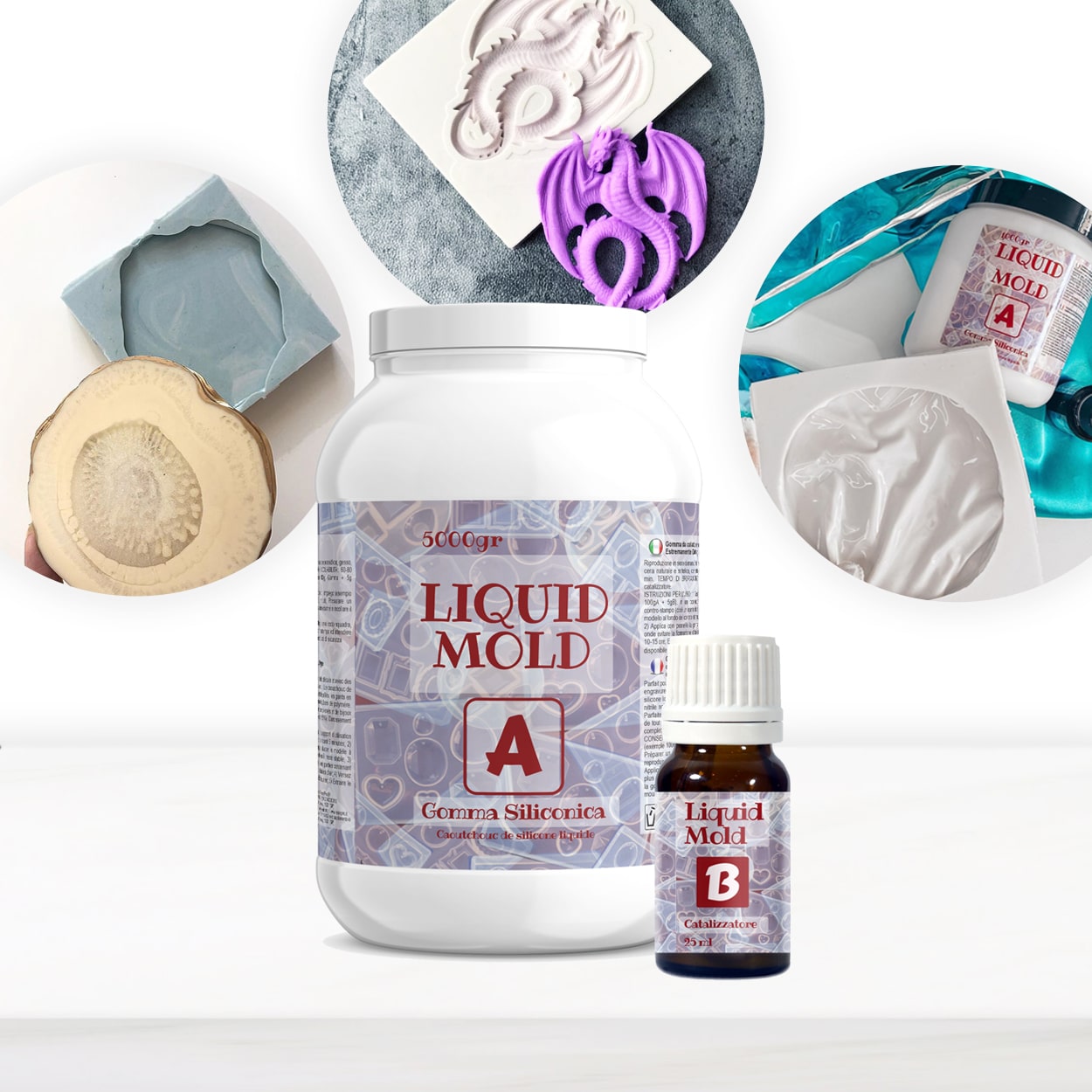
“Liquid Mould” – Casting Liquid Silicone Rubber, 5-40 Shores, Bi-Component A+B
For intricate projects requiring the finest detail and rapid, faithful reproduction, “Liquid Mould” – Casting Liquid Silicone Rubber, 5-40 Shores, Bi-Component A+B provides bi-component versatility in a range of shore hardness options. It excels in penetrating minute details and complex undercuts, making it suitable for jewellery, miniatures, prototypes, and artistic foundry work. This product is perfect for serial replication in various materials such as resin, soap, polymer pastes, and wax. Note: precise mixing with a catalyst is required for optimal results and the working time should be managed accordingly.
“I–Gum” – Non-Toxic Silicone Putty for Mould Making
When you need to create a custom mould directly on a model or object, “I–Gum” – Non-Toxic Silicone Putty for Mould Making is ideal. This silicone putty is non-toxic, odourless and safe to touch—gloves are not necessary. Its 1:1 mix ratio and long working time of around 20 minutes make it particularly suitable for capturing impressions from objects where detail or difficult geometry requires flexible application. “I–Gum” putty is trusted for coasters, trays, and decorative forms, making it a favourite among crafters and resin artists.
“Liquid Mould” – Casting Liquid Silicone Rubber, 15 Shores 20.8 kg
For professionals and those working on large or repeated production runs requiring substantial volume and exceptional detail, “Liquid Mould” – Casting Liquid Silicone Rubber, 15 Shores 20.8 kg combines capacity with technical finesse. Like its smaller counterpart, it is bi-component, enables reproduction of the finest features, and supports a varied range of materials—resin, soap, wax, concrete, and more. Its high mechanical resistance ensures longevity, making it suitable for complex artistic pieces or technical manufacturing applications.
Tips for Choosing the Right Silicone Rubber for Your Project
When deciding how to use silicone rubber, consider the following:
– For projects requiring transparency and fast results, opt for a translucent silicone like “Pure Mould”.
– When capturing detailed features or making multiple reproductions, “Liquid Mould” bi-component options are preferable.
– For on-the-spot, manual moulding (e.g. onto irregular surfaces or for small crafts), non-toxic putties like “I–Gum” are invaluable.
Always follow the manufacturer’s guidelines on mixing and curing times, match the shore hardness to your project’s needs, and verify compatibility with the intended casting material.
Explore the full Silicone Rubbers range for even more solutions tailored to specific applications.
Expert Tips for Successful Silicone Moulds
Always work in a dust-free environment to maintain the quality of both silicone and finished casts. Use accurate mixing ratios to prevent curing problems and ensure consistent results. If you need to reproduce undercuts, select a product with good flexibility such as Liquid Mould, and for highly detailed textures, Pure Mould offers visual clarity during the process. Remember that working time and curing environments can significantly affect your results.
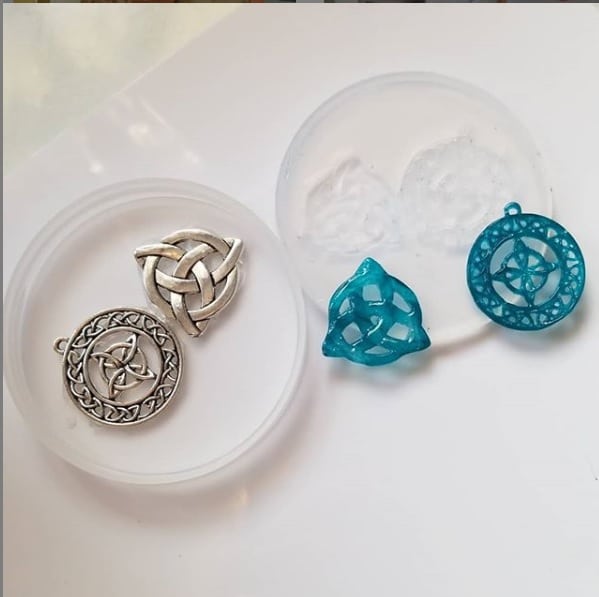
- "Pure Mould" – Translucent Liquid Silicone Rubber for Mould MakingPrice range: £23.95 through £166.95"Pure Mould" is a translucent liquid silicone rubber designed for mould making, suitable for use with resins, plaster and cement.
- "Liquid Mould" – Casting Liquid Silicone Rubber, 5-40 Shores, Bi-Component A+BPrice range: £14.45 through £387.45"Liquid Mould" casting liquid silicone rubber is suitable for making detailed moulds and reproductions in various materials.
 "I–Gum" – Non-Toxic Silicone Putty for Mould MakingPrice range: £24.00 through £104.95"I–Gum" is a two-component non-toxic silicone putty designed for mould making with resin and similar materials, fitting the theme of working with…
- "Liquid Mould" – Casting Liquid Silicone Rubber, 15 Shores 20.8 kg£348.85"Liquid Mould" is a casting liquid silicone rubber designed for detailed moulds and fine reproductions, suitable for resin and similar materials.
Frequently Asked Questions
What is the difference between silicone putty and liquid silicone rubber?
Silicone putty is ideal for manual, direct application and small objects, while liquid silicone is poured for detailed or large moulds.
How do I choose the right silicone rubber shore hardness?
Shore hardness affects flexibility and strength. Softer rubbers suit detailed, flexible moulds; harder types provide durability for repeated casting.
Is silicone rubber safe for food or skin contact?
Always check the product’s certification and technical datasheets for food-safe or skin-safe use. Not all silicone rubbers are food-grade.
How long does silicone rubber take to cure?
Cure times vary by product—from 20 minutes for silicone putty to 3–12 hours for liquid rubbers. Always follow the instructions for best results.
Can silicone rubber moulds be reused?
Yes, high quality silicone rubber moulds can be reused many times, particularly when cared for and not subjected to high mechanical stress.
What materials can I cast in silicone rubber moulds?
You can cast epoxy, polyester, polyurethanes, wax, plaster, soaps, and some cements in these silicone moulds.
How can I avoid bubbles or defects in my silicone mould?
Pour slowly, mix thoroughly, and use a pressure pot if needed. Keeping the workspace clean and using the correct ratios also helps.