 Free shipping on orders over £29,85
  Shipping Tracking!


 Google
 Facebook
How to use resin for jewelry?
Create unique resin jewellery pieces with crystal-clear results.
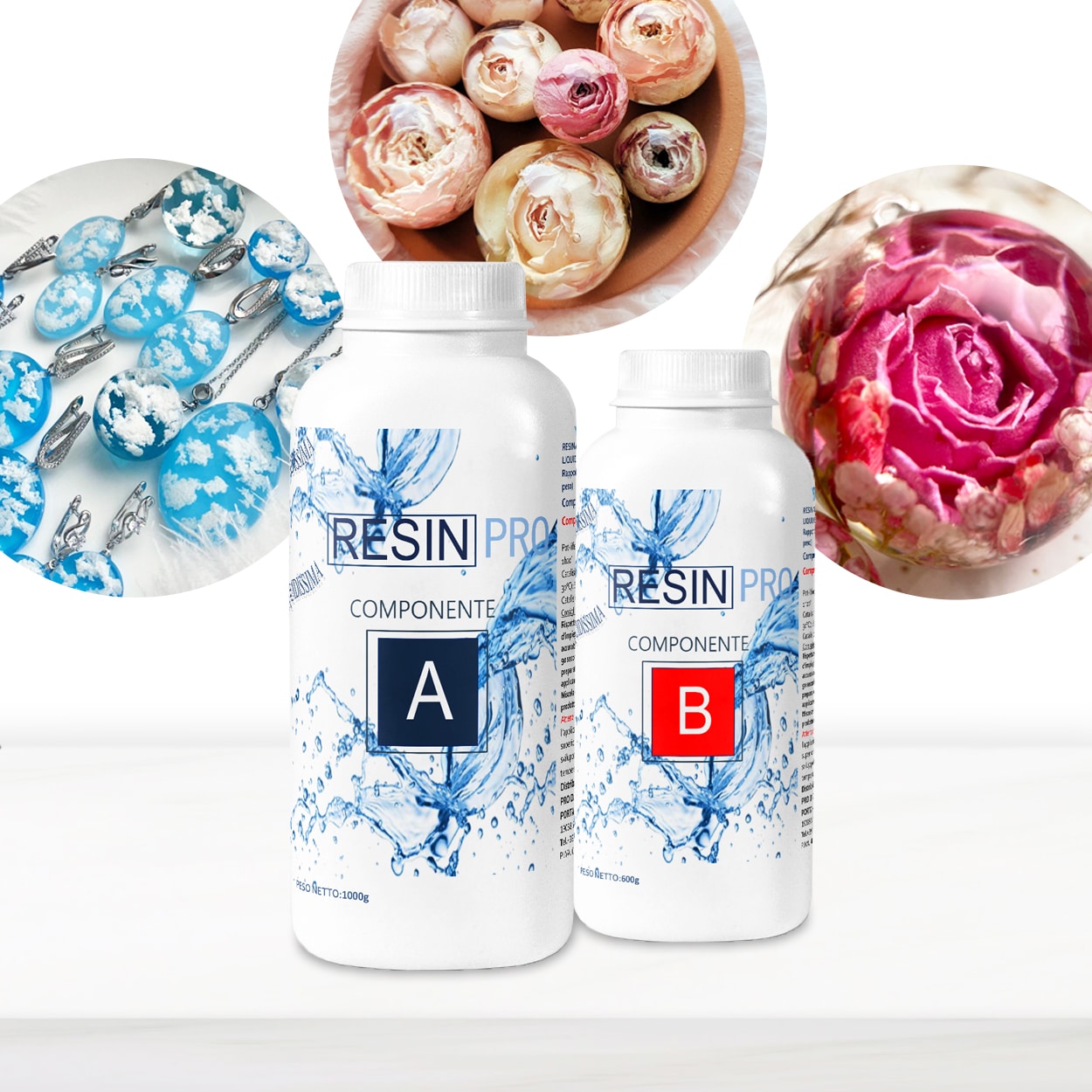

Resin jewellery offers creative freedom and a professional finish, making it a favourite among crafters, hobbyists, and artists alike. This guide will teach you how to use resin to make beautiful custom jewellery, from mixing techniques to demoulding and finishing, ensuring lasting clarity and quality in every creation.
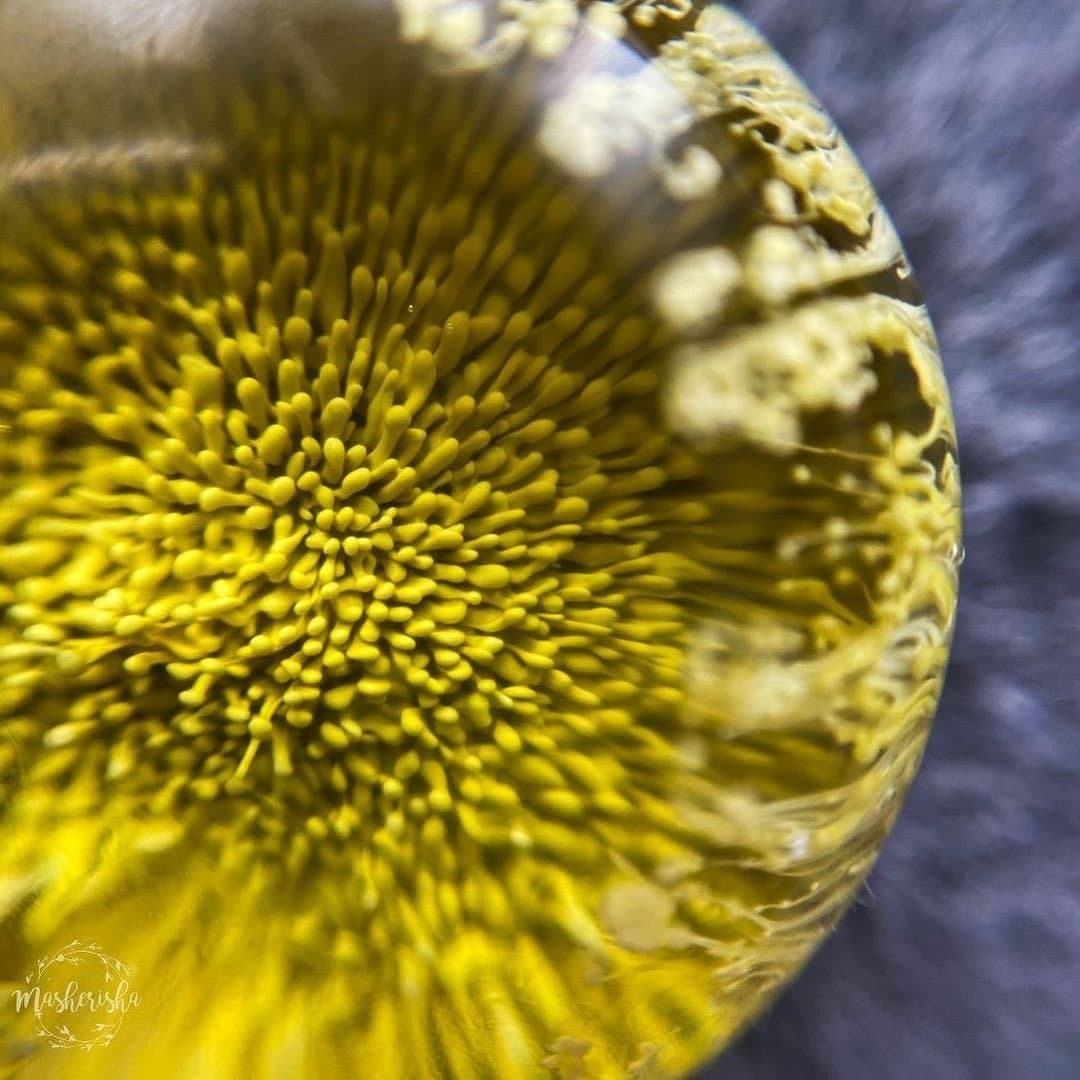
What You’ll Need
- “Liquidissima” – Epoxy Resin For Creations & Jewellery – for water-clear results in intricate moulds
- “Evershine Collection” – Artisan Jewellery Epoxy Resin Kit with 100+ Accessories – ideal for beginners wanting an all-in-one solution
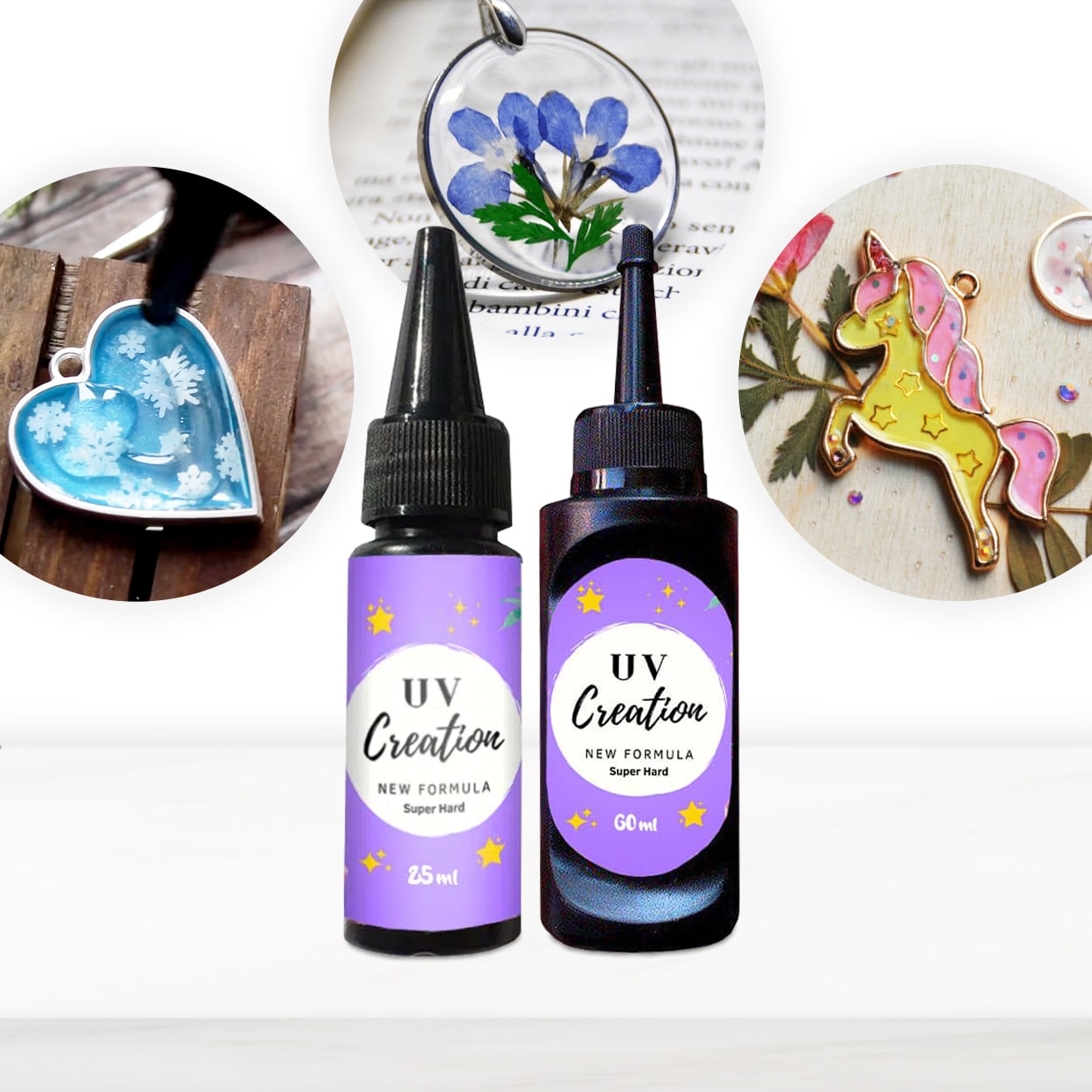
- “UV–Creation” – Fast Acrylic Resin, 3 Minute UV Cure – perfect for fast curing and simple projects
- “One-2-One” – Epoxy Resin for Handcraft, 1:1 Mixing Ratio – for easy mixing and clear finishes
- Jewellery silicone moulds
- Gloves and protective wear
- Measuring cups and mixing sticks
- Pigments, glitter, dried flowers (optional)
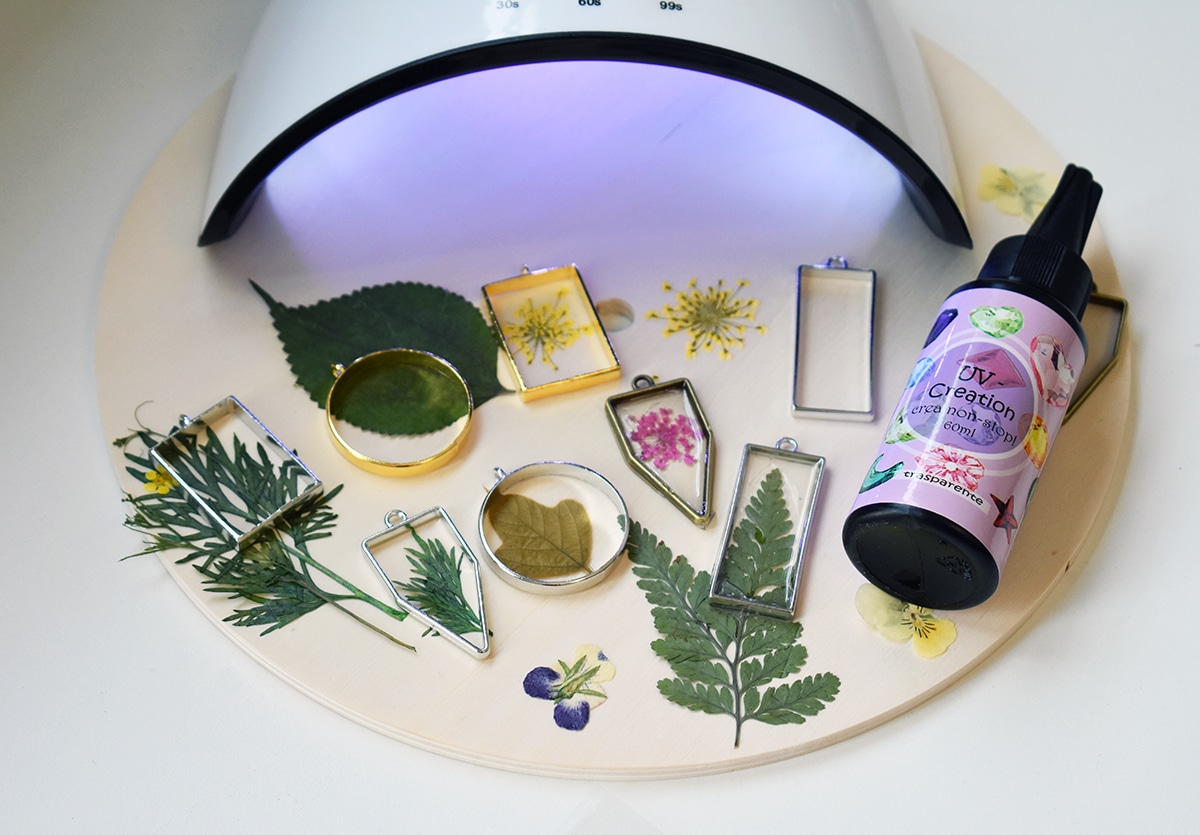
- UV lamp (if using UV resin)
- Toothpick or heat gun (to remove bubbles)
Visual Supplies and Setup
Gather and organise all your jewellery making tools, resin, pigments, and moulds before starting. Keeping everything within arm’s reach prevents mistakes and speeds up your process. Protect your workspace with a silicone mat or disposable covering to guard against spills.
Step 1: Prepare Your Workspace and Materials
Begin by covering your working area with non-stick material such as a silicone mat or plastic sheet. Resin can be messy and will bond to most surfaces, so proper preparation saves time on cleanup. Gather all tools, moulds, and decorations before mixing to ensure efficiency and prevent rushed mistakes.
Protect your workspace by working in a well-ventilated area, wearing gloves and, if sensitive, a mask. Lay out your resin, mixing accessories, and decorative items in advance for smooth progress.

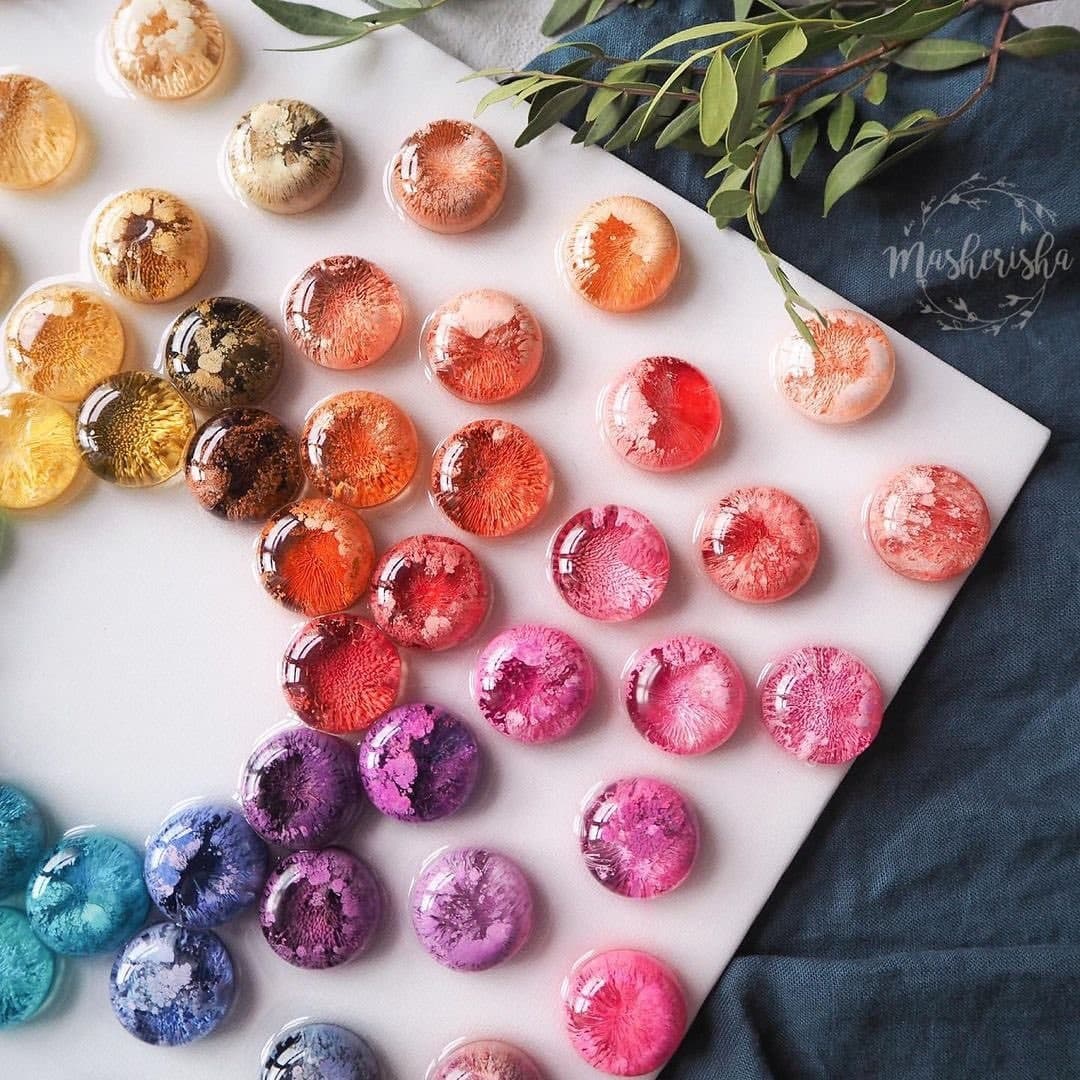
Step 2: Measure and Mix Your Resin
Carefully measure your chosen resin according to the instructions. For example, “Liquidissima” – Epoxy Resin For Creations & Jewellery and “One-2-One” – Epoxy Resin for Handcraft, 1:1 Mixing Ratio are designed for easy and accurate mixing. Always pour the two components slowly into your mixing cup, then gently combine for a few minutes, scraping the sides and bottom to ensure even blending and to minimise air bubbles.
Add pigments or inclusions at this stage, mixing just until evenly dispersed. Be careful not to introduce additional air into the mix when incorporating your artistic touches.
Mix resin thoroughly for the best results. Inaccurate ratios or under-mixing can lead to sticky or soft results.
Step 3: Pour the Resin into Jewellery Moulds
Slowly pour the prepared resin into clean, dry silicone moulds designed for jewellery pieces. Fill the moulds in layers if needed, especially if working with deeper cavities or when embedding elements like dried flowers or glitter. If using “UV–Creation” – Fast Acrylic Resin, apply it directly and spread with a stick before curing.
Take your time with placement, as repositioning inclusions after pouring can lead to cloudiness or trapped bubbles.
Pour slowly to reduce the chance of unwanted bubbles and surface imperfections.


Step 4: Remove Bubbles and Cure the Resin
Bubbles can detract from clarity. Use a heat gun, toothpick, or by gently exhaling over the surface to pop bubbles in epoxy resin. For UV resin, a brief pause before curing lets bubbles rise naturally. Once clear, cure the resin as recommended: allow two-part epoxy to harden undisturbed for its required time (often 24–48 hours), or expose UV resin-laden pieces to a UV lamp for a few minutes.
Curing times and methods vary, so refer to your specific resin’s guidelines to ensure a complete set and prevent tackiness or surface issues. Cure the resin fully for durability and wearability in your finished jewellery.
Remove bubbles carefully, as trapped air can cause blemishes or weak points in your piece.
Step 5: Demould and Finish Your Jewellery
After curing, gently remove the pieces from their moulds. If the surfaces are uneven or edges rough, lightly sand with fine-grit sandpaper and polish as needed. Attach findings such as earring hooks, chains, or keyrings to turn resin blanks into wearable art. For more intricate finishing, kits like the “Evershine Collection” – Artisan Jewellery Epoxy Resin Kit with 100+ Accessories include a mini precision drill and a variety of elegant findings to streamline your process.
Enjoy your finished resin jewellery or pack it as a personalised gift for friends and loved ones.
Tips, Troubleshooting & Common Mistakes
Keep resins and moulds warm and dry to avoid ‘milky’ finishes from moisture. Read each product’s instructions, as some, like UV–Creation, cure best in thin layers, while others permit deeper pours. Over-mixing or working too quickly can introduce air; slow, deliberate stirring is key. Misshapen edges can be tidied by sanding and polishing. Always allow full cure before handling or packaging to prevent finger marks or deformation.
Finishing Touches in Action
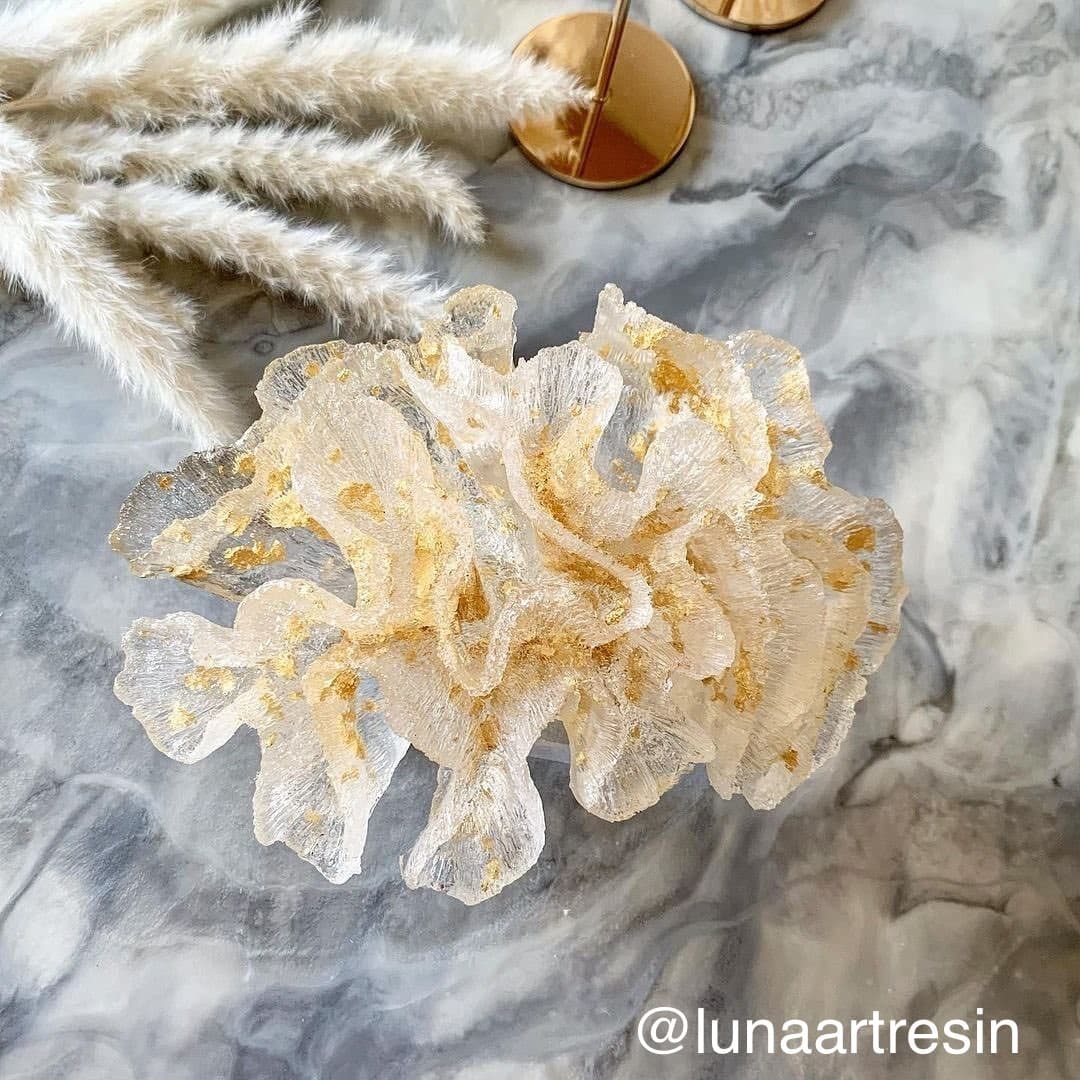
See completed resin jewellery ready for findings, sanding, and gift wrapping. Notice the clarity and precision achieved with proper preparation, mixing, and careful curing.
- "Liquidissima" – Epoxy Resin For Creations & JewelleryPrice range: £12.85 through £31.85"Liquidissima" epoxy resin is designed for detailed jewellery creations with high transparency and a self-levelling finish.
- "Evershine Collection" – Artisan Jewellery Epoxy Resin Kit with 100+ Accessories£21.95"Evershine Collection" offers a comprehensive kit with clear 1:1 epoxy resin and over 100 accessories, suitable for jewellery makers and enthusiasts.
- "UV–Creation" – Fast Acrylic Resin, 3 Minute UV CurePrice range: £8.45 through £62.95UV–Creation Fast Acrylic Resin cures quickly under UV light, providing a clear, glossy finish suitable for jewellery making.
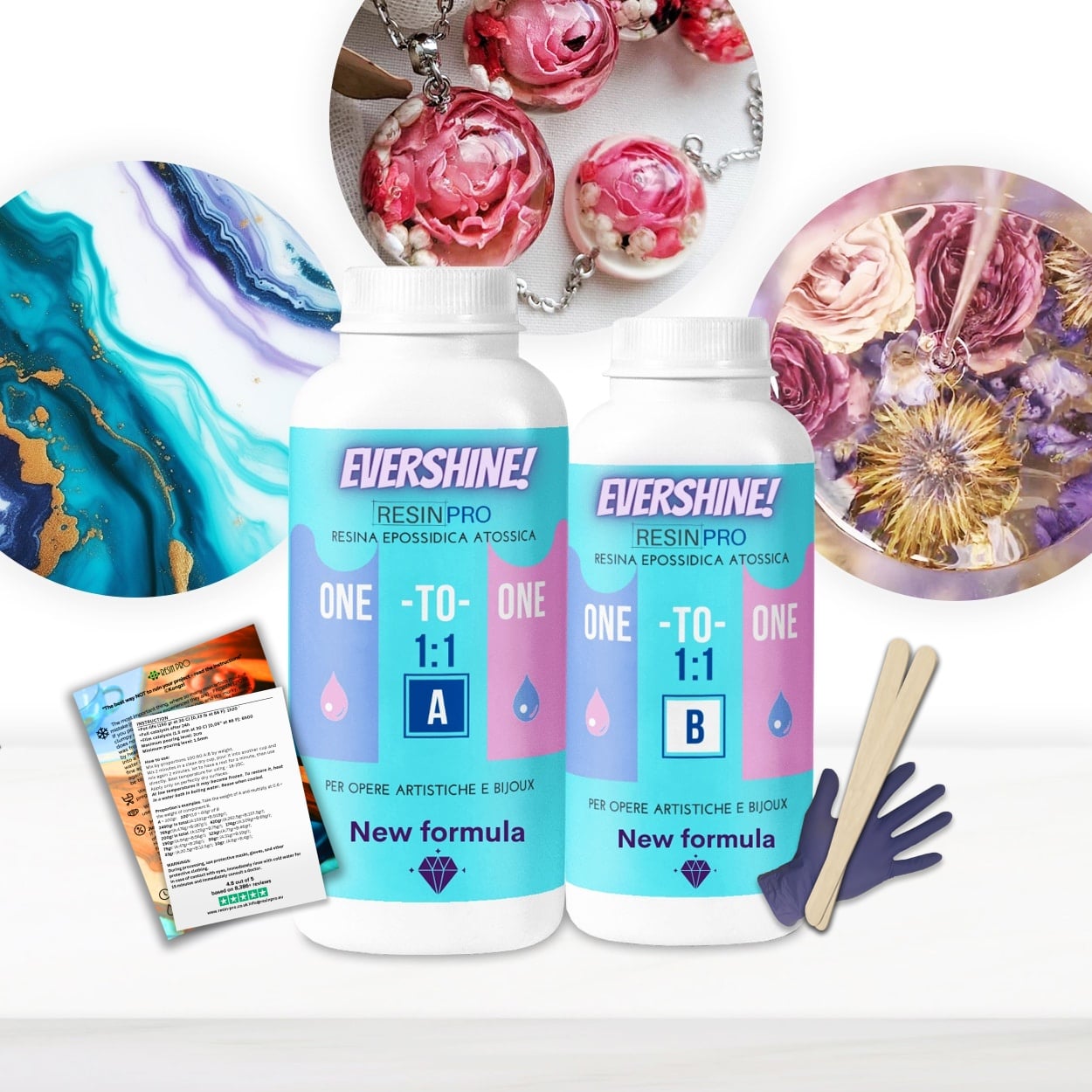 "One-2-One" – Epoxy Resin for Handcraft, 1:1 Mixing RatioPrice range: £15.95 through £59.95"One-2-One" epoxy resin offers an easy 1:1 mixing ratio and a clear, glossy finish suitable for handcraft jewellery projects.
Frequently Asked Questions
Can I use resin for earrings and pendants?
Yes, resin is ideal for making earrings, pendants, charms, rings, and other small wearable pieces.
How do I colour resin for jewellery?
Add compatible pigments, dyes or mica powders to create custom hues. Mix gently to avoid air bubbles.
How long does resin jewellery take to cure?
Cure times depend on the resin; epoxy resins set in 24–48 hours, while UV resins harden in minutes with a UV lamp.
How do I prevent bubbles in resin jewellery?
Mix and pour slowly, use a heat gun or toothpick to remove bubbles, and avoid over-stirring the resin.
Can I use dried flowers with resin jewellery?
Yes, dried flowers can be layered or embedded in resin moulds to create unique, natural effects in your pieces.
Is resin jewellery waterproof and durable?
When fully cured, resin jewellery is durable and waterproof. Avoid harsh chemicals to extend its longevity.
Do I need special moulds for resin jewellery?
Silicone moulds are recommended for resin jewellery as they release finished pieces easily and leave a glossy finish.