 Free shipping on orders over £29,85
  Shipping Tracking!


 Google
 Facebook
← Back to How are resin cabochons made?
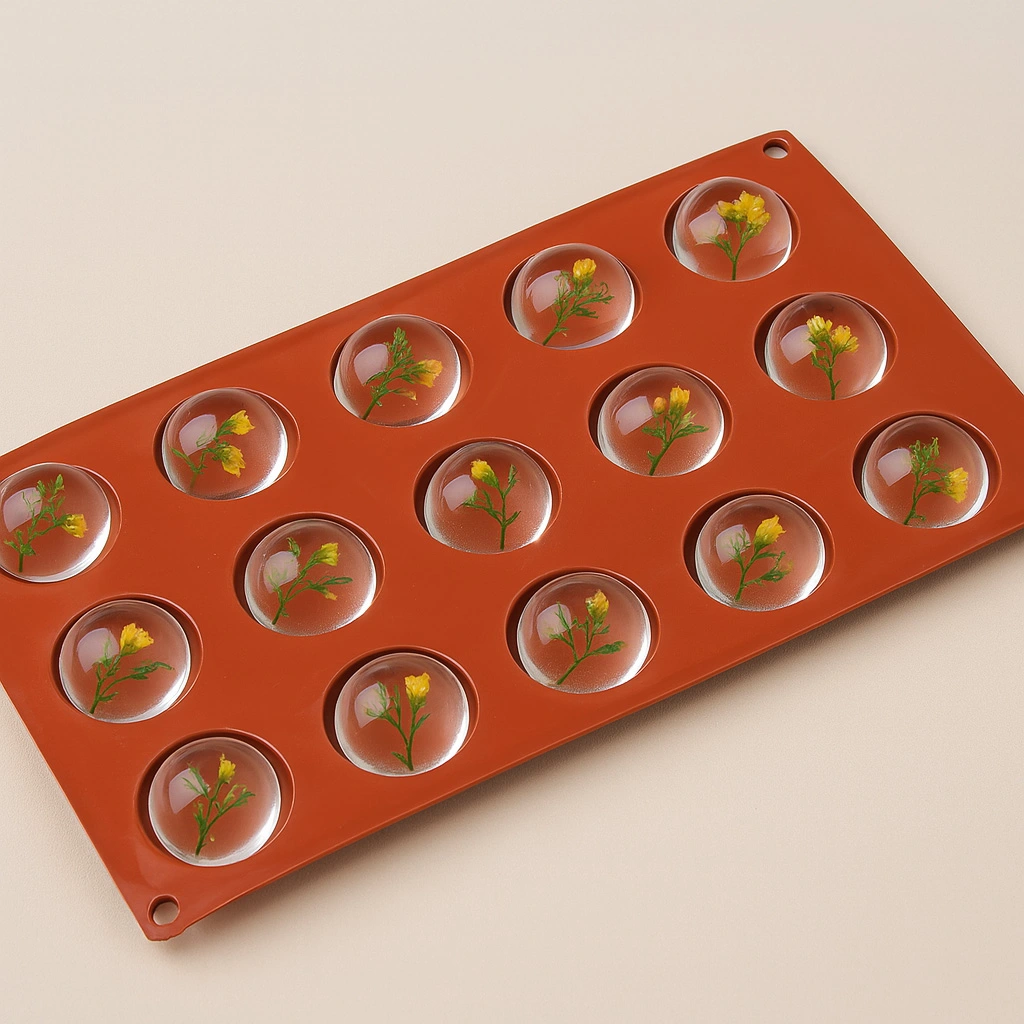
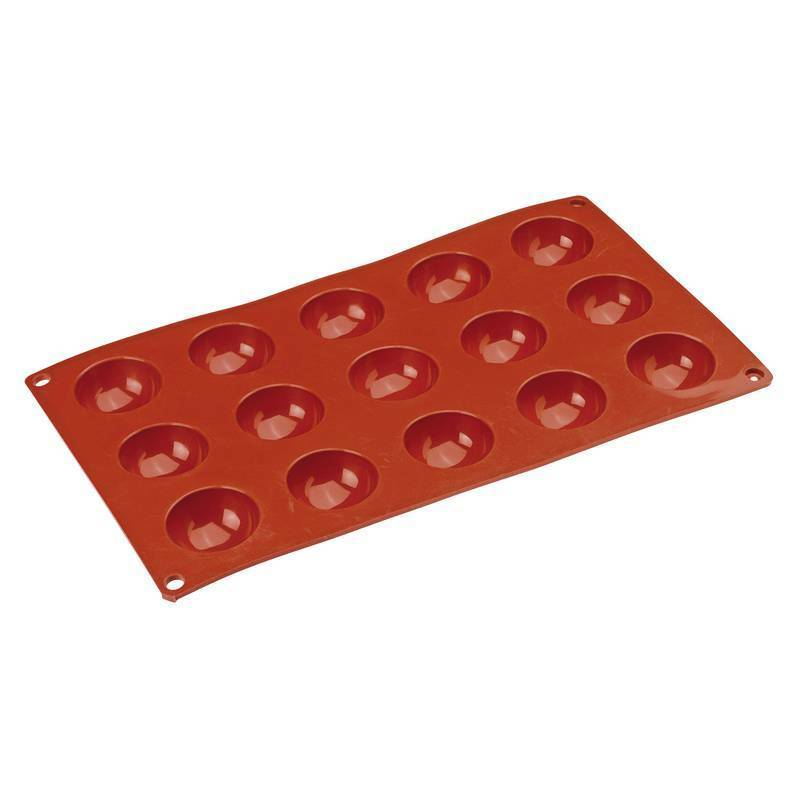
Epoxy resin cabochons are a popular choice for jewellery due to their clarity and durability. But how do they perform when exposed to water? Here’s what jewellery-makers and wearers need to know about water resistance in resin cabochons.
Water Resistance of Epoxy Cabochons
Once fully cured, epoxy resin forms a hard, sealed surface that is naturally water-resistant. This means cabochons made from cured epoxy are suitable for most jewellery uses, including earrings, pendants, and rings, where occasional exposure to moisture may occur. However, ‘water-resistant’ is not the same as waterproof – while short-term contact with water won’t usually cause harm, prolonged submersion is best avoided to maintain the quality of your cabochons.
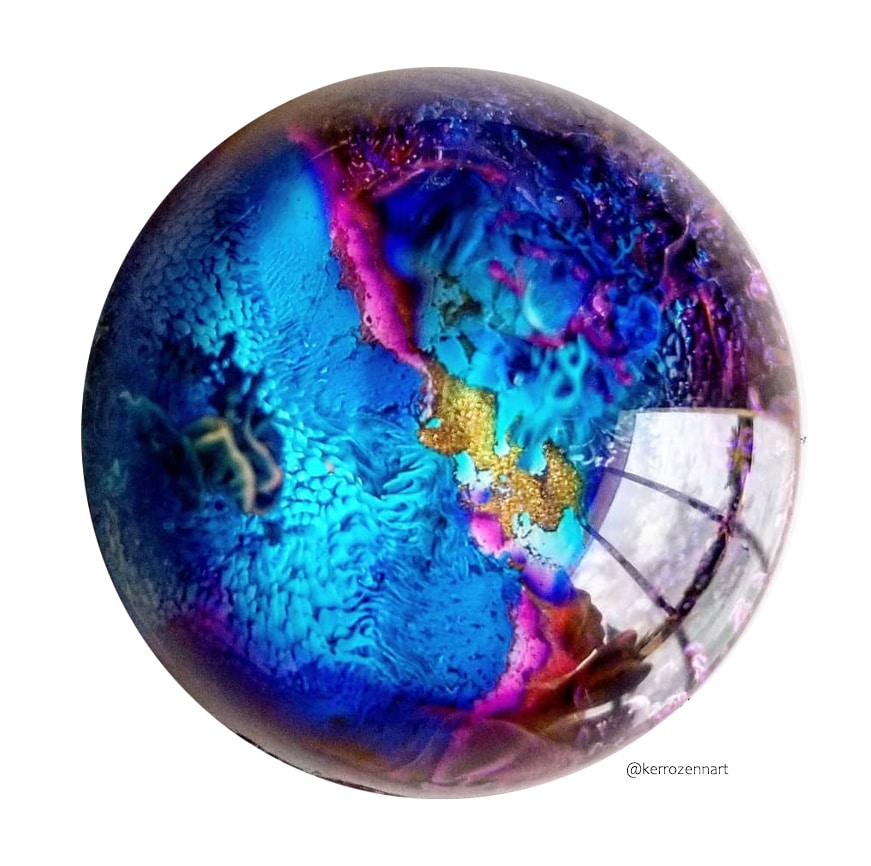
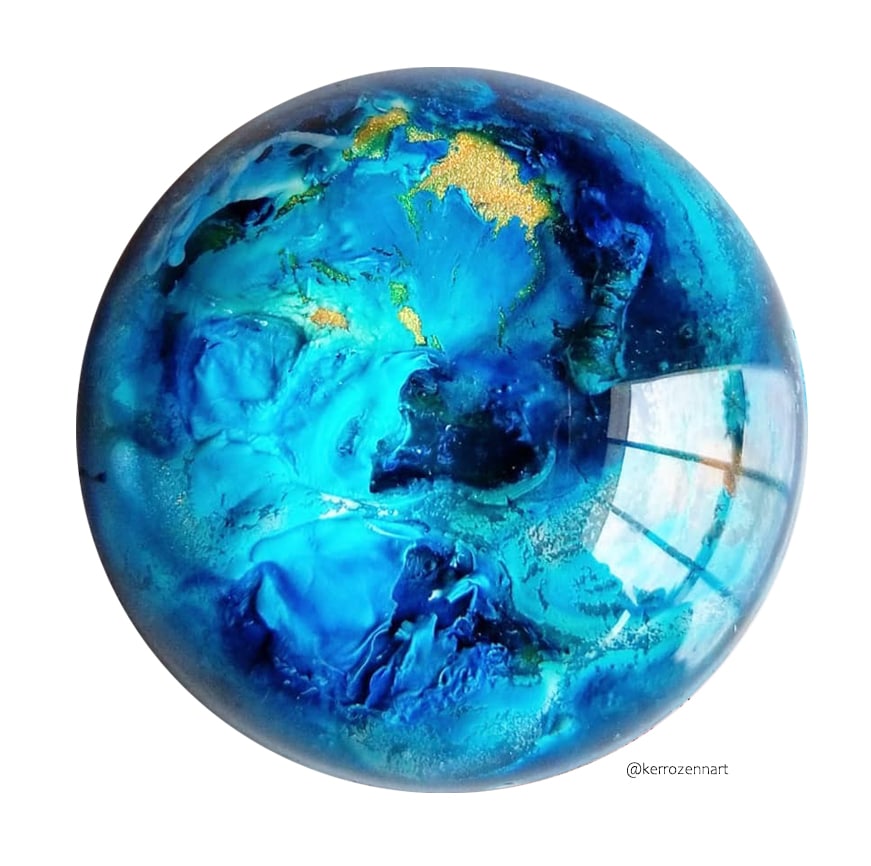
Practical Ways to Wear and Care
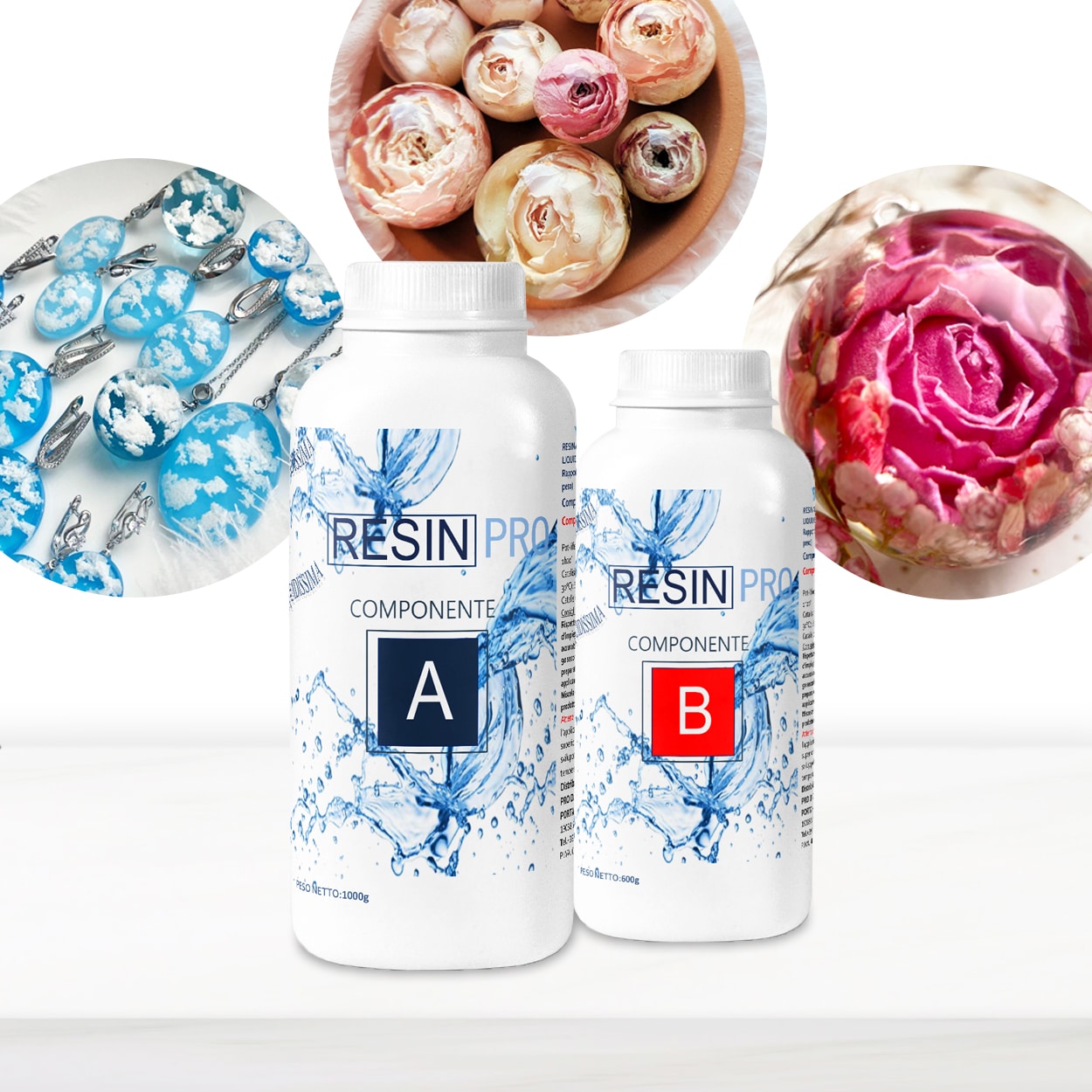
To prolong the life and appearance of epoxy resin cabochons, remove jewellery before swimming, bathing, or doing dishes. Wipe any water from the surface if it does get wet, and store pieces in a dry place. For crafting durable cabochons, use a reliable resin such as “Liquidissima” epoxy resin, which offers a crystal-clear and water-resistant finish suitable for jewellery projects.
When This Matters Most
- If you’re making jewellery for daily wear or gifting to others, water resistance adds confidence in durability for everyday accidents or splashes.
- Those living in humid climates or wearing pieces near water will also benefit from cabochons that resist moisture damage.
Related products
Related guides
Epoxy resin cabochons are a reliable choice for most jewellery designs, holding up well to the occasional splash. Interested in how these beautiful cabochons are made? Discover more in our main guide on how resin cabochons are made.