 Free shipping on orders over £29,85
  Shipping Tracking!


 Google
 Facebook
How do you grout tiles for resin coating?
Step-by-step guide for flawless tile and resin finishes
Preparing your tiled surface with proper grouting is essential for a seamless, durable resin coating. Whether finishing floors, walls, or creative spaces, this guide explains how to grout tiles specifically for resin coverage—giving your project a smooth, lasting base for professional results.
What You’ll Need
- “Epoxyprimer” – Universal Water-Based Two-Component Epoxy Floor Primer: Water-based primer for improved resin adhesion on tiled or mixed surfaces
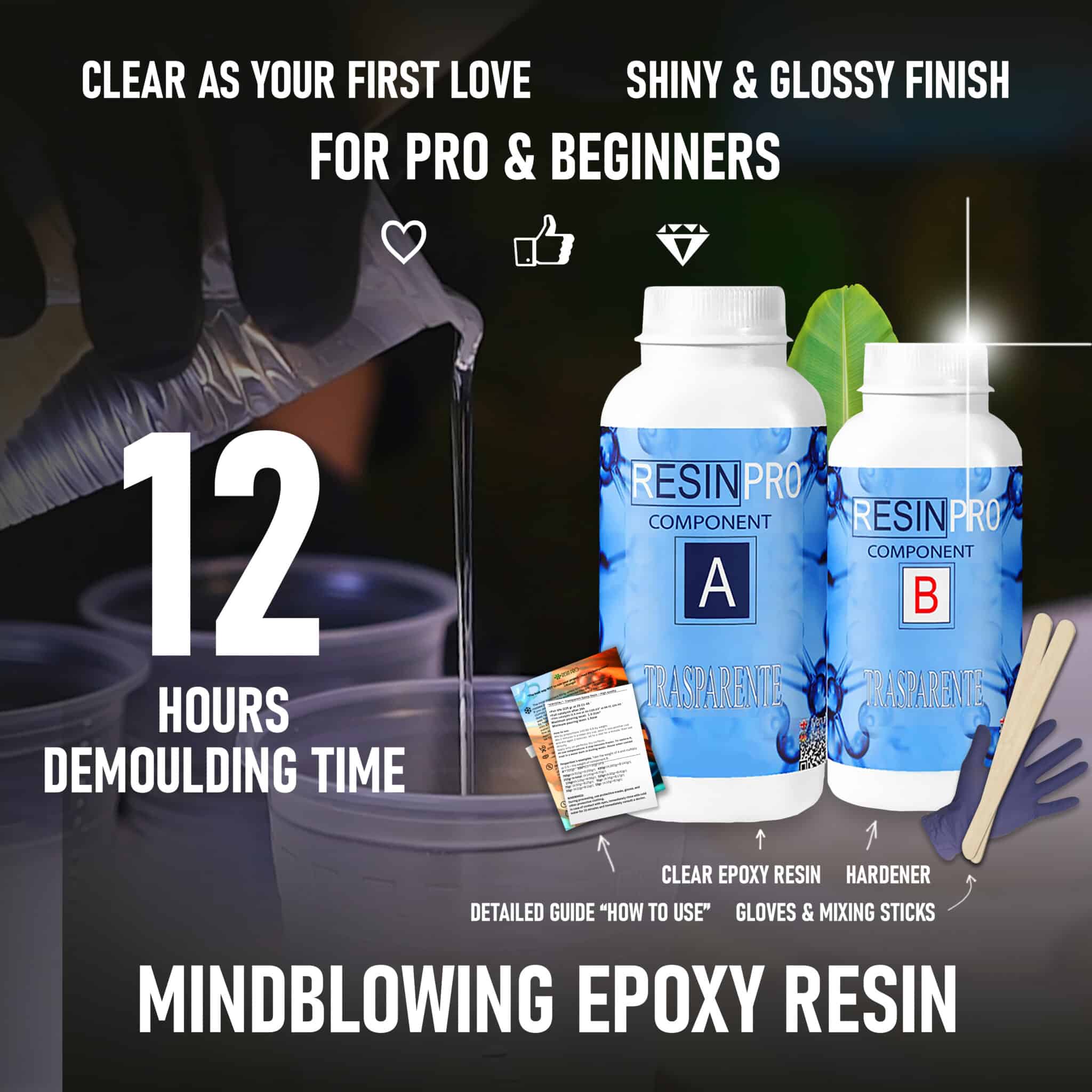
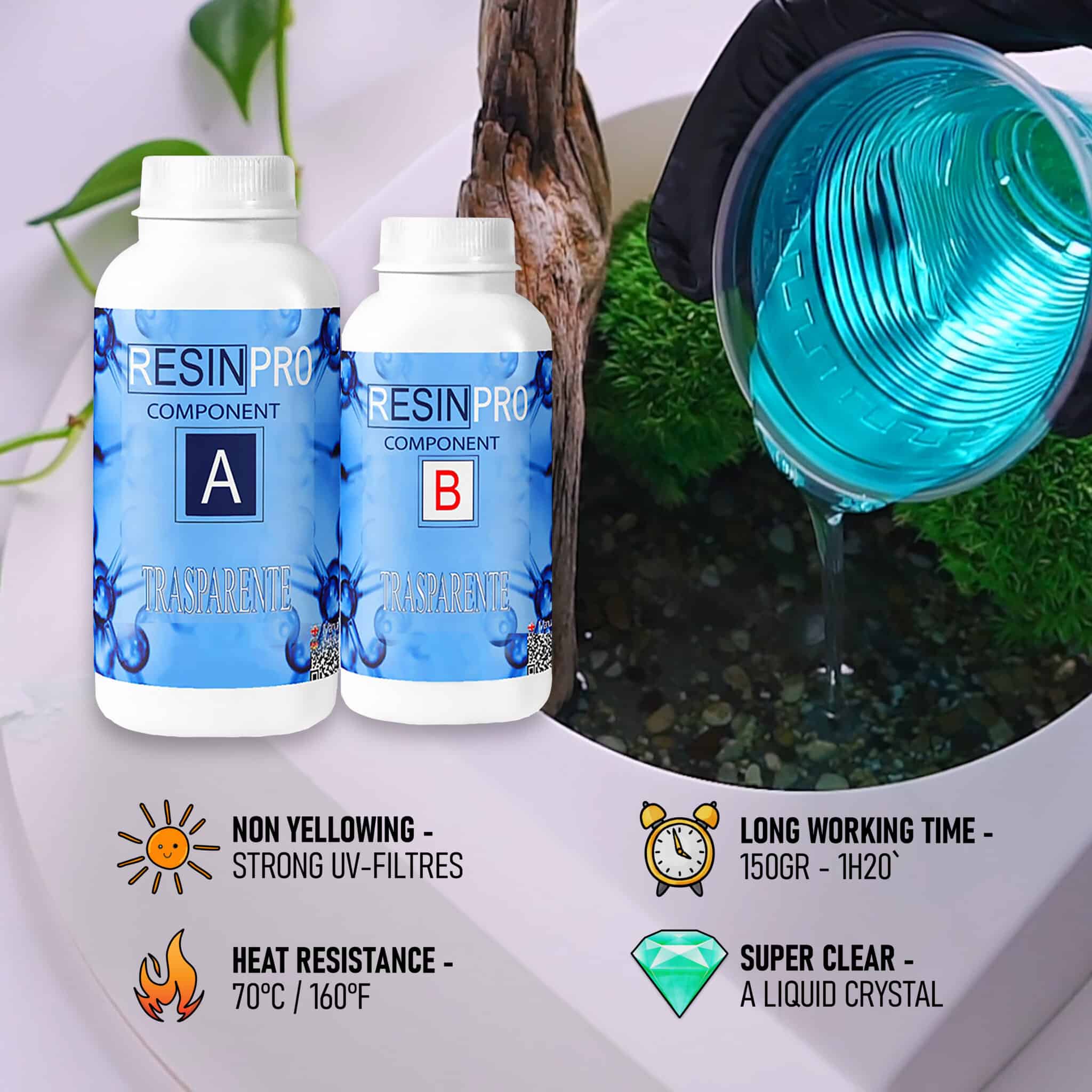
- “Trasparente” – Multipurpose Clear Epoxy Resin for Casting – Up to 2cm: Clear resin suitable for coatings up to 2cm thick
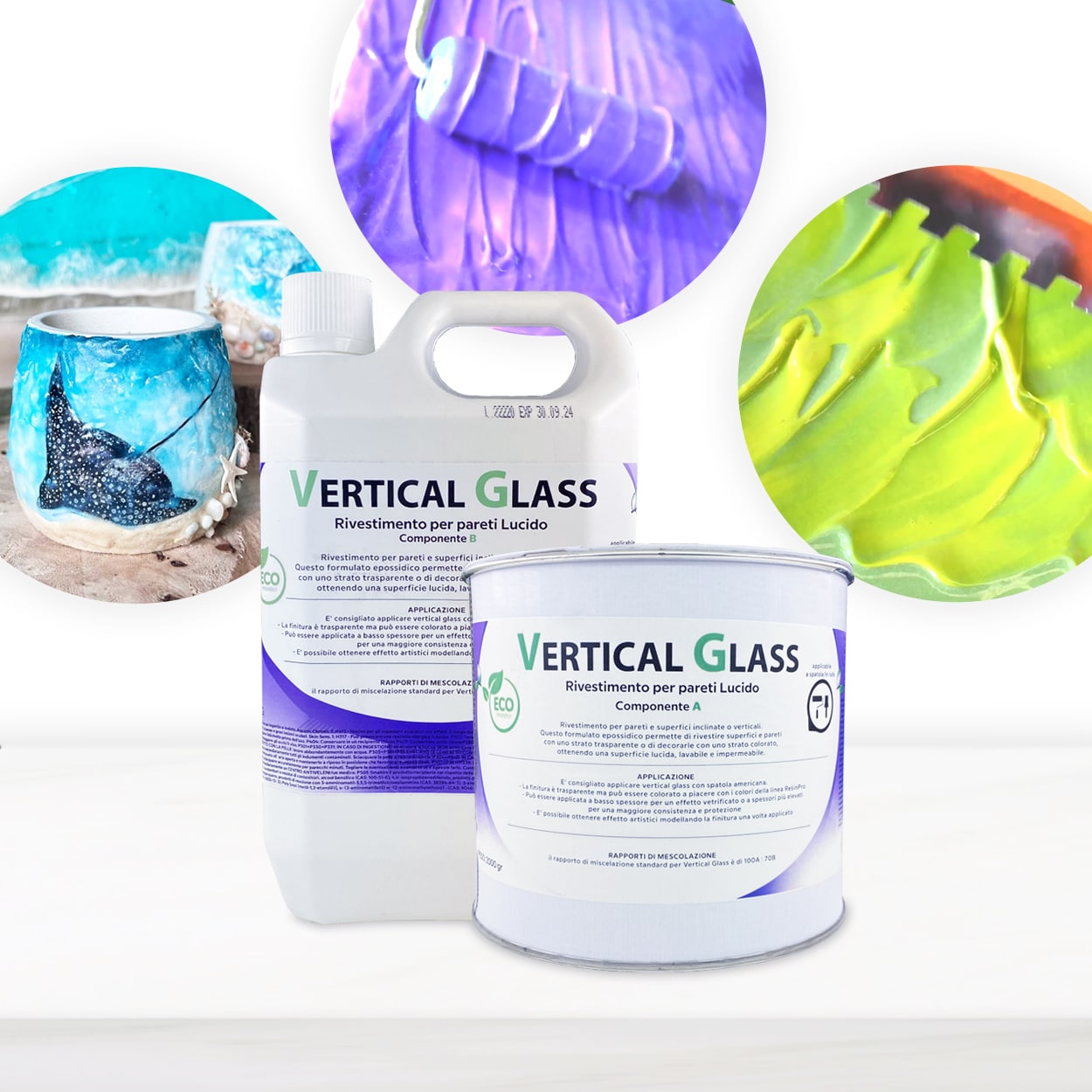
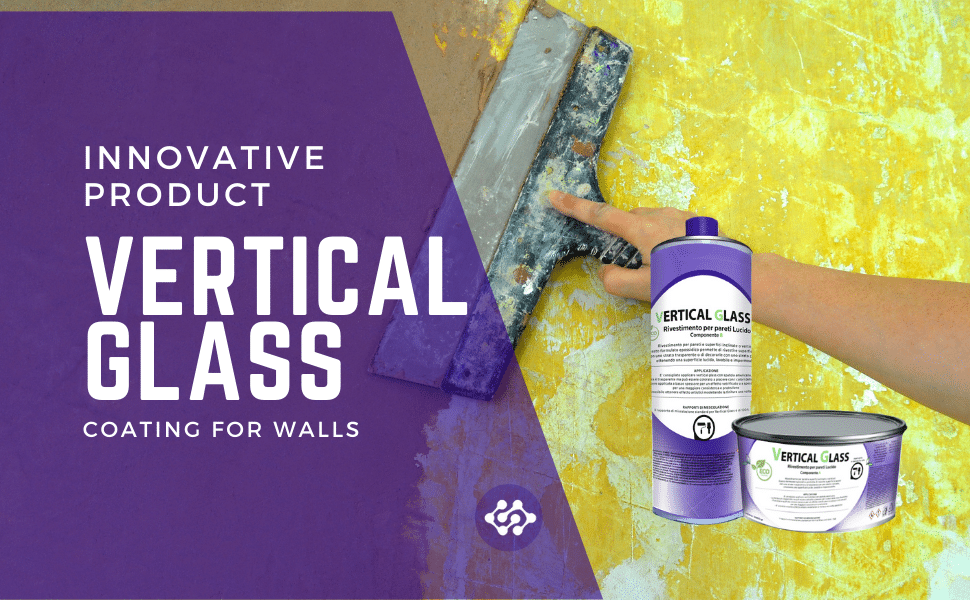
- “Vertical Glass” – Thick Resin Decorative Wall Coating: Epoxy wall coating for decorative, waterproof vertical finishes
- Resin & Paint Application Rollers – Short-Pile, Large, and Sponge Types: For precise and uniform application of primers and resins
- Appropriate tile grout for your project (cement-based or epoxy-based, depending on surface use)
- Grout float or spatula
- Mixing bucket, sponge, cloth, and safety gloves

Perfecting Tile Prep for Resin
Thorough preparation is essential for grouting tiles ahead of resin coating. Cleanliness and careful joint filling help ensure a secure and smooth surface for your chosen resin system. Taking the time at this stage massively improves your end result.
Step 1: Clean and Prepare the Tile Surface
Begin by ensuring your tiles are firmly fixed and free of existing grout residues, dust, oils, or loose debris. Wash the surface thoroughly with neutral detergent, then rinse and dry. Any contaminants left behind may affect grout coverage and the eventual bonding between grout and resin. Remove any dust, grease, or loose debris before coating—this is vital for both grout performance and resin adhesion.


Step 2: Apply Fresh Grout to Fill Joints
Mix your chosen grout according to the manufacturer’s specifications. Using a grout float or spatula, press the grout firmly into the tile joints, covering the full depth and avoiding air pockets. Work diagonally to the lines for complete filling and scrape off excess with the edge of your tool. Clean the surface with a damp sponge once the joints are filled. Apply grout evenly and allow it to cure completely before proceeding; premature resin application can compromise your finish and cause defects.
Step 3: Check, Clean and Prime the Grouted Surface
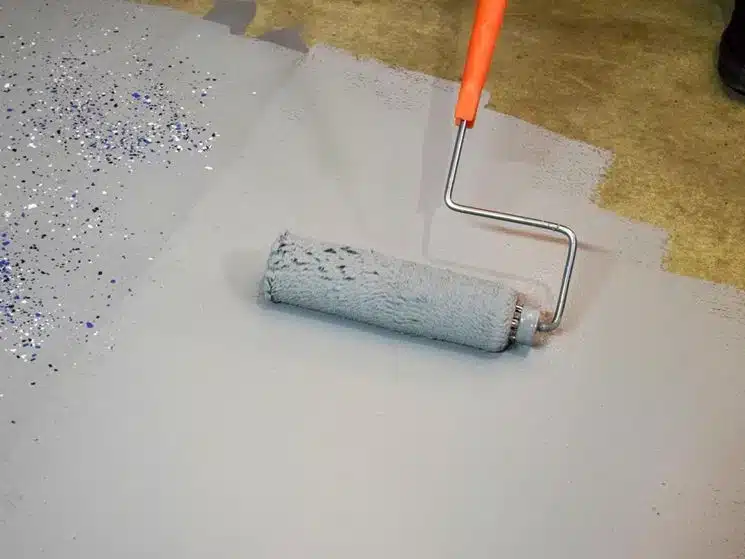
After the grout has fully cured and dried as per product recommendations, examine the joints for uniformity and make good any pinholes or missed gaps. Remove dust with a vacuum and wipe down. For optimal resin adhesion—especially over tiles with varying absorbency—prime the entire surface using “Epoxyprimer” – Universal Water-Based Two-Component Epoxy Floor Primer. This step creates a balanced, stable base and helps avoid issues like air bubbles or patchiness. Apply the primer thinly with a roller or brush and allow to cure as directed. Prime tiled surfaces for lasting resin adhesion and uniformity.

Step 4: Select and Apply Your Resin Coating
Once the primer is fully cured, select the resin best suited to your project area. For flat surfaces where a clear, even finish is needed, use “Trasparente” – Multipurpose Clear Epoxy Resin for Casting – Up to 2cm. On vertical or decorative areas, “Vertical Glass” – Thick Resin Decorative Wall Coating allows creative effects without sagging. Use a short-pile roller, sponge roller, or spatula for application, ensuring a continuous and even layer. Always follow resin instructions for mixing and curing times, avoiding excess thickness and trapping air bubbles. Choose the right resin for the intended thickness and finish to ensure a professional result.
Final Checks and Finishing Touches
Allow your resin to cure completely, keeping the environment dust-free and at stable temperature. Check for grout imperfections and address gaps promptly before the final resin layer. After curing, finish edges as needed and perform a gentle clean to reveal your seamless tiled and resin-coated surface.

Tips, Troubleshooting, and Mistakes to Avoid
Choose high-quality grout and allow proper curing to prevent shrinkage or pop-out. Always prime before pouring resin for a reliable bond to both tiles and grout lines. Avoid rushing between steps and monitor humidity, as moisture can cause resin clouding or bubbles. If imperfections arise, most surface issues can be sanded and recoated following full resin cure.
Common Pitfalls When Grouting for Resin
Skipping curing times, inadequate cleaning, or missing primer may lead to surface defects, weak adhesion, or visible grout lines through the resin. Stay methodical and patient at each stage for a flawless, durable finish.

- "Epoxyprimer" – Universal Water-Based Two-Component Epoxy Floor PrimerPrice range: £156.45 through £286.45Epoxyprimer is a water-based two-component epoxy floor primer designed for reliable adhesion and durability on various stable surfaces.
- "Trasparente" – Multipurpose Clear Epoxy Resin for Casting – Up to 2cmPrice range: £8.95 through £397.95'Trasparente' is suitable for clear castings and coatings up to 2cm thick, used in woodworking and art projects within this theme.
- "Vertical Glass" – Thick Resin Decorative Wall CoatingPrice range: £78.95 through £188.95"Vertical Glass" is a customisable epoxy resin wall coating providing a durable, waterproof finish suitable for vertical and sloping surfaces.
 Resin & Paint Application Rollers – Short-Pile, Large, and Sponge TypesPrice range: £3.62 through £5.09Rollers designed for epoxy resin applications, suitable for detailed and large surfaces, supporting precision and uniform finishes.
Frequently Asked Questions
Can I use any grout with resin coating?
Both cement-based and epoxy grouts are compatible, but always ensure the grout is fully cured and free from surface contaminants before resin application.
How long should I wait after grouting before applying resin?
Typically, wait at least 24–48 hours for grout to cure. Refer to your grout manufacturer's guidance for specific dry times.
Do I need to prime grouted tiles before applying resin?
Priming is highly recommended to promote adhesion and create an even, stable surface for the resin.
Which resin should I use for coating over tiles?
For horizontal surfaces up to 2cm thickness, a clear multipurpose epoxy works well. Use non-sagging decorative resin for vertical areas.
Can I fix imperfections after resin application?
Most minor surface issues can be sanded and recoated after the initial resin has fully cured.
How do I avoid bubbles or cloudiness in my resin finish?
Work in low humidity, mix gently, pour at recommended thickness, and always prime to prevent bubbles and haze.