 Free shipping on orders over £29,85
  Shipping Tracking!


 Google
 Facebook
← Back to How do you dilute liquid resin?

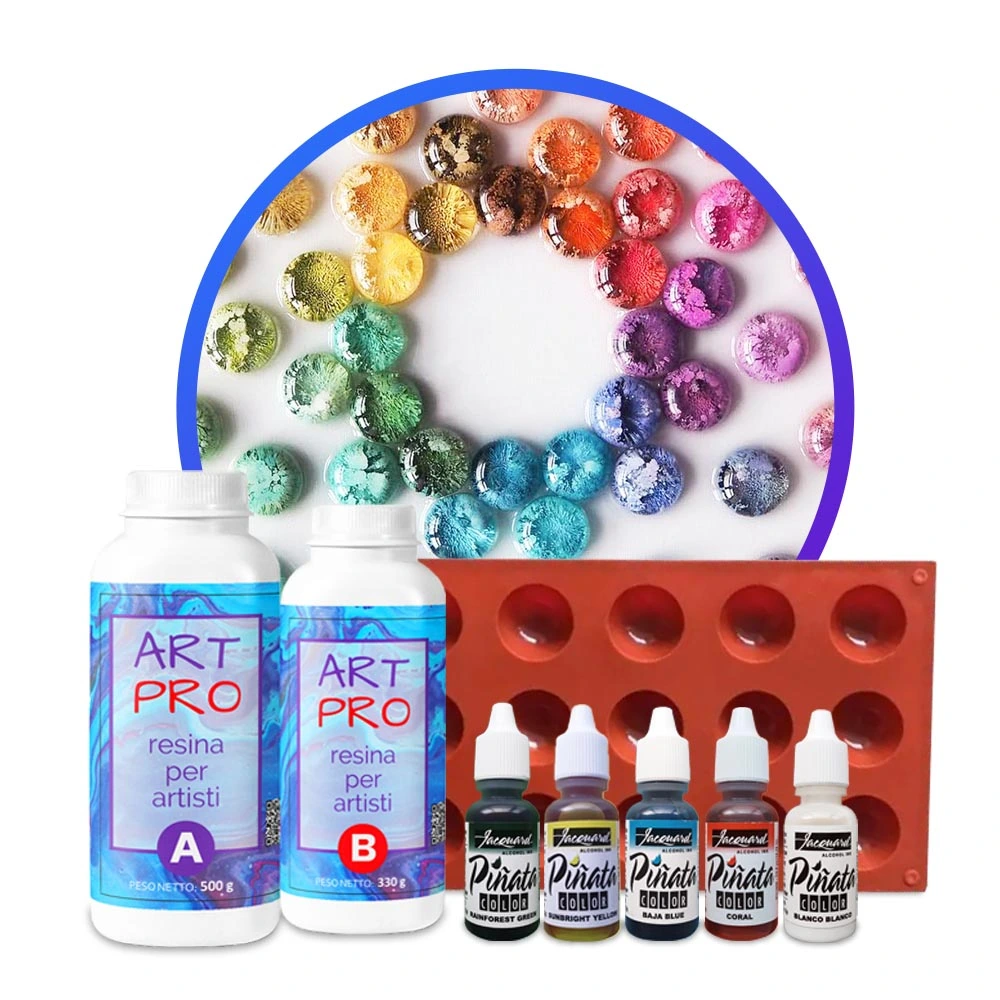
While diluting liquid resin can help with flow and bubble removal, using too much diluent can negatively affect the quality, clarity, and strength of your finished piece. Here’s how to use dilution sensibly while maintaining your project’s integrity.
Understanding the Risks of Over-Dilution
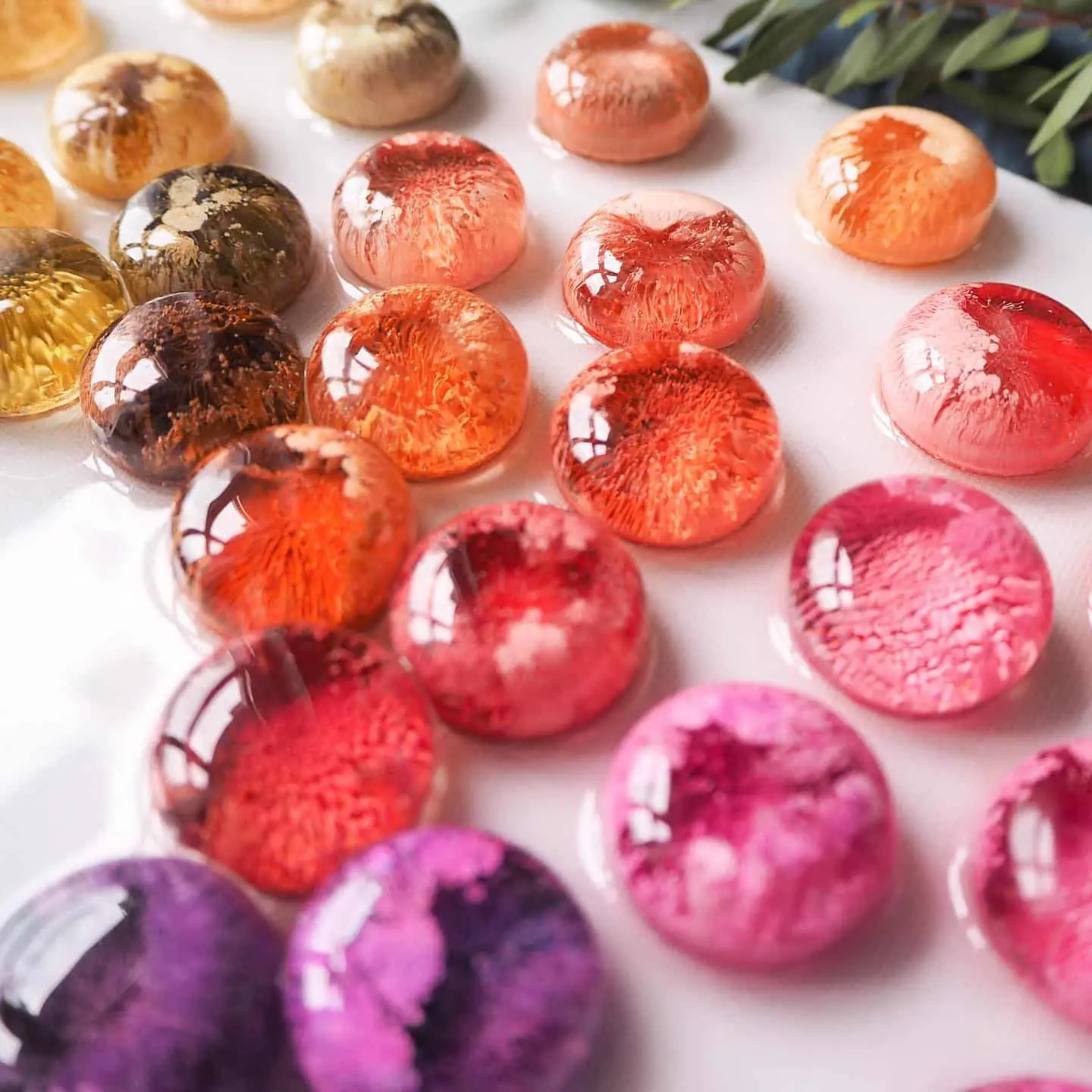
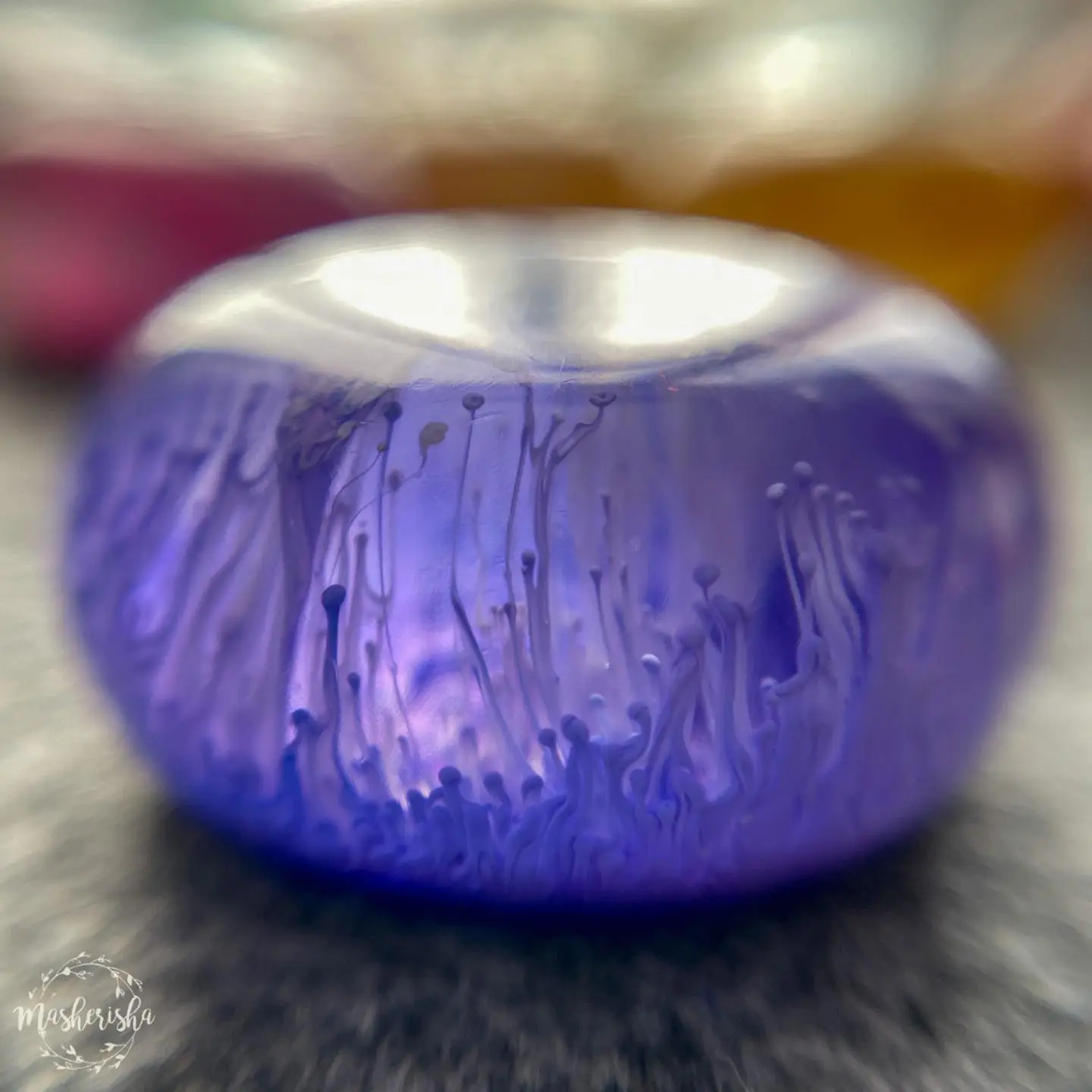
Adding excessive amounts of alcohol or other thinning agents to epoxy resin might seem tempting if you want a runnier mixture or easier bubble release. However, too much diluent can reduce curing performance, weaken the structure, and lead to surface imperfections or lack of gloss. Your resin may also fail to fully harden, making it unsuitable for art, jewellery, or practical applications.
How to Safely Thin Liquid Resin
If needed, use just a few drops of high-purity isopropyl alcohol (Pure Isopropyl Alcohol 99.9%) for eliminating surface bubbles or creating effects, rather than to change consistency. Avoid adding directly into the main mix unless your project calls for it, as even small extra amounts can impact results. Always use a well-ventilated space and allow the alcohol to evaporate before applying any heat or working near flames.
When This Matters Most
Excessive dilution becomes a big concern in projects where clarity, hardness, and durability are essential—such as jewellery casting or decorative pieces with intricate moulds. For best results, favour resins formulated for good flow, like Liquidissima, over trying to alter resin viscosity with additives.
Related products
Related guides
Careful handling and minimal dilution of liquid resin lead to a superior finish and longer-lasting results. For more in-depth advice on resin preparation and usage, see our main guide on how to dilute liquid resin.