 Free shipping on orders over £29,85
  Shipping Tracking!


 Google
 Facebook
How do you coat a table with resin?
Step-by-step guide for flawless, long-lasting resin finishes
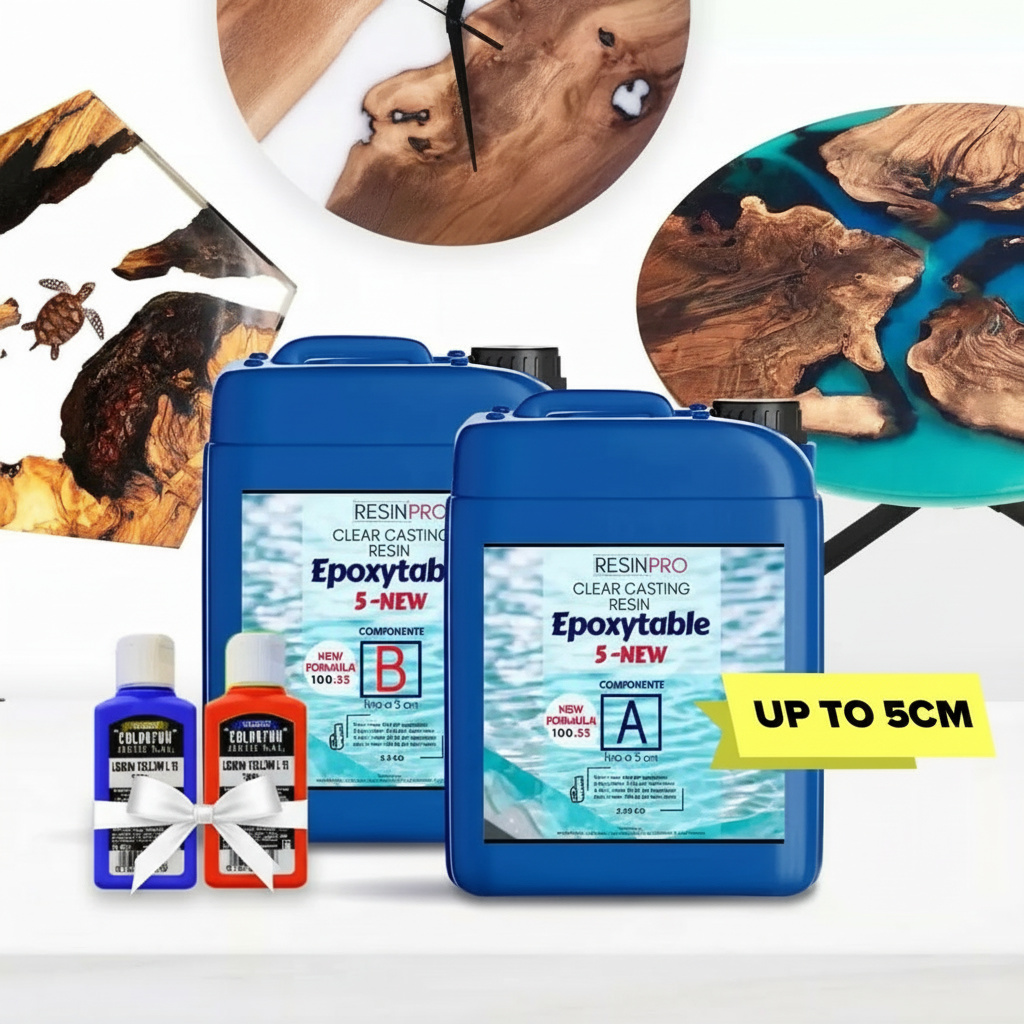

Coating a table with resin creates a glossy, durable finish that highlights natural wood grains and artistic designs alike. Whether you are looking to restore an old table or produce a bespoke centrepiece, this guide will walk you through the process from preparation to final polish for a beautifully resilient surface.

What You’ll Need
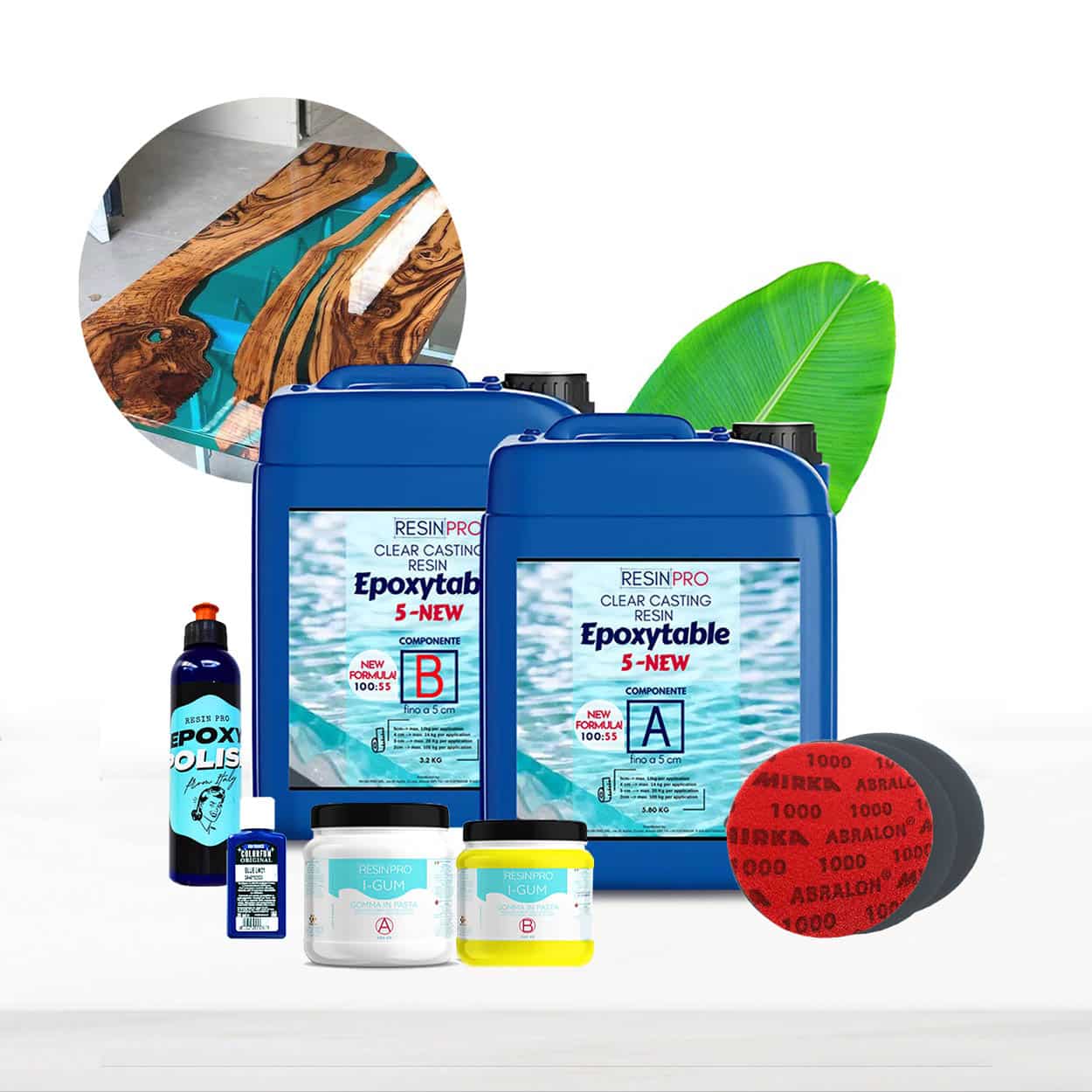
- “EpoxyTable 5-Five” – Deep Pour Epoxy Resin for Tables and Large Projects – Up to 5cm – Suitable for deep pours and clear protection on large surfaces.
- “River-Table” – Complete Kit for Creating Your First Epoxy Resin Table – For beginners, this kit provides all the key items and guidance you need.
- “Epoxytable 10-Ten” – Deep Pour Epoxy Resin for Tables, Up to 10cm Casting – Chosen when your project needs especially thick, clear coatings.
- “Stone Effect Collection” – Marble Epoxy Resin Countertop Kit – Ideal for creating marble or stone effect finishes on tabletops and counters.
- Mixing paddles or sticks, accurate scales, protective gloves, and a spirit level.
- Sanding materials, masking tape, and appropriate cleaning solvents.
- Plastic sheeting or drop cloth to protect your work area.

Visualising Resin Coated Table Transformations
Browse inspiration from completed resin table projects and see how a clear resin coating brings out natural wood patterns and vibrant colour effects. From glossy, modern kitchen tables to dramatic river table centrepieces, resin techniques offer exceptional custom finishes for any interior style.
Step 1: Prepare and Level the Table Surface
Start by cleaning the table thoroughly to remove any dirt, wax, or old finishes. Sand the surface with progressively finer grit paper until it is smooth and free from scratches. Wipe away dust with a lint-free cloth. For tables made from porous woods, it’s essential to seal the surface first using a thin initial coat of resin or a suitable sealing primer to reduce the risk of bubbles in the final layer. Use a level working surface to ensure the resin cures evenly across the entirety of the tabletop.
Mask off the edges with good quality tape if you want to avoid resin drips, and cover the floor and surrounding work area to protect from accidental spills.

Step 2: Mix and Pour the Resin
Choose your resin system based on your table’s needs—thicker pours call for deep pour options such as “EpoxyTable 5-Five” – Deep Pour Epoxy Resin for Tables and Large Projects – Up to 5cm or “Epoxytable 10-Ten” – Deep Pour Epoxy Resin for Tables, Up to 10cm Casting, while decorative or patterned surfaces can make use of kits like “Stone Effect Collection” – Marble Epoxy Resin Countertop Kit. Using accurate digital scales, mix the resin and hardener following the manufacturer’s ratio recommendations. Stir steadily and thoroughly for several minutes, scraping the sides and bottom of the mixing container to ensure full blending. Allow the mixture to rest briefly to let air bubbles rise.
Pour the resin gently from one end, letting it flow to cover the surface naturally. For very large or thick tables, work in stages to control exotherm and avoid overheating. Use a spatula or spreader to distribute the resin evenly if needed, ensuring all edges and corners are covered.
Step 3: Remove Bubbles and Allow to Cure
Immediately after pouring, examine the surface for bubbles. You may use a heat gun or artist’s torch—held a few centimetres above the resin—for quick, light passes to help release air bubbles and achieve a crystal-clear top. Avoid overheating, which may cause yellowing or surface waves. Keep the room well-ventilated and at a stable temperature, ideally around 21–25°C, away from dust and humidity swings.
Let the resin cure according to its specifications, which can range from 12 to 72 hours depending on depth and brand. During this time, protect the surface from contact, insects, or debris to achieve a flawless finish. Always follow safety precautions when handling resins, hardeners and tools.

Step 4: Finishing Touches and Polishing
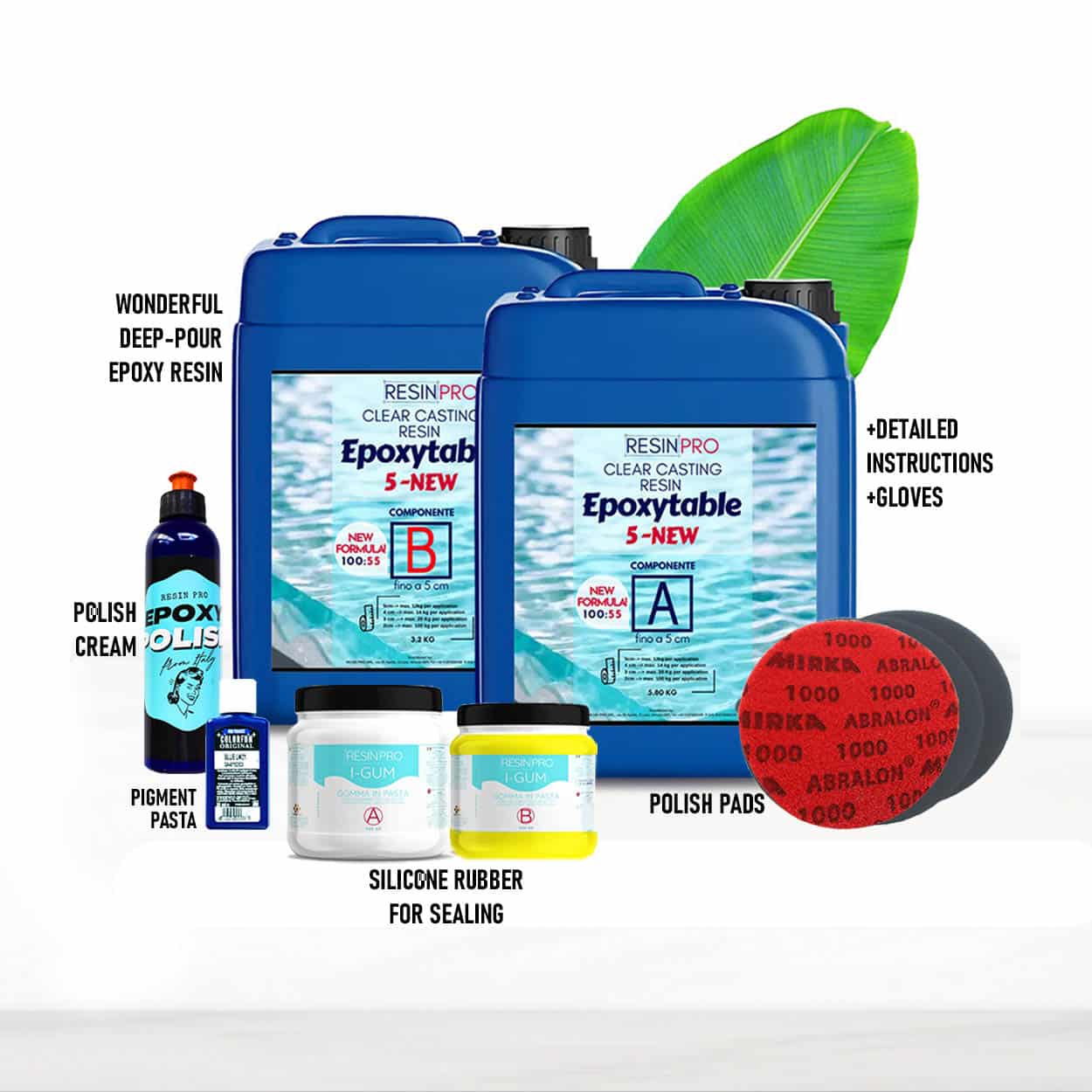
Once fully cured and hardened, inspect for any imperfections like dust or tiny bubbles. Sand out any rough spots using fine sandpaper (grits 1000 and above) and wipe clean. For a high-gloss result, polish the surface with a specialist polishing kit—like the one included in the “River-Table” – Complete Kit for Creating Your First Epoxy Resin Table. Apply polishing compound with a soft cloth or machine, buffing until you achieve the desired sheen. Consider a second clear coat for extra depth and protection if required.
Gently remove masking tape along the edges before the resin is fully hard to ensure crisp, clean sides. Wait until the resin is completely set before putting the table to everyday use, allowing for maximum durability and clarity in your new surface.
Tips and Mistakes to Avoid
- Seal porous wood beforehand to minimise air bubbles.
- Measure all resin and hardener accurately for the best result—errors can lead to tacky or soft surfaces.
- Work in thin pours if unsure to reduce heat buildup and avoid overspill in complex designs.
- Allow proper curing time and protect from dust and moisture throughout the process.
- Check room temperature and humidity for optimal curing and clarity.
Finishing Touches and Trouble-free Results
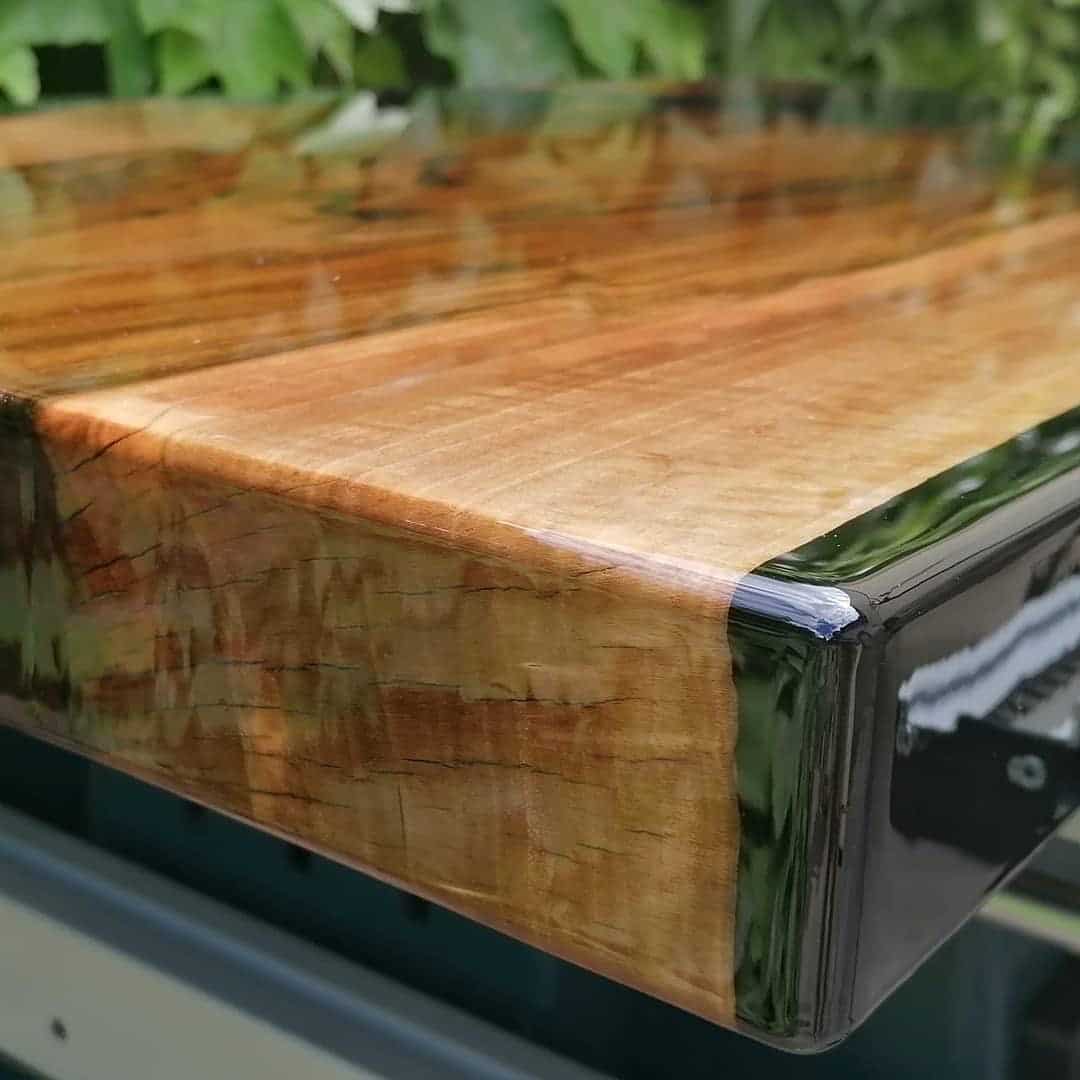
Take your time in each stage of the process, particularly mixing and pouring, for a smooth result. Notice how attention to room conditions, surface sealing, and staged pouring can make the difference between a professional finish and common beginner frustrations. If unsure, start with a test piece to develop technique confidence.
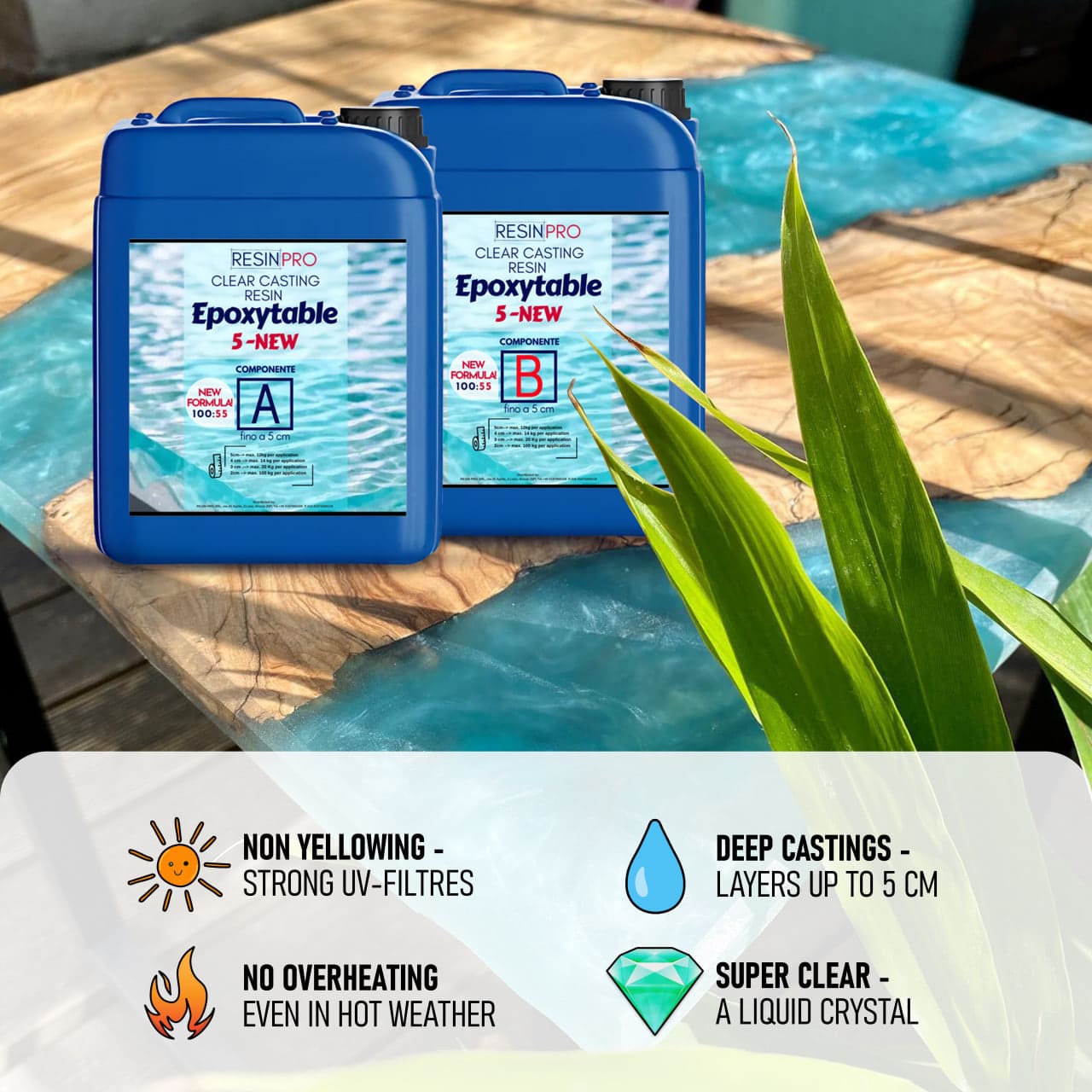
- "EpoxyTable 5-Five" – Deep Pour Epoxy Resin for Tables and Large Projects – Up to 5cmPrice range: £17.95 through £1,154.95"EpoxyTable 5-Five" is a deep pour epoxy resin designed for tables and large projects up to 5cm thickness, suitable for coating surfaces without…
- "River-Table" – Complete Kit for Creating Your First Epoxy Resin TablePrice range: £198.45 through £467.45"River-Table" kit provides the materials and instructions needed to coat wood tables with epoxy resin, suitable for beginners and intermediate users.
- “Epoxytable 10-Ten” – Deep Pour Epoxy Resin for Tables, Up to 10cm CastingPrice range: £35.95 through £351.95Epoxytable 10-Ten is designed for creating thick clear resin castings, suitable for tables and deep pours up to 10cm.
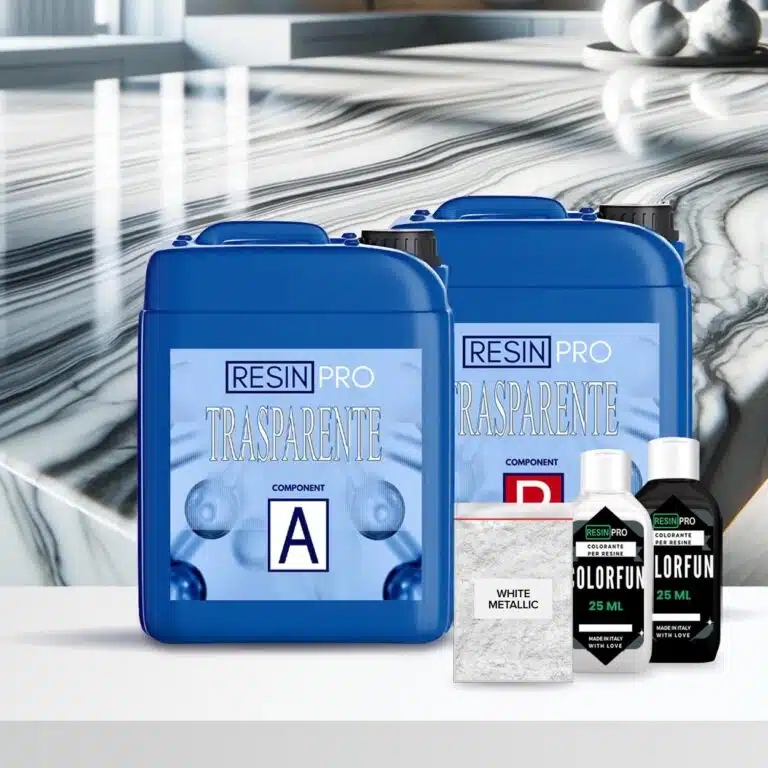 "Stone Effect Collection" – Marble Epoxy Resin Countertop KitPrice range: £57.95 through £272.95"Stone Effect Collection" Marble Epoxy Resin Countertop Kit provides an all-in-one system for durable, professional marble and stone effect surfaces.
Frequently Asked Questions
Can I coat any table with epoxy resin?
Most tables can be coated with resin if prepared correctly—clean, sanded, dust-free and level. Porous woods need sealing first.
How do I prevent bubbles in the resin?
Seal porous areas, mix resin slowly, and use a heat gun or torch to remove bubbles immediately after pouring.
When can I use my table after coating?
Wait until the resin has fully cured—typically 48 to 72 hours—before using the table to avoid damage.
Do I need to seal wood before pouring resin?
Yes, sealing wood minimises trapped air and prevents bubble formation for a clear, strong finish.
What is the best temperature for curing epoxy resin?
A stable room temperature of 21–25°C is ideal for curing most epoxy resins, with low humidity for best results.
What if there are dust particles on the cured surface?
Lightly sand the affected area with fine grit and re-polish, or apply an additional thin resin coat if needed.