 Free shipping on orders over £29,85
  Shipping Tracking!


 Google
 Facebook
← Back to How to use epoxy paint?


Epoxy paint is a popular choice for transforming tiles and wood due to its toughness and durability. With the right preparation and tools, it’s possible to achieve a professional finish on both surfaces.
Getting the Surface Right: Preparation Is Key
Success with epoxy paint hinges on proper surface preparation. For tiles, ensure they’re clean and free from grease; lightly sand glossy tiles to aid adhesion. On wood, smooth any rough patches and remove dust for an even, receptive base. Priming is essential on both surfaces for optimal bonding—consider a dedicated product such as the “Epoxyprimer” – Universal Water-Based Two-Component Epoxy Floor Primer, which is compatible with tiles and timber alike.

How to Apply Epoxy Paint for Lasting Results
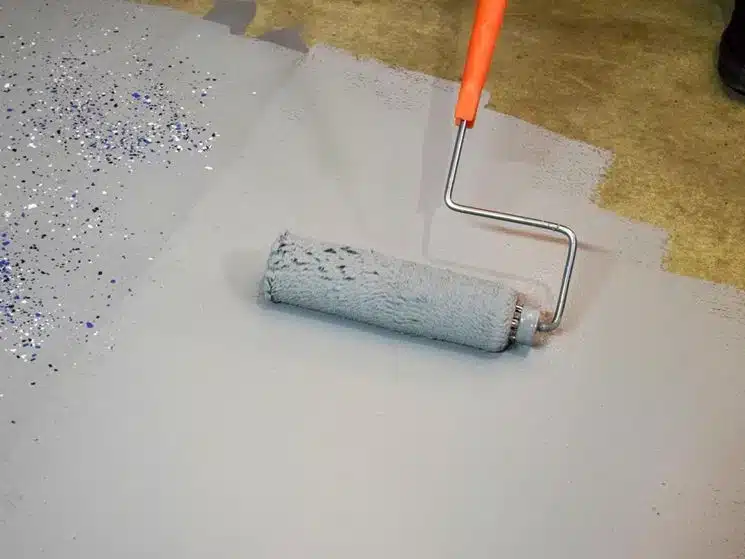
Once primed and dry (typically allowing 24–48 hours for cure), apply the epoxy paint using the right tools. Short-pile rollers work well for larger areas, while a reusable silicone resin brush gives you control for corners and details. Always follow the manufacturer’s directions for mixing and application. Aim for even coats and allow proper drying between layers to maximise durability.
When This Matters: Highest Impact Areas
Applying epoxy paint on tiles or wood is particularly important where durability, moisture resistance, and easy cleaning are crucial—think kitchens, bathrooms, utility rooms, or heavy-traffic corridors. The right preparation gives you confidence your finish will stand up to daily use.

Related products
Related guides
With careful preparation and the correct products, epoxy paint can give tiles and wood a new lease of life. Explore more about application techniques and best practices on our main epoxy paint guide.