 Free shipping on orders over £29,85
  Shipping Tracking!


 Google
 Facebook
← Back to How to use epoxy paint?


Achieving a flawless, bubble-free epoxy finish takes a mix of preparation, environment management, and suitable tools. With the right approach, you can minimise surface imperfections and create professional-grade results for floors, artwork, or furniture projects.
Preparation and Environmental Factors
Before starting, check that the area is clean, dust-free, and well-ventilated. Any trace of moisture or dust can lead to trapped bubbles beneath the surface as the epoxy cures. Ensure surfaces are completely dry and at room temperature. For best results, consider using a dedicated primer like Epoxyprimer to promote even absorption and bonding.

Best Application Practices
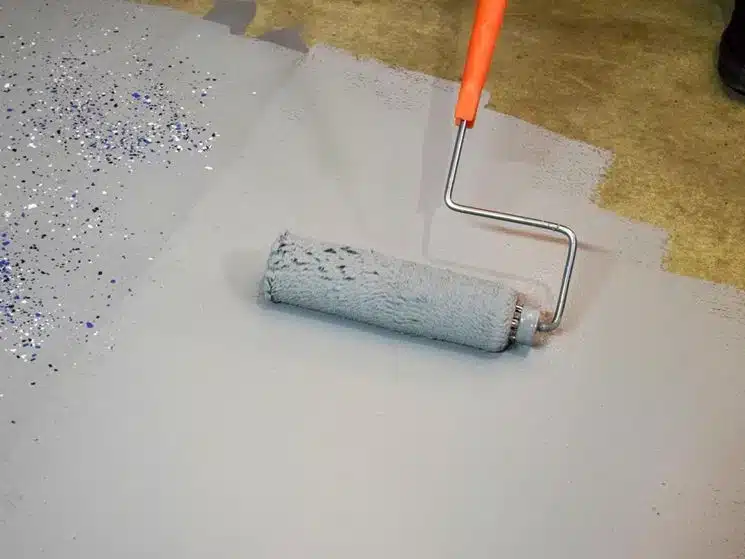
Epoxy should be poured or rolled in thin layers to allow air to escape naturally. Overworking the product, especially with a roller or brush, can introduce excess air and result in bubbles. Use rollers designed for epoxy, such as short-pile or sponge types, and spread the material gently and evenly. If applying by hand for artwork or detail work, a reusable silicone brush allows controlled movement and reduces agitation.
When Bubble Control Matters Most
Bubble-free results are crucial when working on clear finishes or glossy decorative coatings, where clarity and visual depth are important. Even minor air pockets can disrupt the look on resin art, countertops, or high-spec flooring, so extra care taken during mixing and application will always pay off.

Related products
Related guides
Taking the time to create a clean environment, working in careful layers, and using the appropriate tools are key steps toward stunning, professional epoxy finishes. If you’re ready to deepen your epoxy knowledge, explore further tips on the How to use epoxy paint? hub page.