 Free shipping on orders over £29,85
  Shipping Tracking!


 Google
 Facebook
← Back to How to use epoxy paint?


When working with epoxy paint, one step is frequently overlooked by beginners: allowing each layer to cure completely before applying the next. This guide explains why patience pays off and how to ensure long-lasting, professional results.
The Importance of Curing Each Layer
Epoxy paint relies on chemical curing to develop its final strength, adhesion, and durability. If you apply a new layer before the previous one has cured, you risk encapsulating moisture or solvent, which can cause imperfections like bubbling, poor bonding, or premature wear. Proper curing ensures each layer fully bonds to the substrate and the layer below it, resulting in an even, durable finish.
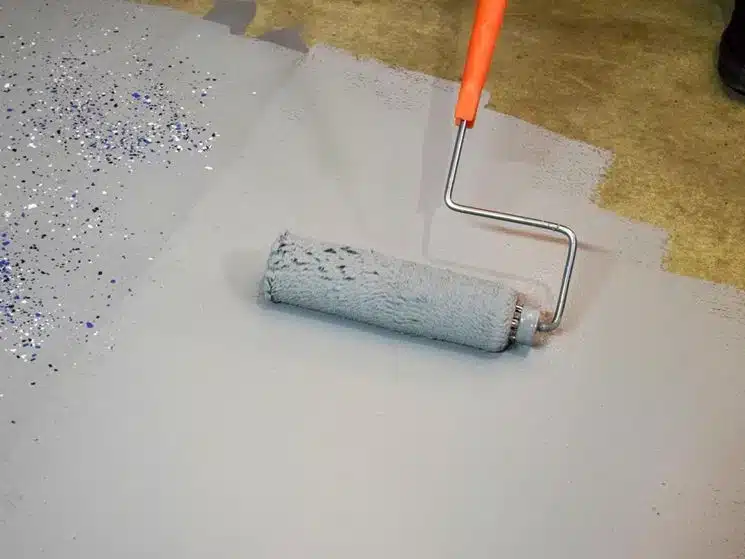

How Long Should You Wait Between Epoxy Paint Layers?
Curing times vary depending on product and temperature, but for primers such as Epoxyprimer, a typical guideline is 24 to 48 hours at room temperature. Always consult the manufacturer’s recommendations for your specific product. Rushing this step may compromise the overall finish and longevity of your floor or surface.
Practical Tips for Layered Epoxy Applications
- Plan for time: Schedule your work in stages to allow proper curing time between coats.
- Check for tackiness: Each layer should be dry and firm to the touch with no stickiness before proceeding.
- Use the right tools: Opt for appropriate rollers to achieve smooth and even coverage on each pass—consider short-pile or large rollers depending on your project’s needs.

When This Matters Most
Layer curing is especially crucial on high-traffic floors, in humid settings, or when working with thicker applications. Skipping curing steps can lead to visible defects, weakened surfaces, and costly repairs down the line.
Related products
Related guides
Allowing each layer to cure fully is key to achieving a resilient, attractive epoxy paint finish. For more epoxy paint application tips and best practices, visit our main guide on how to use epoxy paint.