 Free shipping on orders over £29,85
  Shipping Tracking!


 Google
 Facebook
How to make epoxy resin as transparent as possible?
Master the clearest epoxy resin techniques for flawless results
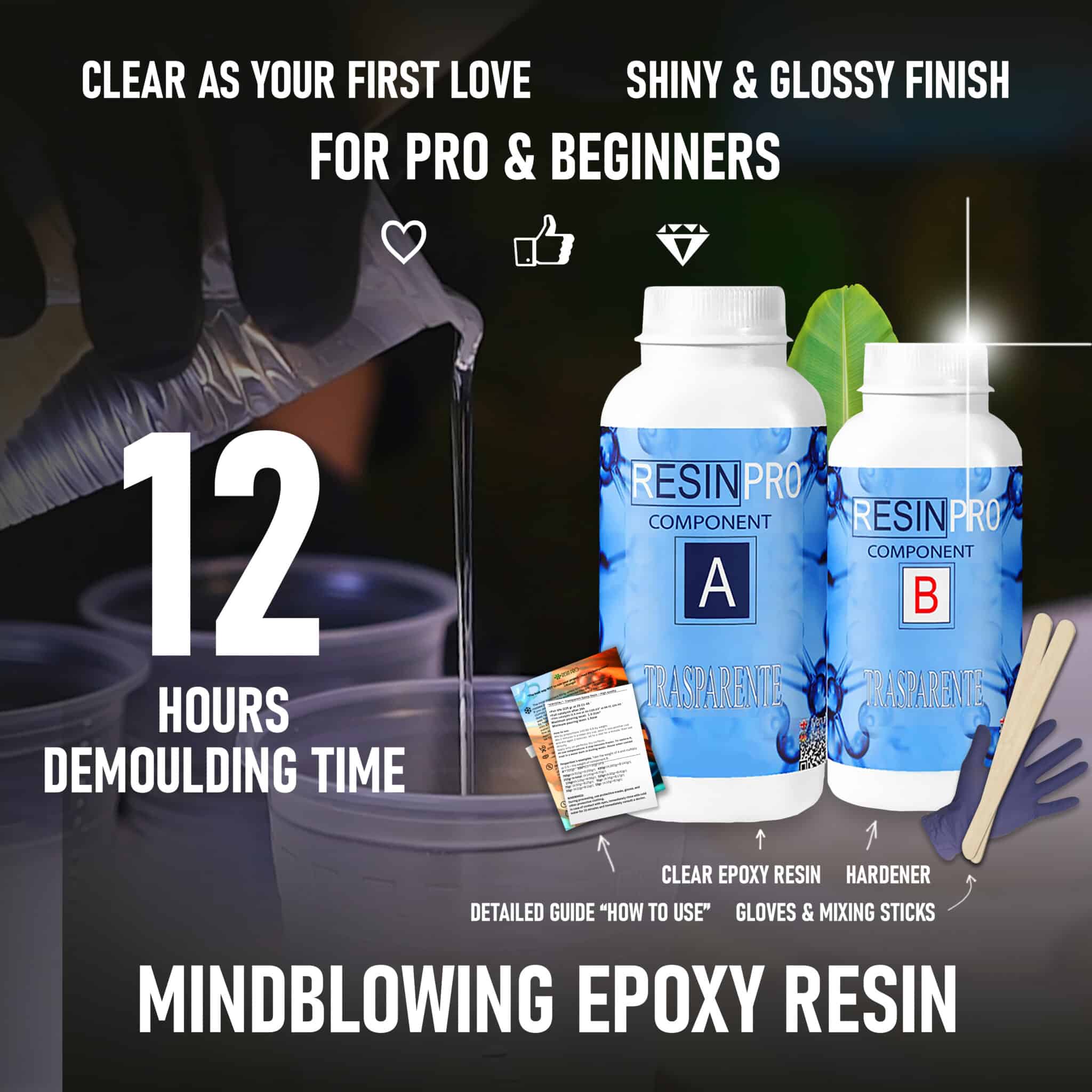

If you want to achieve the ultimate glass-clear effect with your epoxy resin projects, understanding the right techniques is crucial. This guide will show you exactly how to pour, mix, and finish your resin to maximise transparency—eliminating cloudiness and bubbles for stunning results in jewellery, tables, and creative artwork.
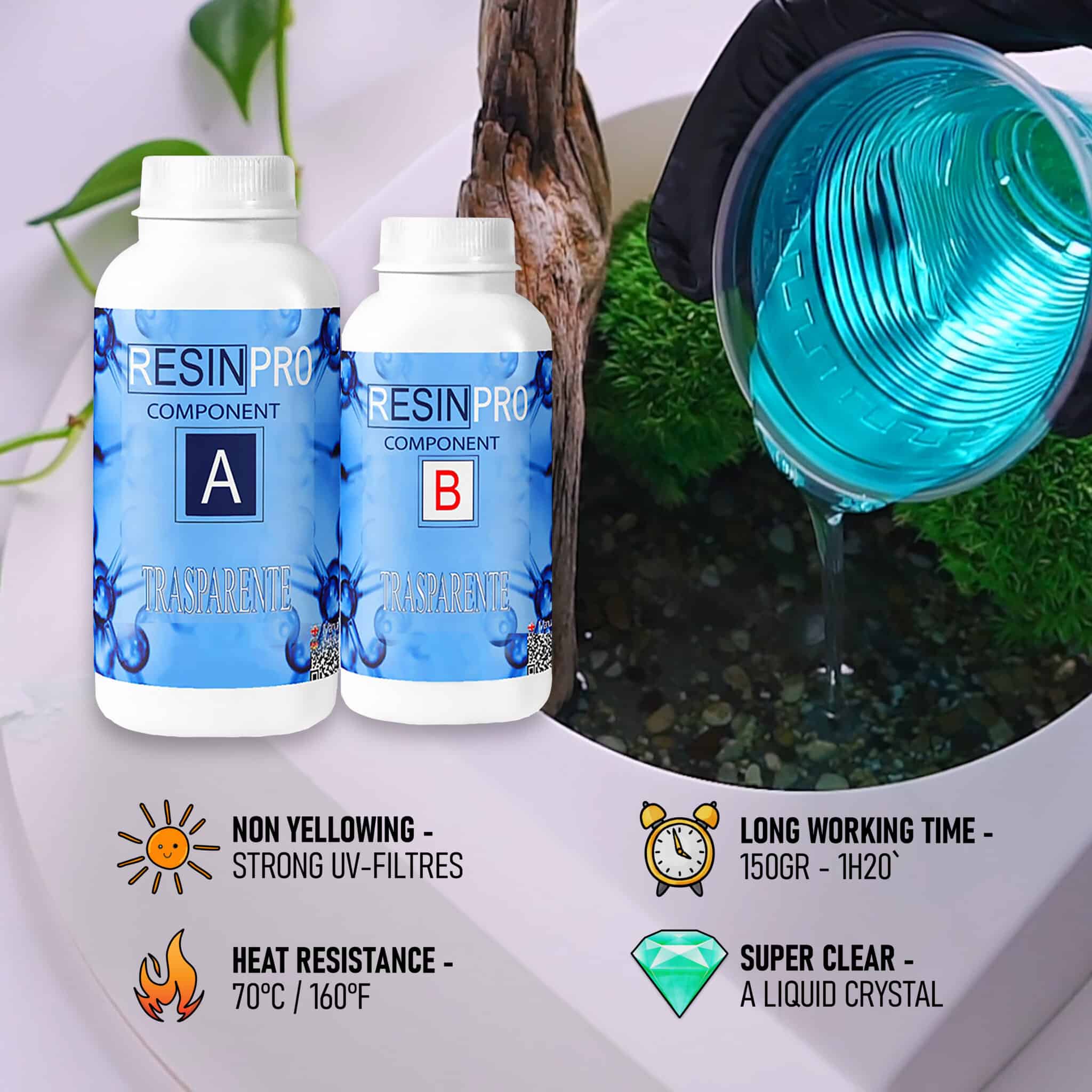
What You’ll Need
- “Trasparente” – Multipurpose Clear Epoxy Resin for Casting – Up to 2cm – ideal for castings where high clarity over small to medium areas is desired
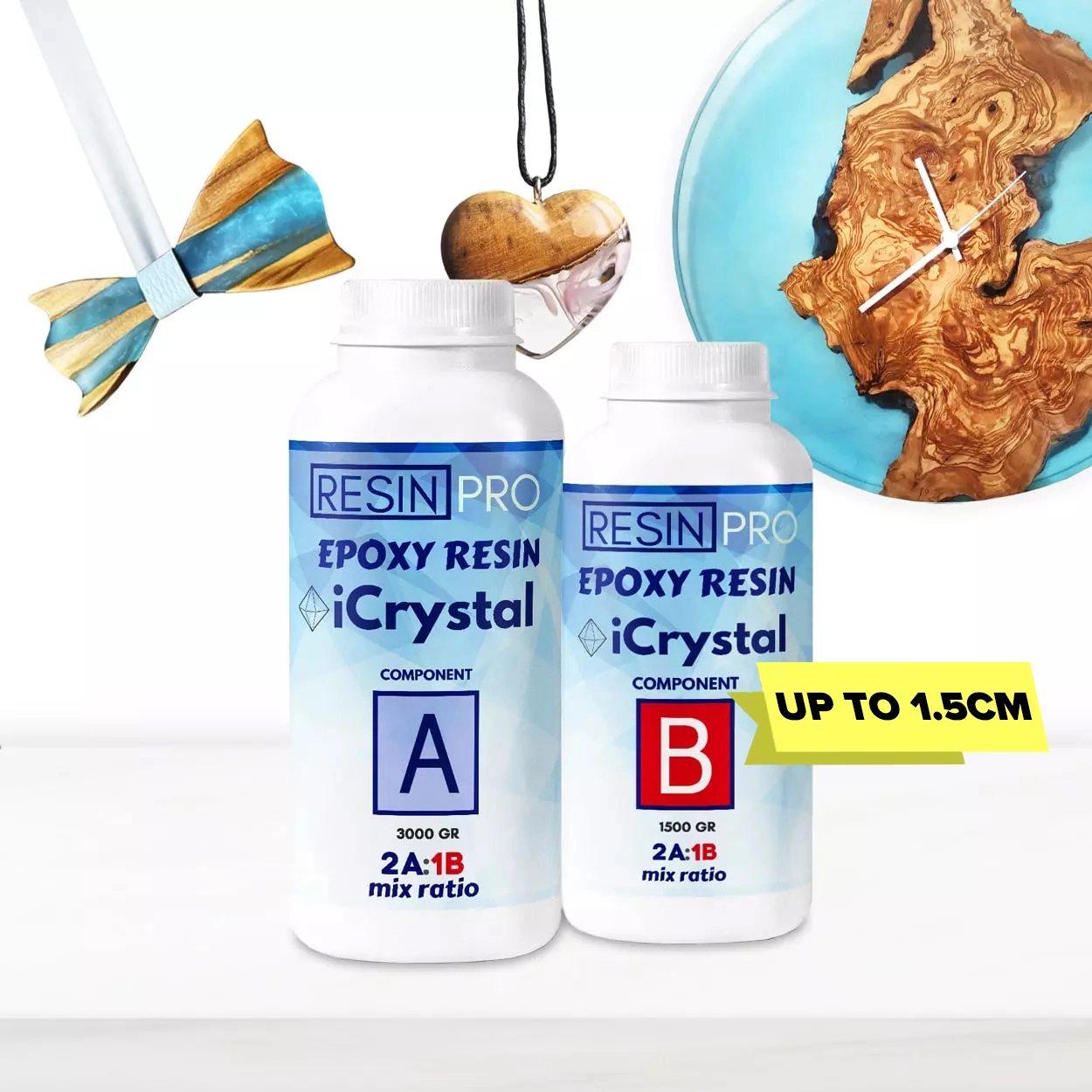
- “Icrystal” – Clear Epoxy Resin – Odourless Formula – Up to 1.5cm – excellent for odour-free work and surface coatings needing a crystal-clear finish
- “Liquidissima” – Epoxy Resin For Creations & Jewellery – especially for detailed pours in jewellery and complex moulded art pieces
- “EpoxyTable 5-Five” – Deep Pour Epoxy Resin for Tables and Large Projects – Up to 5cm – for deep applications like river tables where clarity at depth is vital
- Accurate mixing containers
- Mixing sticks
- Nitrile gloves and safety equipment
- Digital scale for measuring components
- Silicone or polyethylene moulds (if casting)
- Heat gun or torch (to remove bubbles)
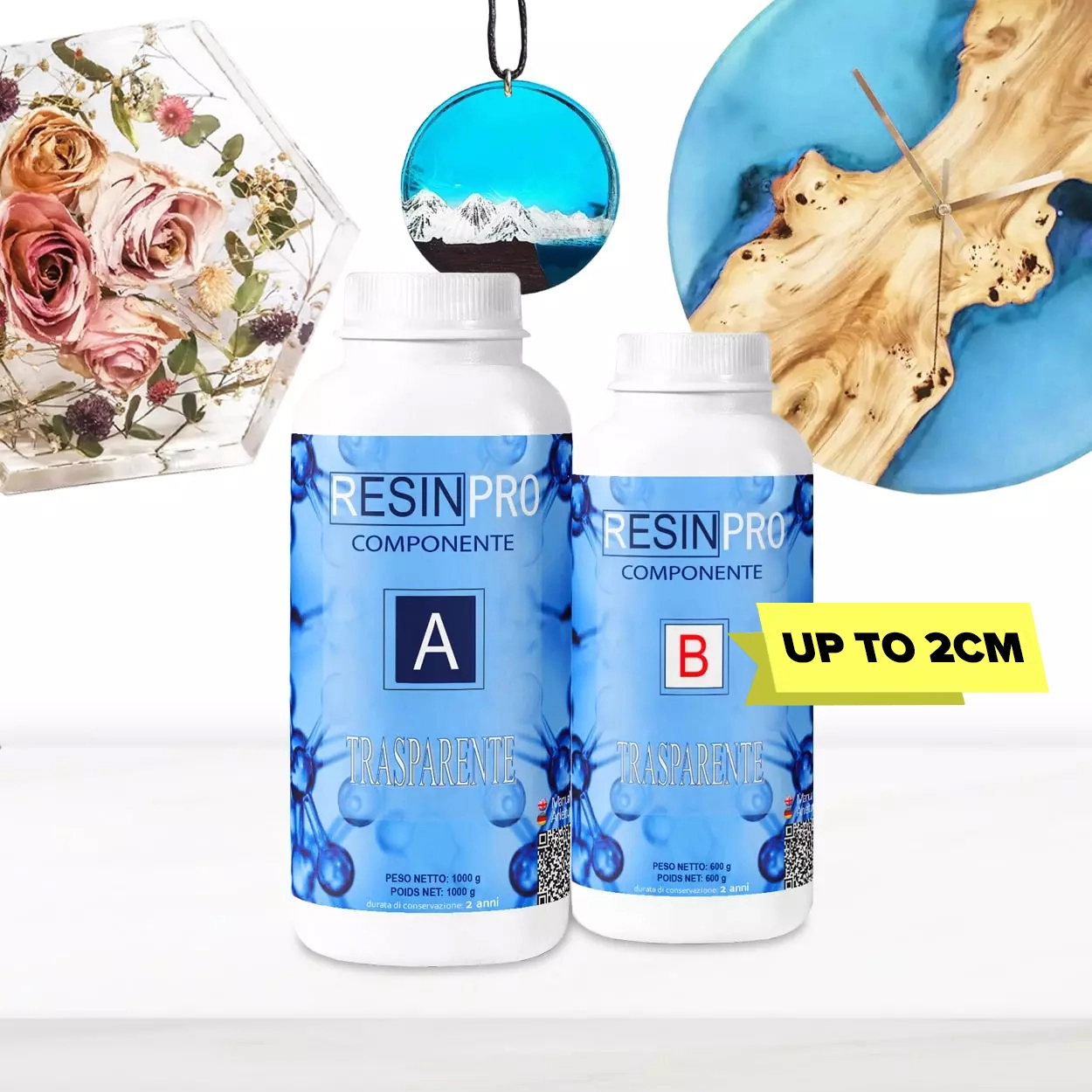
Visual Guide to Mixing and Pouring for Maximum Transparency
See key close-up examples of crystal-clear resin pours, detailed bubble removal, and step-by-step mixing techniques that ensure a flawless finish for jewellery or artwork.
Step 1: Select the Right Resin and Work Environment
Start by choosing a resin designed for maximum transparency and suitable for your project’s thickness. Ensure your workspace is free from dust and at a stable temperature—ideally between 18–25°C. Moisture, cold, or heat can reduce clarity and cause bubbles or cloudiness.
Always store your resin and hardener in closed containers at room temperature before use. Open windows or use gentle ventilation to keep air clear, but avoid drafts which can introduce dust.
For deep or large projects such as tables or thick castings, it’s best to work with a deep pour formula such as “EpoxyTable 5-Five” – Deep Pour Epoxy Resin for Tables and Large Projects – Up to 5cm, which is designed to maintain clarity up to 5cm thickness without overheating or yellowing.

Step 2: Measure and Mix Resin Precisely
Measuring accurately is critical for transparency. Use a digital scale to weigh the resin and hardener according to the product guidelines. Mixing ratios vary by product, so follow your chosen resin’s instructions—too much or too little hardener often leads to a cloudy cure.
Mix slowly and thoroughly, scraping the sides and bottom of your container to avoid unmixed pockets that cause haziness. Stirring gently reduces the risk of introducing excess air, which may create unwanted bubbles.
If you’re working with highly detailed or fine moulds, a low-viscosity formula such as “Liquidissima” – Epoxy Resin For Creations & Jewellery ensures easy flow and minimises air entrapment.
Step 3: Pour Carefully and Manage Bubbles
Before pouring, ensure your moulds or surface are clean and dry. Pour resin slowly and in a thin stream to minimise bubble formation. Tap the sides of your mould or table gently to help trapped bubbles rise.
If bubbles do appear, sweep a heat gun or torch lightly over the surface—never linger in one spot, as overheating may affect clarity or cause surface imperfections. Work in layers if your project exceeds the recommended thickness for your chosen resin.
For surface coatings where odour is a concern, “Icrystal” – Clear Epoxy Resin – Odourless Formula – Up to 1.5cm is ideal and formulated for minimal air bubbles at shallow depths.

Step 4: Cure Slowly and Finish Carefully
Allow your resin to cure undisturbed in a dust-free space. Cover your project to prevent airborne particles from landing on the surface. The slower the cure (within product recommendations), the fewer bubbles become trapped, resulting in better clarity.
Avoid moving or touching the resin while it sets. If your project requires additional layers, lightly sand and clean the surface between pours to preserve a consistent transparent look.
For intricate jewellery or art, products like “Liquidissima” – Epoxy Resin For Creations & Jewellery provide an extended pot life, making multi-part or elaborate projects easier to manage.
Tips, Troubleshooting, and Common Mistakes
Always use fresh, uncontaminated materials, and ensure measuring tools are clean. Temperature or humidity extremes often cause cloudiness—if unsure, perform a small test before your main project.
Never exceed recommended pouring depths for a single layer, as excessive heat and bubbles may form. If clouding or microbubbles appear, gently apply heat or carefully sand and re-coat the affected area. Patience and attention to detail are vital for achieving perfect transparency in every project.

Real-World Results: Clarity in Tables, Art, and Jewellery
Explore finished pieces created using optimal transparency methods. Notice the depth and purity of clear resin in large river tables, intricate jewellery, and coated surfaces.

- "Trasparente" – Multipurpose Clear Epoxy Resin for Casting – Up to 2cmPrice range: £8.95 through £397.95Ultra-clear multipurpose casting epoxy resin for layers up to 2cm, suitable for woodworking, art, and restoration applications.
- "Icrystal" – Clear Epoxy Resin – Odourless Formula – Up to 1.5cmPrice range: £12.45 through £341.45"Icrystal" – Clear Epoxy Resin offers high transparency and is designed for use on tables and surfaces with an odourless formula.
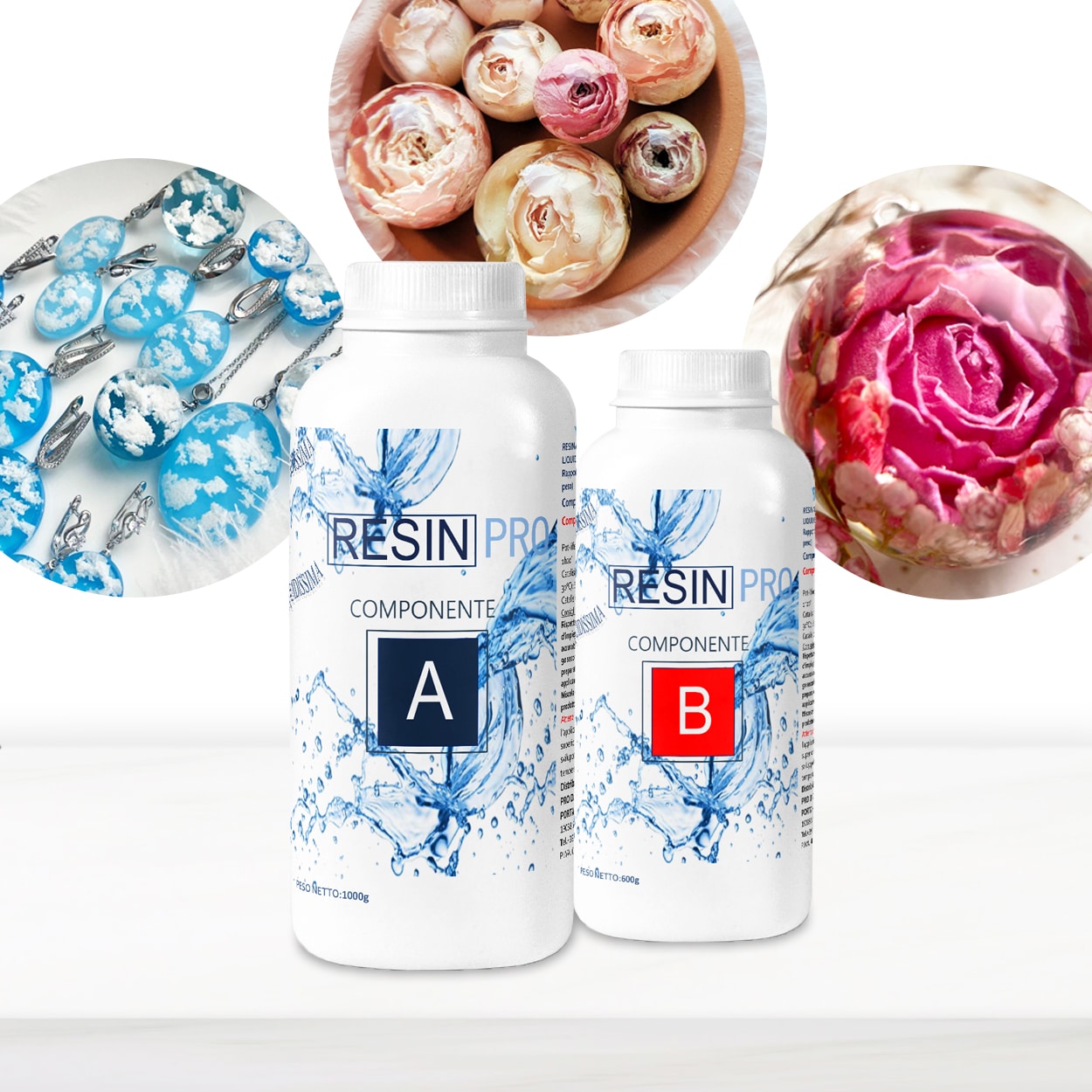 "Liquidissima" – Epoxy Resin For Creations & JewelleryPrice range: £12.85 through £31.85"Liquidissima" epoxy resin offers high transparency and a self-levelling finish, suitable for detailed moulds in craft and jewellery projects.
 "EpoxyTable 5-Five" – Deep Pour Epoxy Resin for Tables and Large Projects – Up to 5cmPrice range: £17.95 through £1,154.95"EpoxyTable 5-Five" is suitable for deep pour projects up to 5cm, featuring low viscosity and strong UV filters for transparent finishes.
Frequently Asked Questions
Why does my epoxy resin remain cloudy?
Cloudiness often results from incorrect mixing ratios, trapped air, or ambient moisture. Mix thoroughly, control environment, and use a heat gun to remove bubbles.
What is the maximum depth for a clear pour?
Each resin has a recommended maximum pour depth. Exceeding this increases risk of yellowing and bubbles—check product guidelines for best clarity.
How can I prevent bubbles when casting clear epoxy?
Mix slowly, pour in a thin stream, and use a heat gun or torch lightly over the surface to eliminate bubbles after pouring.
Which resin is best for transparent jewellery or art?
For fine moulds and maximum clarity, a low-viscosity resin such as Liquidissima is recommended for jewellery and detailed art projects.
How do I prevent epoxy resin from yellowing over time?
Choose a resin with UV filters and avoid prolonged direct sunlight. Proper storage and application reduce yellowing risks significantly.
Can I pour multiple layers for thicker, crystal-clear projects?
Yes, allow sufficient curing between layers and lightly sand the surface to maintain clear adhesion between pours.