 Free shipping on orders over £29,85
  Shipping Tracking!


 Google
 Facebook
How to make a transparent resin floor?
Step-by-step guide to achieving a crystal-clear resin floor finish
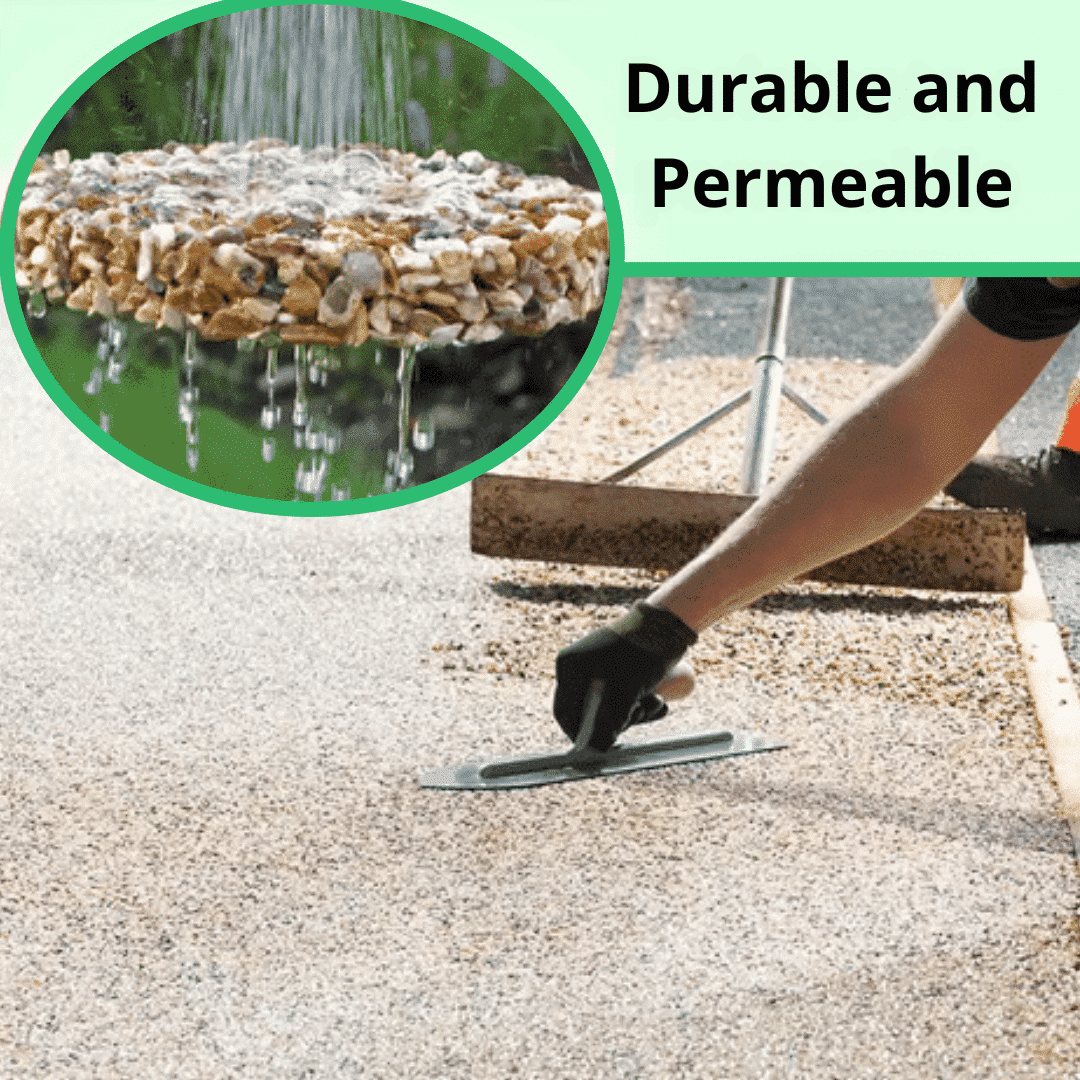
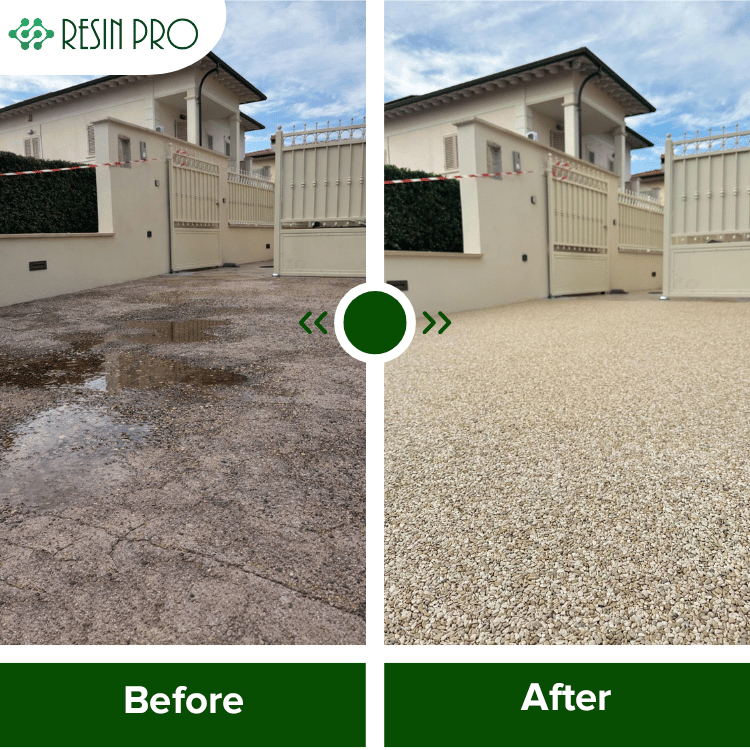
Adding a transparent resin floor is an excellent way to achieve a sleek, modern look and durable finish, whether you are renovating an outdoor patio, driveway, or an indoor space. This comprehensive guide will walk you through the essential steps to create a flawless transparent resin floor, ensuring long-lasting performance and impressive visual clarity, while avoiding ends or dulling from incorrect installation.
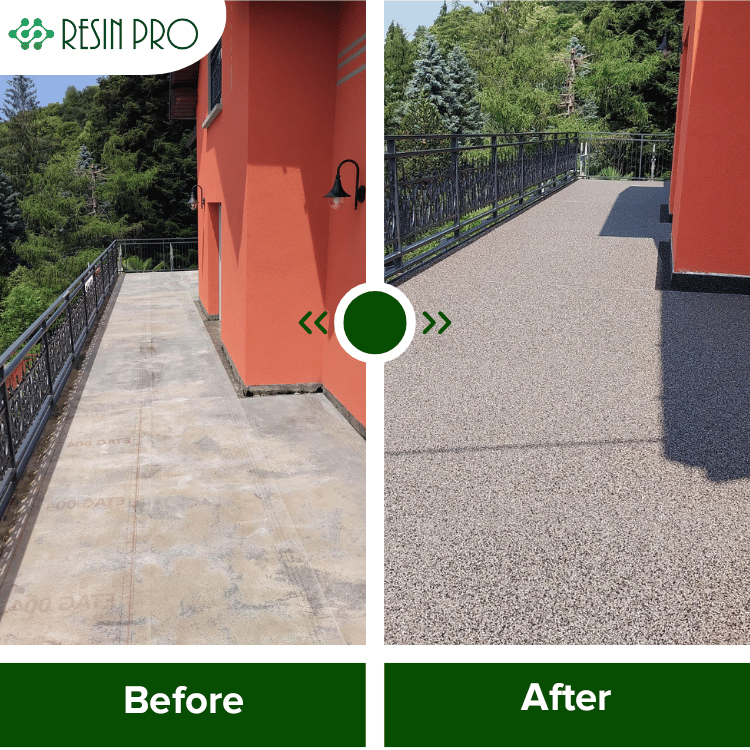
What You’ll Need
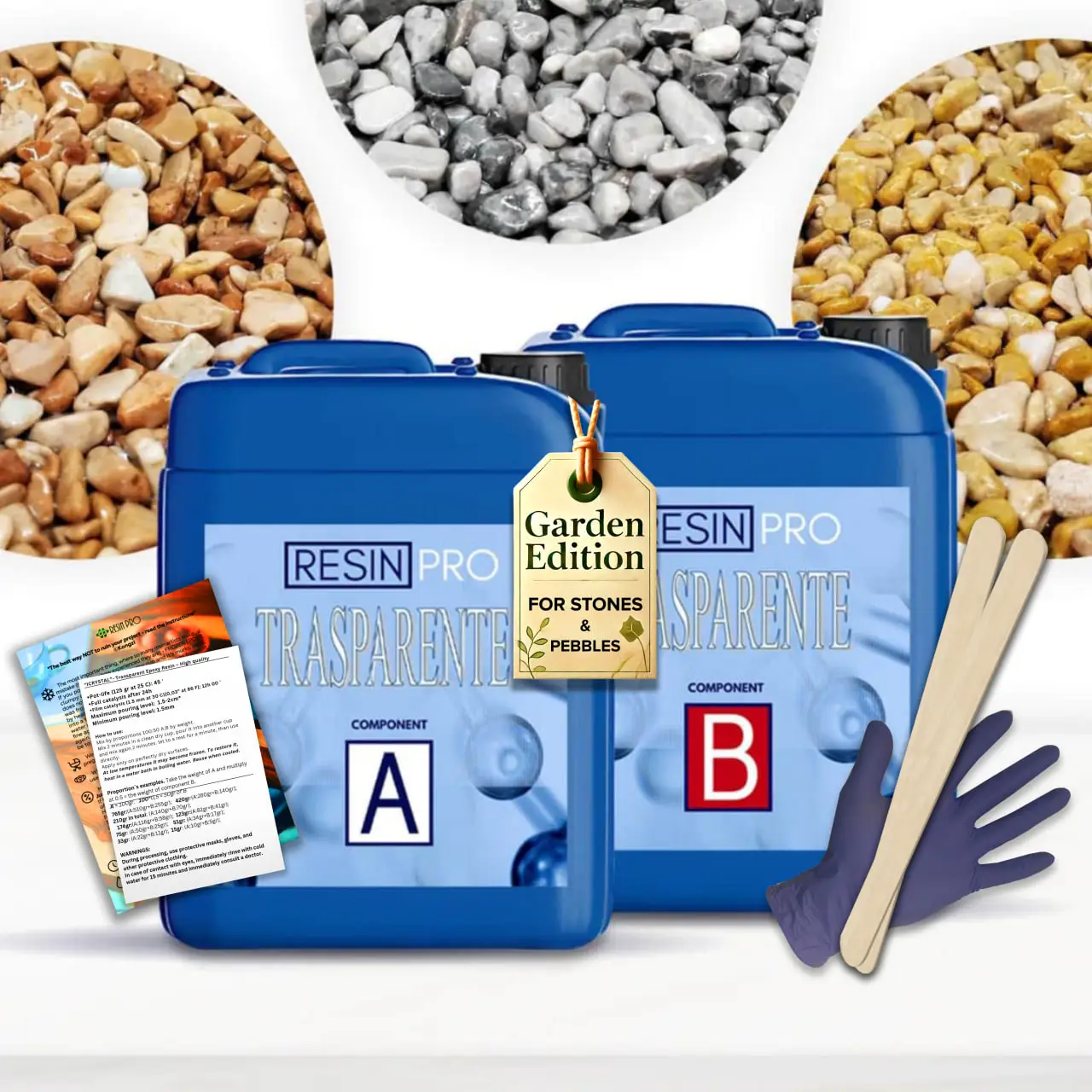
- “Flowstone” – Complete Permeable Floor Kit with Pebbles and Resin – for draining, permeable outdoor floors
- “Trasparente” – Epoxy Binder for Coloured Pebbles and Grits – for mixing with colourful pebbles to maintain transparency
- “Resinstone” – One-Component Methacrylic Resin for Concrete Floors and Driveways – to seal or protect concrete before resin application
- “Trasparente” – Multipurpose Clear Epoxy Resin for Casting – Up to 2cm – for self-levelling, glossy transparent layers
- Mixing paddles or cement mixer (for larger areas)
- Trowels, rollers, or squeegees
- Protective gloves and safety mask
- Clean buckets for mixing
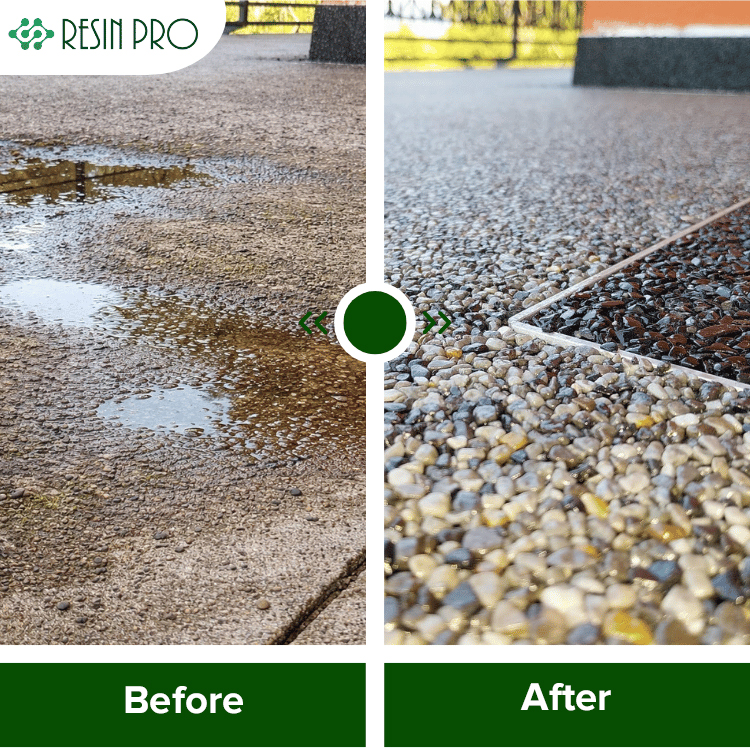
Get Inspired: Transparent Resin Floors in Real Homes
Clear resin flooring delivers a beautiful, light-reflective surface that enhances both modern and traditional settings. Whether in a kitchen, patio, or driveway, the right binder choice ensures lasting transparency and resistance to yellowing. Explore pebble floors solutions for a practical and elegant finish.
Step 1: Clean the Substrate Thoroughly
Begin by preparing the surface where the transparent resin floor will be laid. Remove any dust, debris, grease, or existing loose materials to help the resin bond correctly and prevent imperfections in the clear finish. For outdoor areas or concrete slabs, pressure washing can be helpful. Ensure the sub-base is dry and level; moisture beneath the resin can cause cloudiness or adhesion problems later on.
If your substrate is concrete, consider sealing it with a suitable primer or protective coat, such as “Resinstone” – One-Component Methacrylic Resin for Concrete Floors and Driveways, which both blocks moisture and prepares the surface for resin application.

Step 2: Mix and Apply the Resin Binder
Once your surface is prepared and dry, safely mix your chosen transparent resin binder with the aggregate (if performing a pebble or stone floor), or prepare the resin according to the manufacturer’s instructions. For best long-term visual clarity and colour retention, use a UV-resistant, non-yellowing binder designed for your chosen material. For coloured stones or decorative chipped aggregates, “Trasparente” – Epoxy Binder for Coloured Pebbles and Grits is ideal to preserve vibrancy and prevent yellowing.
Thoroughly combine the resin and aggregates, ensuring every particle is coated. For custom, permeable surfaces, a kit like “Flowstone” – Complete Permeable Floor Kit with Pebbles and Resin offers the correct materials and instructions for outdoor paths and driveways. Mix in batches to maintain working time and avoid premature curing. Always wear gloves and a mask when handling resins to protect your skin and avoid inhaling fumes.
Step 3: Even Out the Surface and Allow to Cure
Spread the resin-aggregate mix onto your prepared surface using a trowel, roller, or squeegee. Aim for the correct layer thickness as recommended for your system (for example, the “Trasparente” – Multipurpose Clear Epoxy Resin for Casting – Up to 2cm is suitable for pours up to 2cm at a time). Work consistently to minimise bubbles or uneven areas. If air bubbles appear, gently pass a spiked roller or use a heat gun briefly to release trapped air.
Once evenly spread, allow the floor to cure fully. Avoid foot traffic or further coatings until the resin has hardened as specified in product instructions – usually between 10 and 24 hours for walkability, and several days for full mechanical strength. Protect the area from dust, insects, or rain as it cures to keep the finish perfectly clear.


Tips, Common Mistakes, and Troubleshooting
Safety First: Transparent resin and hardeners can cause irritation – always wear gloves, eye protection, and ensure the area is well-ventilated. Avoid Trapped Moisture: Never apply resin to damp or humid surfaces, as this can cause whitening or poor adhesion. Check the weather for outdoor projects – apply on dry, mild days.
For seamless clarity, mix gradually and avoid overworking the resin, which can introduce bubbles. Work in manageable sections to prevent a rushed finish. Follow product cure times precisely and keep the area protected from contamination. If you spot imperfections once cured, many systems can be lightly sanded and recoated for improved gloss and clarity.
Expert Insight: Resin Floor Project Success
Paying attention to preparation, timing, and resin choice makes a remarkable difference. Using UV-resistant binders with clean, dry substrates yields pristine, durable results. For professional support, explore the Multipurpose Epoxy Resins range for your next project.
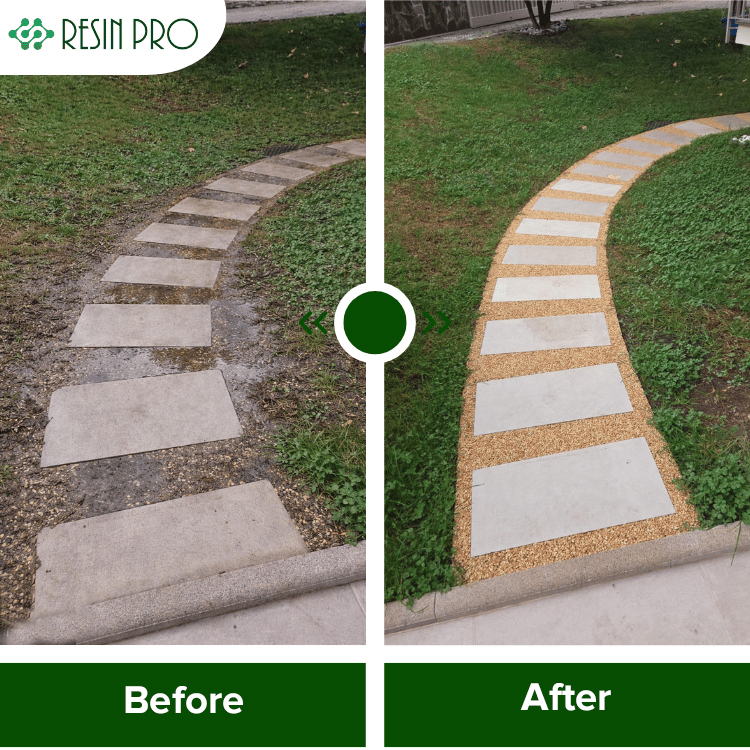
- "Flowstone" – Complete Permeable Floor Kit with Pebbles and ResinPrice range: £49.95 through £3,915.45"Flowstone" kit offers a durable, permeable pebble and resin floor suitable for driveways and patios with simple application in UK conditions.
- "Trasparente" – Epoxy Binder for Coloured Pebbles and GritsPrice range: £33.45 through £397.95"Trasparente" is a clear epoxy binder designed for coloured pebbles and grits, providing a bubble-free finish with UV resistance.
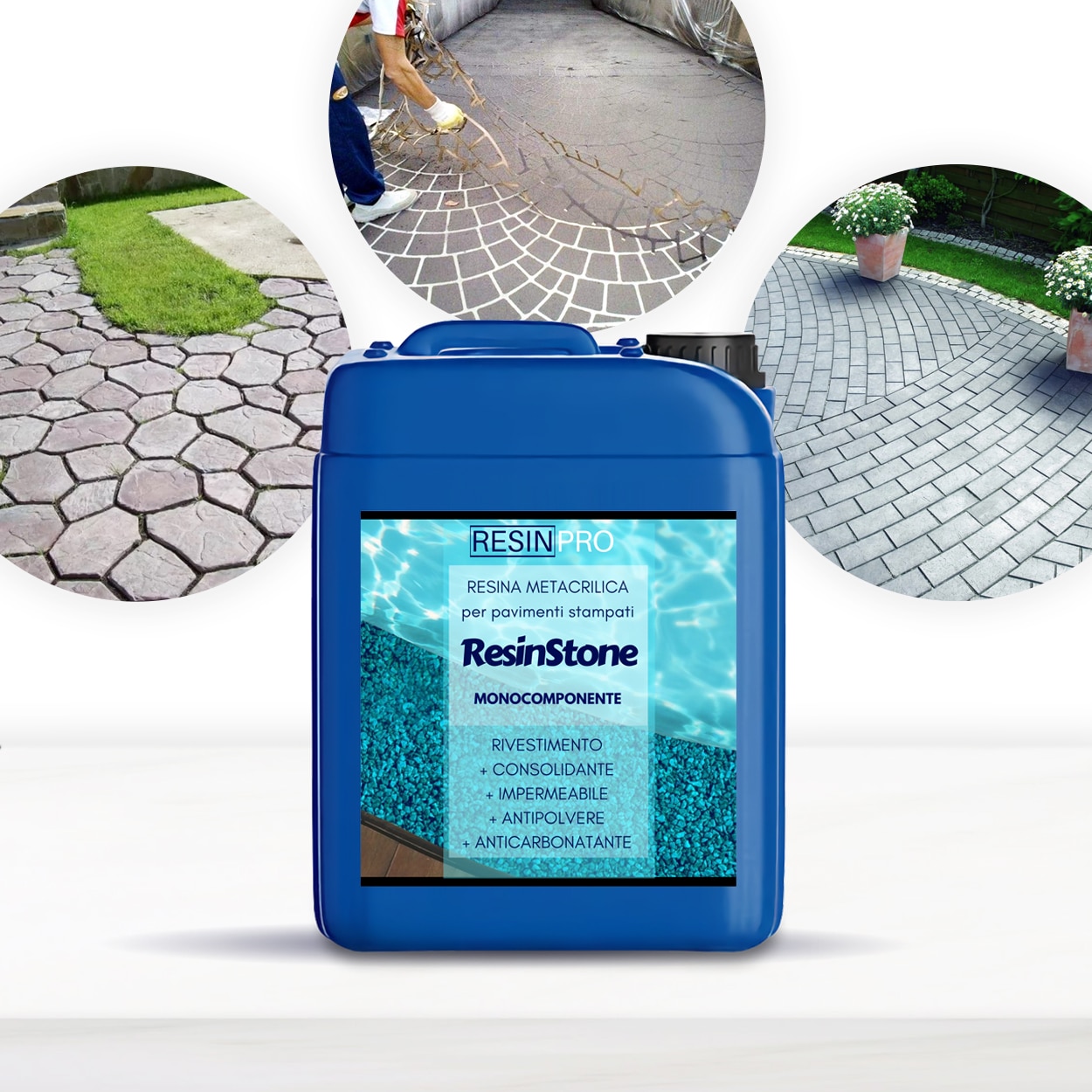 "Resinstone" – One-Component Methacrylic Resin for Concrete Floors and DrivewaysPrice range: £36.71 through £336.48Resinstone is a one-component methacrylic resin designed for sealing and protecting concrete floors with durable, moisture-resistant performance.
 "Trasparente" – Multipurpose Clear Epoxy Resin for Casting – Up to 2cmPrice range: £8.95 through £397.95Ultra-clear resin suited for detailed castings and DIY projects, providing a glossy, self-levelling finish up to 2cm layers.
Frequently Asked Questions
What is the best type of resin for transparent flooring?
Epoxy resins designed for clarity and UV resistance are ideal for transparent floors. Always check product suitability for your surface and project type.
Can I install a resin floor on a damp surface?
No, resin must always be applied to completely dry surfaces. Moisture can cause clouding, poor adhesion, or finish failure.
How soon can I walk on my resin floor after application?
Most resin floors are suitable for light foot traffic after 10–24 hours, but full mechanical strength develops over several days.
Can I make a resin floor myself?
Yes, with the right preparation and tools, creating a transparent resin floor is achievable for DIYers by following step-by-step instructions.
What is a permeable resin floor?
A permeable resin floor uses special binders with aggregates, allowing water to drain through while maintaining a solid, decorative finish.
How can I get a bubble-free transparent resin floor?
Mix resin slowly to reduce air traps, use a spiked roller, and follow manufacturer’s guidelines for pour thickness and curing.
Can transparent resin be used for both indoor and outdoor floors?
Yes, but always select a resin with UV resistance for outdoor applications to prevent yellowing or loss of clarity over time.