 Free shipping on orders over £29,85
  Shipping Tracking!


 Google
 Facebook
How do you work with resin for floors?
Step-by-step guide to achieving durable resin flooring
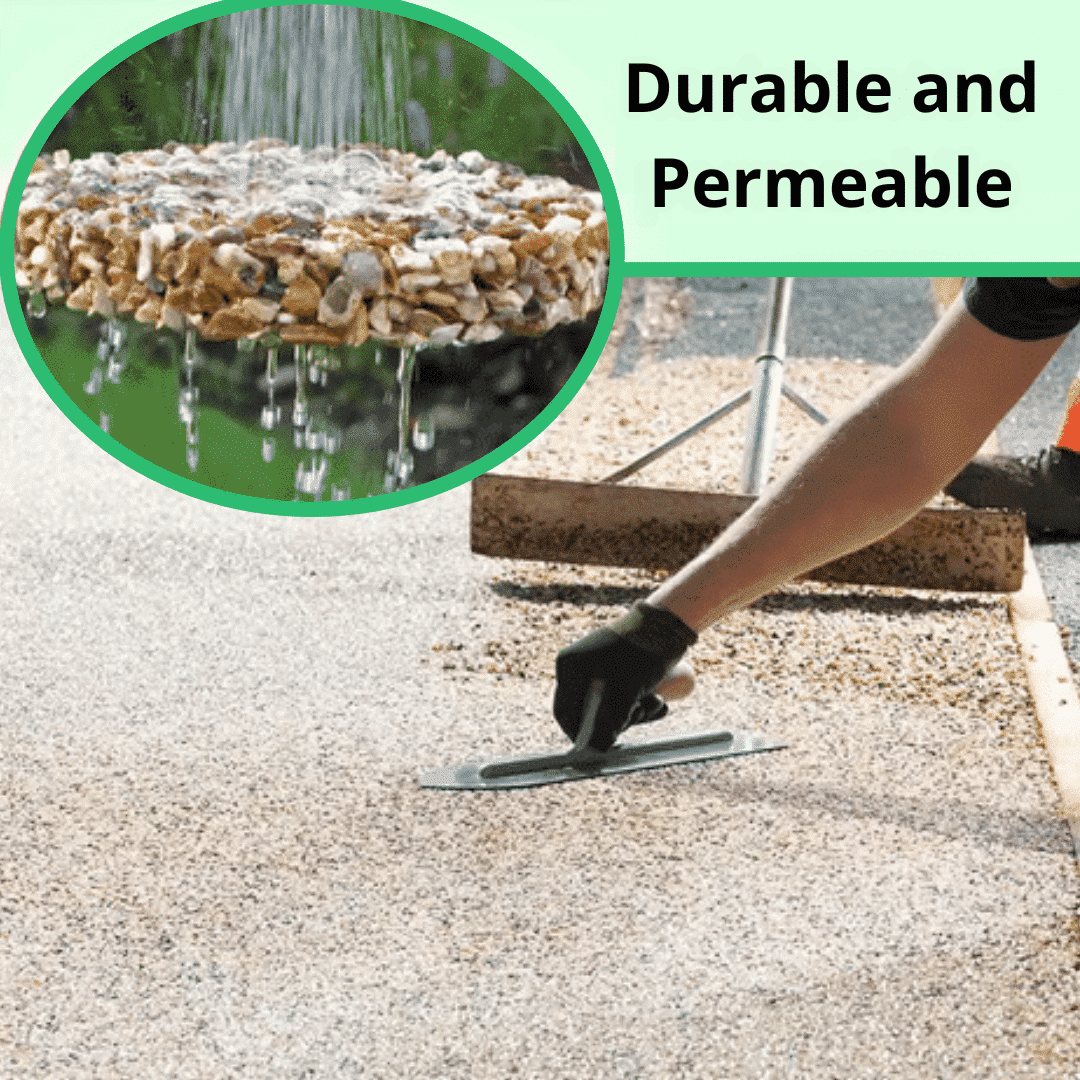
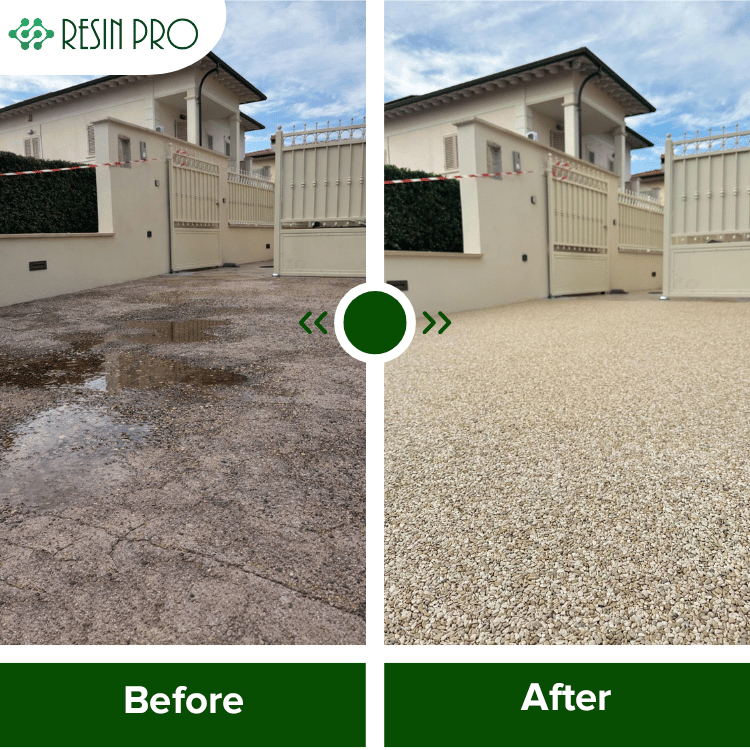
Resin flooring delivers a robust, seamless, and attractive finish, making it a popular choice for driveways, patios, paths, garages, and even interiors. This guide walks you through the essential steps to achieve a successful resin floor, ensuring long-term durability, effective adhesion, and an even surface. Whether you are rejuvenating an old drive or installing a new resin-bound surface, mastering the right technique is key to a flawless result.
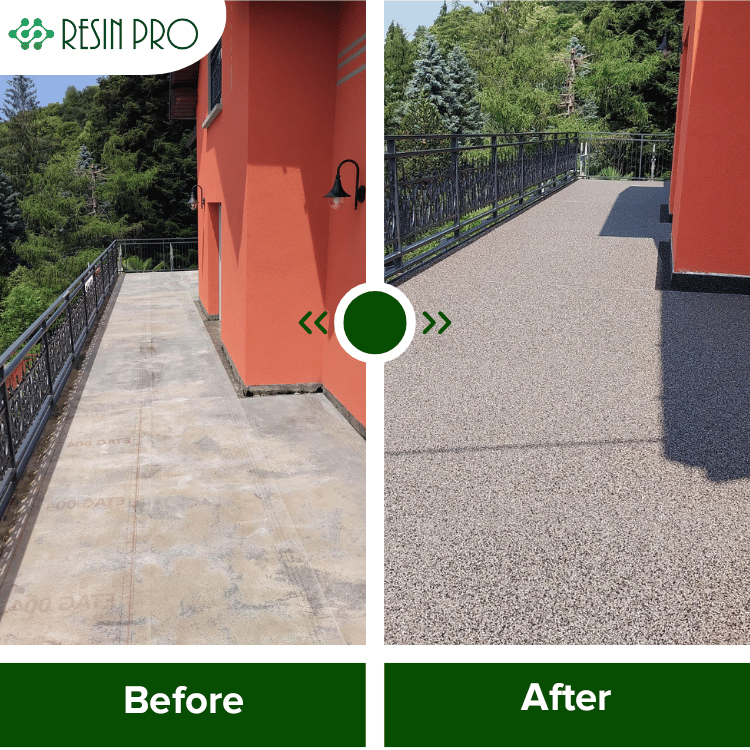
What You’ll Need
- “Flowstone” – Complete Permeable Floor Kit with Pebbles and Resin: For permeable floors and outdoor projects requiring drainage.
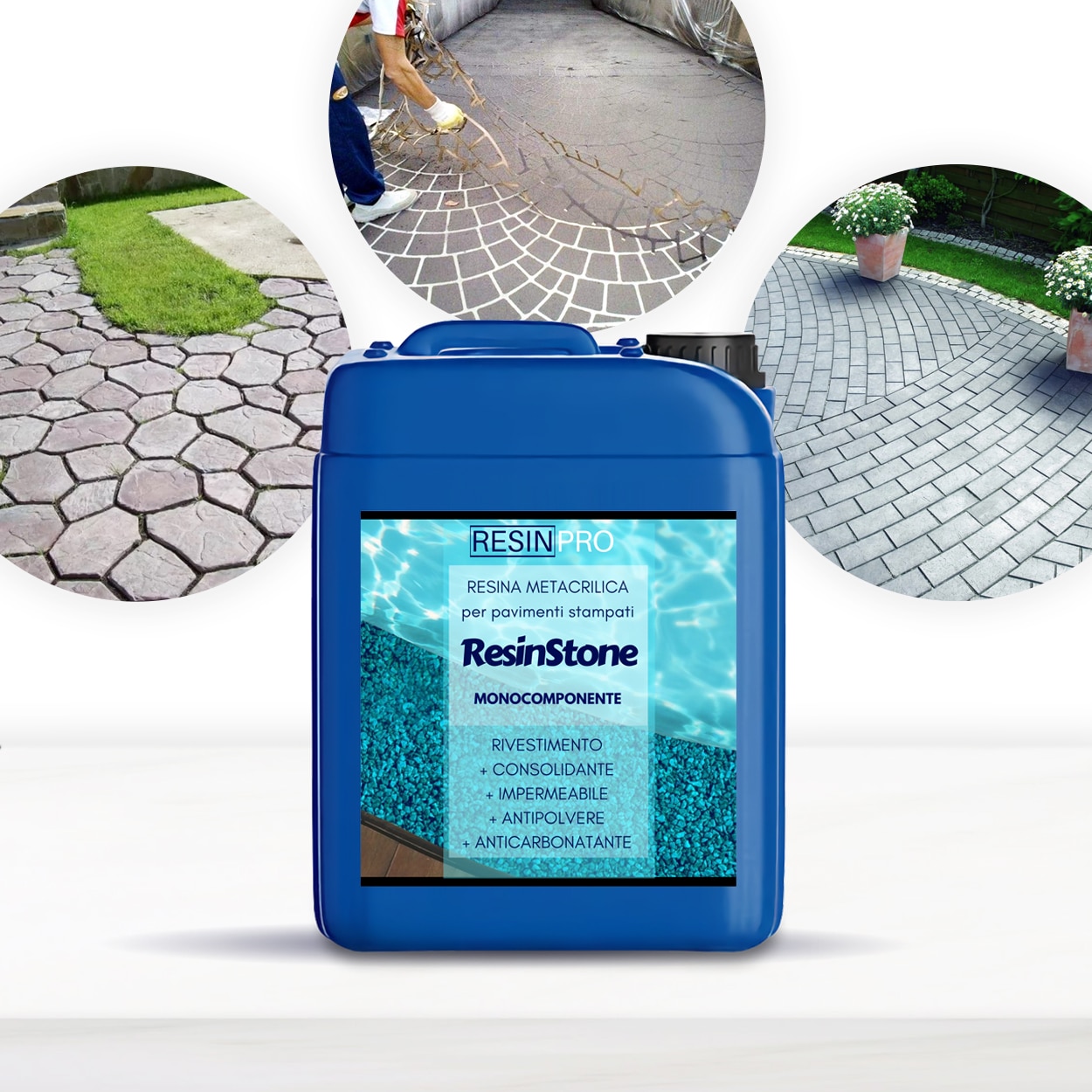
- “Resinstone” – One-Component Methacrylic Resin for Concrete Floors and Driveways: Ideal for sealing and protecting concrete floors and driveways.
- “Trasparente” – Epoxy Binder for Coloured Pebbles and Grits: Use as a binder for coloured or decorative pebbles in resin flooring.
- “Epoxyprimer” – Universal Water-Based Two-Component Epoxy Floor Primer: For priming porous surfaces such as concrete or tiles.
- Protective gloves and safety goggles
- Paddle mixer or cement mixer (for larger projects)
- Trowel, roller or brush
- Cleaning cloths and mild detergent
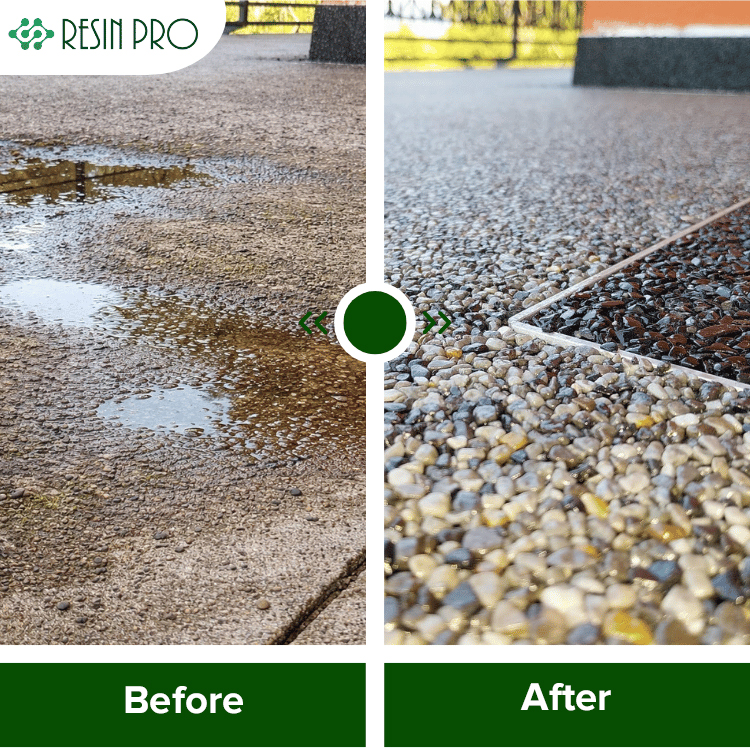
Visual Inspiration: Resin Floors in Action
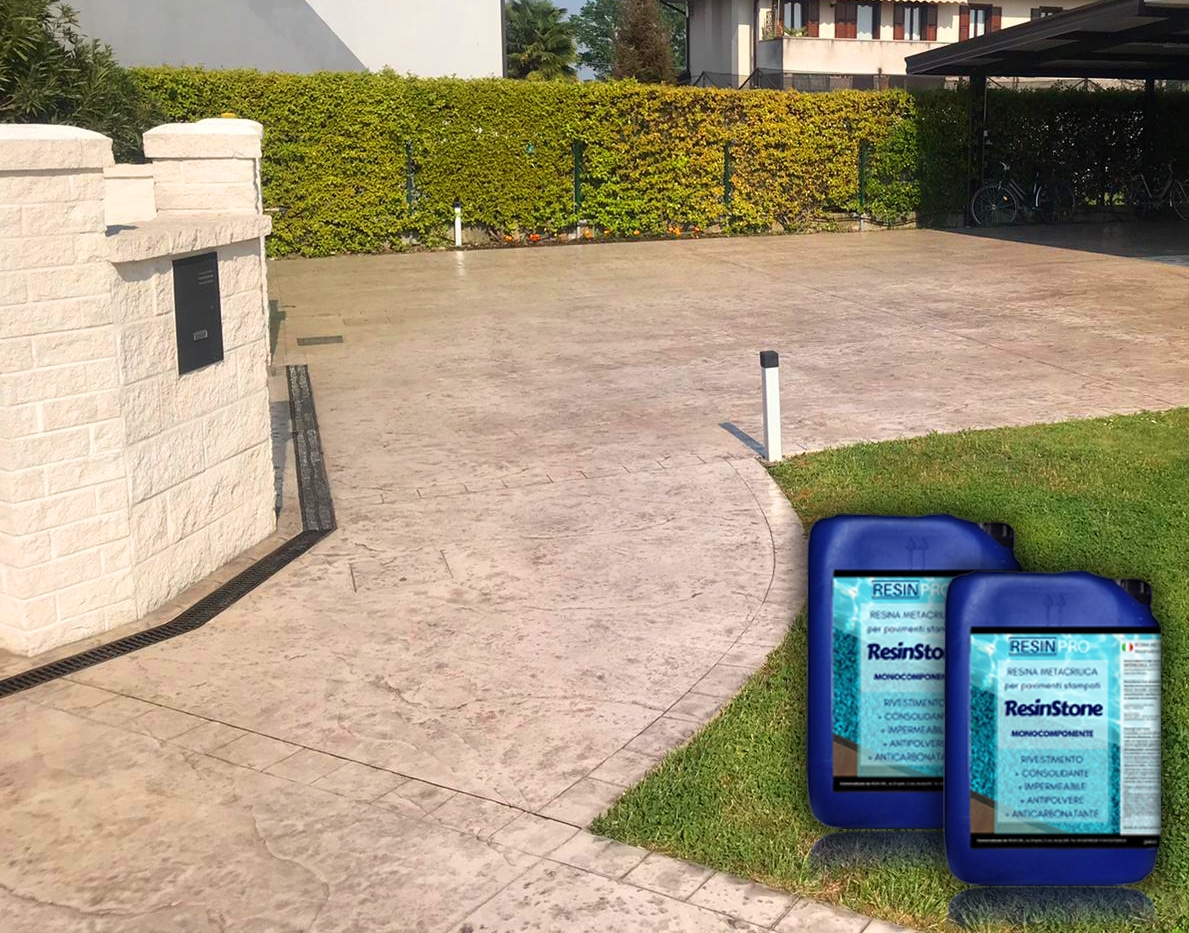
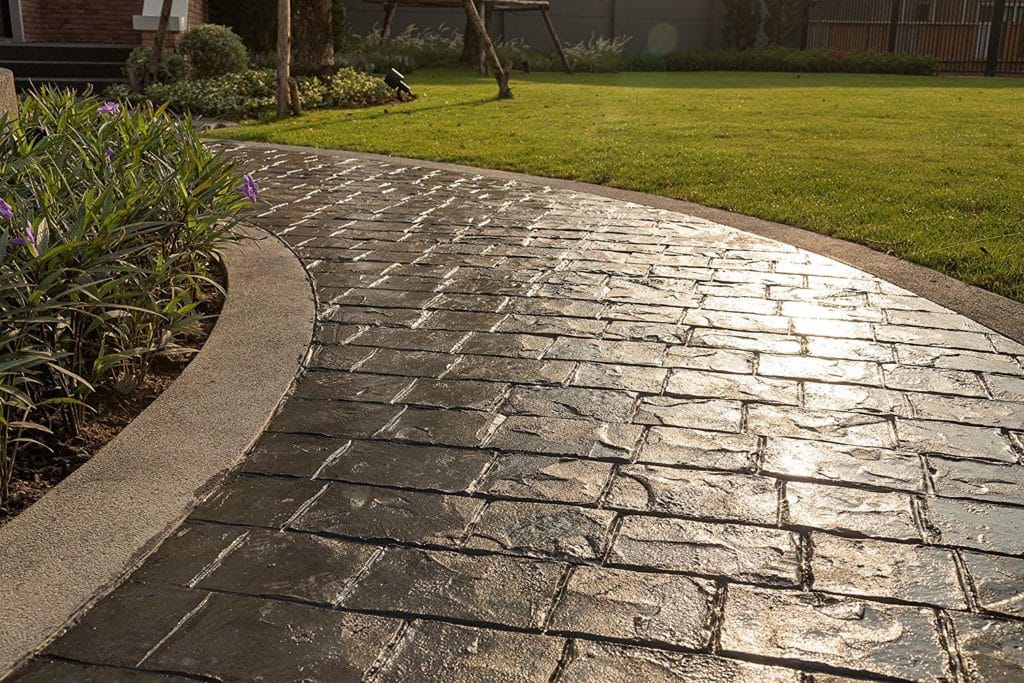
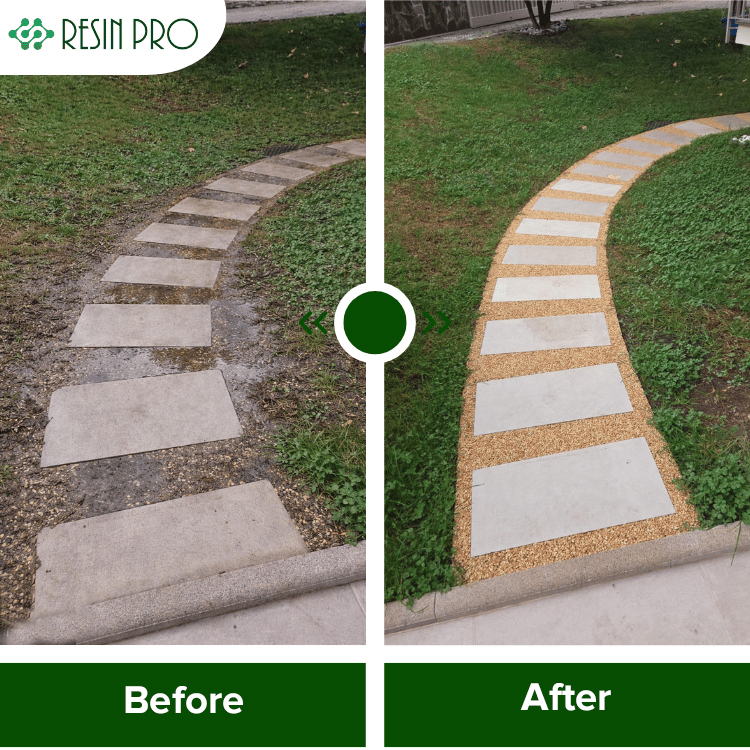
Explore real-life project galleries and close-up images of completed resin-bound driveways, decorative patio surfaces, and seamless garage floors. Notice the difference in finishes you can achieve using the right preparation and product system—from permeable pebble installations to smooth, protected concrete. Find styles and aggregate choices that suit your vision for a durable, aesthetically pleasing resin floor.
Step 1: Prepare the Surface Properly
Thorough surface preparation is essential for optimal adhesion. Remove all debris, dust, loose material, oil, or grease from the area to be treated. Clean the surface with mild detergent and water, then allow it to dry completely. If working with concrete or other porous substrates, patch any holes or cracks and ensure the base is stable and level. For best results on challenging surfaces like tiles, sanding may be required to roughen and help the resin grip.
Any moisture or contamination left behind can cause resin to lift or cure unevenly, so invest time in this stage to lay the groundwork for a strong, lasting floor.

Step 2: Prime Absorbent Surfaces
For installations on concrete, screed, or timber, priming is vital to maximise resin adhesion and prevent patchy curing. Do not skip priming absorbent surfaces if you want long-lasting results. Choose a compatible primer, such as “Epoxyprimer” – Universal Water-Based Two-Component Epoxy Floor Primer, which is suitable for concrete, ceramic tiles, screeds, and timber. Apply evenly using a roller, brush or spatula, following mixing instructions precisely. Allow the primer to cure entirely (usually 24–48 hours) before proceeding with resin application.
Step 3: Mix and Apply the Resin System
When ready for application, carefully mix your selected resin system and any aggregates according to manufacturer’s instructions. Work in manageable sections to ensure consistent curing and finish. For a permeable decorative floor, the “Flowstone” – Complete Permeable Floor Kit with Pebbles and Resin simplifies the process by providing the correct ratio of resin and pebbles. Mixing is best performed in a paddle or cement mixer for smooth distribution.
For decorative finishes featuring coloured aggregates, “Trasparente” – Epoxy Binder for Coloured Pebbles and Grits ensures a clear, UV-stable bond. Never pour resin directly over loose gravel; always mix thoroughly to encapsulate every granule, then spread and compact the mix evenly over the prepared surface to achieve a joint-free, even layer.

Step 4: Allow the Resin to Cure and Finish
After laying, allow sufficient time for the resin and aggregates to cure undisturbed. Refer to product guidelines, but as a general rule, surfaces become walkable after 10–12 hours and suitable for regular use after 24–48 hours. Allow each product to cure properly to attain maximum mechanical resistance and weather protection. Avoid heavy loads or cleaning the surface before full cure is reached.
Should you require an additional protective or sealing layer on concrete, “Resinstone” – One-Component Methacrylic Resin for Concrete Floors and Driveways can be applied as a top coat for increased durability and waterproofing, particularly in garages and driveways.
Tips, Common Mistakes, and Troubleshooting
Pay attention to ambient temperature and humidity during resin application, as extremes can interfere with curing and surface quality. Work in well-ventilated conditions using gloves and goggles for safety. If you notice cloudy patches or bubbles, these typically arise from humidity or trapped air during mixing. Application in excessive cold or rain should be avoided as it may compromise strength and finish.
Use the right amount of aggregate to resin as recommended; overloading stone can cause weak points, while too little may lead to a sticky or brittle surface. Should repairs be needed, clean the affected area thoroughly before reapplying resin to ensure a seamless fix.
Project Highlights and Aftercare Essentials
After your resin floor installation, periodic cleaning using mild detergent and a soft brush will preserve both its safety and appeal. Avoid harsh chemicals, and inspect occasionally for any cracks or lifted areas. If required, future updates or spot repairs can be made easily following the original preparation and application steps. Prioritise proper aftercare to maximise your floor’s lifespan and performance in all seasons.
- "Flowstone" – Complete Permeable Floor Kit with Pebbles and ResinPrice range: £49.95 through £3,915.45The Flowstone kit provides a permeable pebble and resin system for durable outdoor flooring with guidance for resin use and a choice of colours and…
- "Resinstone" – One-Component Methacrylic Resin for Concrete Floors and DrivewaysPrice range: £36.71 through £336.48RESINSTONE is a one-component methacrylic resin designed for sealing and protecting concrete floors and driveways with durable mechanical resistance.
 "Trasparente" – Epoxy Binder for Coloured Pebbles and GritsPrice range: £33.45 through £397.95"Trasparente" is a transparent epoxy binder designed for coloured pebbles and grits, offering clear, UV-stable finishes for flooring projects.
 "Epoxyprimer" – Universal Water-Based Two-Component Epoxy Floor PrimerPrice range: £156.45 through £286.45"Epoxyprimer" is a water-based epoxy floor primer designed for reliable adhesion and durability on diverse surfaces.
Frequently Asked Questions
What types of resin are suitable for different floor types?
Use permeable kits for outdoor paths, methacrylic resin for concrete, and clear epoxy binders for coloured aggregates or decorative finishes.
How long does a resin floor need to cure before use?
Most resin floors are walkable after 10–12 hours, but full strength is typically reached in 24–48 hours depending on the product.
Do I need to prime my floor before applying resin?
For absorbent substrates like concrete, screed, or timber, priming is essential for proper adhesion and a lasting bond.
How do temperature and humidity affect resin application?
High humidity or cold can slow curing and lead to cloudy finishes, so work in suitable, stable weather conditions for best results.
Can I install a resin floor myself?
Yes, with proper preparation and guidance, DIY installation is possible and popular for driveways, patios, and garage floors.
How do I repair small areas of resin floor damage?
Clean the spot thoroughly, ensure it is clean and dry, then reapply appropriate resin or binder for a seamless patch.