 Free shipping on orders over £29,85
  Shipping Tracking!


 Google
 Facebook
How do you coat with resin?
Step-by-step resin coating for crystal clarity and protection


Mastering resin coating opens up a world of creative and practical possibility—from transforming tabletops to giving artworks, coasters, or trays a sleek, glass-like finish. This guide outlines exactly how to achieve professional, long-lasting resin coatings on a range of surfaces, highlighting essential techniques for clarity, durability, and safety.

What You’ll Need
- “Art Pro” – Clear Epoxy Resin for Artists and Surface Coating: Medium viscosity epoxy for transparent, durable coatings with UV protection.
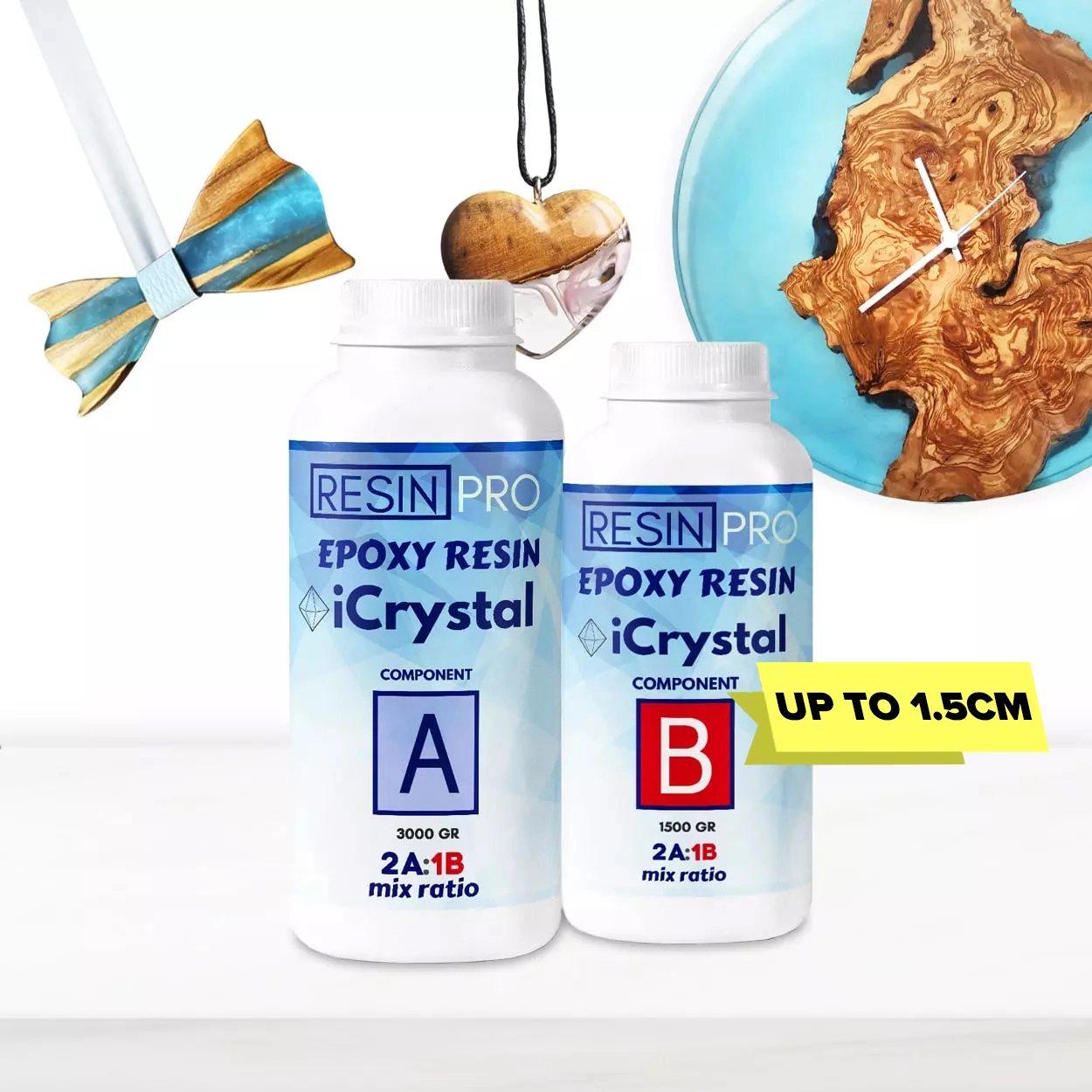
- “Icrystal” – Clear Epoxy Resin – Odourless Formula – Up to 1.5cm: Ideal for woodworking or projects needing a true odourless resin.
- “Trasparente” – Multipurpose Clear Epoxy Resin for Casting – Up to 2cm: For deep or larger coatings requiring multipurpose flexibility.
- “Heat Pro” – Flexible Heat-Resistant Glossy Coating: For surfaces requiring extra heat resistance—like hot coasters and kitchen use.
- Nitrile gloves and protective apron
- Mixing jugs and accurate scales
- Stirring sticks
- Plastic spatula or spreader
- Painter’s tape and drop cloths
- Spirit level (optional, for larger flat surfaces)
- Dust cover or box to protect the curing piece

See the Impact of Resin Coating
Explore actual resin-coated surfaces to understand the depth, clarity, and gloss achievable. Each resin option offers distinct visual effects and protective benefits, ideal for surfaces from artwork to functional objects.
Step 1: Prepare the Work Area and Surface
Start by choosing a well-ventilated, dust-free area where your project can remain undisturbed for 24–48 hours. Protect your workspace with a drop cloth. Ensure your surface is dry, clean, and level; any dust, oil, or moisture will show in the final resin coat. Use painter’s tape to mask off edges and unwanted drips, especially for tabletops or trays. For porous surfaces, consider sealing first with a thin resin coat or compatible primer to avoid bubbles seeping up during the main pour.

Step 2: Measure and Mix the Resin Accurately
Resin has two parts (resin and hardener) that must be weighed out precisely. Always follow the instructions for your chosen resin product—most, such as Art Pro, use a 3:2 mixing ratio, while others like Icrystal need a 2:1 ratio. Use a digital scale for accuracy. Mix the components slowly in a clean container, scraping the sides and bottom, until the mixture is completely homogeneous and streak-free. Mixing too quickly introduces bubbles; too slowly may risk incomplete activation.
Step 3: Pour and Spread the Resin Evenly
Once mixed, pour the resin onto the centre of your surface. Allow it to naturally spread outward, then encourage it to the edges using a plastic spatula or spreader. Self-levelling resins such as Trasparente work especially well for smooth, glossy layers. Aim for a consistent layer, as uneven areas may cure at different rates and cause visual imperfections. If bubbles form, gently pass a heat gun or torch over the surface, keeping it moving to avoid overheating.


Step 4: Allow to Cure and Protect the Surface
Leave the freshly coated project in a dust-free environment. Cover it with a breathable box or container to prevent airborne particles settling on the wet resin. Avoid touching or moving your piece for the full curing time—this ranges from 12–24 hours for Art Pro, up to 24 hours for Heat Pro. Warmer temperatures speed up curing, but excessive heat can create ripples or warp the resin, so maintain a stable, moderate room temperature.
Tips, Common Mistakes and Troubleshooting
Perfect transparency is achieved by carefully mixing and pouring in a clean, controlled setting. High scratch resistance and longevity come from allowing full cure and choosing a resin with the right protective features, such as those with built-in UV protection or heat resistance up to 200°C for hot surfaces. Avoid rushing the mixing or pouring, as this causes bubbles and surface imperfections. Never pour more than the maximum recommended thickness in one application to prevent overheating. If sticky patches remain after curing, insufficient mixing or an incorrect ratio is usually to blame; apply a new thin layer, ensuring accuracy this time. For best results, always follow manufacturer guidance specific to your product.

Before and After: Resin Coating Results
Compare surfaces before and after resin application. Notice how applying the correct resin provides a striking transformation, improving both appearance and durability for lasting value and shine.

- "Art Pro" – Clear Epoxy Resin for Artists and Surface CoatingPrice range: £19.95 through £267.95Art Pro clear epoxy resin is designed for artist coatings with exceptional clarity and UV protection for durable, glass-like surfaces.
- "Icrystal" – Clear Epoxy Resin – Odourless Formula – Up to 1.5cmPrice range: £12.45 through £341.45"Icrystal" Clear Epoxy Resin offers a transparent, odourless formula suitable for coatings up to 1.5cm, within the 'How do you coat with resin?'…
 "Trasparente" – Multipurpose Clear Epoxy Resin for Casting – Up to 2cmPrice range: £8.95 through £397.95Transparent multipurpose epoxy resin for coatings up to 2 cm, providing a clear, glossy, and self-levelling finish for craft and woodworking projects.
 "Heat Pro" – Flexible Heat-Resistant Glossy CoatingPrice range: £26.45 through £185.45Heat Pro is an elastic polyurethane resin designed for epoxy resin projects, providing heat and scratch resistance with a glossy finish.
Frequently Asked Questions
Which resin is best for coating art or tabletops?
For art or tabletops, use an epoxy resin like Art Pro for high gloss and durability, or Heat Pro if extra heat resistance is needed.
Why does my resin remain tacky after curing?
Sticky resin is often caused by incorrect mixing ratios or incomplete blending. Ensure precise measurement and thorough mixing before pouring.
How can I stop bubbles from forming in resin coatings?
Mix slowly to avoid air entrapment, pour in thin layers, and use a heat gun lightly over the surface to remove bubbles.
Is resin suitable for wood, metal, and concrete?
Yes, resin can coat wood, metal, concrete, and more. Surfaces should be clean, dry, and free from dust or oil before application.
How do I ensure a gloss, level resin finish?
Use a self-levelling resin and spread it evenly. Working on a level surface and protecting from dust ensures a smooth, glossy result.
How thick a layer should I pour for coating?
Follow the product guidelines—typically, keep layers up to 1–2 cm maximum per pour to avoid overheating or imperfections.