 Free shipping on orders over £29,85
  Shipping Tracking!


 Google
 Facebook
← Back to How can I check the curing of the resin?

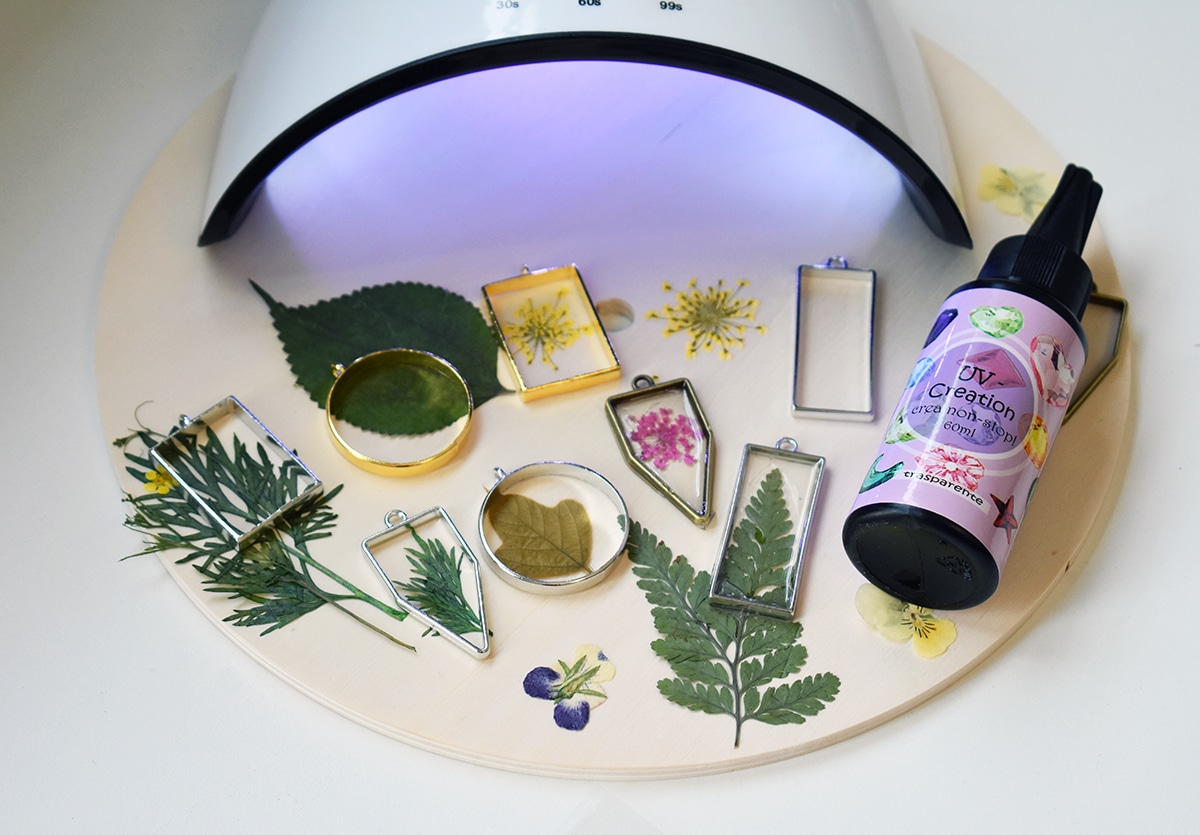
If you want flawless resin results, patience during curing is key. Disturbing resin too soon can lead to imperfections that are difficult to fix.
What Happens if You Disturb Resin Too Early?
Moving or touching resin before it reaches its minimum cure time can cause a variety of issues. The surface may become uneven, sticky, or marred with fingerprints. For poured resin pieces, premature handling can create air bubbles or ruin the clarity, especially in transparent projects like jewellery or coatings.

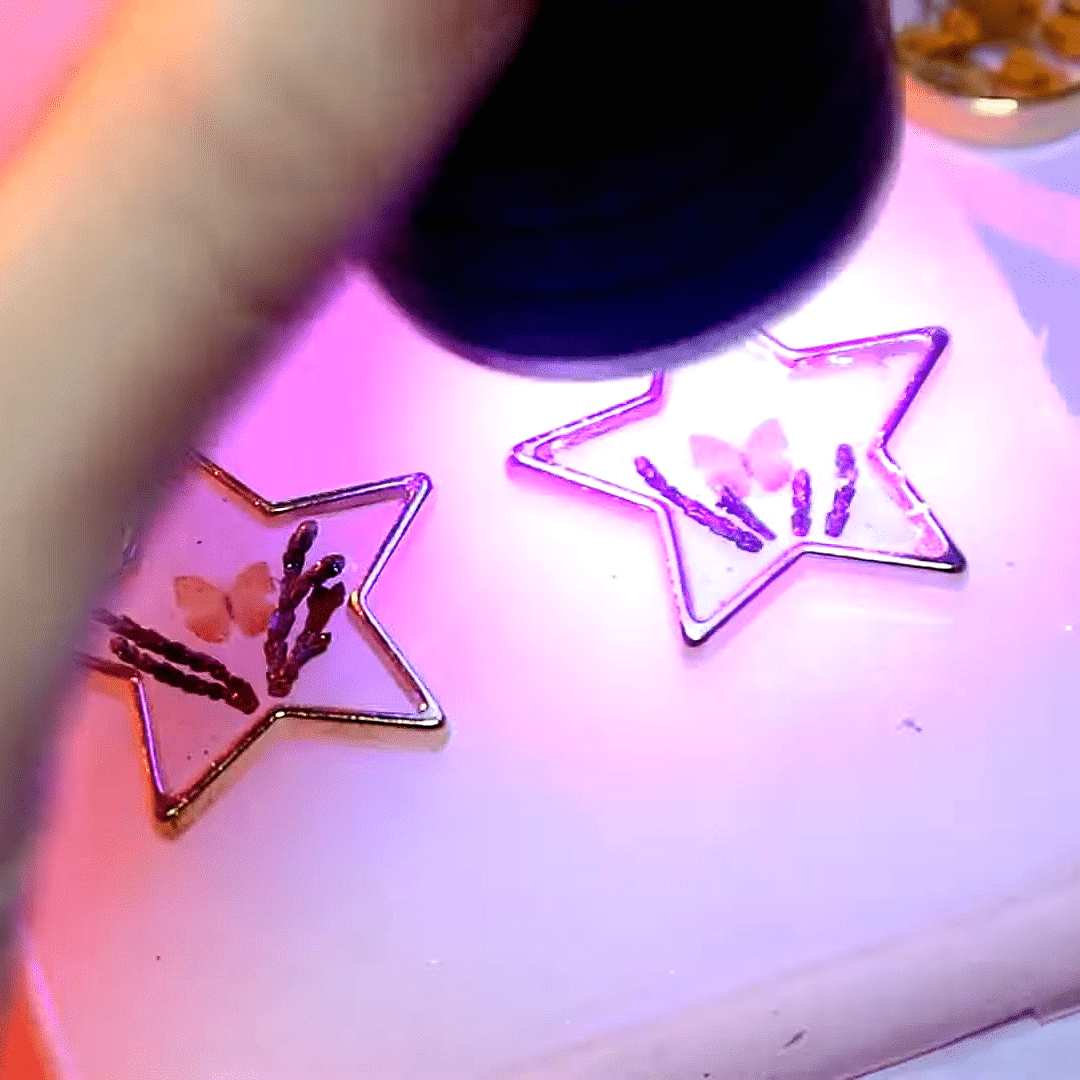
Best Practices for Successful Resin Curing
- Read product instructions: Refer to your resin’s guidelines for precise curing times—these can range from just a few minutes under UV light to several hours for traditional epoxies.
- Leave pieces undisturbed: Avoid moving, bending, or demoulding your project before the recommended time has passed.
- Check non-tackiness: Gently touch an excluded corner with a gloved finger after the minimum period. It should feel solid and not sticky, indicating initial set.
- Plan ahead: Choose fast-curing options like the UV–Creation Fast Acrylic Resin if you need results quickly.
When This Matters Most
Early disturbance is most damaging for crystal-clear projects, surface coatings, or detailed moulds. These applications require a flawless finish that is easily spoiled by movement or dust before full cure.

Related products
Related guides
Allowing resin to cure properly is essential for quality results, whether you’re making jewellery, art, or coatings. For more on getting perfect resin finishes, visit our main guide on how to check the curing of the resin.