 Free shipping on orders over £29,85
  Shipping Tracking!


 Google
 Facebook
How to cover a floor with resin tutorial?
A practical, step-by-step guide for seamless resin flooring
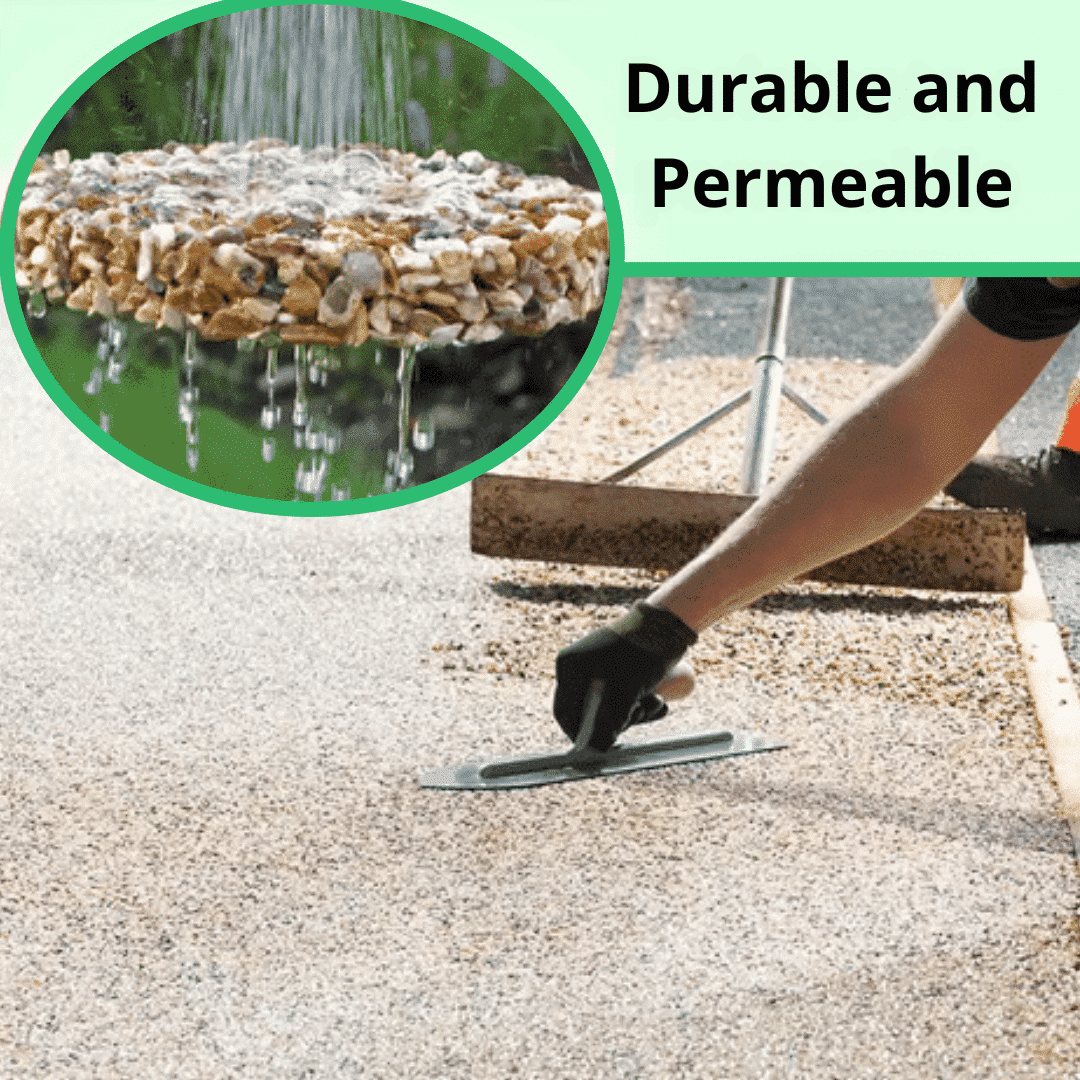
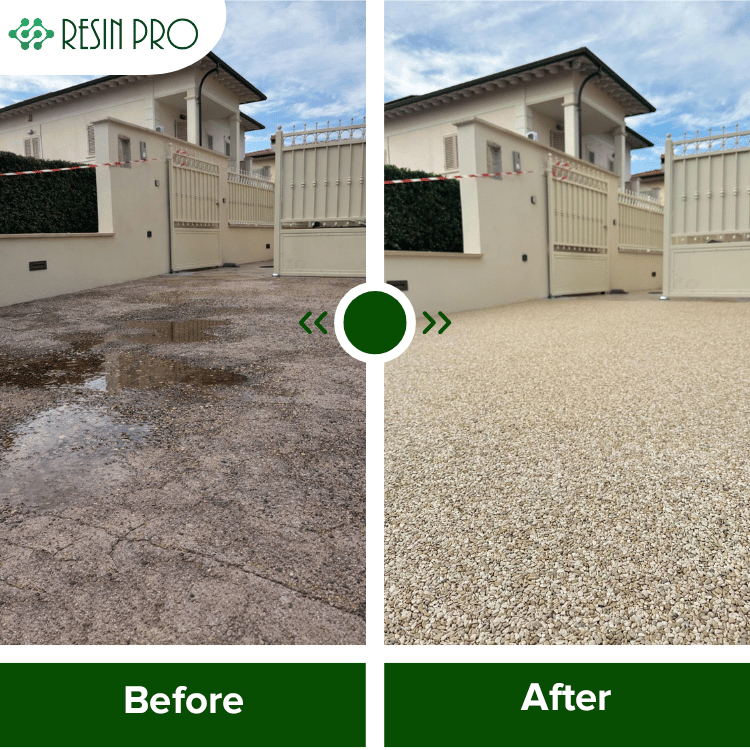
If you’re aiming for a modern, durable and seamless floor, learning how to cover a floor with resin is an excellent choice. Whether you want to revitalise a tired concrete surface, upgrade a garage, or create a decorative pebble path, a resin-coated floor provides water resistance, easy maintenance, and a refined appearance. This tutorial will walk you through all the key steps, highlight essential best practices, and help you avoid the most common pitfalls for a long-lasting result.
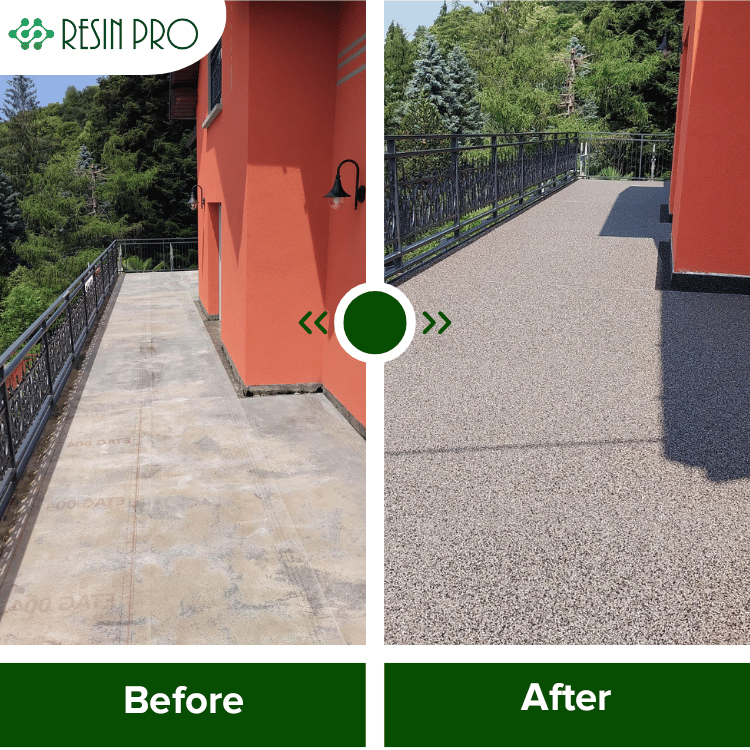
What You’ll Need
- “Epoxyprimer” – Universal Water-Based Two-Component Epoxy Floor Primer: Ensures secure adhesion between the substrate and your resin layer.
- “Trasparente” – Epoxy Binder for Coloured Pebbles and Grits: For binding coloured aggregate or pebble floors in a transparent and UV-stable finish.
- “Flowstone” – Complete Permeable Floor Kit with Pebbles and Resin: For creating permeable, decorative stone finishes outdoors.
- “Resinstone” – One-Component Methacrylic Resin for Concrete Floors and Driveways: Ideal for sealing and protecting concrete or stamped floors.
- Protective gloves, mixing tools, rollers, and trowels for application.
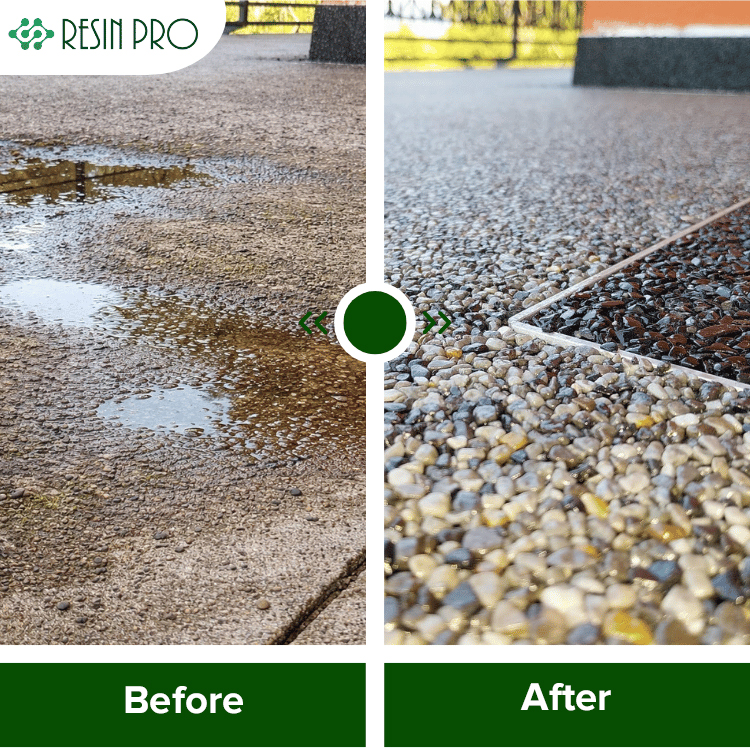
Visualising Resin Floor Projects
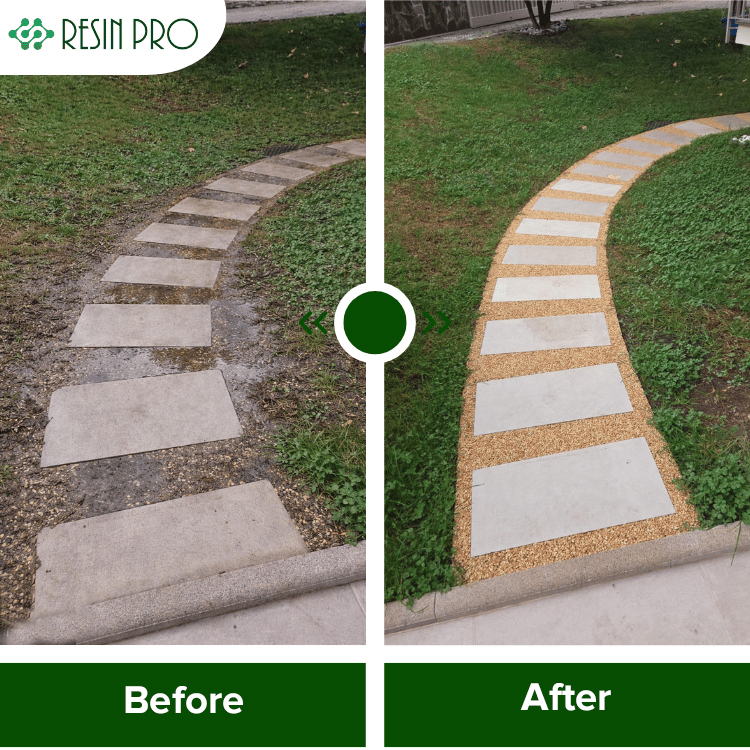
See examples of resin-covered floors in various settings, from modern living rooms and garages to driveways and patios. Each image showcases the seamless finish and versatility achievable with proper surface preparation and product choice.
Step 1: Clean the Base Thoroughly
A proper resin floor begins with a clean, stable surface. Remove all dust, grease, loose paint, or existing coatings using a vacuum, broom, and degreaser if necessary. For concrete or screed surfaces, ensure there is no rising damp, and address any cracks or holes with a suitable filler. Skipping this preparation is one of the most common causes of poor resin adhesion and long-term defects.


Step 2: Prime the Surface for Maximum Adhesion
Priming is crucial to secure the bond between your resin and the substrate. Apply a thin, even coat of a water-based, two-component primer such as Epoxyprimer – Universal Water-Based Two-Component Epoxy Floor Primer using a roller or brush. Carefully follow the manufacturer’s mixing ratio and allow 24–48 hours for full curing. This step prevents bubbling and delamination, especially on porous or absorbent surfaces like concrete, tiles, wood, or screed.
Step 3: Mix and Apply the Resin Layer
Once your primer layer is fully cured, you can proceed with the resin application. For colourful stone carpets or permeable outdoor paths, combine the resin binder with well-washed and dried pebbles—using Trasparente – Epoxy Binder for Coloured Pebbles and Grits for coloured aggregates, or use the complete Flowstone kit if you want a ready-to-use system, especially for driveways, patios, or footpaths. For protecting or sealing a concrete floor, consider Resinstone – One-Component Methacrylic Resin for quick and durable coverage.
Always mix resin components thoroughly and combine with aggregates as specified. Pour or trowel the mixed resin (with or without stones) over the primed area, spreading evenly with a trowel, roller, or spatula. Work methodically in manageable sections to maintain a wet edge for a seamless look. Keep room temperature between 10–30°C and avoid high humidity for best curing results.


Step 4: Allow Sufficient Curing Time
After application, let your resin floor cure undisturbed for the recommended period—typically 12 to 48 hours, depending on product and ambient conditions. Avoid foot traffic until the floor is dry to the touch and follow any additional aftercare guidance. Premature exposure can compromise mechanical performance and reduce the lifespan of your new resin surface.
Tips and Common Mistakes to Avoid
Avoid applying resin over damp or dirty substrates, as this can lead to bubbling and adhesion problems. Always measure and mix resins precisely—incorrect ratios or poor mixing can cause tackiness and uneven finish. Take care to follow environmental guidelines regarding ventilation and protection, especially with indoor floors. Lastly, resist the temptation to re-coat too soon, as each layer requires proper curing to guarantee a flawless, resilient result.

Detail Gallery: Application and Results
Take a closer look at key application stages—priming, mixing, trowelling, and curing—plus close-ups of finished pebble resin flooring and sealed concrete. These visuals will help guide your own floor transformation at every step.
- "Flowstone" – Complete Permeable Floor Kit with Pebbles and ResinPrice range: £49.95 through £3,915.45"Flowstone" provides a durable, permeable pebble and resin floor kit suitable for outdoor areas, including driveways and patios in the UK.
- "Trasparente" – Epoxy Binder for Coloured Pebbles and GritsPrice range: £33.45 through £397.95"Trasparente" offers a clear, UV-resistant epoxy binder for coloured pebbles, suitable for decorative flooring and permeable surfaces.
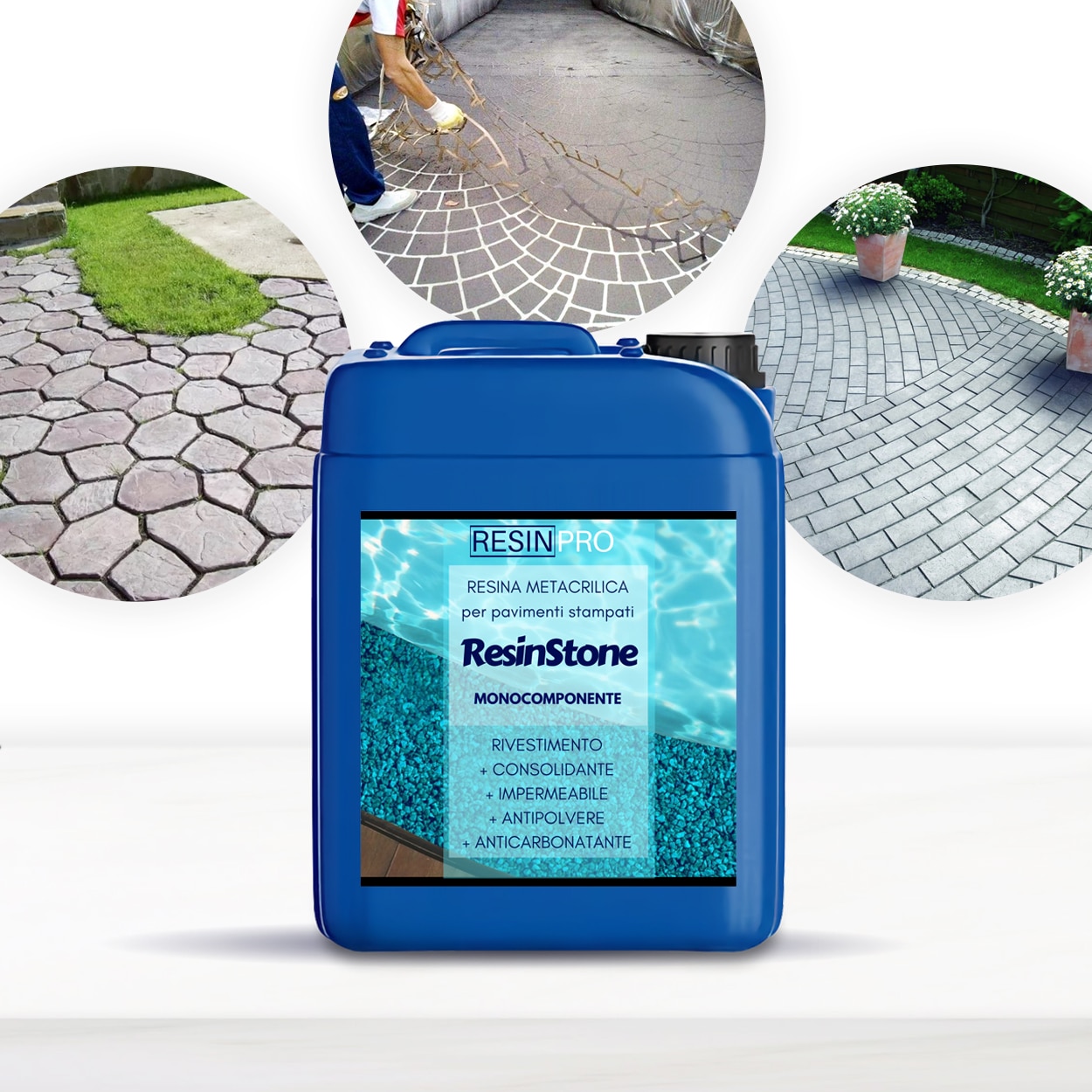 "Resinstone" – One-Component Methacrylic Resin for Concrete Floors and DrivewaysPrice range: £36.71 through £336.48RESINSTONE is a one-component methacrylic resin designed for sealing and protecting concrete floors and driveways with durable, breathable coverage.
 "Epoxyprimer" – Universal Water-Based Two-Component Epoxy Floor PrimerPrice range: £156.45 through £286.45Epoxyprimer is a water-based two-component epoxy floor primer designed for reliable adhesion on various surfaces.
Frequently Asked Questions
How do I prepare a floor for resin?
Clean thoroughly, remove grease and loose debris, repair cracks, and ensure the substrate is dry before starting resin application.
How long does resin take to dry on floors?
Most resins dry to the touch within 12–24 hours, but full mechanical strength is reached after 48 hours or as specified on the product.
Is a primer necessary before resin flooring?
Yes, priming improves adhesion, prevents bubbles, and helps create a uniform, long-lasting finish on most surfaces.
Can resin be applied over old tiles or concrete?
Yes, as long as the surface is stable, clean, and properly primed before resin application.
Are resin floors waterproof?
Epoxy and methacrylic resin floors are water-resistant and help prevent moisture ingress when fully cured and correctly installed.
Where can resin flooring be used?
Resin floors suit garages, living spaces, workshops, patios, footpaths, driveways, and wet rooms, depending on the system used.
What if I make a mistake during resin application?
Small defects can often be sanded and recoated after curing. Major issues may require removal and reapplication of the affected area.