 Free shipping on orders over £29,85
  Shipping Tracking!


 Google
 Facebook
← Back to What are resin floors like?

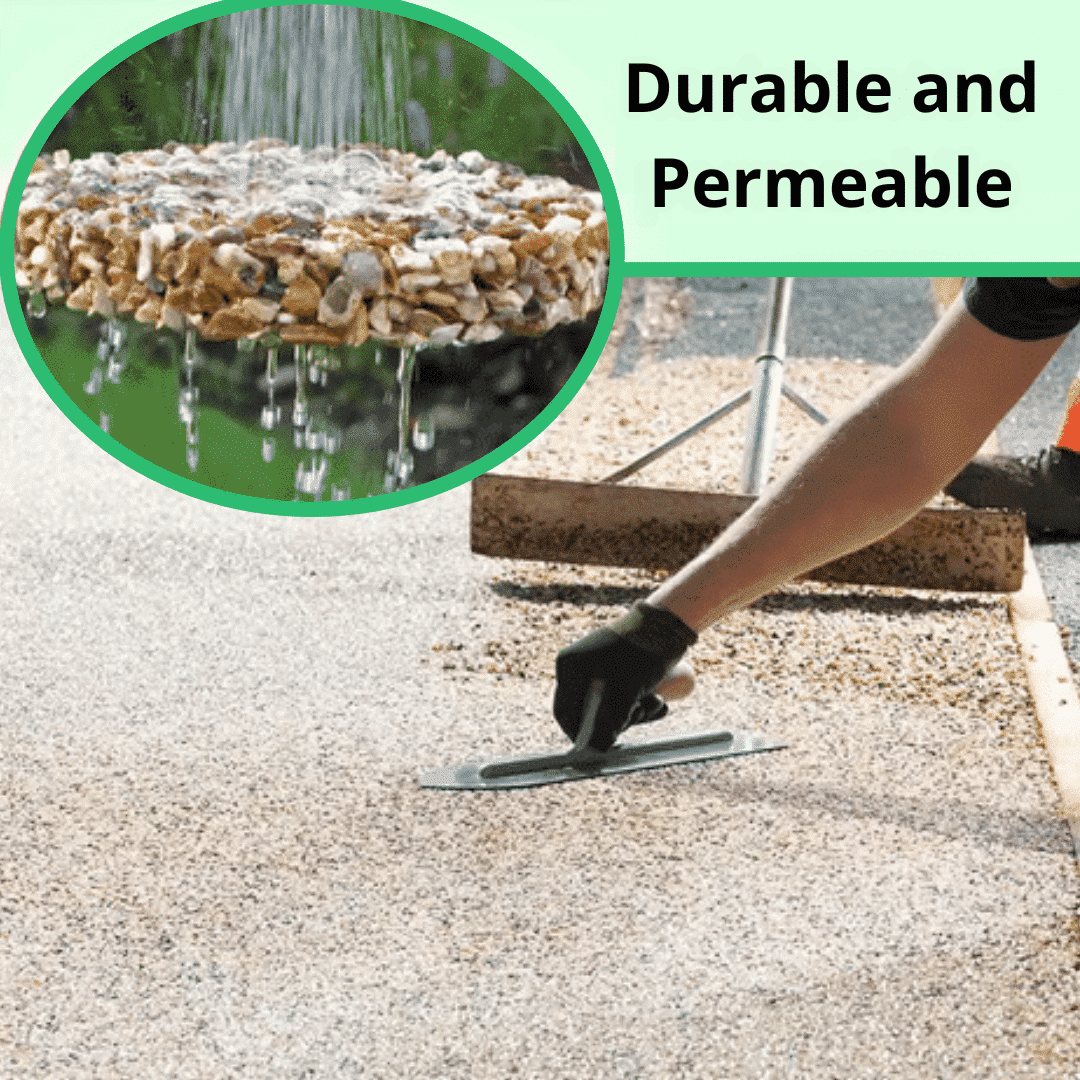
Epoxy resin floor primers are fundamental to the performance and longevity of resin flooring. Choosing and applying the right primer can make all the difference, ensuring firm adhesion, smooth finishes, and lasting durability across a range of surfaces.
Why Use an Epoxy Floor Primer?
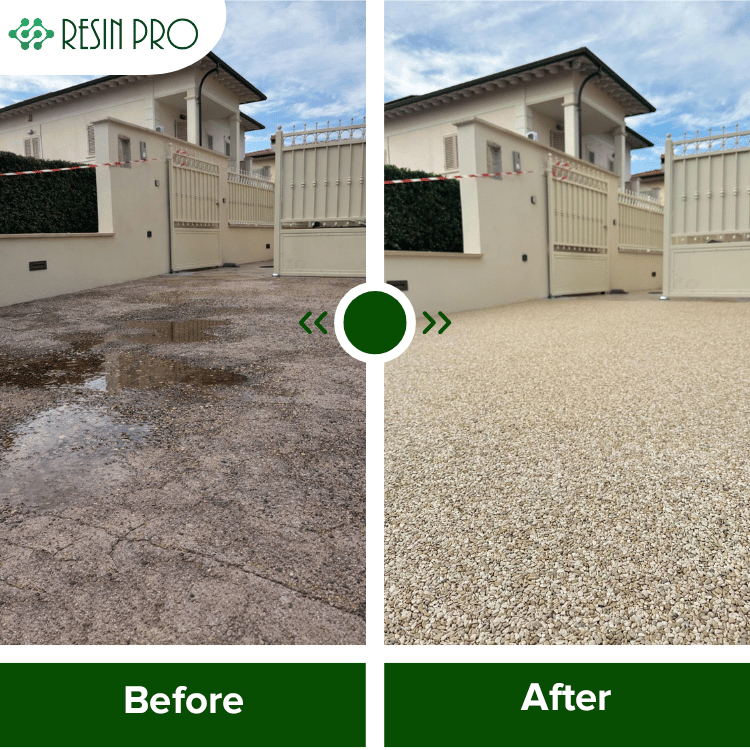
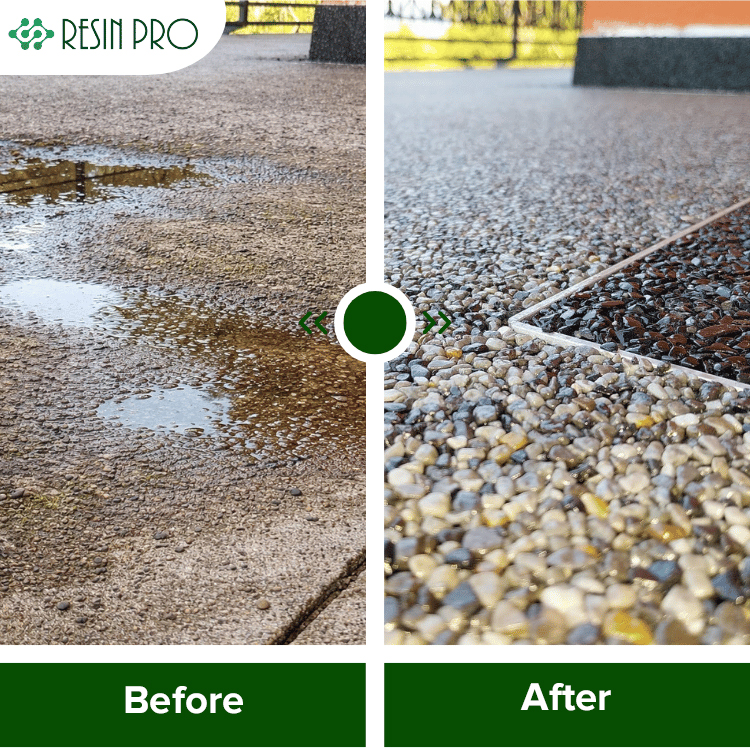
Applying an epoxy primer before your resin floor system ensures that the coating adheres properly to the underlying surface. Primers help to seal porous materials like concrete, timber, or screed, preventing air bubbles, patchy finishes and premature peeling. They also create a stable base that maximises the performance of the resin layers, supporting both professional installs and DIY projects alike.
- Improves adhesion and lifespan of the floor
- Seals and stabilises porous substrates
- Reduces risk of imperfections in the final resin coat
Compatible Surfaces and Application
A universal water-based epoxy floor primer, such as Epoxyprimer, is suitable for various materials including concrete, wood, ceramic tiles, and screeds. Its low-odour, eco-friendly formula makes it ideal for indoor use, as it is safe and free of harmful fumes. To apply, use a roller, brush, or spatula to ensure even coverage. Allow 24-48 hours at room temperature for the primer to cure fully before continuing with the resin or stone flooring system.
When Priming Really Matters
Priming is vital on absorbent or previously untreated surfaces, such as old concrete, timber floors, or ceramic tiles. Without proper priming, the resin may not bond securely, putting your investment at risk. Taking the time to prime ensures optimal results and a high performing, hard-wearing resin floor.
Related products
Related guides
Preparing your resin floor correctly with the right primer is the foundation of an attractive and durable finish. For further details about resin floor systems and their benefits, return to our guide on what resin floors are like.