 Free shipping on orders over £29,85
  Shipping Tracking!


 Google
 Facebook
← Back to How to prepare a polyurethane resin?
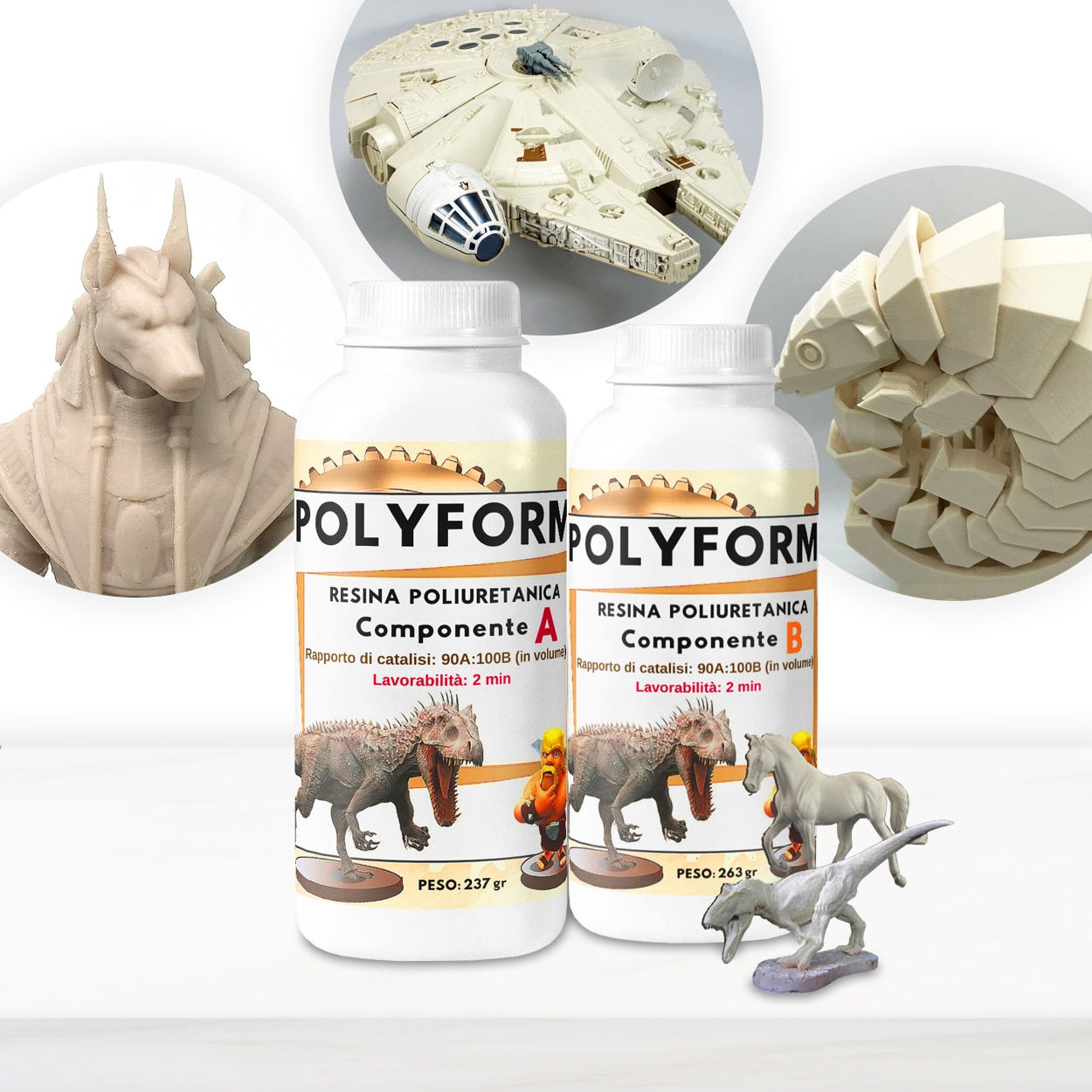
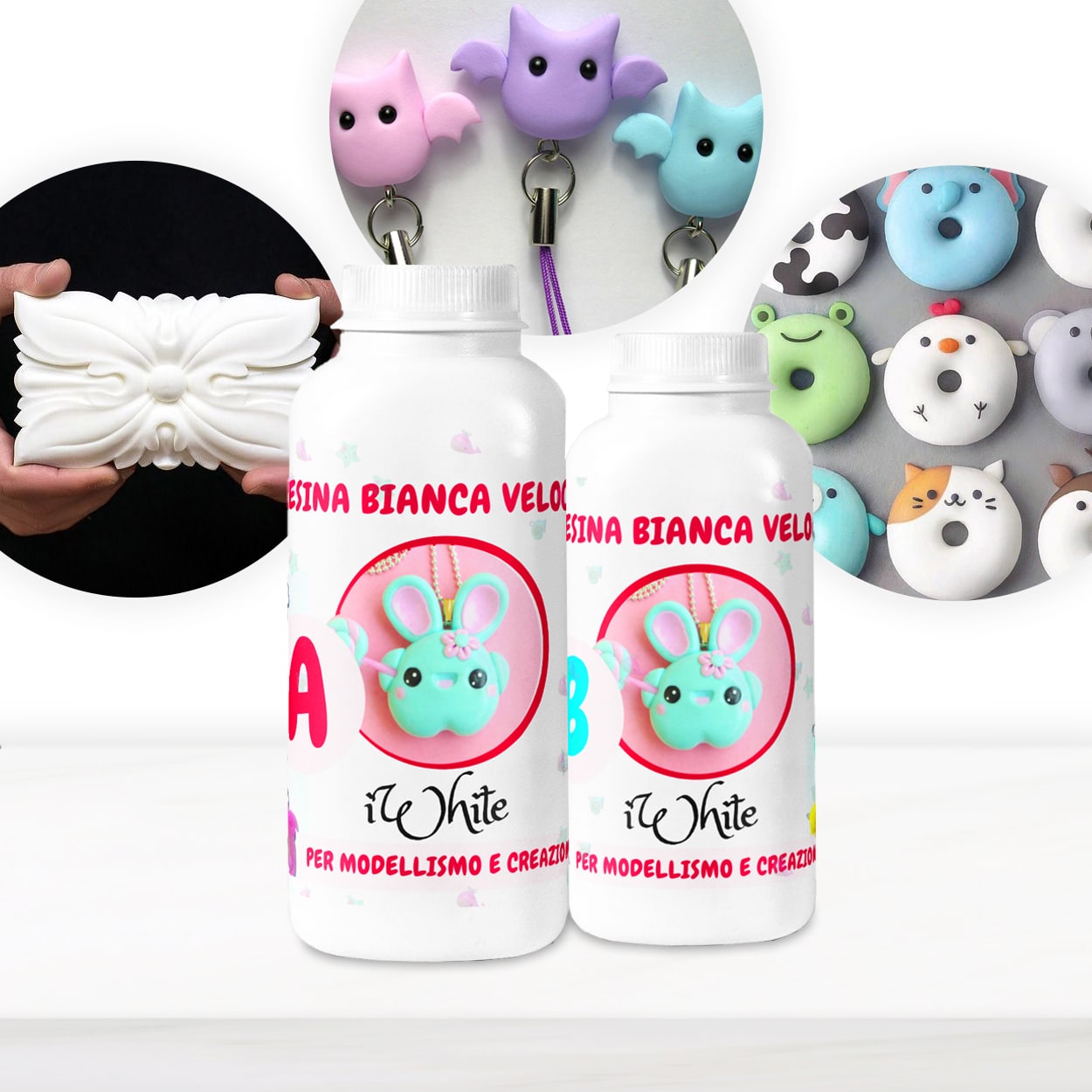
Getting the best out of polyurethane resin means shielding it from damp and cold conditions. Understanding why this matters—and what steps to take—will help ensure a smooth casting process and top-quality results.
Why Moisture and Low Temperatures Are a Problem
Polyurethane resins are sensitive to their environment before and during use. Moisture in the air can react with the resin, often causing unwanted bubbles or an uneven surface finish. Cold temperatures may slow curing or even prevent the resin from setting properly. Working at the recommended temperature and keeping materials dry gives you a far higher chance of success.


Best Practices for Storage and Preparation
- Keep both parts of the resin tightly sealed when not in use, ideally in a dry space.
- Store at room temperature: for example, Polyform resin is best used above 8–10°C for reliable curing.
- Allow all materials and moulds to reach room temperature before mixing or pouring.
- If your workspace is chilly or damp, consider using a small dehumidifier or heater to bring conditions under control.
Choosing the Right Product for Your Conditions
If your projects demand quick turnaround or fine detail, a fast-curing polyurethane such as IWhite Casting Resin can give sharp results, provided storage and ambient temperatures are managed. Polyform also offers reliable performance for model making and prototyping when mixed and cured in the recommended temperature range. For specialised coatings or doming work, Be Flex resin is engineered for stability but still benefits from careful handling to avoid moisture ingress.

When This Matters Most
Protecting from moisture and cold is critical if you are casting thin sections, working with detailed moulds, or need a clear, bubble-free finish. It is also especially important for hobbyists and professionals working in garages, sheds, or unheated workshops.
Related products
Related guides
By being aware of temperature and humidity, you can maximise the quality and reliability of your polyurethane casting results. For a full step-by-step guide on getting started, see our detailed advice in How to prepare a polyurethane resin?