 Free shipping on orders over £29,85
  Shipping Tracking!


 Google
 Facebook
How do you make resin for wood?
Step-by-step to perfect wood resin application and finishing
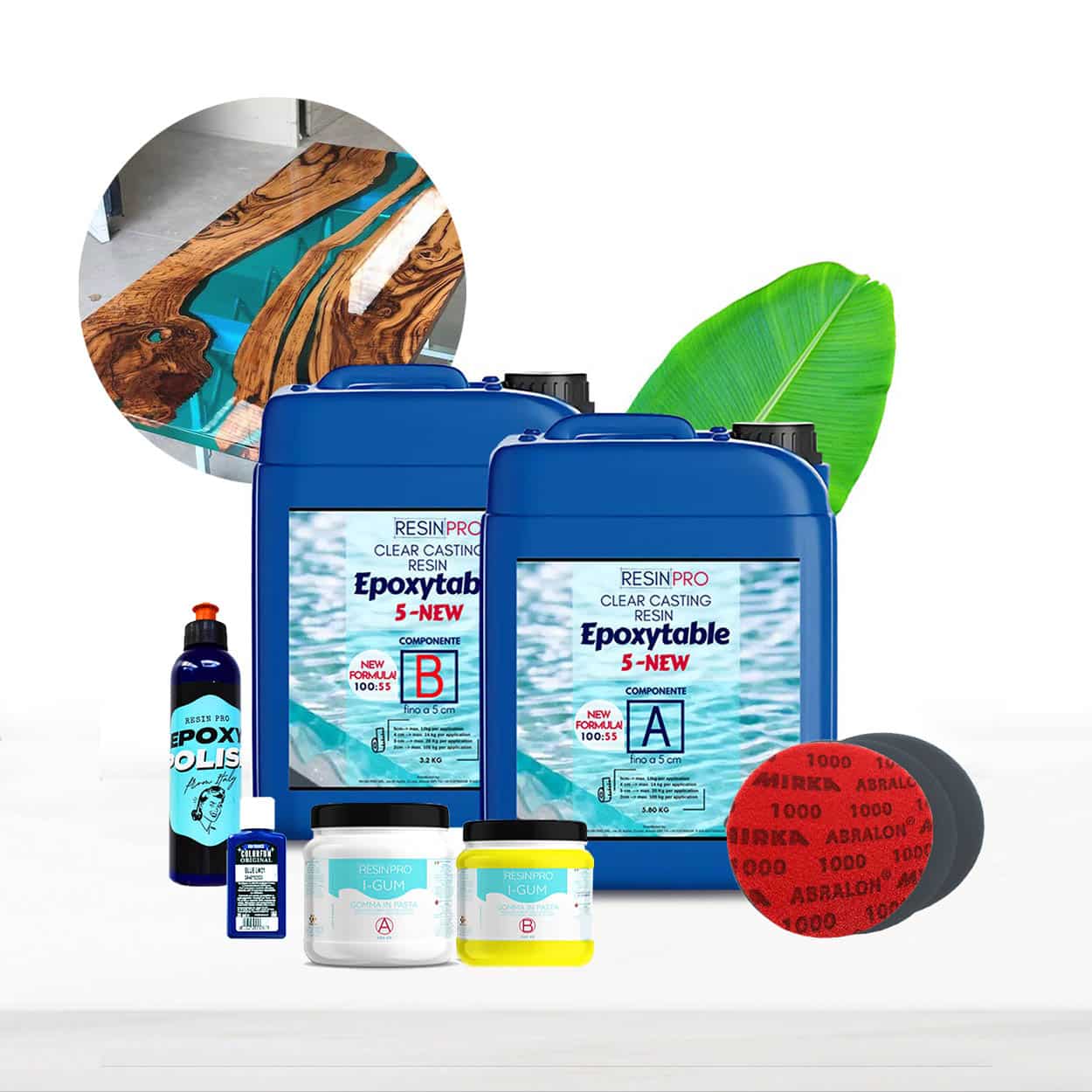
Working with resin and wood unlocks creative possibilities, from restoring vintage furniture to crafting striking river tables or modern wood and resin decor. This guide will walk you through the essential steps to prepare, mix, and apply resin onto wood, whether you’re focused on reinforcing existing pieces or creating dramatic resin castings. Following these instructions ensures strong adhesion, lasting protection, and a stunning finish.
What You’ll Need
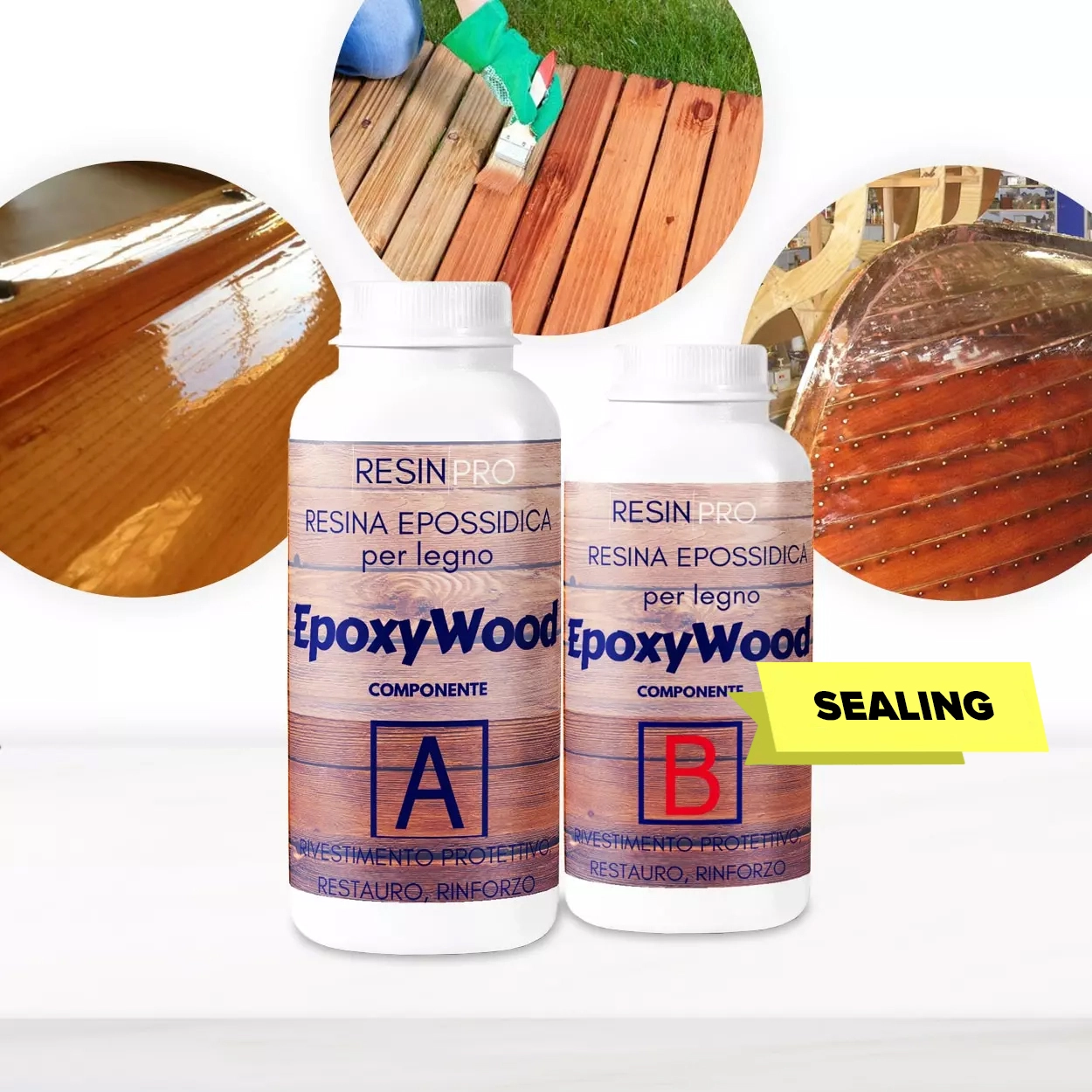
- “EpoxyWood” – Wood Restoration Epoxy Resin for Deep Penetration and Waterproofing: For deep penetration, waterproofing, and restoring structural integrity.
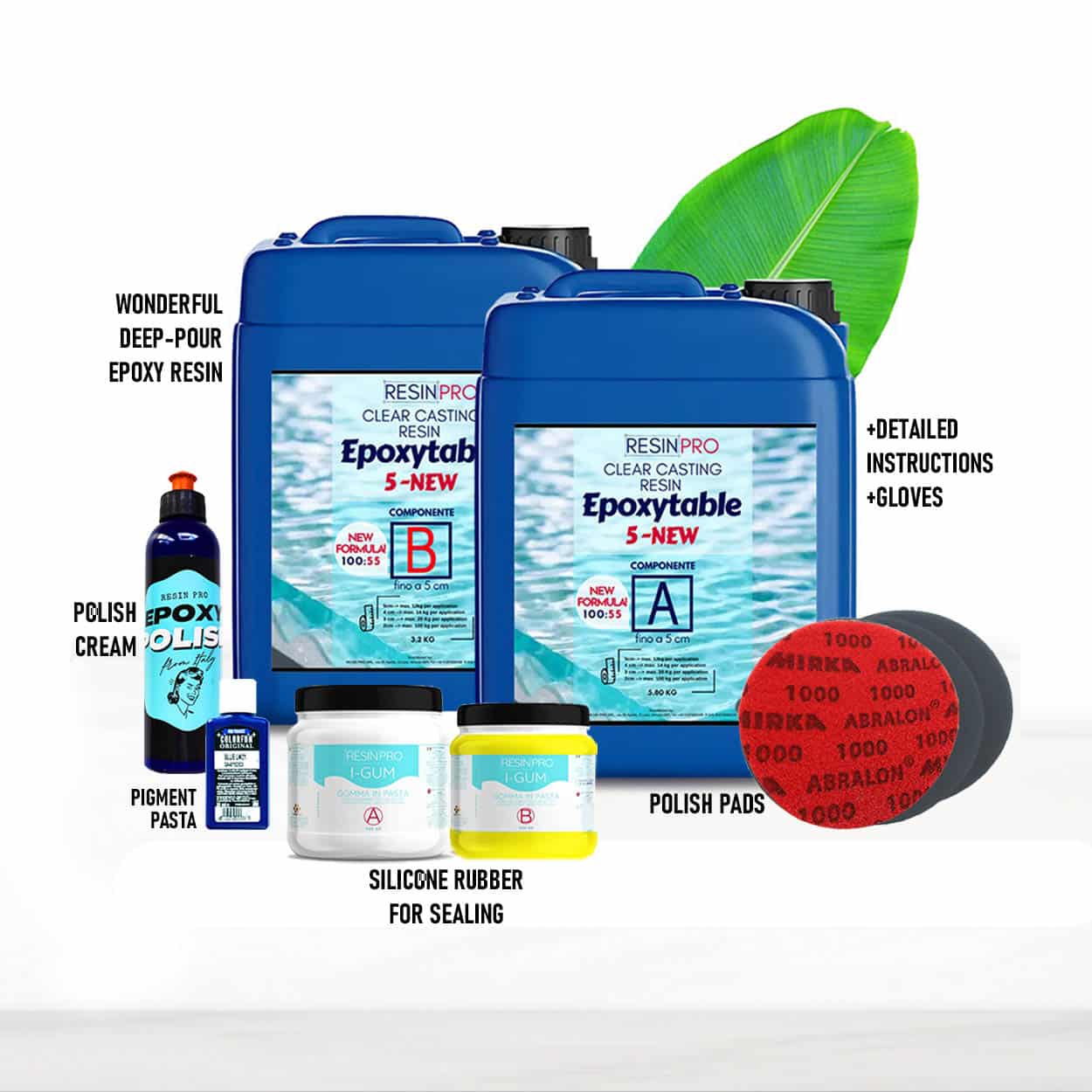
- “River-Table” – Complete Kit for Creating Your First Epoxy Resin Table: Includes resin, hardener, formwork components, pigments, and polishing materials for beginners.
- “Epoxytable 10-Ten” – Deep Pour Epoxy Resin for Tables, Up to 10cm Casting: Ideal for super-deep casting on large wooden surfaces or river tables.
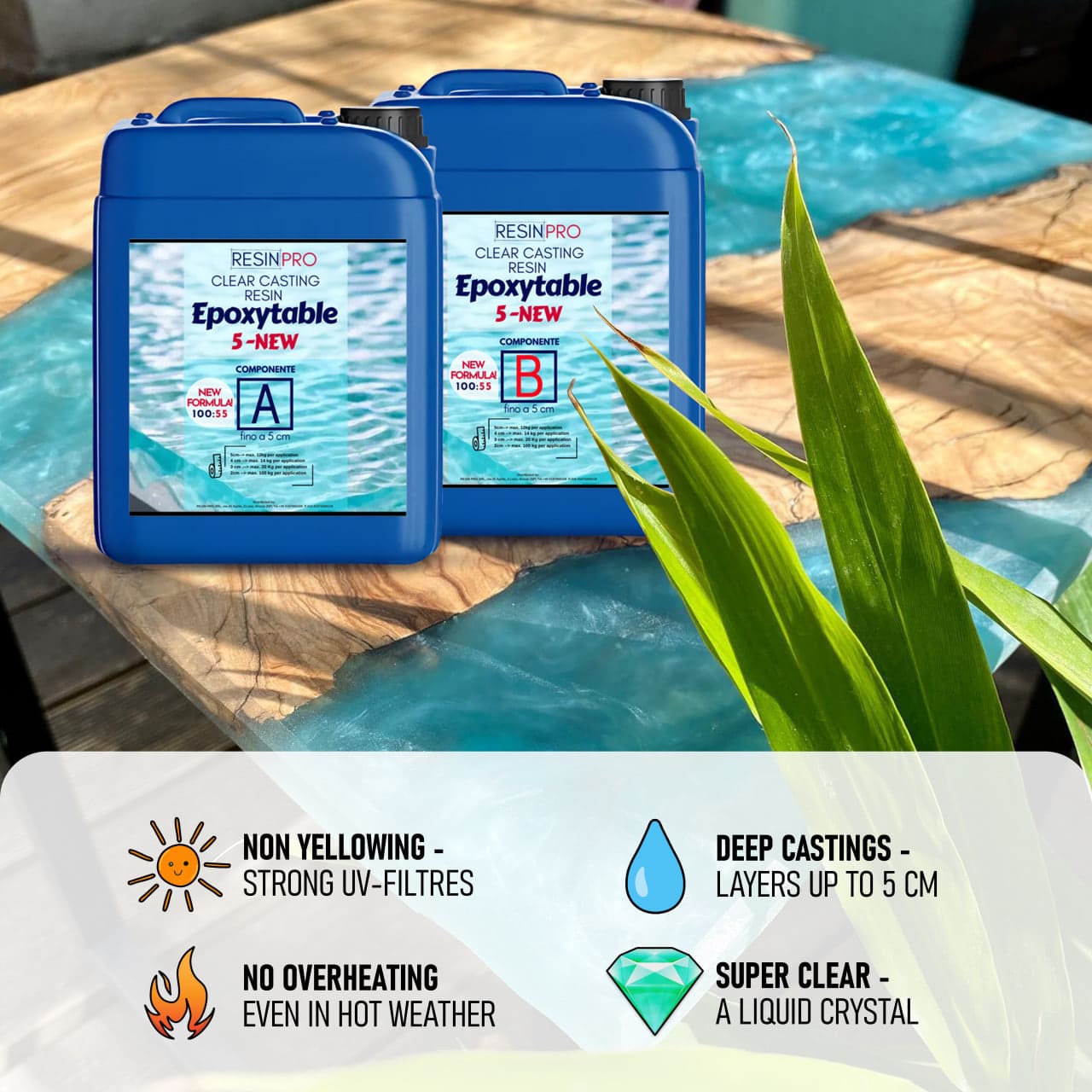
- “EpoxyTable 5-Five” – Deep Pour Epoxy Resin for Tables and Large Projects – Up to 5cm: Suitable for deep pours up to 5cm for tabletops and creative woodworking projects.
- Protective gloves, safety goggles, and a well-ventilated workspace
- Mixing cups, stirring sticks, digital scales
- Sanding tools, brushes (for penetration resins), and polishes (as required)
Essential Materials and Workspace Setup
Collect all materials and protective gear before starting. Set up your project area with mixing tools, gloves, safety supplies, and ensure good ventilation for safe resin work. Lay out resin, hardener, and any formwork supplies so that everything is easily accessible before you begin mixing and pouring.

Step 1: Prepare the Wood Surface
Proper preparation ensures the resin adheres perfectly and enhances the final finish. Begin by sanding the wood to a smooth, clean surface, removing old finishes, dirt, and oils. Wipe the surface thoroughly with a dry, lint-free cloth or air compressor to eliminate dust or debris. For best results, ensure the wood is dry before proceeding—moisture can prevent resin penetration and lead to adhesion or curing problems. Pay extra attention to cracks or cavities, as these will later be filled or reinforced by the resin.
Step 2: Measure and Mix Your Resin System
Decide on your project approach—whether you are reinforcing wood or creating thick castings. Use digital scales to measure resin and hardener precisely following the product’s recommended ratio. Most deep-pour resins require an exact balance of components to achieve full cure and clarity. Mix the two parts slowly in a clean cup, scraping the sides and bottom, until the blend is fully uniform with no streaks.
If you are using a kit like the “River-Table” – Complete Kit for Creating Your First Epoxy Resin Table, use the included instructions for combining resin and pigments as desired. For “EpoxyWood”, adhere to the guidance for surface restoration and deep penetration, ensuring thorough yet gentle mixing to reduce bubble entrapment. Avoid vigorous stirring that could introduce excess air into the resin.

Step 3: Apply or Pour the Resin
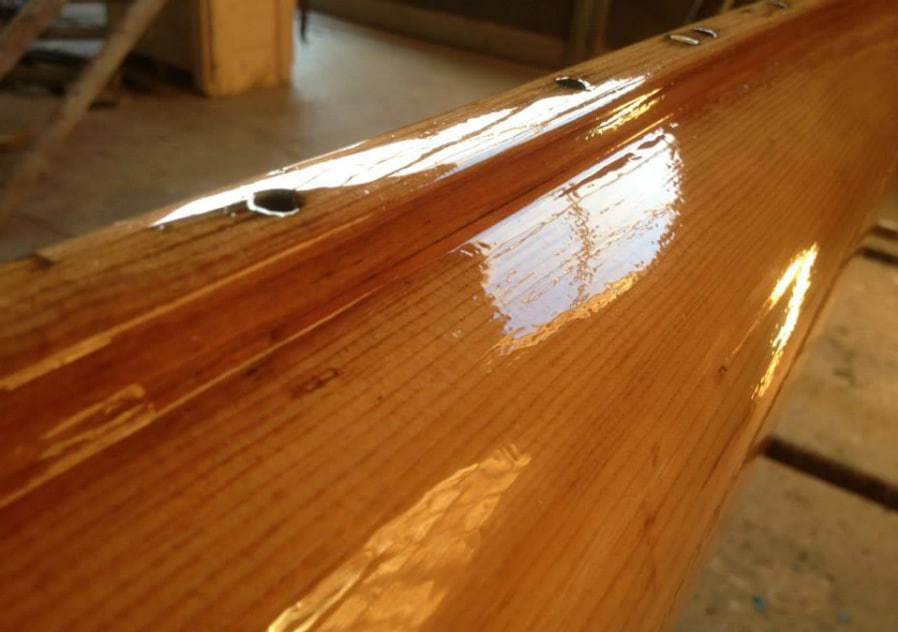
Choose your application technique based on your intended finish. For structural restoration, use a brush to apply “EpoxyWood” resin, allowing it to soak deeply into the wood’s pores and cavities. Work the product in until the surface appears evenly wetted, paying special attention to damaged areas for full penetration and strength reinforcement.
For creative castings or table projects, build a robust, sealed formwork around your wood using compatible silicone sealants and release films. When pouring products such as “Epoxytable 10-Ten” or “EpoxyTable 5-Five”, pour the resin slowly from a low height, allowing bubbles to escape and the mixture to flow evenly into voids. If working with thick castings, pour in manageable layers if needed—especially for large surfaces or deeper than the product’s singular pour guideline.
Step 4: Curing and Finishing
Let the resin cure undisturbed according to the product’s stated timeframes—this could range from 24 hours for thin surface treatments up to several days for deep pours. Maintain stable temperatures and low humidity, and keep dust or insects from settling on the surface. Once fully hardened, carefully demould (if using formwork) and inspect the finish. Sand down any imperfections using progressive grits, and polish the surface with pads and creams if a glossy finish is desired, as provided in the “River-Table” kit.
After sanding and polishing, your wooden piece is now reinforced, waterproof, and aesthetically enhanced, ready for long-lasting use or vivid decorative display.

Tips and Troubleshooting for Working with Resin and Wood
- Choose the Right Resin for the Job: Use deep-penetration resins like “EpoxyWood” for restoration, and deep-pour options such as “Epoxytable 10-Ten” for castings.
- Preparation Is Key: Ensure wood is dry and formwork is sealed to prevent leaks.
- Careful Mixing and Pouring: Mix thoroughly to avoid soft spots and pour slowly to reduce bubbles.
- Control Curing Conditions: Cure in a dust-free, temperature-stable setting for optimal clarity and hardness.
- Common Issues and Solutions: If bubbles persist, use a heat gun briefly over the surface. For tacky resin, check your mixing ratios and curing time.
Achieving Flawless Results Every Time
Take your time at each stage. Measure, mix, and work patiently for best results. Address surface dust, temperature, and formwork carefully to minimise curing issues. When finishing, move through sanding grits methodically for a professional-level appearance and enduring protection.
- "EpoxyWood" – Wood Restoration Epoxy Resin for Deep Penetration and WaterproofingPrice range: £27.95 through £41.95EpoxyWood is designed for wood restoration and protection, offering deep penetration and a natural finish suited to preservative treatments under the…
- "River-Table" – Complete Kit for Creating Your First Epoxy Resin TablePrice range: £198.45 through £467.45"River-Table" kit includes detailed instructions and all essentials to create a wood and resin table suitable for beginners and hobbyists.
 “Epoxytable 10-Ten” – Deep Pour Epoxy Resin for Tables, Up to 10cm CastingPrice range: £35.95 through £351.95“Epoxytable 10-Ten” is designed for deep pour resin projects on wood, suitable for castings up to 10cm with low exothermic reaction and UV resistance.
 "EpoxyTable 5-Five" – Deep Pour Epoxy Resin for Tables and Large Projects – Up to 5cmPrice range: £17.95 through £1,154.95"EpoxyTable 5-Five" is designed for deep pouring tables and large projects, suitable for wood resin applications within 5cm thickness.
Frequently Asked Questions
What resin is best for restoring or repairing wood?
EpoxyWood is specially formulated for deep penetration, structural reinforcement, and waterproof restoration of wooden surfaces.
What is the difference between casting and penetrating resins?
Penetrating resins like EpoxyWood soak into wood for restoration, while casting resins such as EpoxyTable 5-Five or 10-Ten form thick, decorative layers or river tables.
Can thick cast resins be used for all wood projects?
Thick cast resins are ideal for creative projects like river tables, but not necessary for restoration or sealing tasks where a penetrating type is better.
Do I need special tools to apply resin to wood?
You need basic tools – digital scales, mixing cups, and brushes or paddles. For deep pours, good formwork and release agents are also important.
How can I prevent bubbles in my wood resin projects?
Mix slowly, pour gently, and use a heat gun to remove bubbles from the surface before curing.
What safety precautions should I follow?
Always wear gloves and goggles, and work in a well-ventilated space. Avoid inhaling fumes or skin contact with uncured resin.
How can I achieve a glossy finish on wood resin projects?
After full curing, sand through multiple grits and polish with specialised creams for a high-gloss, smooth finish.