 Free shipping on orders over £29,85
  Shipping Tracking!


 Google
 Facebook
← Back to How to choose the resin injection machine?


Ensuring resin and injection machine compatibility is vital for the success and consistency of composite projects. Several technical factors must be considered to achieve optimal results in resin injection processes.
Core Compatibility Factors to Check
The suitability of a resin for any injection machine depends on a blend of properties on both sides. Viscosity is a primary concern: the resin’s thickness must allow smooth flow through the machine’s injectors and into the mould or fabric. Machines have limitations around what viscosity they can process, so always check your resin’s viscosity range aligns with your machine’s abilities.
- Required pressure: The resin’s ability to fill moulds or impregnate fabrics depends on the applied pressure; the machine should be able to deliver enough force for the specific resin and application.
- Curing conditions: Consider the temperature and environment required for the resin to cure effectively. If your process calls for room temperature curing, ensure the resin matches this requirement.
- Injection speed: The processing speed should suit both the resin’s working time and your machine’s settings. A mismatch can result in incomplete mould filling or premature curing within the equipment.


Practical Selection Tips
Before purchase, review your intended application—and consult technical data sheets for both machine and resin. For structural composite work, products such as the “Carbon Resin” Epoxy for Carbon Fibre & Fibreglass offer room temperature curing and are engineered for smooth impregnation of technical fabrics, making them excellent for compatible injection machines with moderate pressure and speed.
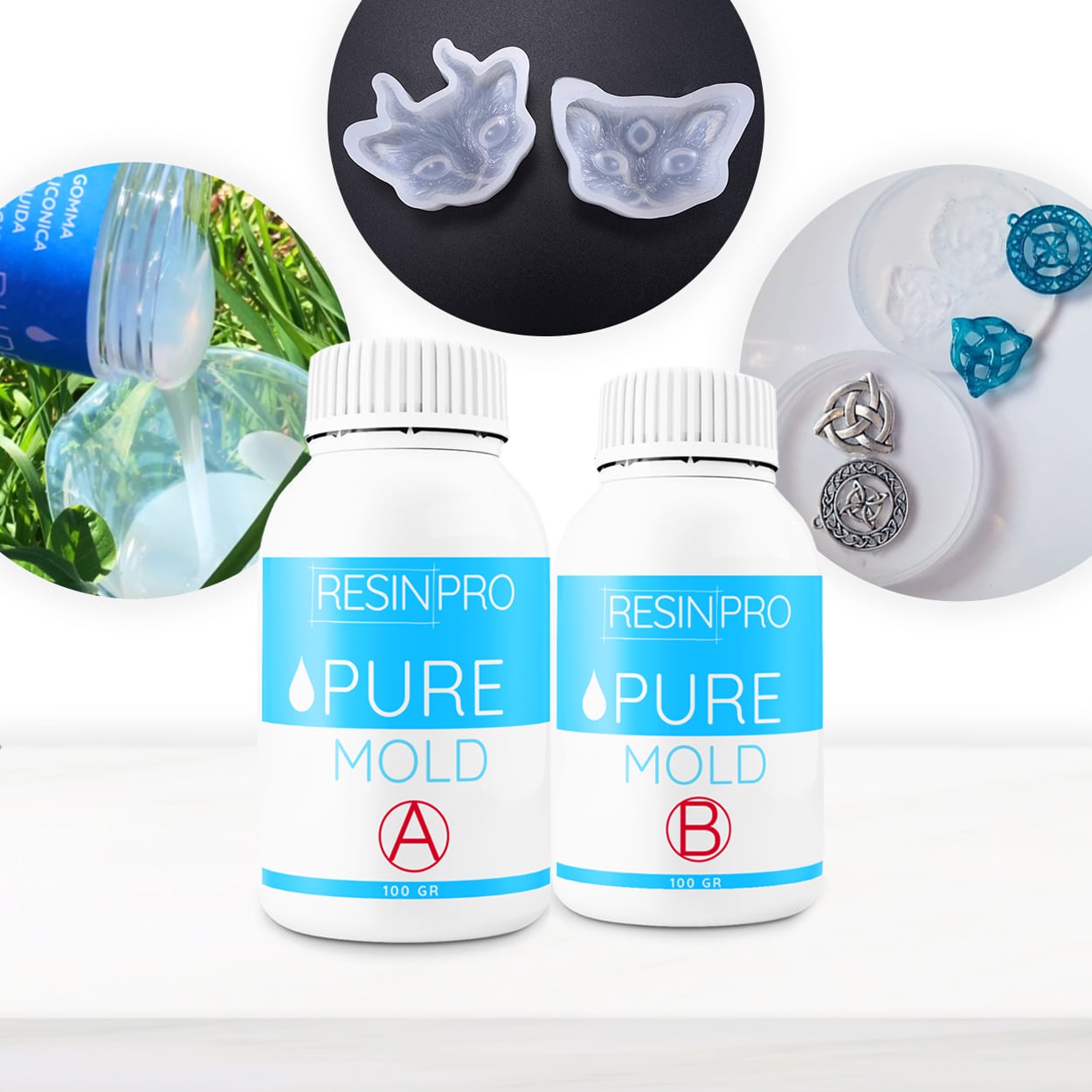
If you’re preparing your own silicone moulds, a platinum-based liquid like “Pure Mould” Translucent Liquid Silicone Rubber is compatible with most resins and typical injection machinery for mould production, owing to its manageable viscosity and straightforward 1:1 mixing ratio.
When Precise Compatibility Matters Most
Matching resin and machine specifications is essential when producing structural or visible composite parts, working at scale, or using technical fabrics with demanding impregnation needs. Overlooking compatibility risks poor bonding, air entrapment, or incomplete curing.
Related products
Related guides
Choosing a resin that matches your injection machine’s capabilities is the foundation for quality results in composite and mould-making applications. For a deeper dive on selecting suitable equipment, see our main guide: how to choose the resin injection machine.