 Free shipping on orders over £29,85
  Shipping Tracking!


 Google
 Facebook
How do you make resin for crafts?
A step-by-step guide for safe and flawless resin projects
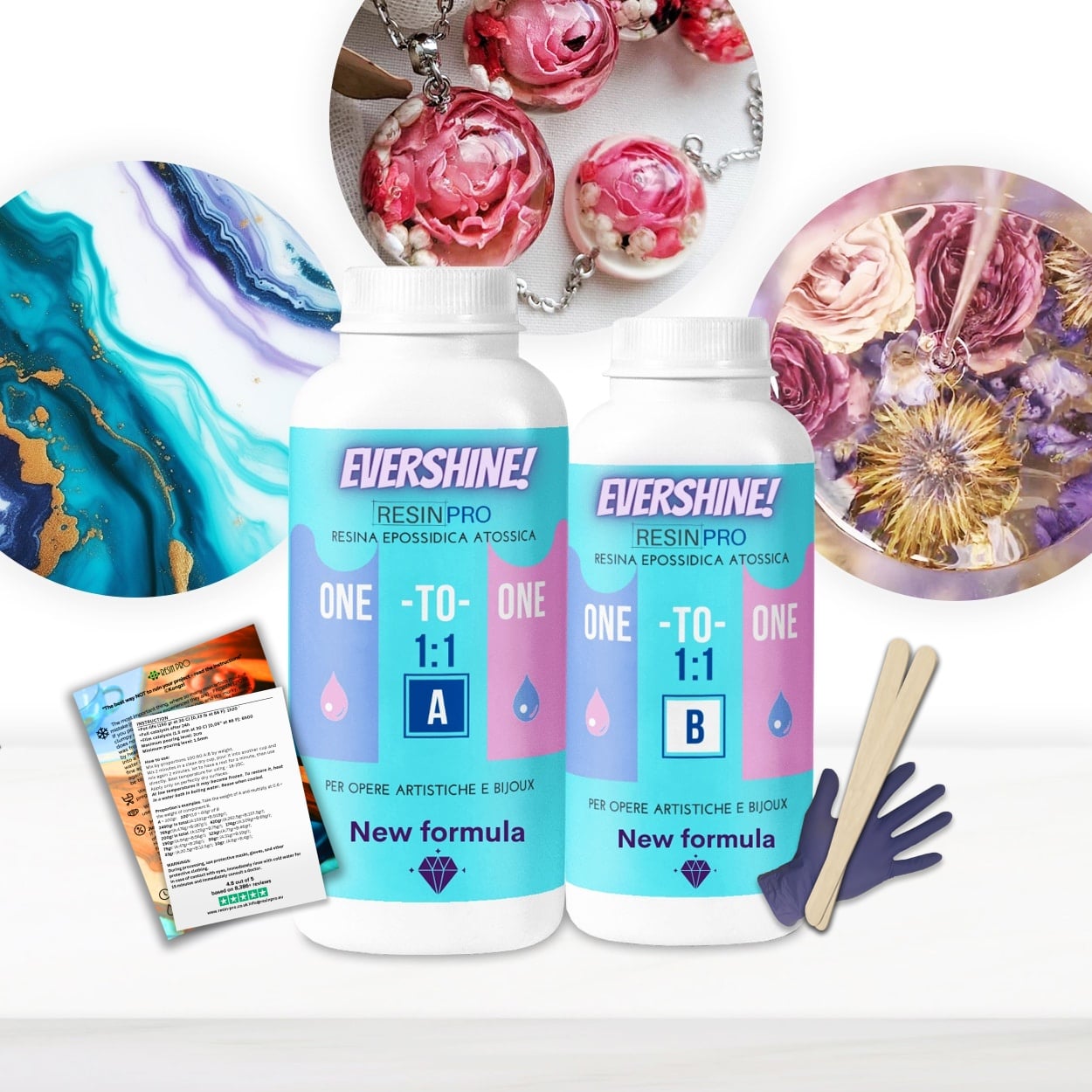

Creating resin crafts is a fulfilling and creative pastime, suitable for beginners and experienced makers alike. Whether you’re aiming to craft jewellery, embedded keepsakes, or decorative art, mastering the basics of mixing and pouring resin is essential for safe, satisfying results. This guide walks you through the entire process, from preparing your workspace to achieving a professional, crystal-clear finish.

What You’ll Need
- “One-2-One” – Epoxy Resin for Handcraft, 1:1 Mixing Ratio – A straightforward epoxy resin, perfect for most craft beginners and projects.
- “Evershine Collection” – Artisan Jewellery Epoxy Resin Kit with 100+ Accessories – A comprehensive kit ideal for jewellery making and craft experiments.
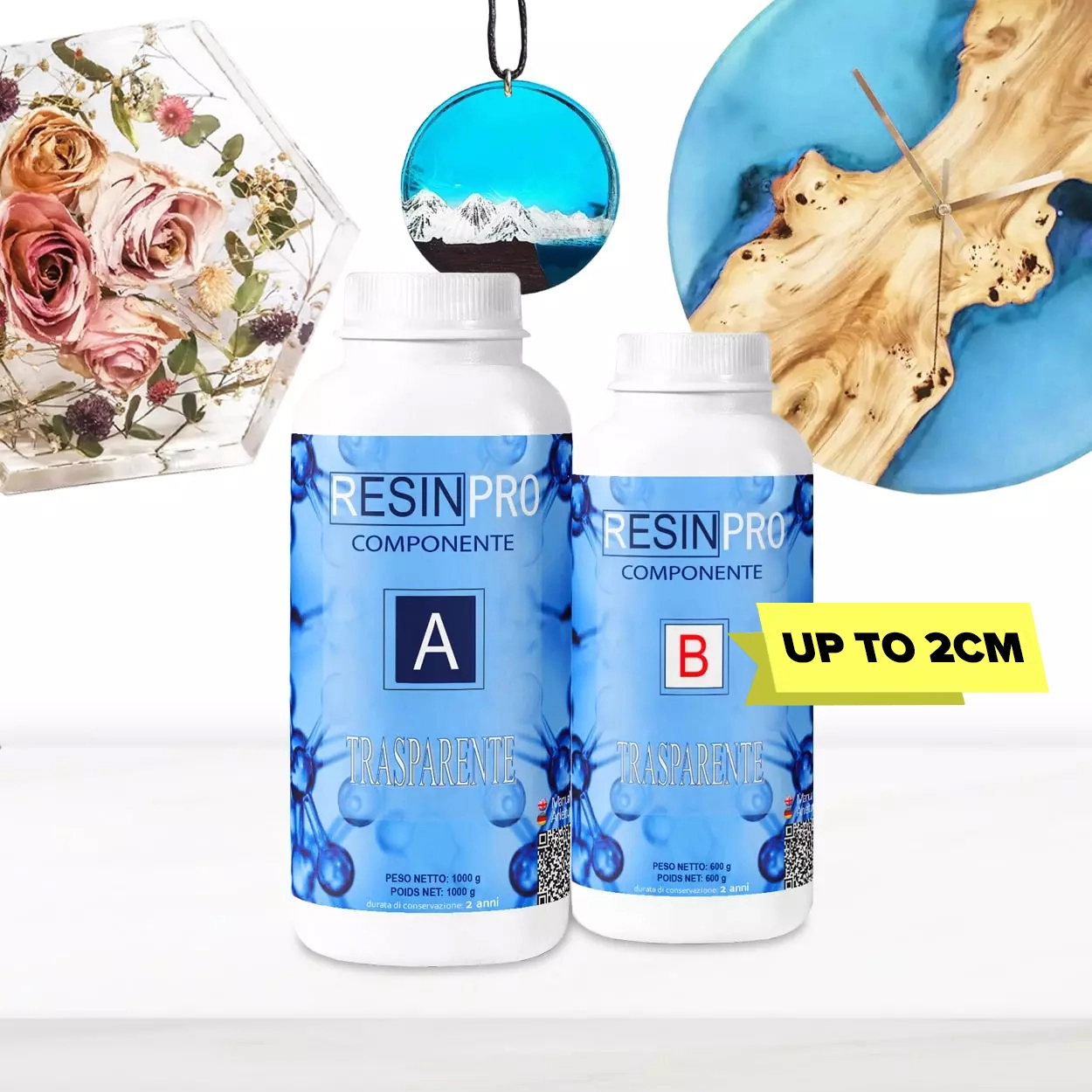
- “Trasparente” – Multipurpose Clear Epoxy Resin for Casting – Up to 2cm – Suitable for casting in layers up to 2cm, great for thicker projects and art.
- “Liquidissima” – Epoxy Resin For Creations & Jewellery – Excellent for intricate jewellery and fine detail work.
- Mixing cups and stirring sticks
- Silicone or plastic moulds
- Protective gloves and apron
- Level work surface lined with plastic sheeting or baking paper
- Optional: droppers, pigments, glitter, dried flowers, and polishing cloth
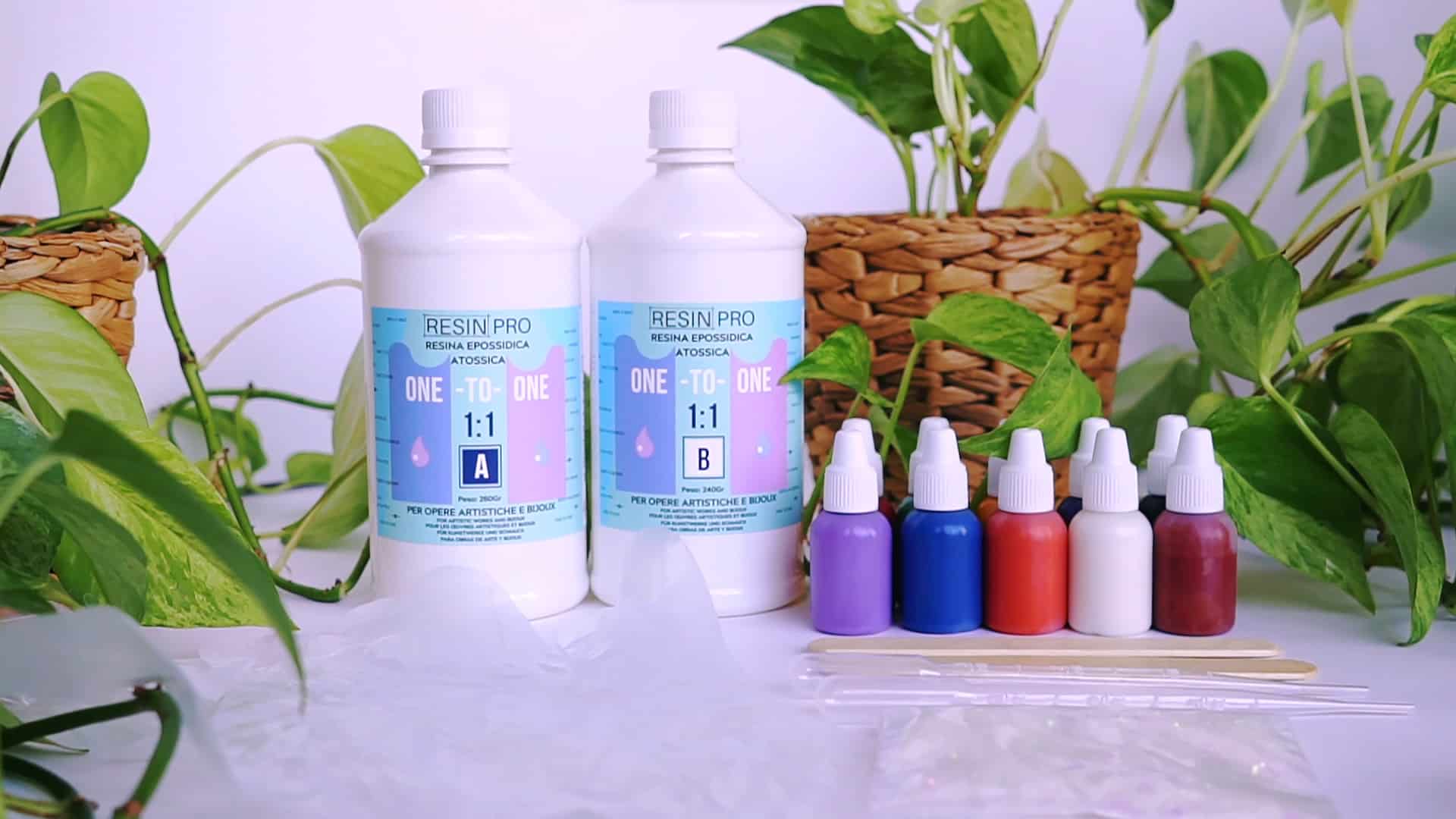
Beginner Resin Craft Essentials
Starting with a suitable workspace and proper tools makes a huge difference in resin crafting. Choosing the right resin—like easy 1:1 formulas—and having your equipment ready ensures a stress-free experience, especially for beginners exploring creative projects such as jewellery or decorative pieces.
Step 1: Prepare Your Workspace and Safety Gear
Work in a well-ventilated environment to minimise exposure to fumes. Line your work surface with plastic sheeting or baking paper to protect against drips. Ensure all tools—mixing cups, stirrers, and moulds—are clean and dry. Always wear gloves and, if possible, an apron to protect your skin and clothing.
Remove any dust or particles from the workspace before you begin. Good preparation keeps your crafts clear and contamination-free.
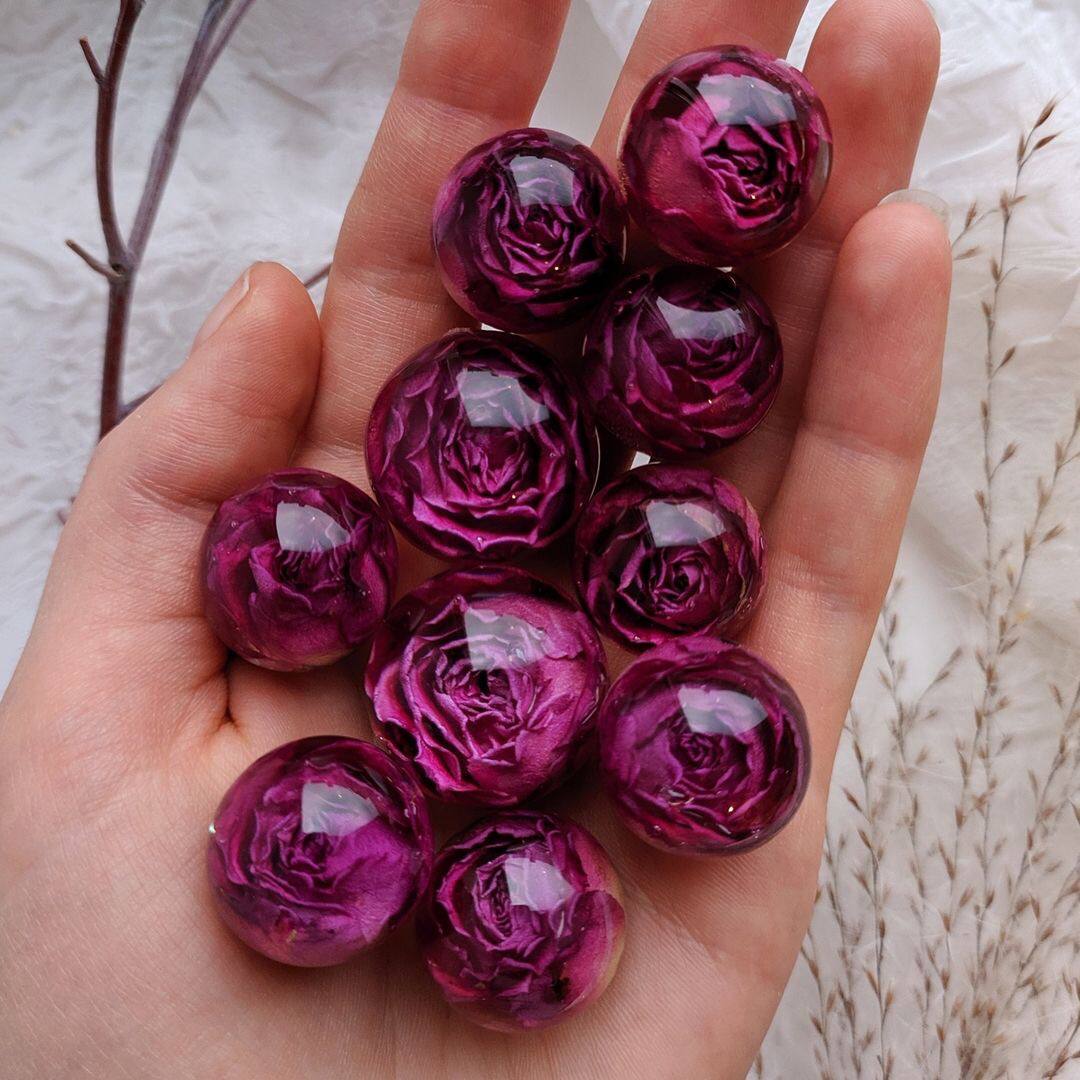
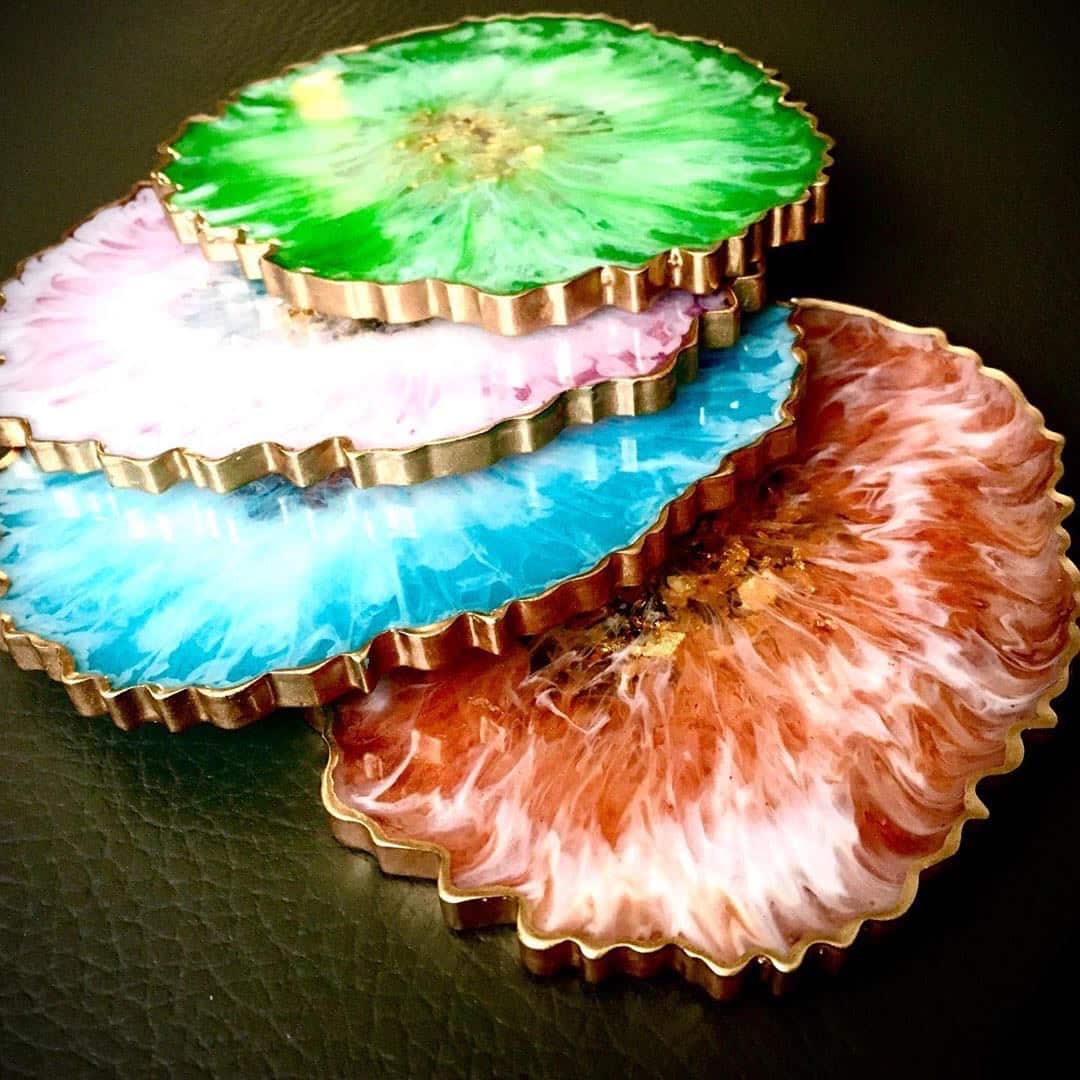
Step 2: Measure and Mix Resin Components
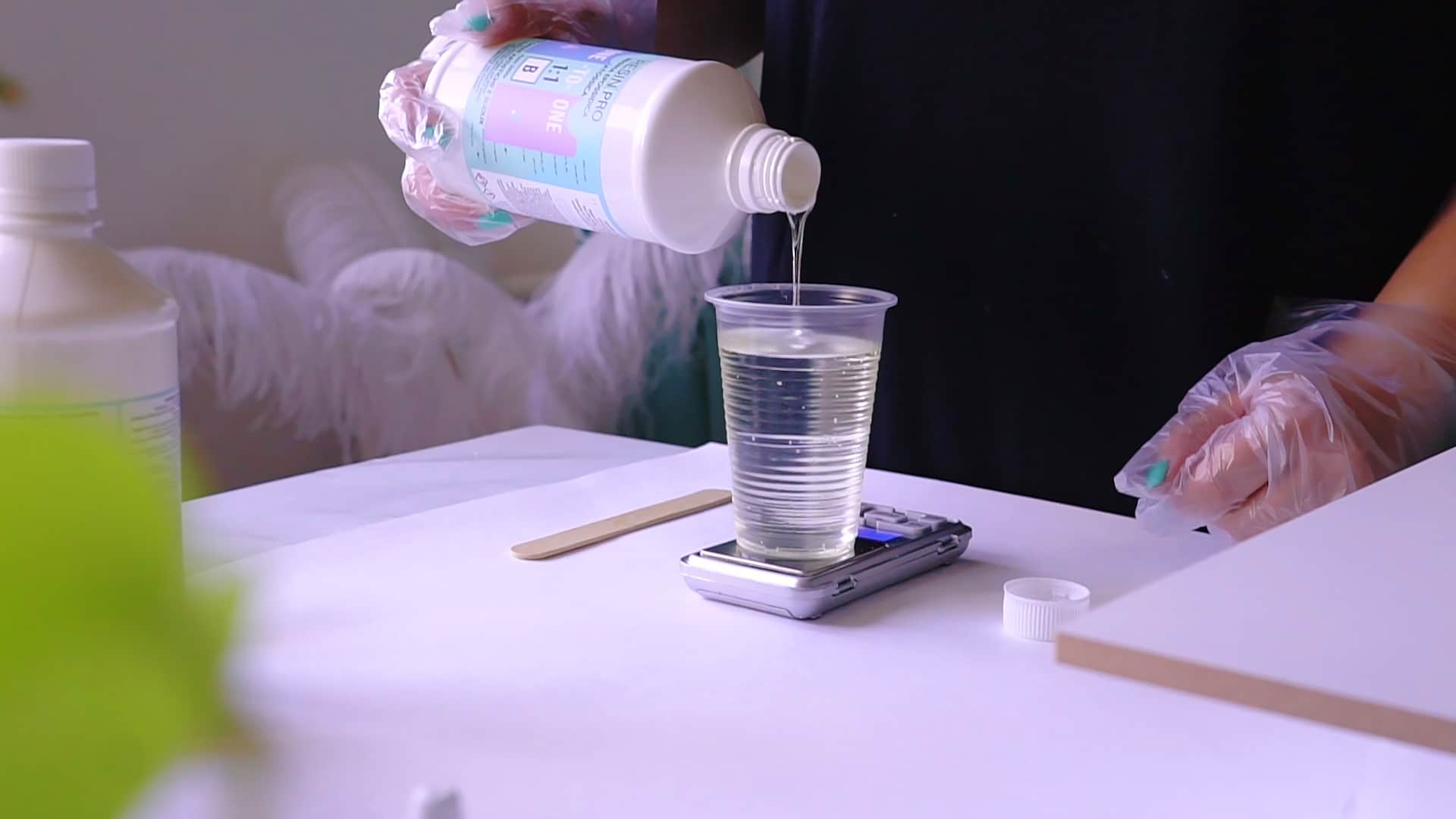
Begin by checking the exact mixing ratio for your chosen resin. For example, the “One-2-One” – Epoxy Resin for Handcraft, 1:1 Mixing Ratio uses equal parts by volume, making it easy for beginners. Some other resins may require ratios by weight.
Accurately measure resin and hardener into your mixing cup, following the instructions for your product. Inaccurate measurement is the main cause of sticky or improperly cured crafts.
Mix thoroughly but gently, scraping the sides and bottom for at least two minutes. Stir slowly to reduce the likelihood of air bubbles forming, which can mar your finished piece.
Step 3: Pour Resin into Moulds and Remove Bubbles
As soon as your mixture is consistent and free from streaks, it’s ready to pour. Carefully fill your silicone moulds, pouring from a low height to minimise additional bubbles.
Pour slowly and let bubbles rise. Gently tap or swirl the mould to help trapped bubbles escape. Should any small bubbles remain, you can pop them with a toothpick or lightly waft warm air above the surface—avoid direct heat to prevent overheating.
When working with detailed jewellery or embedded items, products like “Liquidissima” – Epoxy Resin For Creations & Jewellery are specifically formulated for complex moulds and minimal bubbles.


Step 4: Allow to Cure, Then Demould and Finish
Leave your resin pieces undisturbed on a level surface, covered to protect from dust. Curing times vary; refer to the instructions, but expect 12–48 hours for most craft resins. Never disturb or move moulds during this period.
Once fully cured, gently remove your craft from the mould. Inspect for any sharp edges or surface flaws; these can be sanded or polished as needed to achieve a smooth, glass-like finish. Some kits, such as the “Evershine Collection” – Artisan Jewellery Epoxy Resin Kit with 100+ Accessories, even provide finishing tools to help you professionally complete your pieces.
Tips, Troubleshooting, and Common Mistakes
Always check temperature guidelines; most resins cure best at 20–25°C. Humidity or cold can cause cloudy results or incomplete curing. Protect your workspace and skin to avoid accidental spills or contact, and always follow product instructions to the letter for safety and performance.
If you notice bubbles or tacky surfaces, possible causes include under-mixing, incorrect ratios, or disturbed curing. Try smaller batches if you’re just starting out—this helps control working time and limits waste. Store resin kits in a cool, dry place.
Finishing Touches for Professional Results
Careful demoulding and thoughtful finishing steps elevate your crafts from handmade to artisan quality. Thorough curing, sanding, and optional polishing reveal the full clarity and brilliance of your resin pieces, especially when working with fine details or special inclusions.
- "One-2-One" – Epoxy Resin for Handcraft, 1:1 Mixing RatioPrice range: £15.95 through £59.95ONE–2–ONE epoxy resin is a medium viscosity resin suitable for beginners and experienced crafters creating jewellery and decorative items.
- "Evershine Collection" – Artisan Jewellery Epoxy Resin Kit with 100+ Accessories£21.95The "Evershine Collection" kit offers 500g clear epoxy resin and over 100 accessories, suitable for jewellery makers and craft enthusiasts exploring…
- "Trasparente" – Multipurpose Clear Epoxy Resin for Casting – Up to 2cmPrice range: £8.95 through £397.95This ultra-clear epoxy resin offers a self-levelling finish up to 2cm, suitable for various craft and woodworking projects.
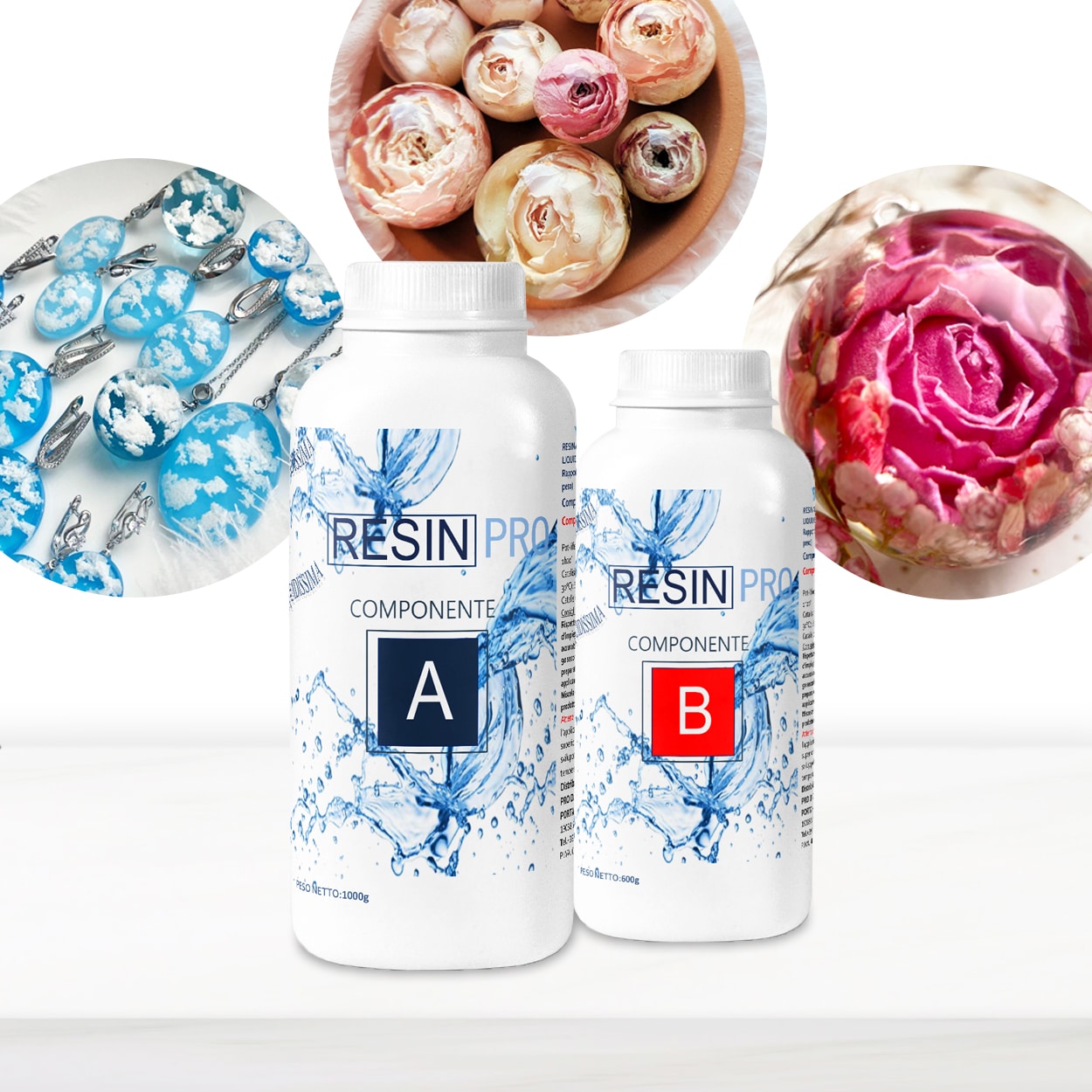 "Liquidissima" – Epoxy Resin For Creations & JewelleryPrice range: £12.85 through £31.85LIQUIDISSIMA epoxy resin is designed for artists and creators, offering transparency and a self-levelling finish suitable for intricate jewellery…
Frequently Asked Questions
How much resin do I need for a small craft project?
For delicate jewellery or charms, 100-200ml is usually sufficient. Always measure your moulds in advance and mix only what you need.
Can I add colour or pigments to resin crafts?
Yes, dedicated resin pigments or compatible powders can be mixed in for custom colours. Use sparingly to avoid affecting curing.
How do I avoid air bubbles in resin crafts?
Mix slowly, pour from a low height, and gently tap the mould. Some resins are better suited for bubble-free results.
What is the safest way to work with resin at home?
Wear gloves, ventilate your workspace, and keep food and pets away. Follow manufacturer safety instructions at all times.
Why is my resin sticky or soft after curing?
This often results from incorrect resin-to-hardener ratios or insufficient mixing. Always follow product instructions carefully.
What moulds work best for resin jewellery crafting?
Silicone moulds are recommended as they are flexible and non-stick, making demoulding easier and preserving fine details.