 Free shipping on orders over £29,85
  Shipping Tracking!


 Google
 Facebook
← Back to How to make a manual resin floor?
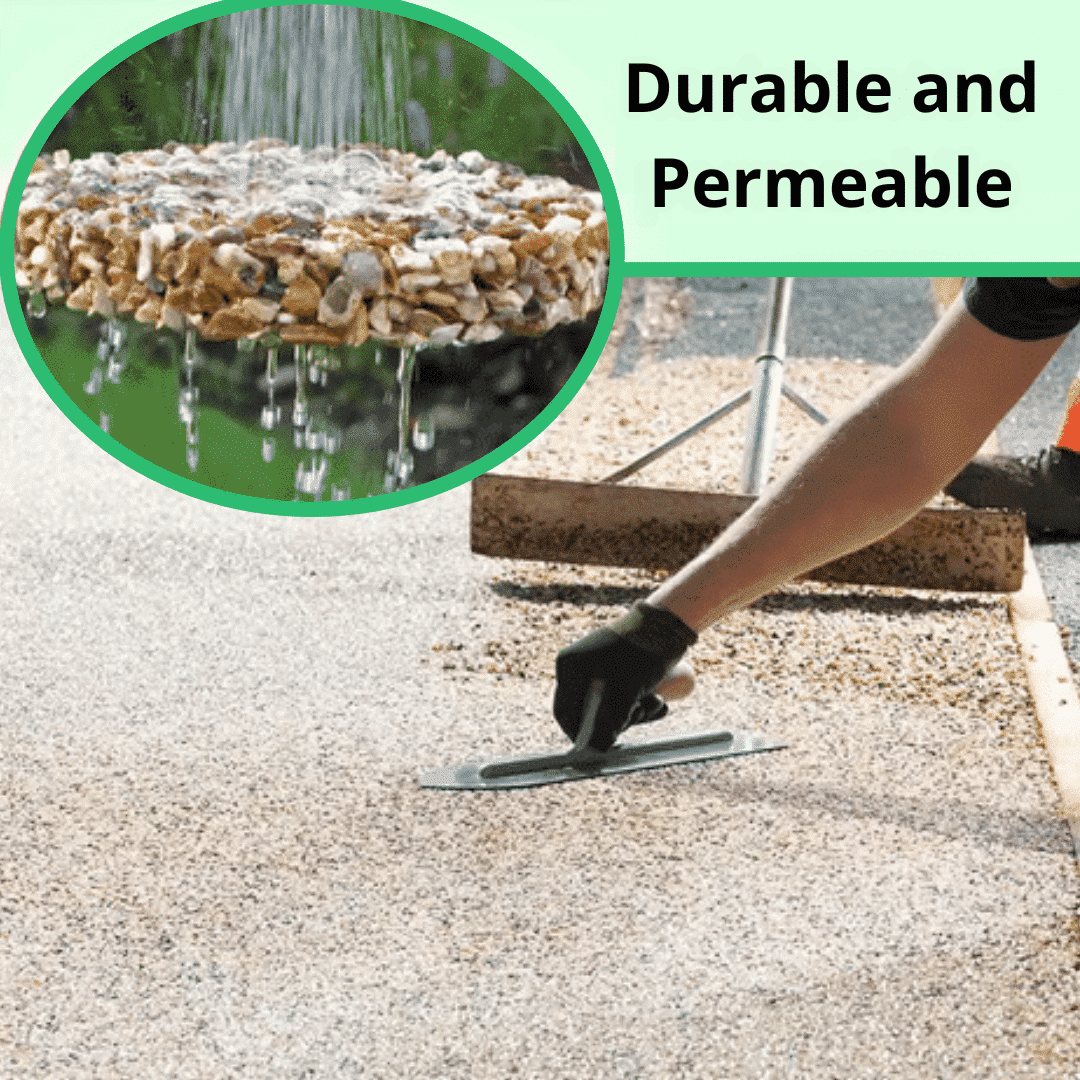
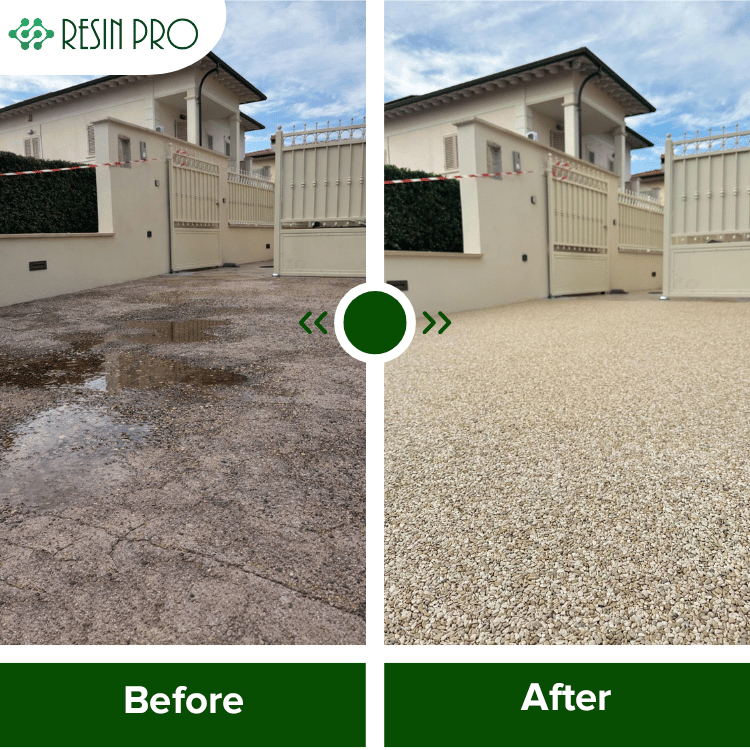
When considering a manual resin floor for your project, understanding whether it allows water to drain (permeability) or blocks it (waterproofing) is crucial for planning suitable surfaces indoors or out.
Permeable vs Waterproof Resin Flooring
The permeability of a manual resin floor depends on the type of binders and aggregates you use. Systems based on impermeable epoxy or polyurethane resins with fine aggregates typically form waterproof surfaces, ideal for wet environments where moisture protection is desired. In contrast, mixtures that incorporate larger granules, such as with pebble and resin kits, enable water to pass through the flooring, creating a draining effect. This approach is widely used for outdoor areas where rainwater drainage is necessary.
Selecting the Right System for Your Needs
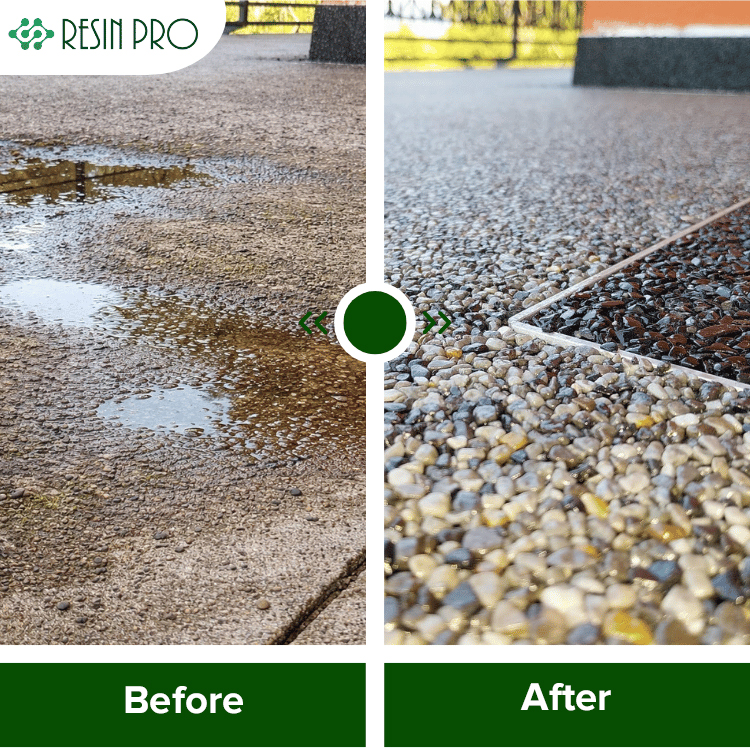
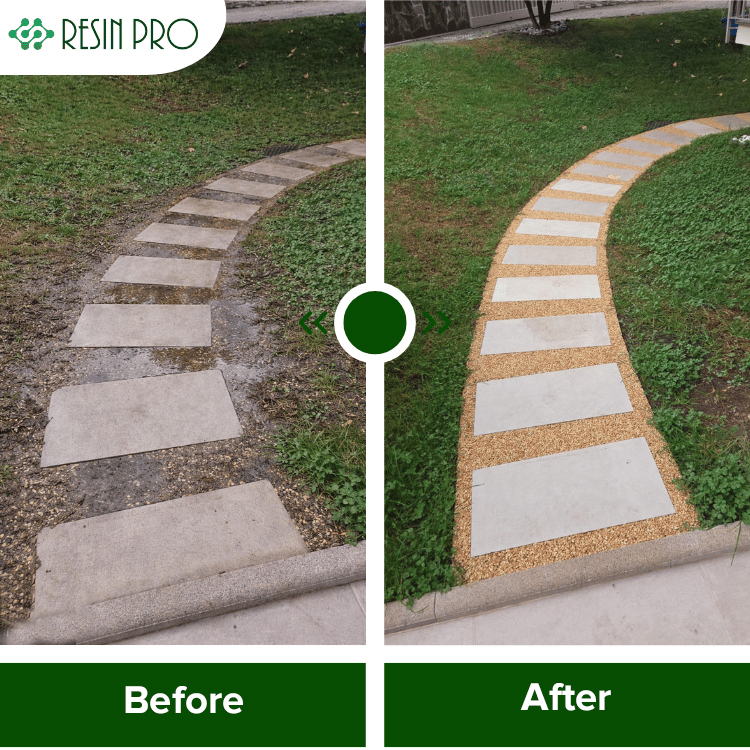
Choosing between a permeable or waterproof resin floor depends on the installation area. For outdoor driveways, footpaths, or patios, a permeable solution like the Flowstone Complete Permeable Floor Kit ensures efficient water dispersion, reducing puddling and slip hazards. For protecting concrete in garages or other surfaces needing a sealed finish, a product such as Resinstone methacrylic resin can provide a waterproof but breathable layer. Always review product details to ensure your chosen system matches your drainage and usage requirements.
When Does Permeability Matter?
- Outdoor areas: Permeable resin floors help prevent pooling and promote rapid rainwater drainage.
- Driveways and paths: A draining surface can protect against frost and slip risks in the UK climate.
- Indoors or garages: Waterproof systems are preferable where you want to completely block moisture ingress.
Related products
Related guides
Understanding the permeability of a manual resin floor ensures you select the right flooring to meet both functional and aesthetic needs. Find more step-by-step advice in our manual resin floor guide.