 Free shipping on orders over £29,85
  Shipping Tracking!


 Google
 Facebook
How to make a manual resin floor?
Step-by-step guide for durable and attractive resin flooring
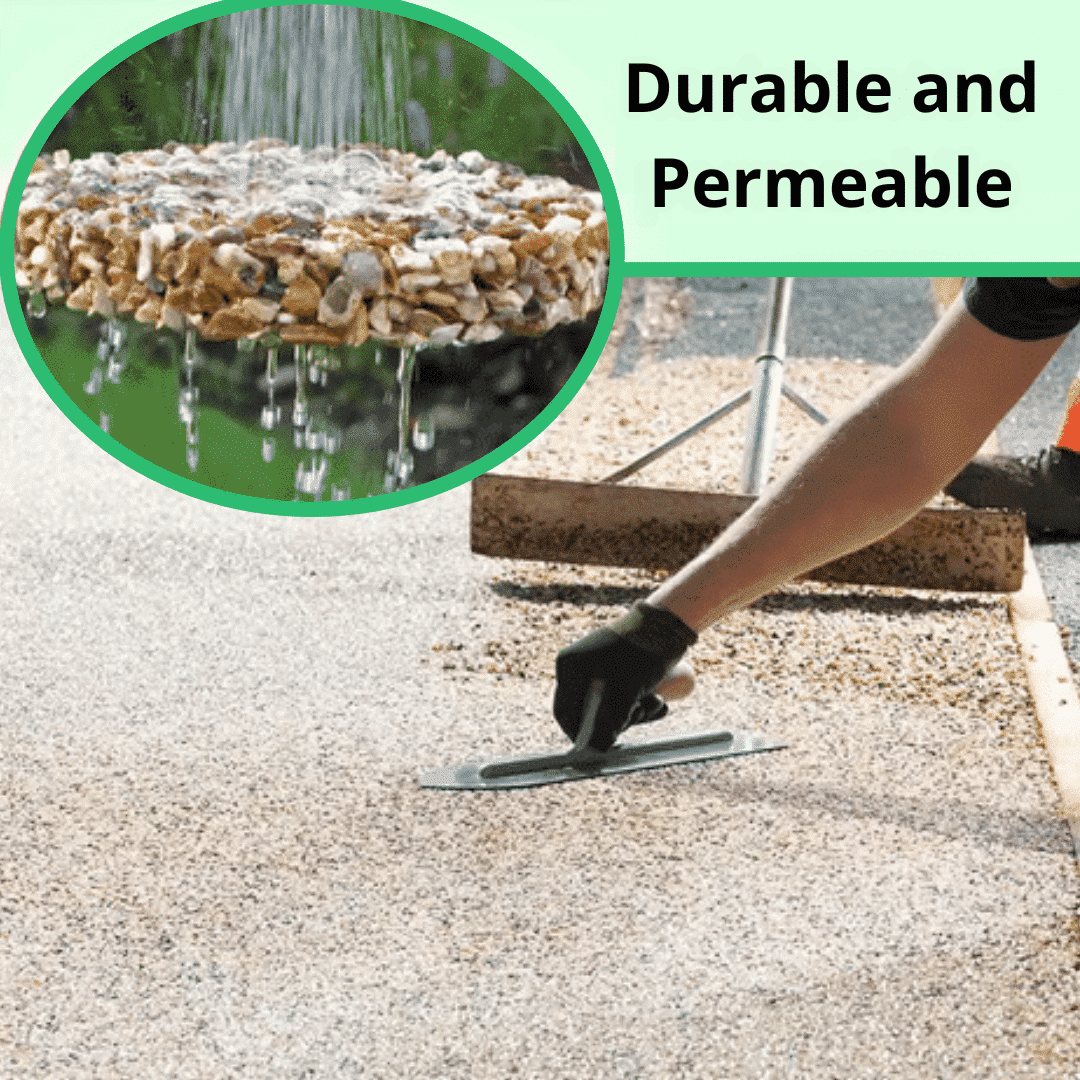
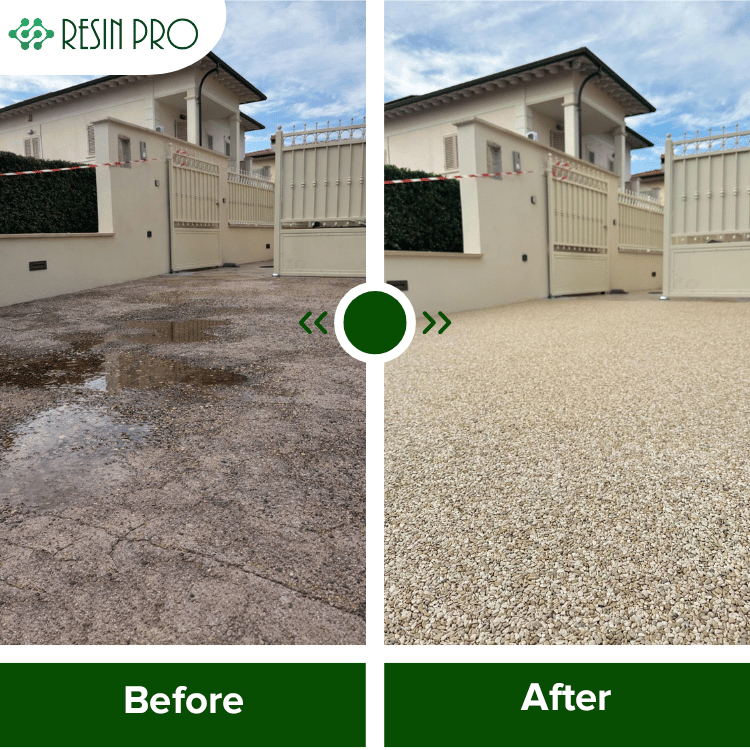
If you are looking to transform your driveway, patio, or indoor space with a resilient and visually appealing surface, a manual resin floor could be the perfect solution. This guide will walk you through planning, preparing, and installing a resin-bound floor by hand, ensuring a professional result that is both robust and decorative—ideal for DIYers and trade users alike.
What You’ll Need
- “Flowstone” – Complete Permeable Floor Kit with Pebbles and Resin: A ready-to-use kit suitable for outdoor surfaces, offering a permeable, durable solution for paths and driveways.
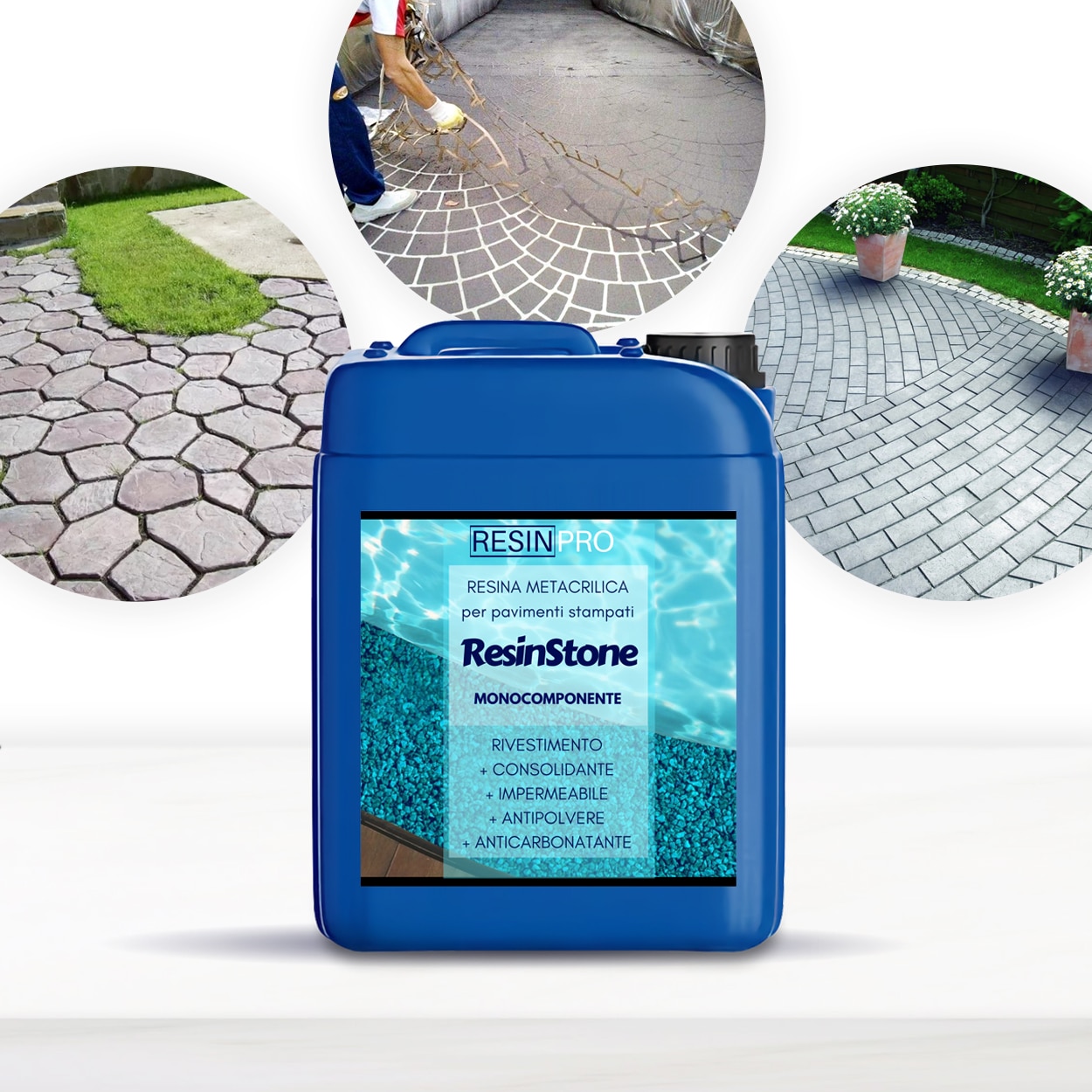
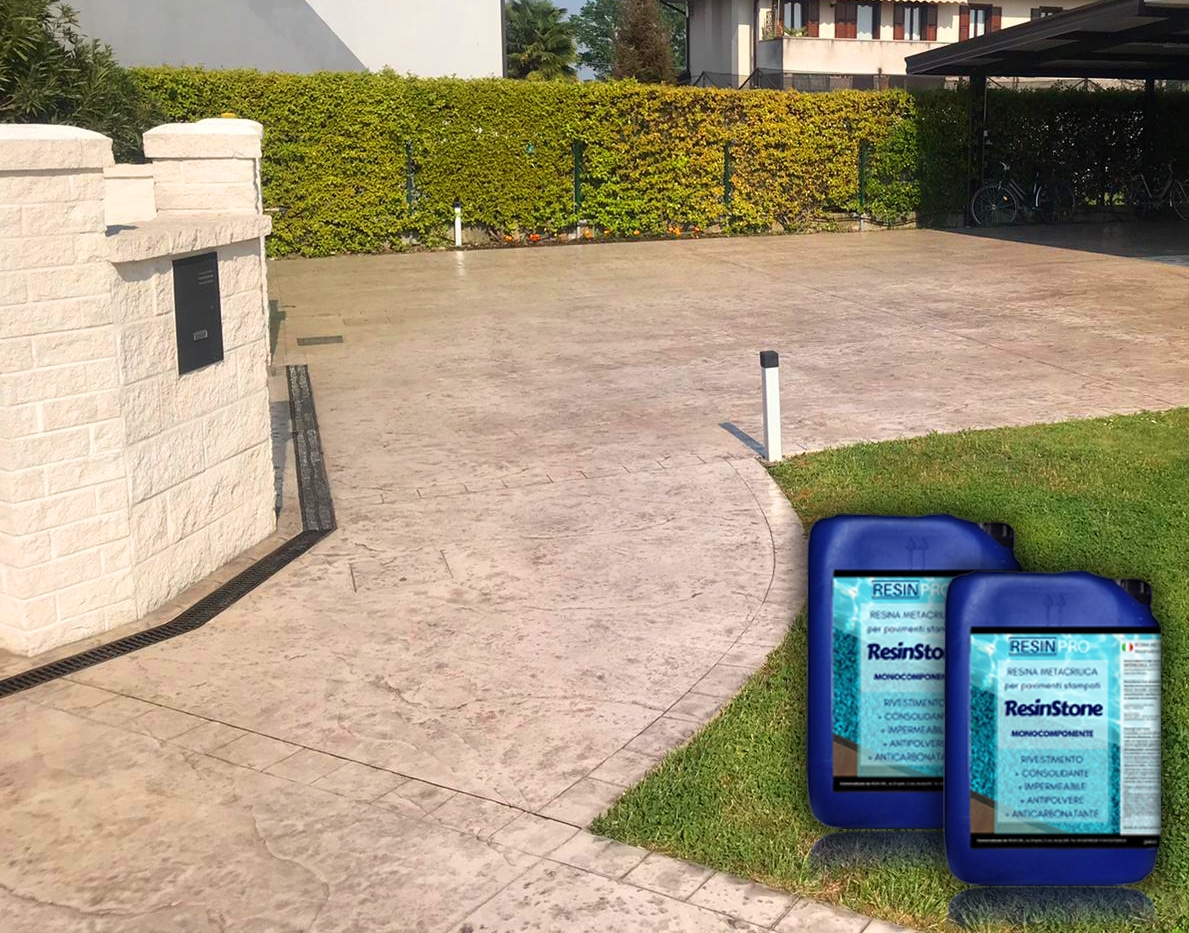
- “Resinstone” – One-Component Methacrylic Resin for Concrete Floors and Driveways: Ideal for sealing and protecting concrete-based floors quickly and effectively.
- “Trasparente” – Epoxy Binder for Coloured Pebbles and Grits: Best suited for binding coloured or dark aggregates to create vibrant and durable surfaces.
- “Epoxyprimer” – Universal Water-Based Two-Component Epoxy Floor Primer: Enhances adhesion on concrete, timber, tile or screed surfaces before resin application.
- Personal protective equipment (gloves, dust mask, goggles)
- Mixing tools (paddle mixer or cement mixer)
- Clean buckets and spatulas or trowels
- Roller or brush (for primer application)
- Decorative aggregates (if not included in the kit)
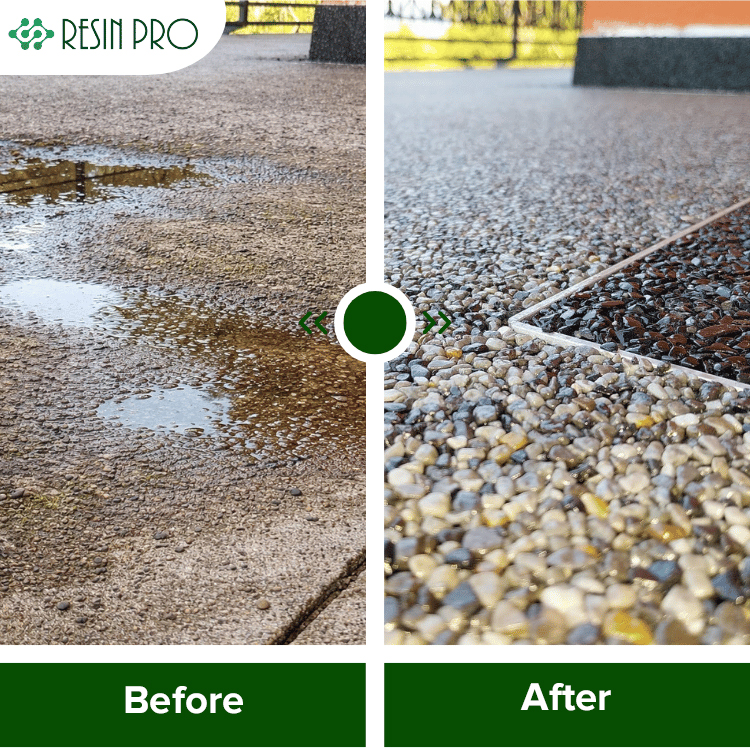
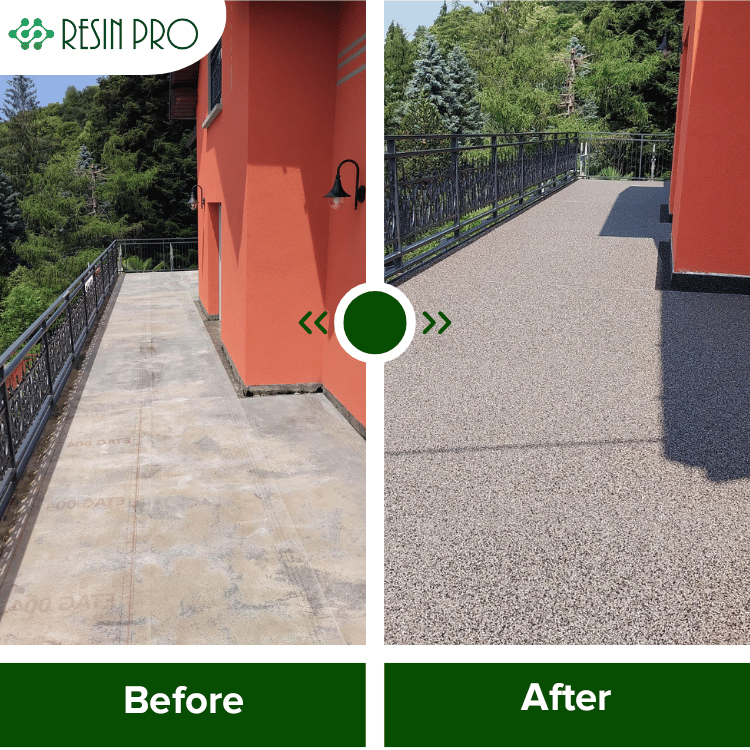
See Real Resin Floor Transformations
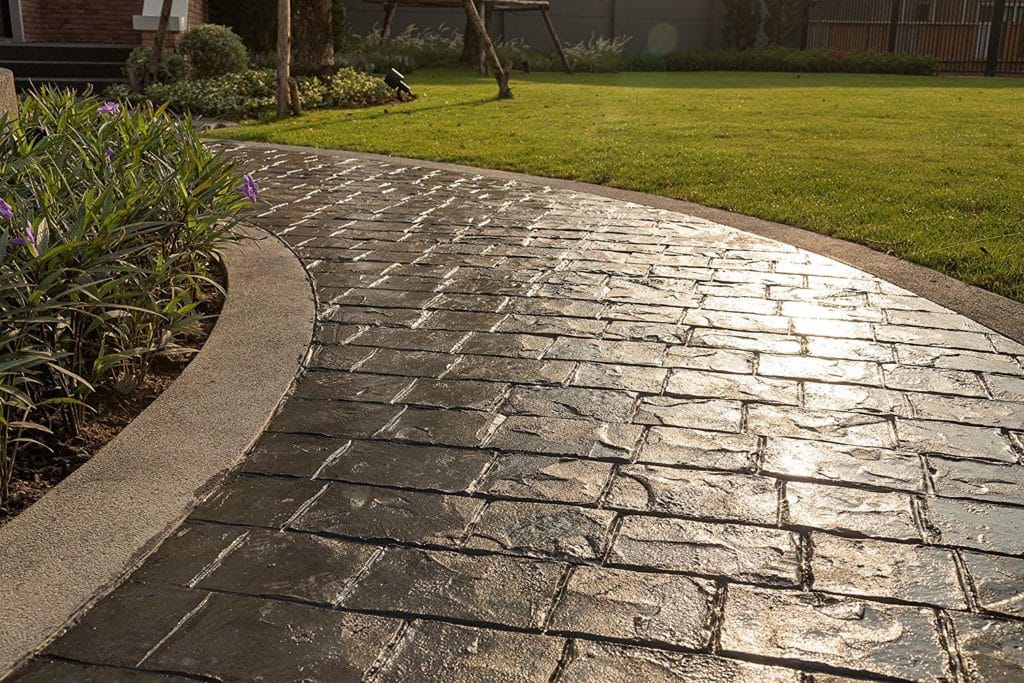
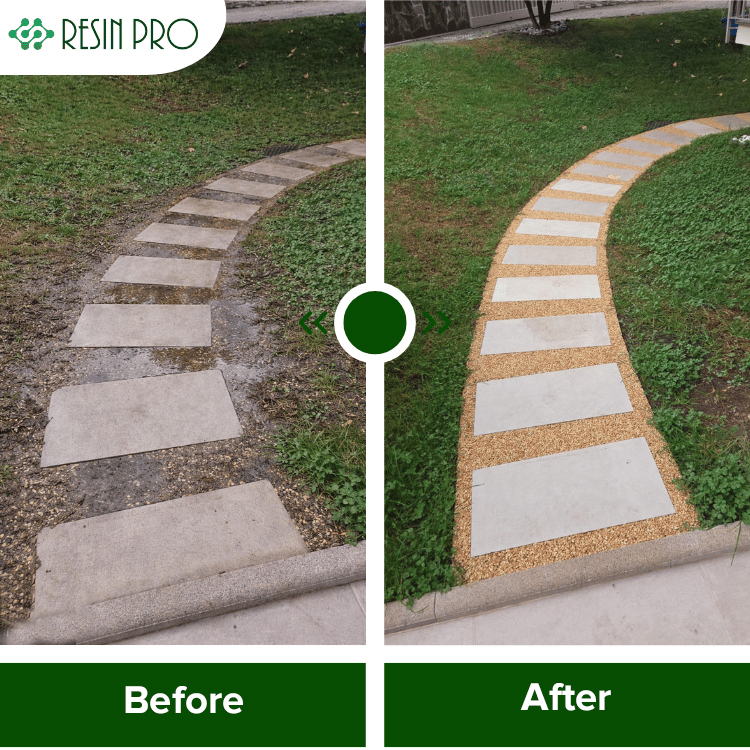
Explore our customer project gallery to view recent installations using resin-bound systems for driveways, patios, and interior floors. Notice the wide variety of finishes, colours, and patterns achievable with careful manual application.
Step 1: Prepare the Surface
Begin by thoroughly cleaning the existing floor area to remove all traces of dust, oil, loose debris, or previous coatings. The surface must be solid and level to ensure optimal adhesion; patch or fill any cracks with a recommended repair mortar, allowing it to cure completely before proceeding. For porous or challenging bases such as concrete, timber, or tiles, consider applying a primer such as Epoxyprimer – Universal Water-Based Two-Component Epoxy Floor Primer to promote lasting bonding and durability. Use a roller or brush to spread the primer evenly, and allow it to cure for at least 24 hours as per product instructions.

Step 2: Mix the Resin and Aggregates
Once your substrate is fully dry and primed, prepare your resin binder and decorative aggregates according to your chosen system. For permeable outdoor floors, combine the resin (or the ready-measured kit) with pebbles or grits in a clean mixing vessel or cement mixer. Mix thoroughly to ensure all aggregates are well coated and encapsulated by the resin—this prevents loose stones and enhances durability.
If you’re using “Trasparente” – Epoxy Binder for Coloured Pebbles and Grits, ensure aggregates are completely dry before mixing to avoid moisture-related curing issues. For quick protection and sealing over concrete floors, you may opt for “Resinstone” – One-Component Methacrylic Resin for Concrete Floors and Driveways, which can be applied directly without aggregates for a sealed, dust-resistant finish. Always follow manufacturer mixing ratios to ensure correct curing.
Step 3: Hand-Apply the Resin Flooring
Pour the resin/aggregate mixture evenly across the prepared surface. Use a trowel or float to distribute and level the product, working methodically to ensure consistent thickness and full coverage. Press down gently to compact and close the surface, but be mindful not to trap air bubbles, which can affect both strength and appearance. Pay attention to edges, transitions, and any detailed areas to maintain a neat finish throughout.
For maximum permeability and durability, products like the “Flowstone” – Complete Permeable Floor Kit can offer guidance on optimal thickness and layer unity. Take care not to add excessive water, as this will weaken the finished floor.

Step 4: Allow the Floor to Cure Properly
After application, protect your new resin floor from traffic, rain, and debris. Allow it to cure according to your resin system’s guidance—this usually ranges from 10 hours for walkability to a full 24–48 hours before heavy usage. Premature use can compromise surface quality and longevity. Cooler or more humid conditions may require extended curing times.
Tips and Common Mistakes to Avoid
- Ensure good ventilation when working with resins to maintain safety and assist curing, especially indoors.
- Allow adequate curing time at each stage: rushing any layer can lead to surface defects or poor durability.
- Avoid applying resin in high humidity or extreme temperatures: resin may not cure correctly, causing weakness or yellowing.
- Only use fully dried aggregates and clean tools; moisture and contamination can affect adhesion and finish.
- Clean tools promptly to prevent hardening and extend their lifespan for future use.
Expert Advice for Stunning Resin Floors
Plan your workflow and always check weather forecasts for outdoor projects. For further guidance, our technical specialists are ready to help you choose the right systems for any surface or style.
- "Flowstone" – Complete Permeable Floor Kit with Pebbles and ResinPrice range: £49.95 through £3,915.45"Flowstone" kit provides a permeable pebble and resin flooring solution with guidance for applications suited to UK outdoor spaces.
- "Resinstone" – One-Component Methacrylic Resin for Concrete Floors and DrivewaysPrice range: £36.71 through £336.48"Resinstone" one-component methacrylic resin is designed for sealing and protecting concrete floors and driveways with durable, breathable protection.
 "Trasparente" – Epoxy Binder for Coloured Pebbles and GritsPrice range: £33.45 through £397.95Transparent epoxy binder designed for coloured pebbles and grits, suitable for manual resin floors with clear and UV-resistant finish.
 "Epoxyprimer" – Universal Water-Based Two-Component Epoxy Floor PrimerPrice range: £156.45 through £286.45Epoxyprimer is a water-based two-component epoxy floor primer designed for reliable adhesion and durability on various substrates.
Frequently Asked Questions
Can I install a resin floor myself?
Yes, manual resin floors can be installed by DIYers or professionals with basic tools. Follow preparation and safety guidance for best results.
Do I need to use a primer before laying a resin floor?
Primer is recommended on porous or challenging surfaces to promote adhesion and prevent delamination.
How long does a resin floor need to cure before use?
Walkability is achieved after around 10–24 hours depending on resin type and conditions, but full hardness may take up to 48 hours.
What types of surfaces can a manual resin floor be applied to?
Resin systems can be used over concrete, screed, tiles, wood, and prepared exterior bases with suitable primers.
Is a manual resin floor permeable or waterproof?
Permeability or waterproofing depends on the binders and aggregates used. Some systems, like permeable pebble kits, allow water drainage.
Are manual resin floors resistant to weather and abrasion?
Resin floors are designed for durability, resisting weather, UV, and mechanical wear when the correct resin is chosen for the project.