 Free shipping on orders over £29,85
  Shipping Tracking!


 Google
 Facebook
← Back to How to repair an aluminum oil pan with resins?
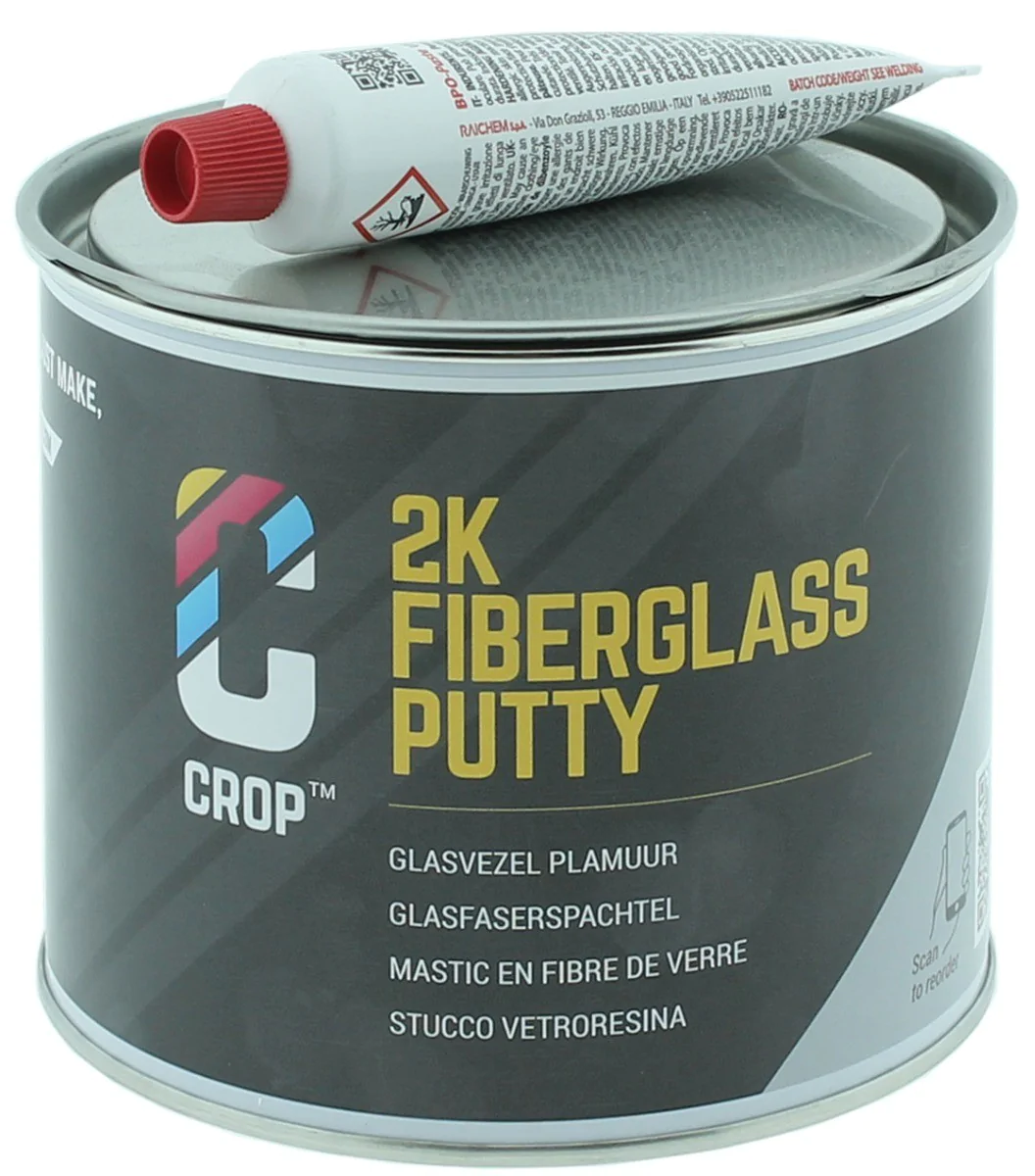
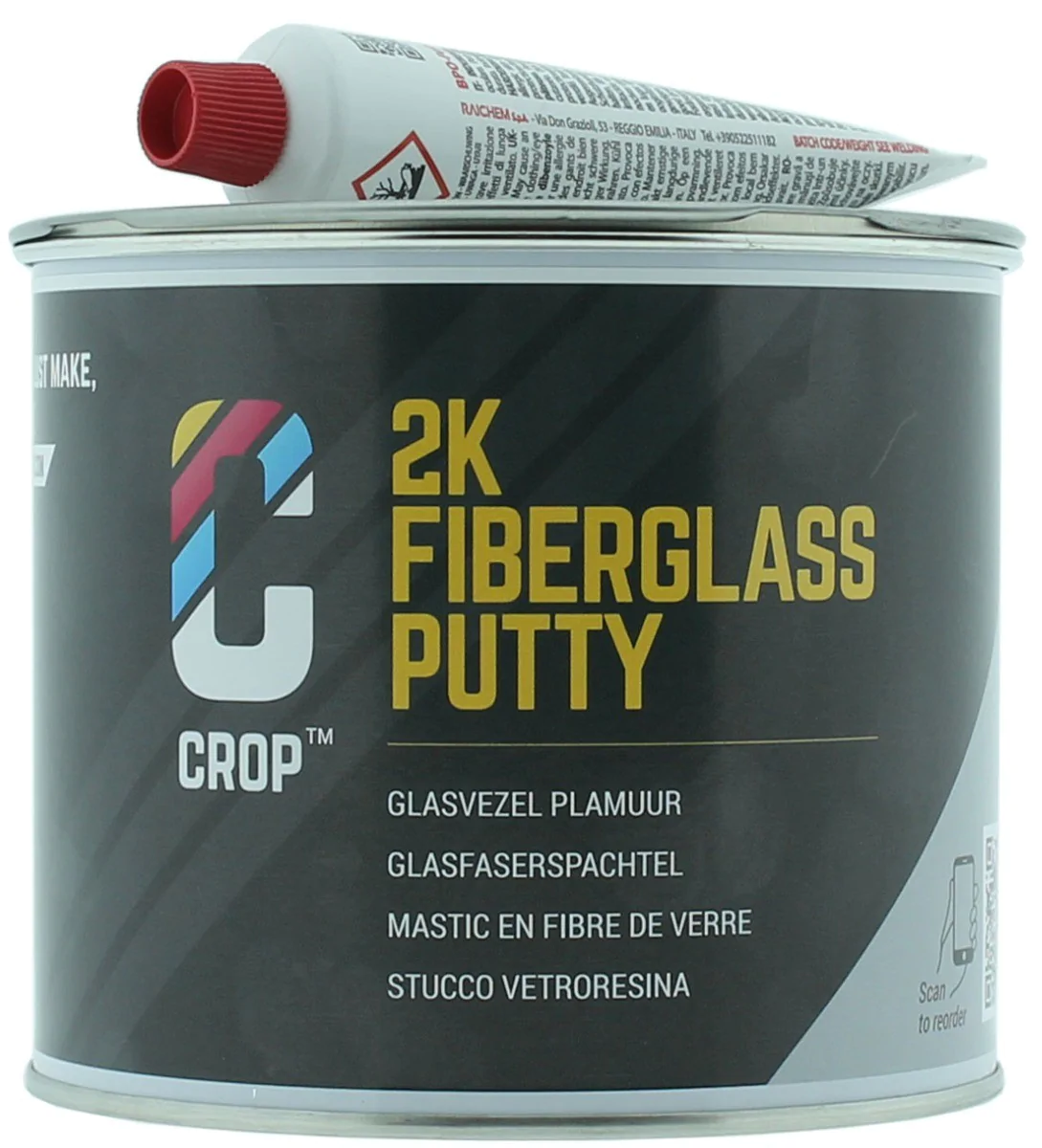
After repairing an aluminium oil pan with resin, epoxy, or putty, it’s critical to allow the product to fully cure before refitting and using the pan. Rushing this step can lead to weak spots and potential leaks.
Understanding Curing Times
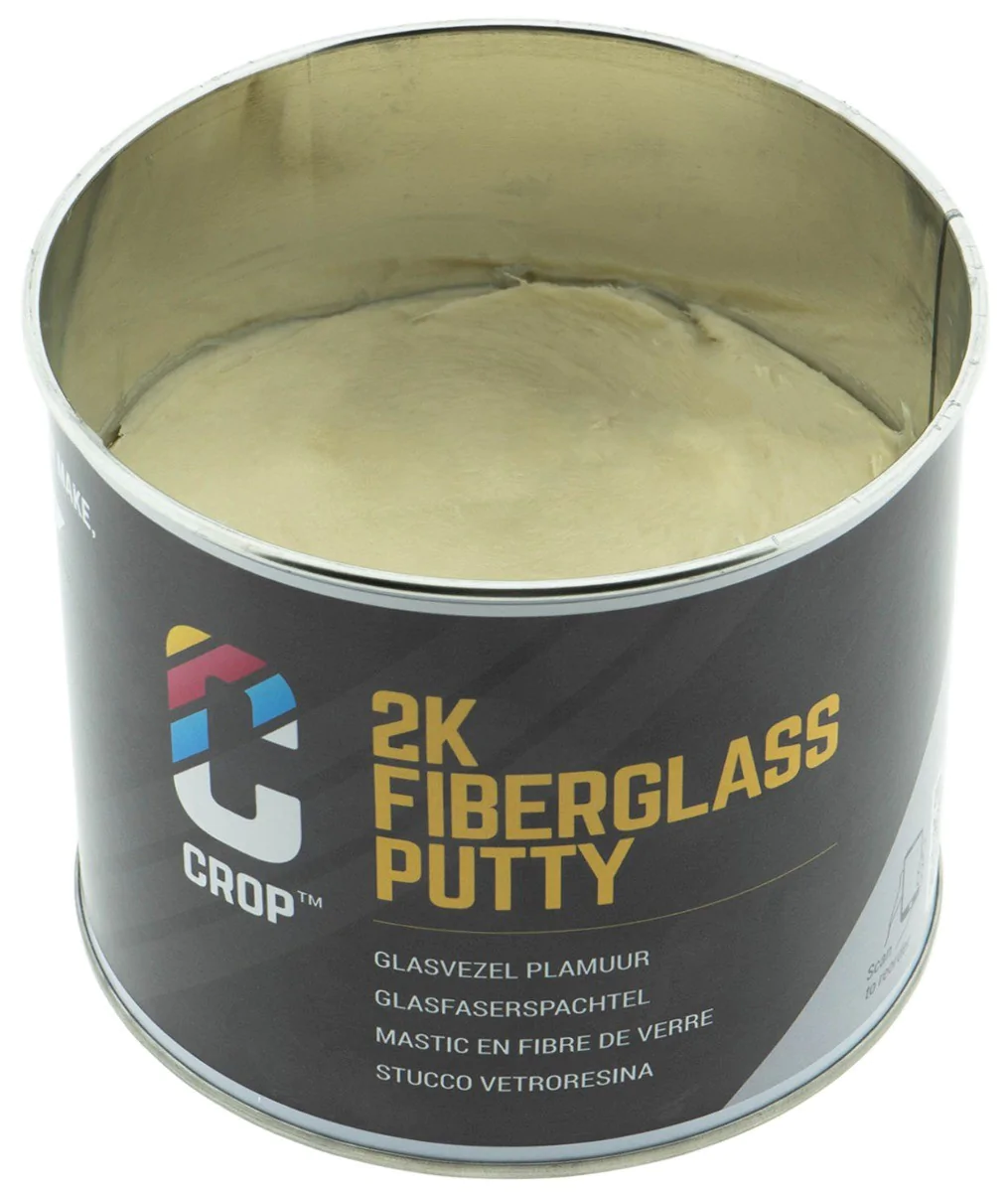
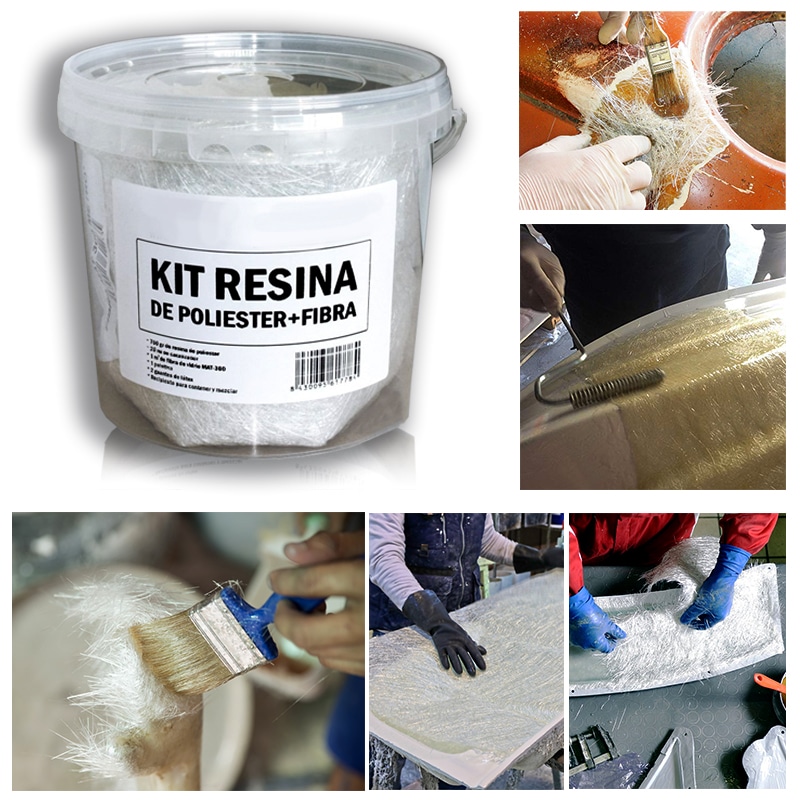
Curing time depends on the product used. Quick-set epoxy glues may set in about 30 minutes, making them suitable for urgent or minor repairs. Thick fibreglass-reinforced putties or conventional fibreglass resin solutions require more patience—often several hours or, for best results, leaving them to rest overnight. Always check the recommendations on your preferred product; for example, CROP 2K Fiberglass Putty provides robust mechanical strength after thorough curing.

Tips for Best Results
- Temperature and humidity: Warmer, dry environments help resins and putties cure more quickly and evenly. Always follow the manufacturer’s advice regarding working and curing temperatures.
- Layer thickness: Thicker applications may extend curing times. Avoid disturbing or sanding the repair until it is solid and cold to the touch.
- Testing the repair: Before reinstalling or refilling the oil pan, gently tap or press the repaired area. It should feel hard, with no tackiness or give.
When This Matters Most
Allowing full cure is especially crucial for repairs that will be exposed to mechanical stress, oil, and engine vibration. Premature use may cause resins to fail, leading to leaks or additional damage.
Related products
Related guides
Patience during the curing stage is key to a successful aluminium oil pan repair. For more detail on effective products and step-by-step guidance, see our main guide on aluminium oil pan repairs with resins.