 Free shipping on orders over £29,85
  Shipping Tracking!


 Google
 Facebook
How to repair an aluminum oil pan with resins?
Step-by-step repair for strong, leak-free aluminium oil pans
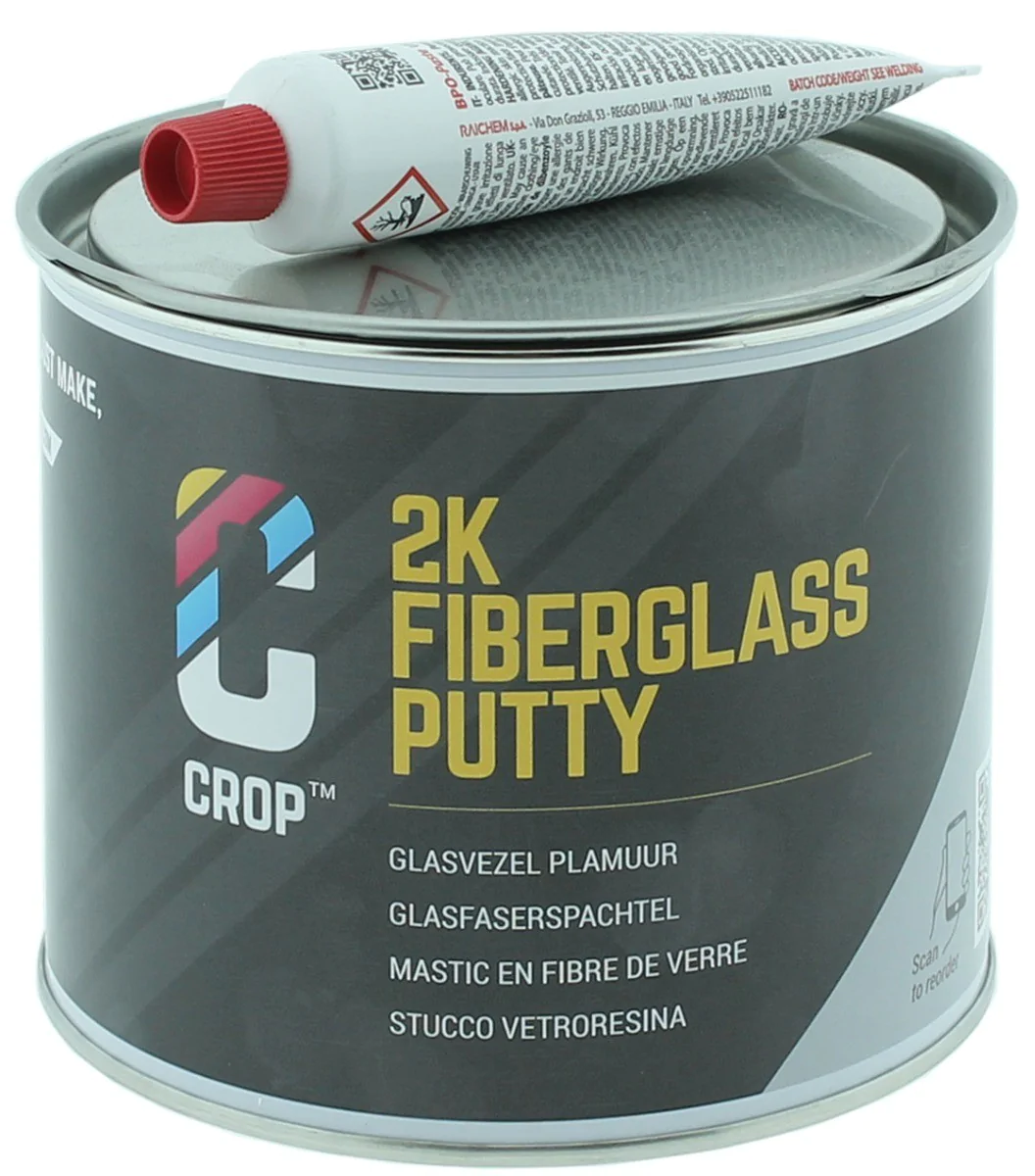
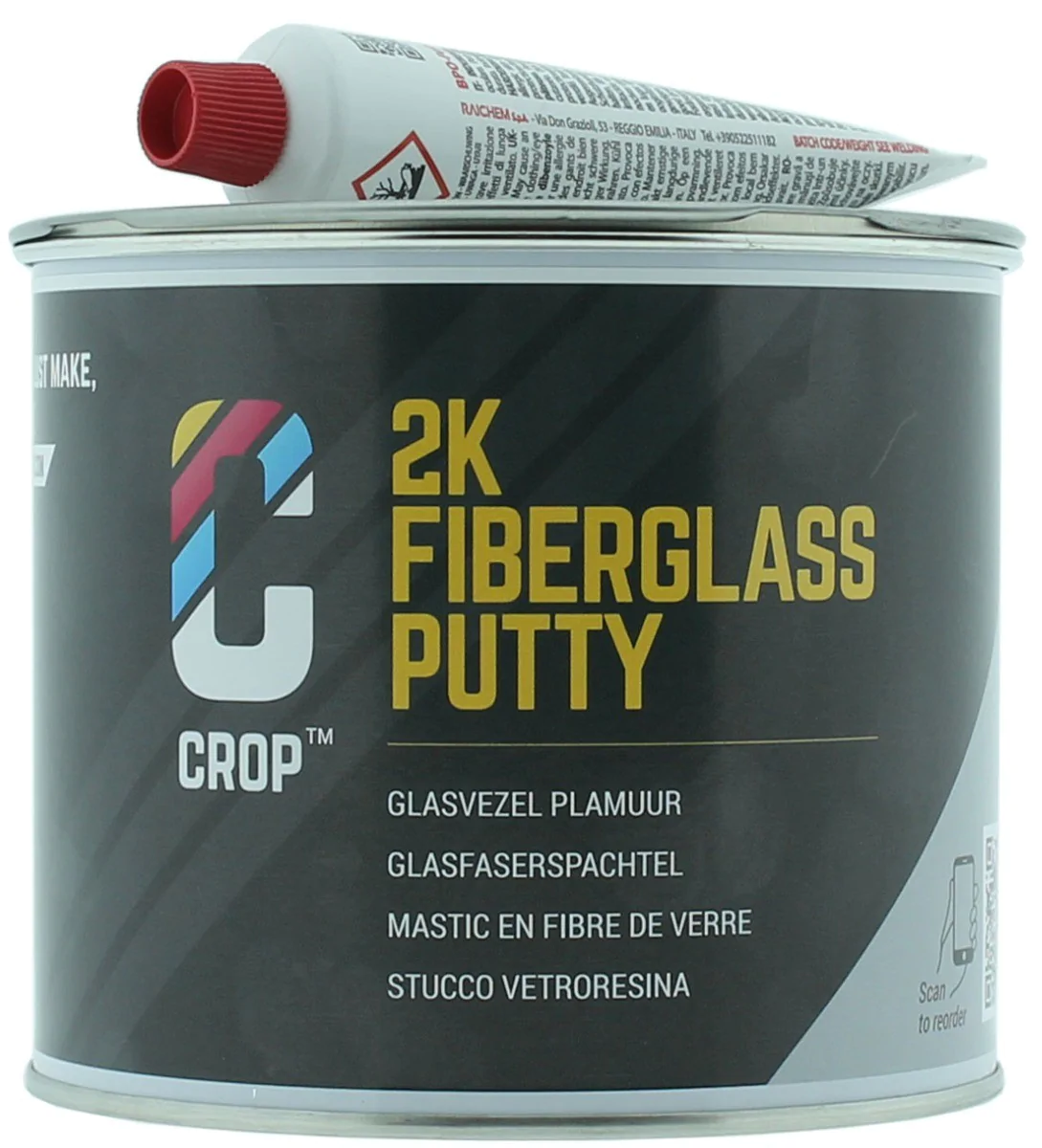
Repairing an aluminium oil pan can save significant costs and downtime, especially when cracks or punctures cause leaks. This comprehensive guide walks you through the resin-based repair process to restore your oil pan’s structural integrity, prevent leaks, and extend its working life. Designed for automotive enthusiasts, home mechanics, and professionals alike, these steps focus on achieving long-lasting results using modern resin solutions.
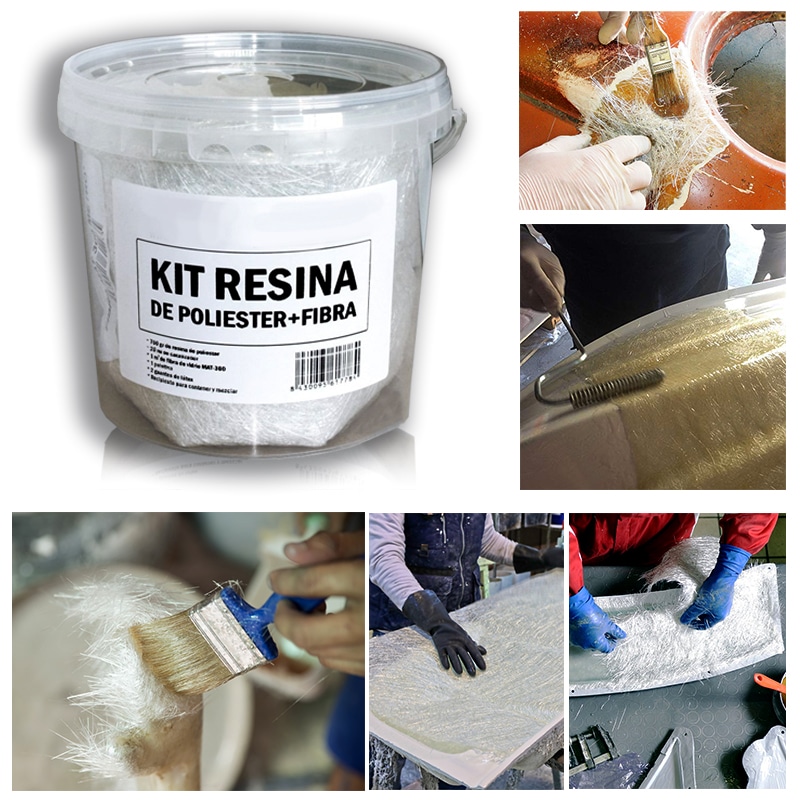
What You’ll Need
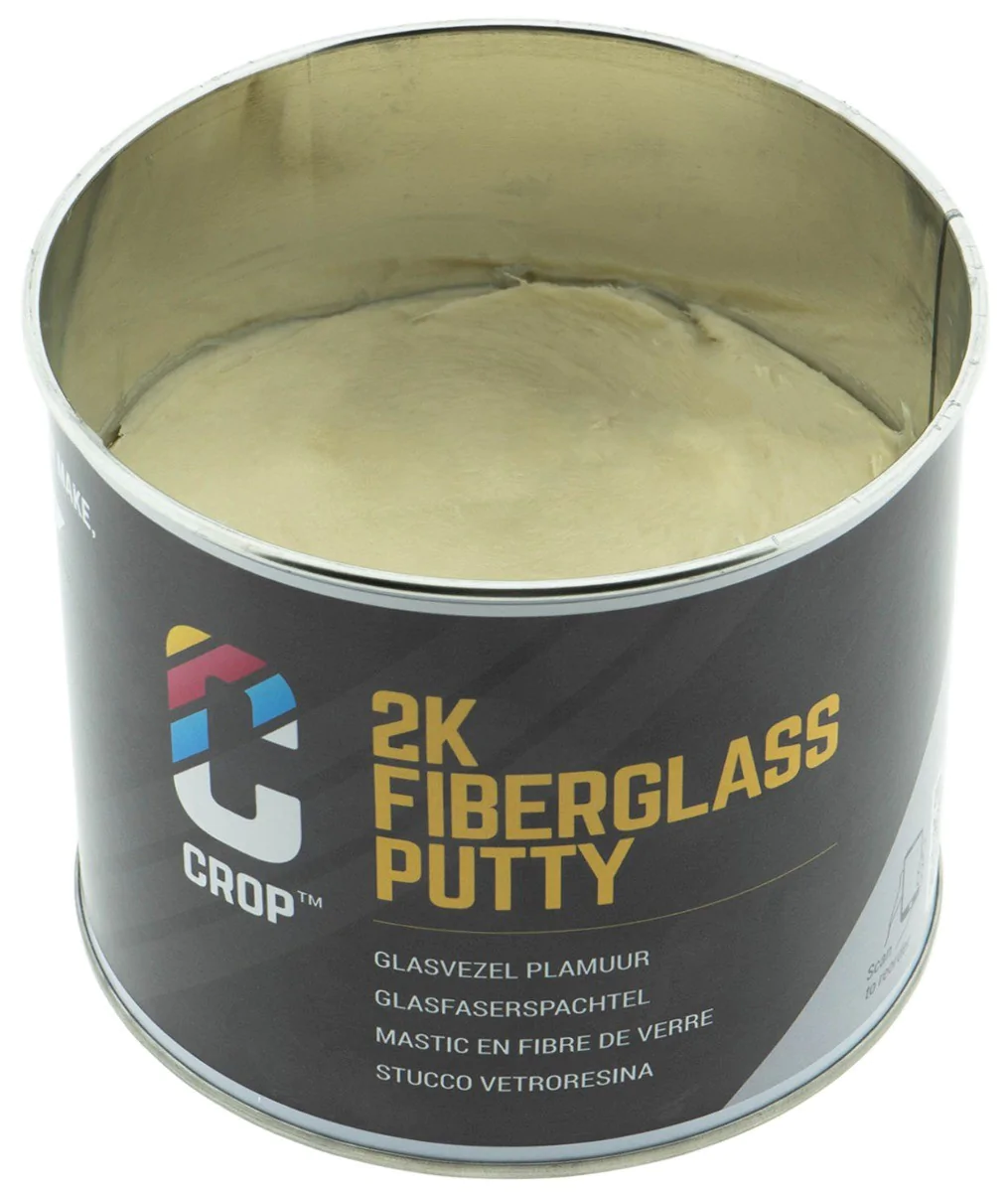
- CROP 2K Fiberglass Putty – 750 ml + Hardener: A fibreglass-reinforced putty for deeper damage and corrosion resistance
- Resin Fibreglass Repair Kit – Complete Polyester Resin and Hardener Set: Complete kit for structural reinforcement and waterproof repair
- “FixExpress” – Two-Component Epoxy Glue 500g: For quick, strong adhesive bonds on cracks and minor damage
- “Carbon Resin” – Epoxy Resin for Carbon Fiber & Fiberglass Coating: Advanced composite resin for high-impact reinforcement
- Sandpaper (various grits)
- Solvent/degreaser (such as acetone)
- Mixing tools, brushes, protective gloves, and safety glasses
- Cloths and masking tape
Visual Guide to Oil Pan Surface Preparation
See step-by-step photos of real aluminium oil pans being thoroughly cleaned, sanded, and masked prior to resin application. Surface preparation is the foundation of a strong and leak-free repair: do not skip this step.
Step 1: Clean and Prepare the Oil Pan Surface
Thoroughly degrease and clean the oil pan using solvent to remove any traces of oil, grease, and grime. This is a vital first step, as surface contaminants can prevent adhesion and compromise repair durability. Pay extra attention to the perimeter of the damage.
Remove loose paint, oxidation, and contaminants with sandpaper, ensuring the area around the crack or hole is clear and smooth. For best results, sand around the crack or hole to bare metal, feathering outward at least 2–3 centimetres.
After sanding, use an acetone wipe for increased bond strength and allow the area to air dry completely. Ensure the area is completely dry before proceeding to avoid trapping moisture beneath the resin or putty.
Step 2: Apply the Resin or Putty Repair System
Assess the extent of the damage to select the appropriate resin repair solution. For larger cracks, punctures, or areas requiring serious reinforcement, a putty or fibreglass system is recommended. For small cracks or quick fixes, a rapid epoxy is sufficient.
- If you need to fill deeper dents or corrosion-prone areas, use CROP 2K Fiberglass Putty – 750 ml + Hardener. Mix the two components thoroughly as instructed, then press the putty firmly into the crack or hole, building it up in layers if necessary for strength.
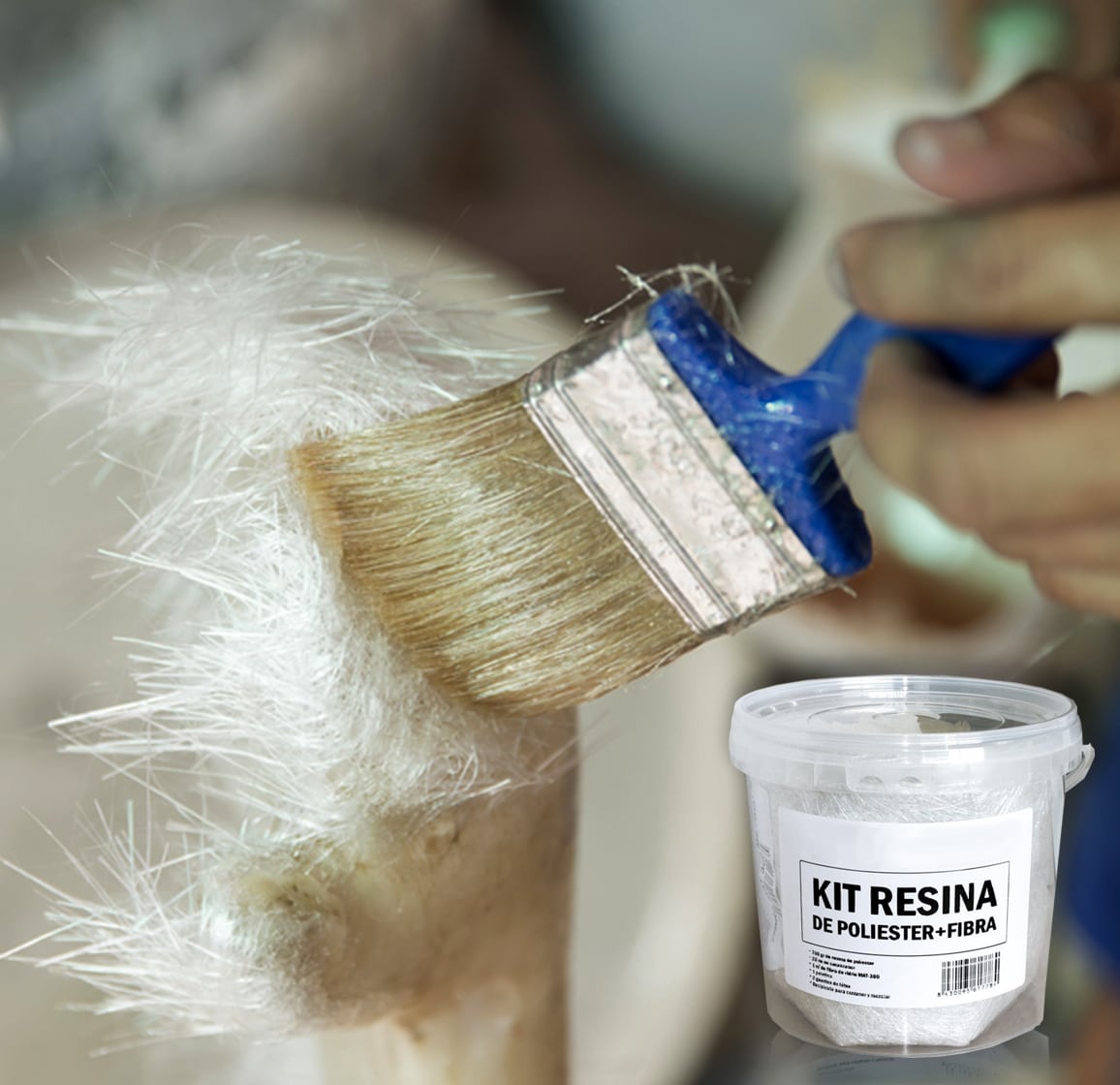
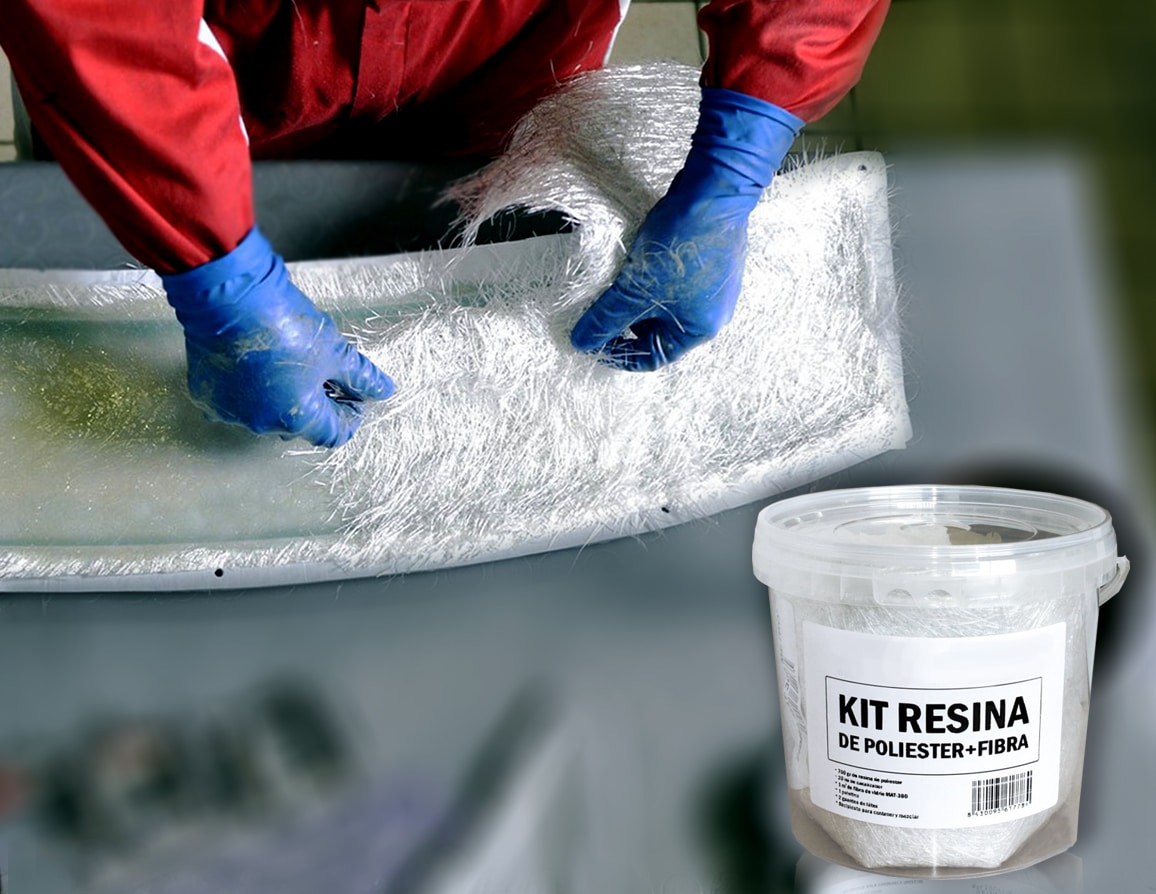
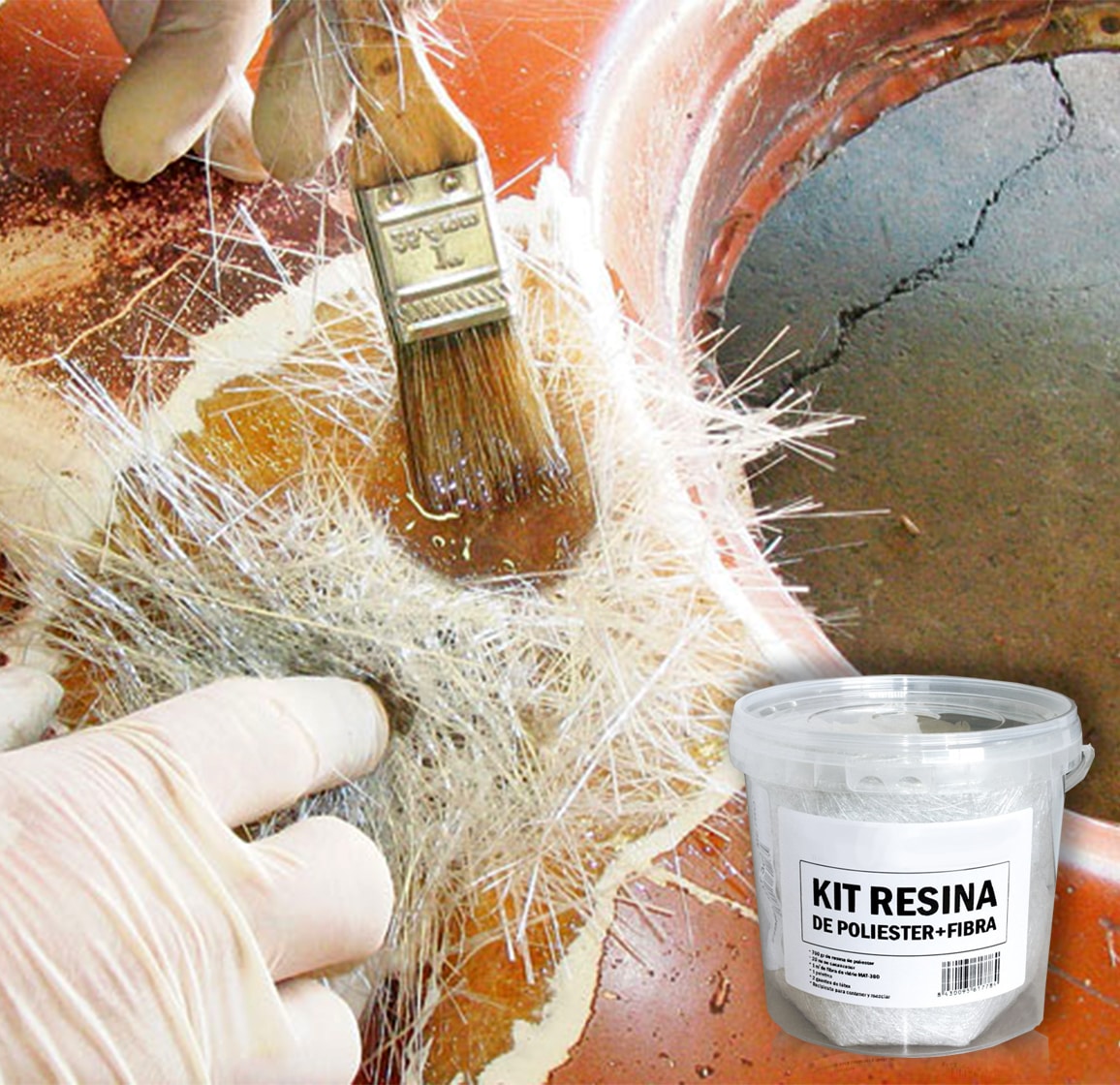
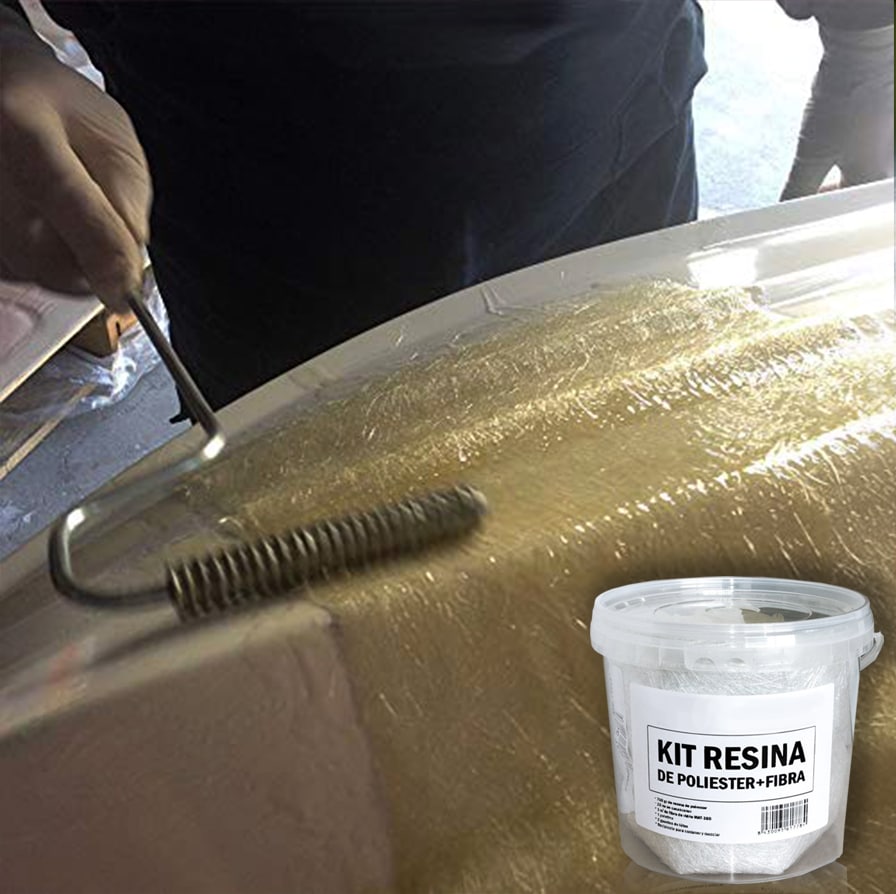
- For structural reinforcement with waterproofing, the Resin Fibreglass Repair Kit – Complete Polyester Resin and Hardener Set provides everything you need. After mixing the resin and hardener, cut a patch of fibreglass mat to size, impregnate it fully, then lay it carefully over the sanded repair zone. Smooth with a brush for even resin distribution.
- To quickly seal a small crack or join light parts, apply “FixExpress” – Two-Component Epoxy Glue 500g with a spatula. Mix in a 1:1 ratio and work swiftly due to its rapid set time. Be precise—over-application can make finishing messy.
- For maximum impact resistance or for repairs intending to bond composite fabrics, work with “Carbon Resin” – Epoxy Resin for Carbon Fiber & Fiberglass Coating. This resin is ideal if you wish to add a layer of glass fabric or carbon fibre for hard-wearing repair.
Mix the resin system precisely as directed on the label. Apply suitable tape or masking for neat resin boundaries and to protect adjacent surfaces if desired.
Step 3: Allow the Repair to Cure and Finish
Leave the repaired area to cure undisturbed for the times advised by your chosen product—this typically ranges from 30 minutes (for rapid repairs) up to several hours or overnight for full strength and water resistance. Allow sufficient curing time before refitting the pan to prevent failure.
Once cured, sand the repair area using progressively finer grits for a smooth transition to the original pan surface. If needed, clean with a solvent again. You may now apply primer and paint to restore appearance and add another layer of corrosion protection.
Tips & Troubleshooting: Achieving a Lasting Oil Pan Repair
- Do not attempt repairs while pan is attached to the engine: Remove the oil pan before beginning for optimal access and cleanliness.
- Always use protective gloves and ensure adequate ventilation during mixing and application.
- For best adhesion, never rush the cleaning, sanding, or curing steps.
- Check for drips or runs during application and smooth immediately for a neat result.
- If you spot a porous or incomplete fill, sand back and apply additional product rather than leaving a weak spot.
- Test with a small quantity of oil or water after full cure to ensure watertightness before reinstalling.
Examples of Successful Resin-Based Oil Pan Repairs
Before-and-after results of resin-reinforced repairs: notice how proper application of putty, fibreglass, or epoxy transforms cracked oil pans into reliable, sealed components ready to return to service.

- CROP 2K Fiberglass Putty – 750 ml + Hardener£15.85CROP 2K Fiberglass Putty is a two-component polyester putty with fibreglass reinforcement, suited for filling and repairing cracks and dents.
- Resin Fibreglass Repair Kit – Complete Polyester Resin and Hardener SetThe Resin Fibreglass Repair Kit offers a complete and versatile polyester resin solution suitable for composite and rigid repairs.
 "FixExpress" – Two-Component Epoxy Glue 500g£26.95"FixExpress" two-component epoxy glue offers quick setting and strong adhesion useful for repairs, fitting the theme of aluminium oil pan repairs.
 "Carbon Resin" – Epoxy Resin for Carbon Fiber & Fiberglass CoatingPrice range: £19.95 through £37.95"Carbon Resin" is an epoxy designed for composites and technical fabrics, supporting high impact resistance and a professional finish.
Frequently Asked Questions
How important is surface preparation for oil pan repairs?
Proper cleaning and sanding are absolutely essential to ensure adhesion and a durable, leak-free repair when using any resin or putty.
Which resin should I use for cracks in an oil pan?
For cracks, a fibreglass-reinforced putty or fibreglass repair kit gives the strongest and most durable result. Fast epoxy glues may suit very minor cracks.
How long should resin or putty cure before using the oil pan?
Always wait until the repair is fully cured—this can range from 30 minutes for quick-set glues to several hours or overnight for fibreglass and traditional resins.
How can I prevent leaks after oil pan repair?
Ensure thorough surface preparation, careful application, and adequate curing. Always verify watertightness before reinstalling and filling with oil.
Can I paint over a fibreglass or epoxy repair on an oil pan?
Yes, once cured and sanded, the area can be primed and painted for added protection and a seamless finish.
Do I need to remove the oil pan from the vehicle for repair?
Removal is strongly recommended for best access and a reliable, clean repair. In situ repairs may struggle to control contamination.
How durable is a resin-based oil pan repair compared to replacement?
A well-executed resin repair can restore function and last for years, though major structural damage is best addressed with a new pan.
What safety precautions should I take when repairing with resins?
Always wear gloves, eye protection, and work in a ventilated area. Dispose of wipes and resin waste responsibly.