 Free shipping on orders over £29,85
  Shipping Tracking!


 Google
 Facebook
How do you reinforce an airplane cart with a resin structure?
Step-by-step guide to strengthen your cart for lasting durability


Reinforcing an airplane cart with a resin structure is a highly effective way to restore its strength, stability, and load-bearing capabilities. Whether your aim is to repair damage, improve rigidity, or prevent further wear and tear, a resin reinforcement provides a reliable, professional-grade solution suitable for both industrial and advanced DIY use.
What You’ll Need
- “Carbon Resin” – Epoxy Resin for Carbon Fiber & Fiberglass Coating: Specialist epoxy resin formulated for carbon fibre and fibreglass projects requiring good impregnation and impact resistance.
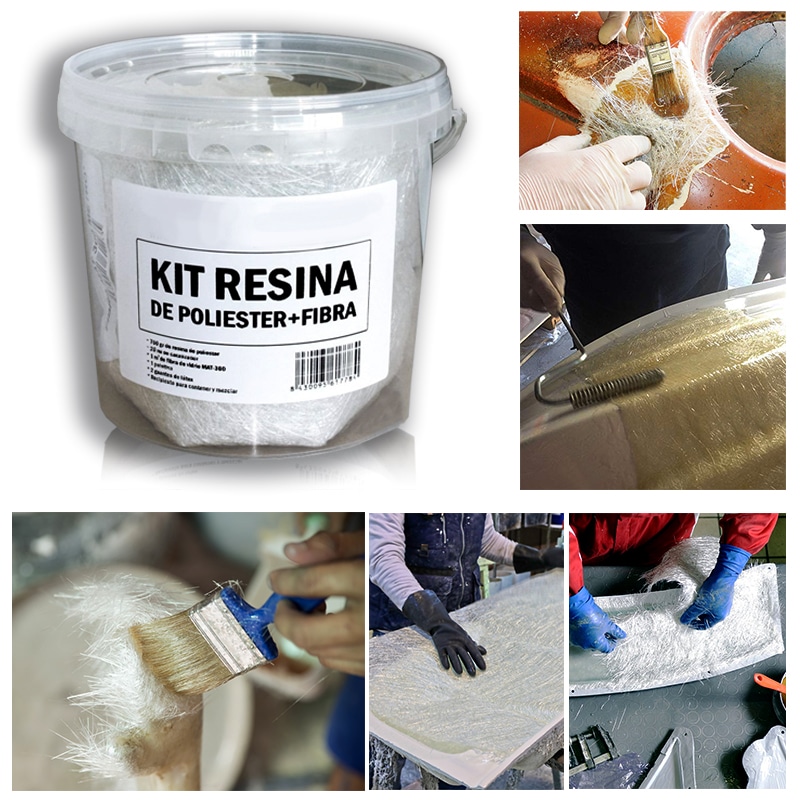
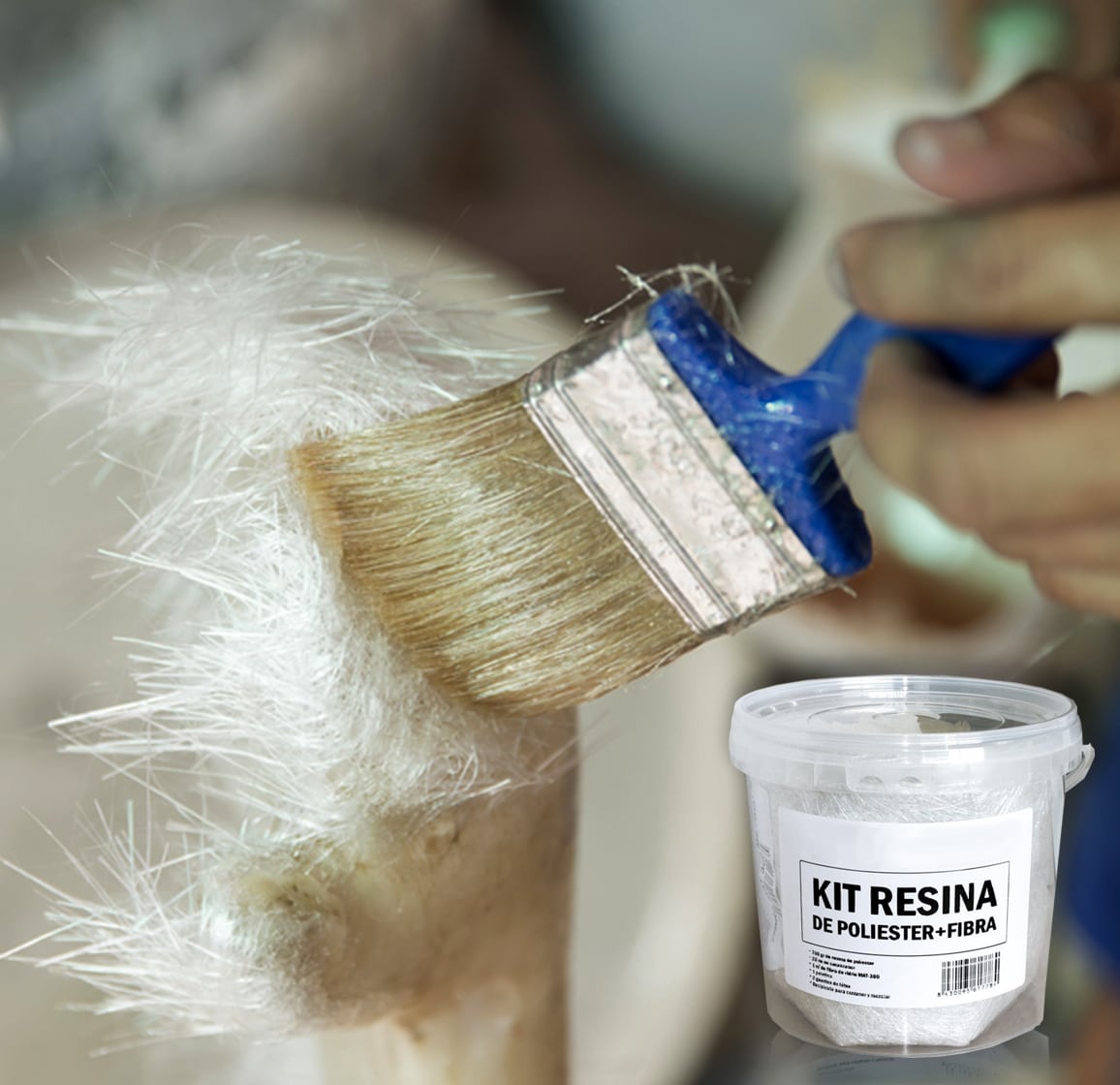
- Resin Fibreglass Repair Kit – Complete Polyester Resin and Hardener Set: Comprehensive repair kit for waterproof and durable fibreglass structural repairs.
- CROP 2K Fiberglass Putty – 750 ml + Hardener: Two-component fibreglass-reinforced polyester putty for filling and levelling.
- “3D Finish” – Fast Coating Epoxy Resin for 3D Prints: Fast-curing epoxy resin for finishing or reinforcing detailed surfaces.
- Coarse and fine sandpaper
- Protective gloves and goggles
- A clean, dust-free workspace
- Mixing containers and brushes or rollers
- Fibreglass or carbon fibre fabric (if reinforcing larger areas)

Essential Tools and Products for Airplane Cart Reinforcement
Gather your chosen resin, fibreglass or carbon fibre fabric, and surface preparation materials before you begin. Proper planning is critical for ensuring even resin application and maximum structural effectiveness. Professional results are best achieved using product-specific instructions and recommended safety gear.

Step 1: Prepare and Clean the Cart Surface
Begin by removing any loose paint, rust, oils, or old coatings from the area to be reinforced. Use abrasive sandpaper or a wire brush to scuff the surface, ensuring better adhesion of the resin. A clean, roughened surface will allow the resin to chemically bond and deliver structural strength. Wipe away any dust or debris with a lint-free cloth. Ensure the workspace is well-ventilated and always wear protective gloves and goggles throughout the process.
Pay particular attention to corners, joints, or areas of previous damage, as these are typical weak points in an airplane cart’s construction.
Step 2: Apply the Structural Resin Layer
Select the appropriate reinforcement resin based on the cart’s material and application size. For large or load-bearing reinforcements requiring high impact resistance and fine structural impregnation, “Carbon Resin” – Epoxy Resin for Carbon Fiber & Fiberglass Coating is preferred due to its superior strength with carbon fibre or fibreglass fabric.
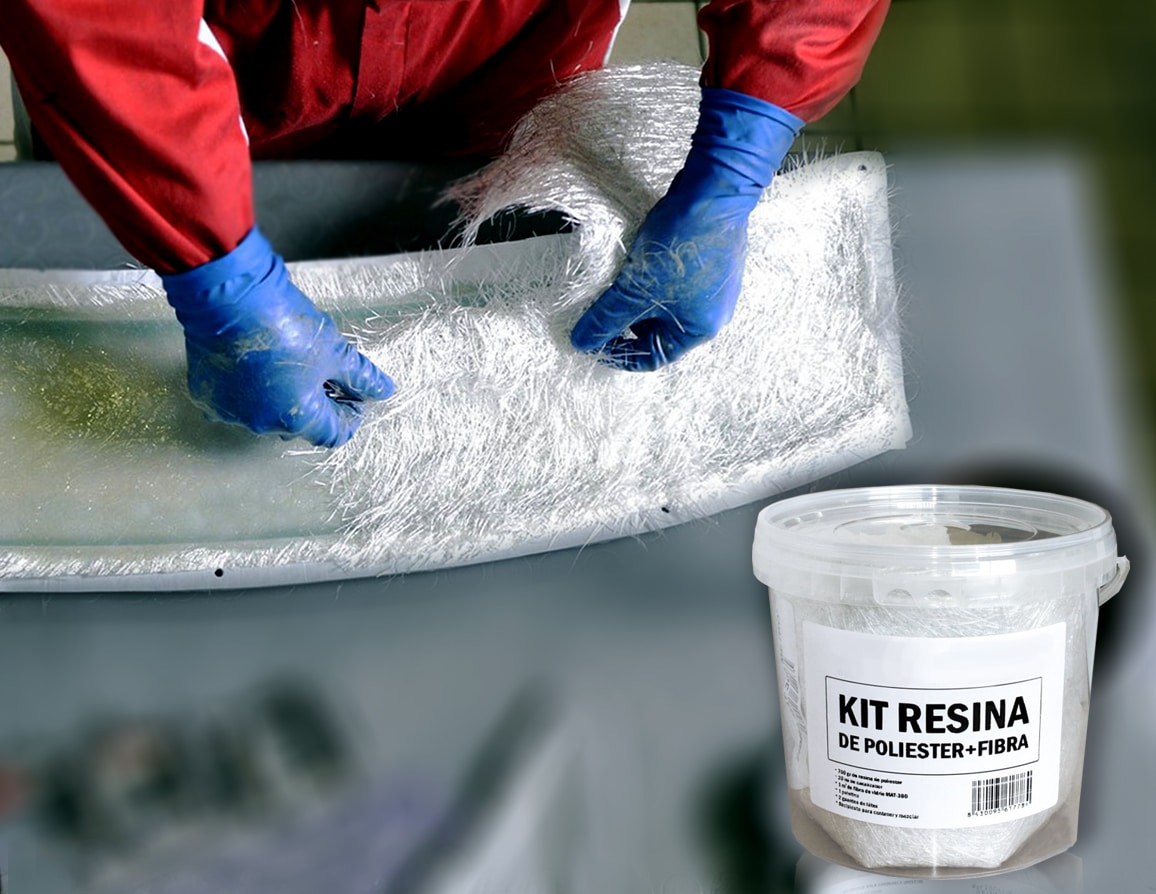
Mix the resin and hardener according to the product’s technical instructions. Lay down the fibreglass or carbon fibre fabric if needed, ensuring it is well-adjusted to the cart’s contours. Wet out the fabric evenly with the mixed resin using a brush or roller, making sure to remove trapped air bubbles for a strong, void-free bond. Multiple thin layers typically provide more uniform structural results than a single thick coat.
Step 3: Fill and Shape for Stability
Once the base reinforcement has cured, inspect for any gaps, dents, or uneven areas needing additional filling. Use CROP 2K Fiberglass Putty – 750 ml + Hardener to fill large cavities or surface imperfections. This fibreglass-reinforced putty is easy to apply in thicker sections, adding further integrity to joints and corners.
Allow the putty to cure fully as directed before sanding smooth. This preparation ensures the final finish is even and ready for any topcoats or paint you may wish to apply later.
Step 4: Final Finish and Curing
For detailed or smaller sections, or if a high-gloss, durable surface is required, coat the repair with “3D Finish” – Fast Coating Epoxy Resin for 3D Prints. This provides a fast-setting, clear finish that enhances mechanical strength and smooths out minor imperfections, helping protect against incidental impacts and abrasion.
Allow all resin layers to cure as per individual product guidelines. Proper curing time ensures the reinforced structure achieves maximum toughness and longevity.
Tips & Common Mistakes to Avoid
Complete repair kit: When starting, having all tools and supplies within reach minimises errors and maintains consistent workflow.
Exceptional durability: Avoid shortcuts in surface preparation as contaminants will compromise adhesion and integrity.
Versatile application: Use reinforcement fabrics matched to your cart’s needs—carbon fibre for maximum strength or fibreglass for reliable versatility.
Fibreglass-reinforced formula: Always mix resins and putties thoroughly to prevent soft, uncured patches.
Ideal for bodywork repairs: Sand between coats for the smoothest result, and respect recommended curing durations.
Resistant to moisture, water, chemicals and corrosion: When applying to metal, ensure the surface is dry to prevent future rust under the resin.
Easy to sand and finish: If excessive dripping or pooling occurs, opt for faster setting or non-drip resin varieties suitable for vertical surfaces.
Strengthen Complex Structures with the Right Resin System
Selecting a resin system tailored to your project’s requirements ensures lasting reinforcement. Take care with layer thickness, curing times, and correct application technique to achieve optimal results. For advanced cart designs, consider consulting a composites professional for complex repairs or structural modifications.

- "Carbon Resin" – Epoxy Resin for Carbon Fiber & Fiberglass CoatingPrice range: £19.95 through £37.95Epoxy resin designed for carbon fibre and fibreglass, suitable for composites and technical fabrics with a glossy, durable finish.
- Resin Fibreglass Repair Kit – Complete Polyester Resin and Hardener SetThis kit provides a complete polyester resin and fibreglass mat repair solution suitable for structural reinforcement and waterproof bonding.
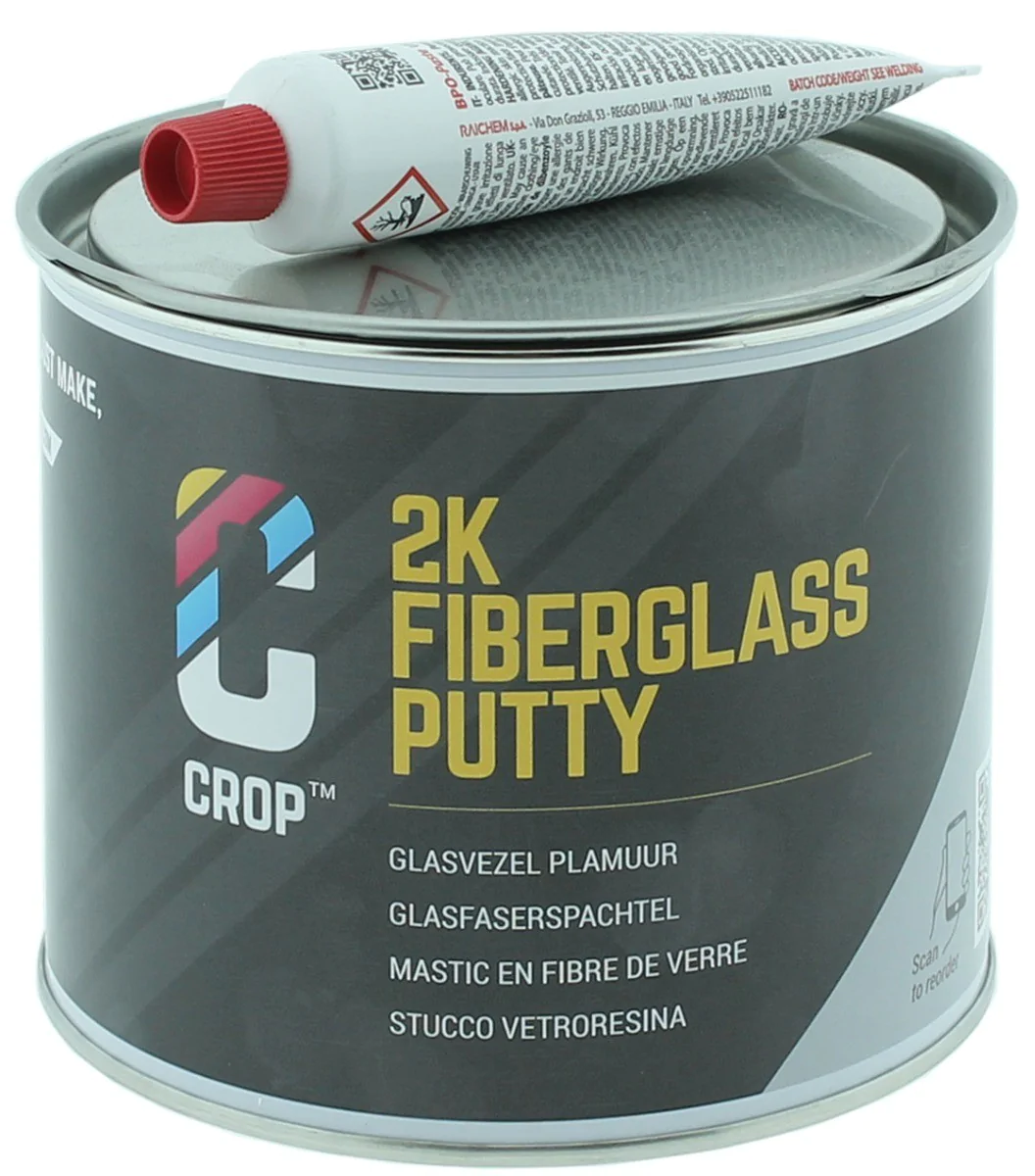 CROP 2K Fiberglass Putty – 750 ml + Hardener£15.85CROP 2K Fiberglass Putty is reinforced with fibreglass for strength and durability, suitable for bodywork repairs and preparing surfaces for…
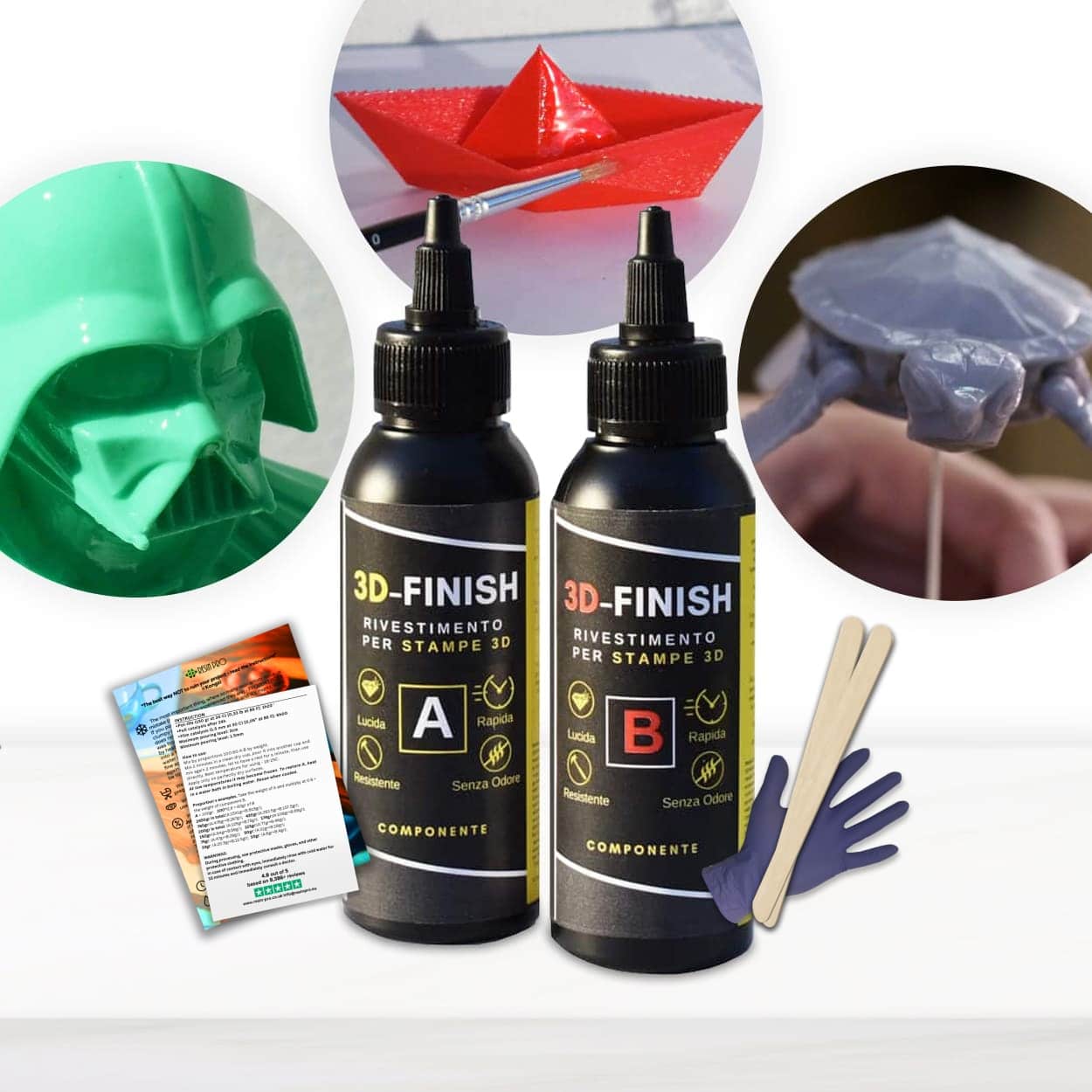 "3D Finish" – Fast Coating Epoxy Resin for 3D PrintsPrice range: £13.95 through £19.953D Finish is a fast-curing, non-drip epoxy coating suitable for enhancing and protecting 3D printed models.
Frequently Asked Questions
Which resin type is best for reinforcing the structure of an airplane cart?
Epoxy resins formulated for carbon fibre or fibreglass are generally recommended for maximum strength and durability in structural reinforcement tasks.
Can these resin systems adhere securely to the metal surfaces found on airplane carts?
Yes, proper surface preparation enables these resins to bond well to metals, enhancing strength and resistance to corrosion when applied correctly.
How can I prevent bubbles and voids when applying resin to reinforce an airplane cart?
Apply resin in thin layers, work out any air bubbles with a roller or brush, and use slow curing resins for larger surfaces to minimise trapped air.
Is polyester resin suitable for reinforcing an airplane cart, or should I use epoxy?
Polyester resin can provide excellent strength when used with fibreglass, but epoxy resins typically offer superior adhesion and long-term durability.
What is the typical curing time when reinforcing with resin?
Cure times vary by resin system; some fast coatings cure in a few hours, while structural epoxies may require up to 24 hours for full hardness.
Should I reinforce the entire airplane cart with resin, or just high-stress areas?
It is best to reinforce only areas exposed to stress or wear, as this conserves materials and maximises effectiveness.