 Free shipping on orders over £29,85
  Shipping Tracking!


 Google
 Facebook
How is resin installed on floors?
Step-by-step instructions for flawless resin floor results
Installing resin flooring delivers a strong, durable, and visually appealing surface suitable for residential, commercial, and outdoor settings. This guide is designed for homeowners, renovators, and professionals wanting to achieve seamless, long-lasting results with resin flooring. We break down each stage, from preparation through to protection and finishing, to help you avoid common mistakes and ensure your floor stands up beautifully to daily use.
What You’ll Need
- “Epoxyprimer” – Universal Water-Based Two-Component Epoxy Floor Primer: For enhanced adhesion on concrete, tile, screed, or timber substrates.
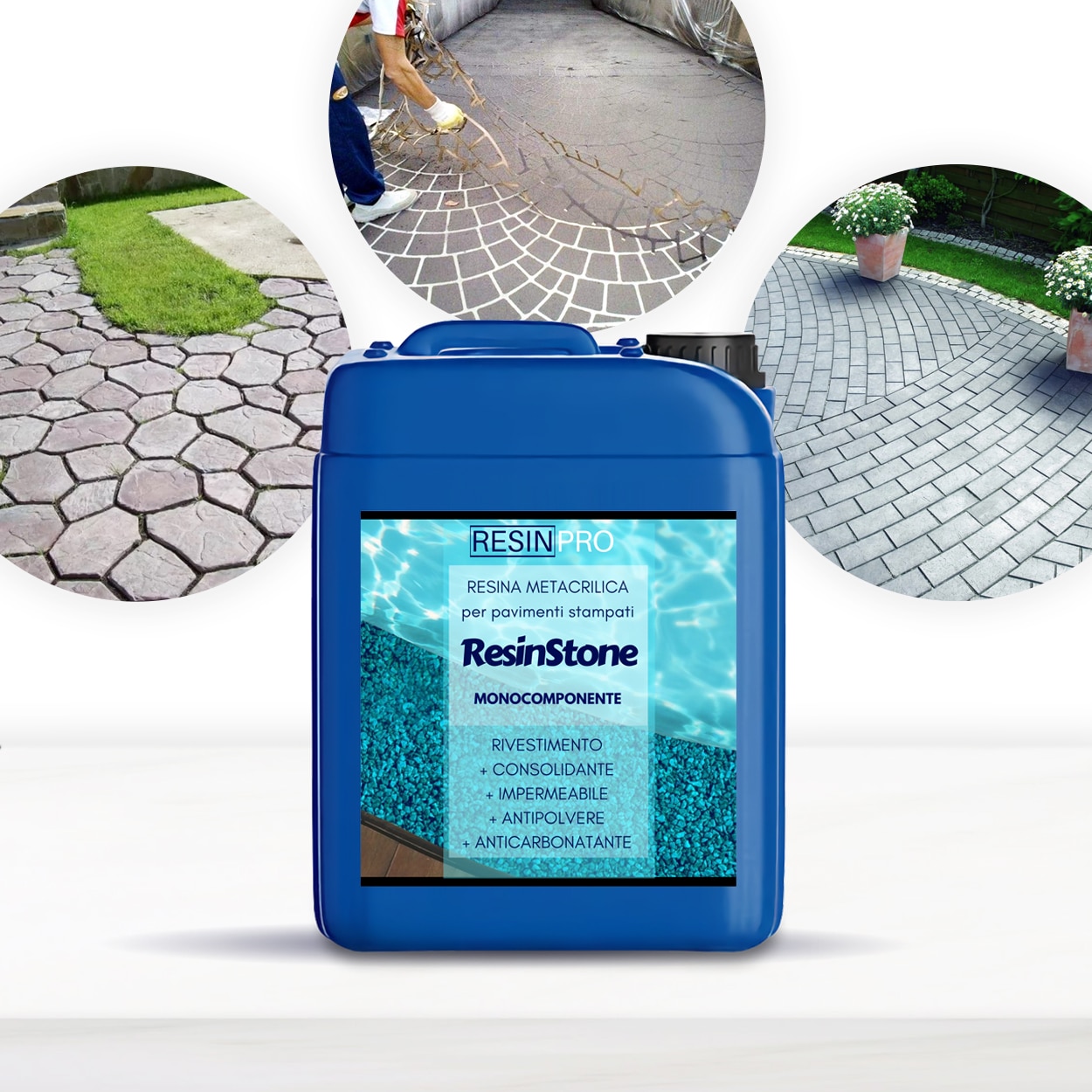
- “Resinstone” – One-Component Methacrylic Resin for Concrete Floors and Driveways: Ideal for sealing, protecting, and strengthening concrete bases.
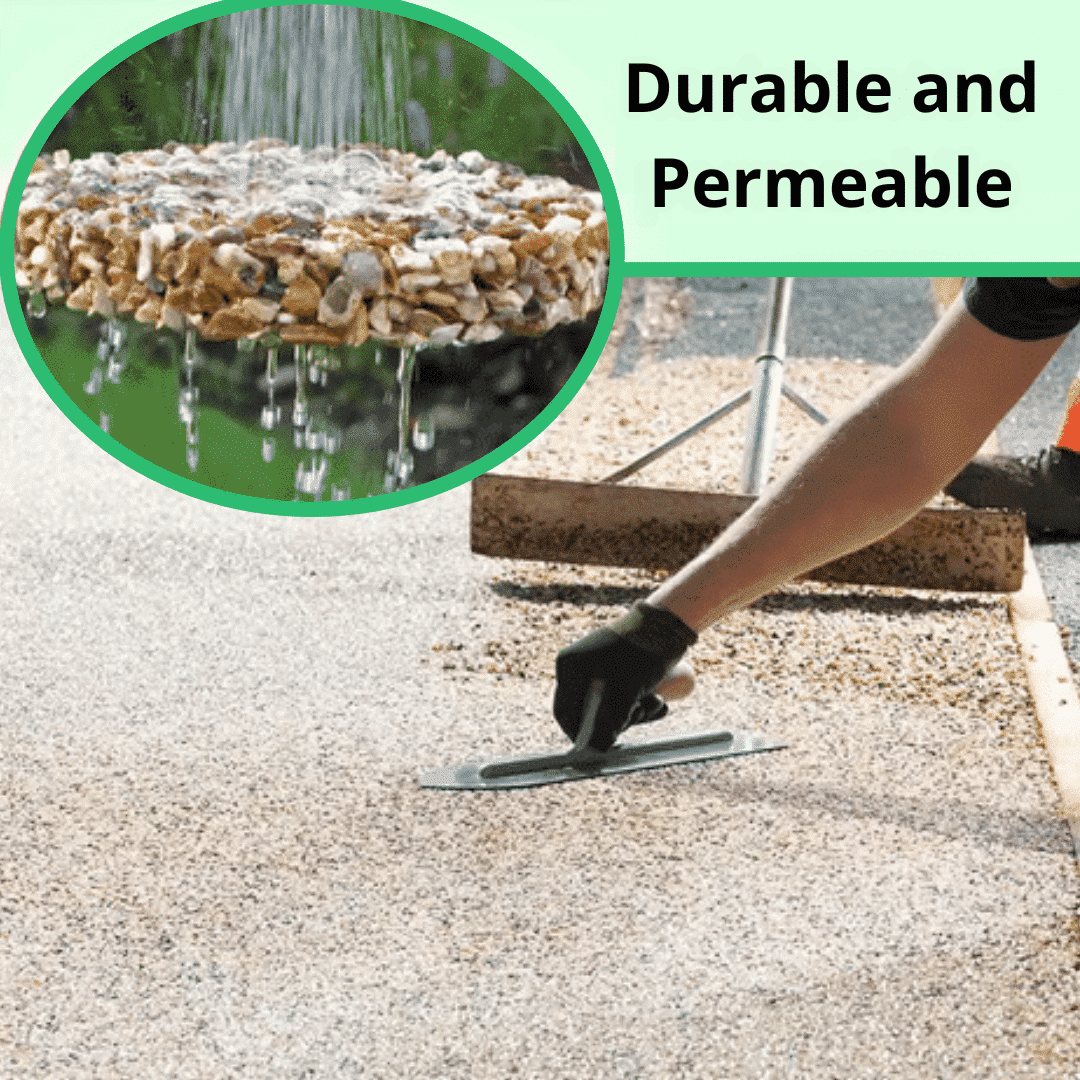
- “Trasparente” – Epoxy Binder for Coloured Pebbles and Grits: For binding decorative coloured aggregates into durable, permeable surfaces.
- “Flowstone” – Complete Permeable Floor Kit with Pebbles and Resin: Contains everything needed for draining pebble-based outdoor floors.
- Protective gloves and goggles
- Mixing buckets and a slow-speed drill mixer
- Roller, brush, or spatula
- Measuring tools and masking tape

Essential Tools and Preparation
Investing in quality tools and carefully preparing your workspace makes every stage of resin floor installation easier and more reliable. Always lay out all required equipment before starting, and protect walls or adjacent elements with masking tape for neater results.
Clean the Surface Thoroughly
Before applying any resin, it is vital to ensure the surface is free from dust, debris, oil, and existing coatings. Use a vacuum, broom, or mop to remove all loose particles. For greasy or heavily soiled areas, degrease with a suitable cleaner and allow the surface to dry completely. If repairing cracks or holes, use an appropriate filler and allow it to cure—this step ensures a stable, even base for the resin installation and helps prevent later delamination.
Pay extra attention to moisture content—ensure the substrate is dry, especially for garage and outdoor installations, as trapped moisture can result in bubbles or poor adhesion.
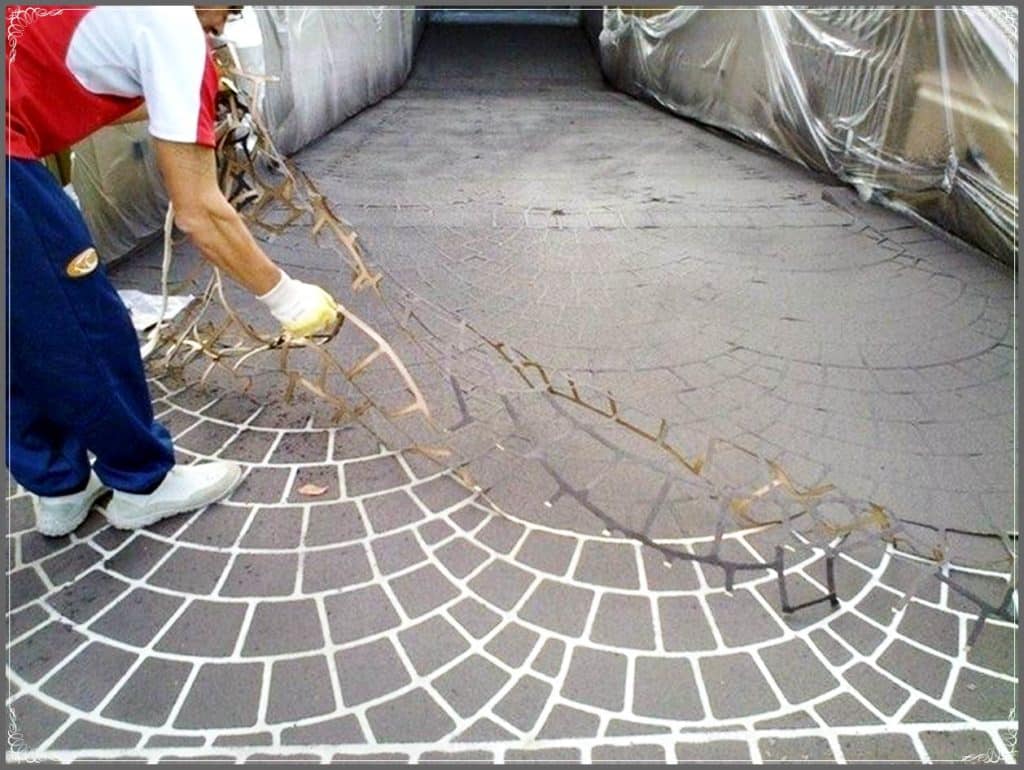
Prime the Substrate
For porous materials such as concrete, tiles, or screeds, it is strongly recommended to apply a suitable primer. A quality primer increases resin bond and durability while minimising the risk of pinholes. For best results, use “Epoxyprimer” – Universal Water-Based Two-Component Epoxy Floor Primer to achieve optimal substrate wetting and evenness. Apply the primer with a roller, brush, or spatula, ensuring full coverage. Allow the primer to cure for the recommended timeframe (typically 24–48 hours) before proceeding.
Do not rush this stage; premature application of resin over uncured primer can lead to defects in the final finish.
Mix and Apply the Resin
Carefully follow manufacturer instructions for the type of resin you are using. For concrete sealing, select a dedicated product such as “Resinstone” – One-Component Methacrylic Resin for Concrete Floors and Driveways for deep penetration and robust, waterproof protection. If you are installing a decorative pebble surface or a permeable floor, blend the chosen aggregate thoroughly with “Trasparente” – Epoxy Binder for Coloured Pebbles and Grits or use a complete floor kit like “Flowstone” – Complete Permeable Floor Kit with Pebbles and Resin as appropriate. The key is consistency in mixing—use slow-speed equipment to minimise air bubbles and ensure all components are well incorporated.
Pour or spread the resin mixture evenly over the primed surface, using a notched trowel or roller for smooth, consistent coverage. For aggregate floors, tamp lightly to ensure even thickness and a uniform finish.
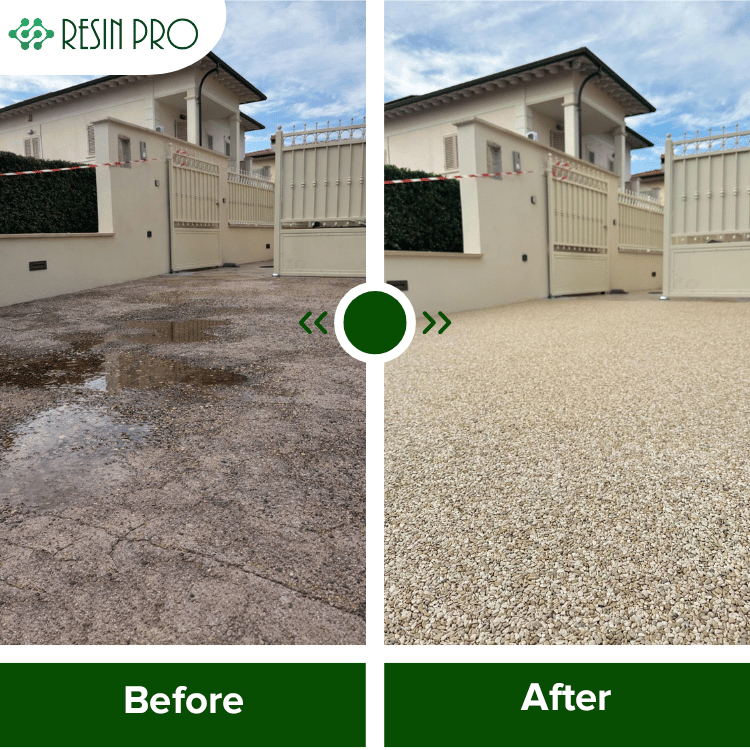
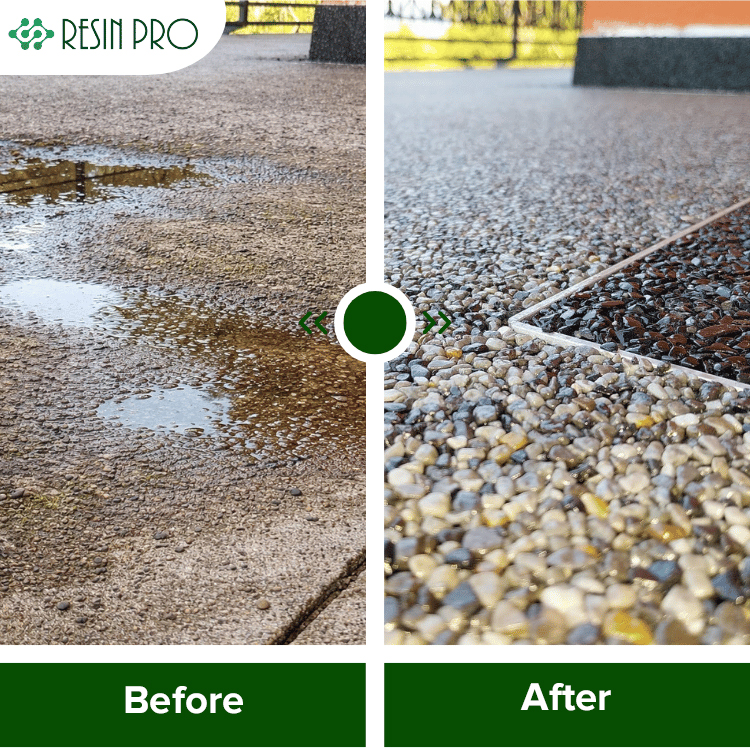
Finishing Touches for Lasting Results
Allow the resin to cure undisturbed for the recommended time (usually 10–24 hours depending on product and conditions). Prevent foot traffic and cover the floor if dust is likely to settle while curing. After curing, assess whether an additional protective coat or sealant is beneficial—this may be especially useful for high-traffic or outdoor settings. Where appropriate, apply a final layer of protective resin or varnish according to the manufacturer’s directions. Regular sweeping and gentle cleaning will help maintain your resin floor’s durability and gloss for years to come.
Inspect for any imperfections; minor surface defects can generally be sanded out and recoated for a flawless finish.
Tips and Troubleshooting for Resin Floor Installation
Work in a well-ventilated area and avoid installation in extreme temperatures or high humidity, as these conditions can negatively impact bonding and curing. Always mix resin components thoroughly to prevent patchy results. If you spot bubbles during application, gently roll over them before the resin sets. For outdoor or decorative aggregate installations, ensure the underlying base is stable and well-prepared for maximum longevity. Remember that each type of resin and floor system has its own nuances, so consult product-specific guidance for best outcomes.
Avoid walking on the surface before full cure—doing so may damage the finish. For extensive areas or particularly intricate designs, consider enlisting professional help for complex steps.
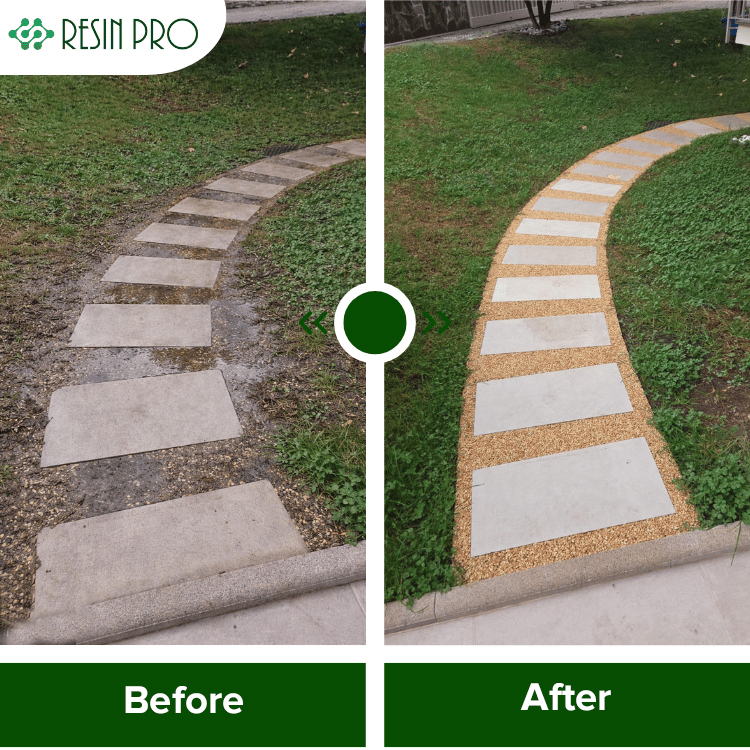
Real Project Examples and Visual Inspiration
See how smooth, stunning resin floors can transform a space—indoors or out. Browse our gallery to find creative ideas for colour schemes, finishes, and application techniques that best suit your specific flooring project.
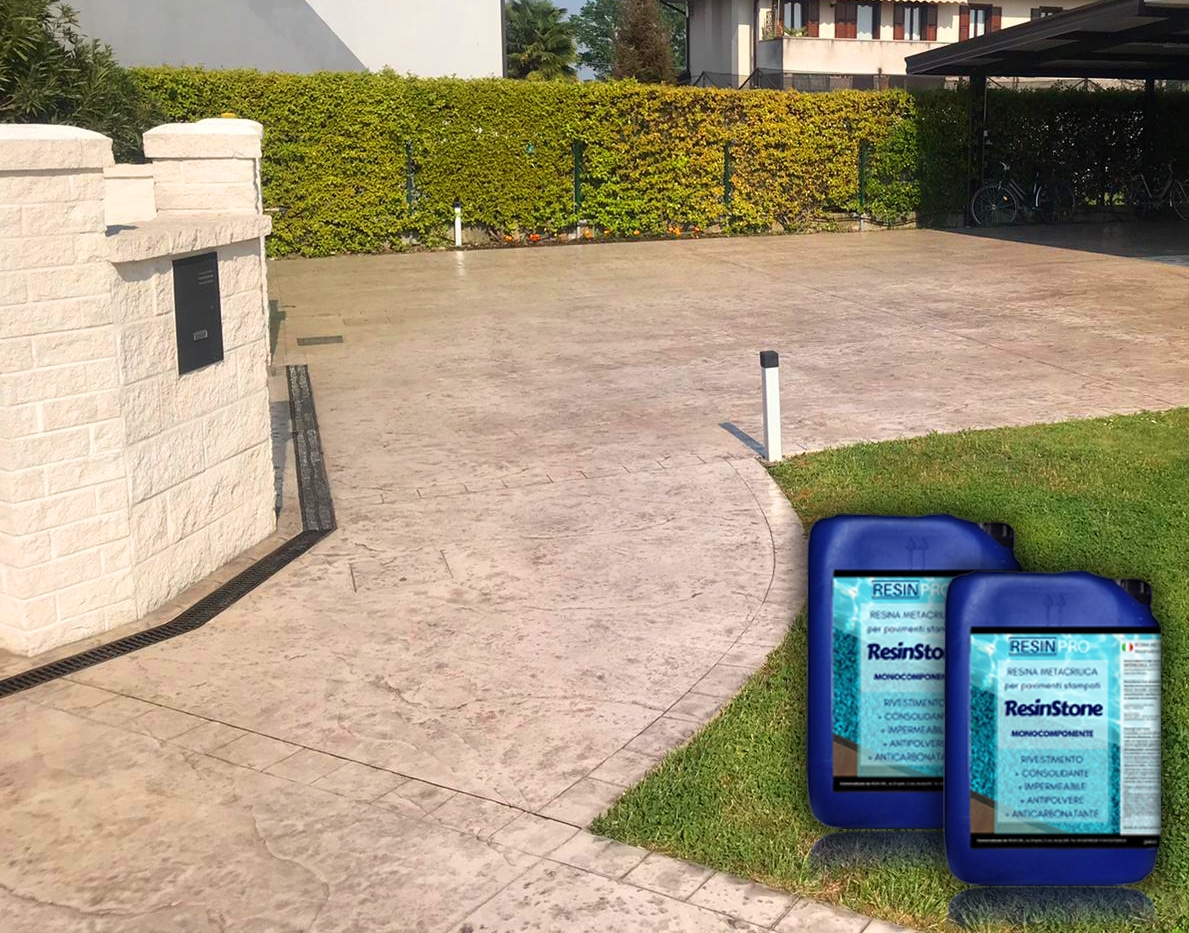
- "Resinstone" – One-Component Methacrylic Resin for Concrete Floors and DrivewaysPrice range: £36.71 through £336.48RESINSTONE is a one-component methacrylic resin designed for sealing and protecting concrete floors and driveways with durable and breathable…
- "Flowstone" – Complete Permeable Floor Kit with Pebbles and ResinPrice range: £49.95 through £3,915.45The Flowstone kit offers a permeable pebble and resin system with simple application, suitable for driveways and patios in the UK climate.
 "Epoxyprimer" – Universal Water-Based Two-Component Epoxy Floor PrimerPrice range: £156.45 through £286.45Epoxyprimer provides reliable adhesion for epoxy resin flooring on various surfaces with an eco-friendly formula and straightforward application.
 "Trasparente" – Epoxy Binder for Coloured Pebbles and GritsPrice range: £33.45 through £397.95"Trasparente" clear epoxy designed for coloured pebble floors offers a bubble-free finish with UV resistance suited to various floor installations.
Frequently Asked Questions
What is the most important step before installing resin on a floor?
Surface preparation is crucial. A clean, dry, and stable substrate ensures strong adhesion and a durable, long-lasting resin finish.
Is it possible to install a resin floor as a DIY project?
Yes, many resin flooring systems are DIY-friendly, especially with full kits and detailed instructions. Careful preparation and following curing times are key.
Which primer should I use for resin flooring?
Use a dedicated epoxy primer for best adhesion on concrete, tiles, and screeds. Choose a product compatible with your surface and resin type.
How long does resin floor installation take to cure?
Initial cure can take 10–24 hours, with full strength after 1–2 days depending on product and temperature. Always follow manufacturer guidance.
Which resin should I use for pebble or gravel floors?
For coloured or dark aggregates, use a UV-stable epoxy binder. For white stones, opt for a polyurethane binder to avoid yellowing.
Are resin floors suitable for outdoor use?
Yes, certain resins are formulated for outdoor conditions. Ensure they are UV-resistant and check product specifications before proceeding.
How do I care for a resin floor after installation?
Keep the floor clean with gentle sweeping and mild detergent. Avoid harsh chemicals. Regular checks help maintain appearance and durability.