 Free shipping on orders over £29,85
  Shipping Tracking!


 Google
 Facebook
What happens to epoxy resin at low temperatures?
Learn how cold affects epoxy curing and performance for projects

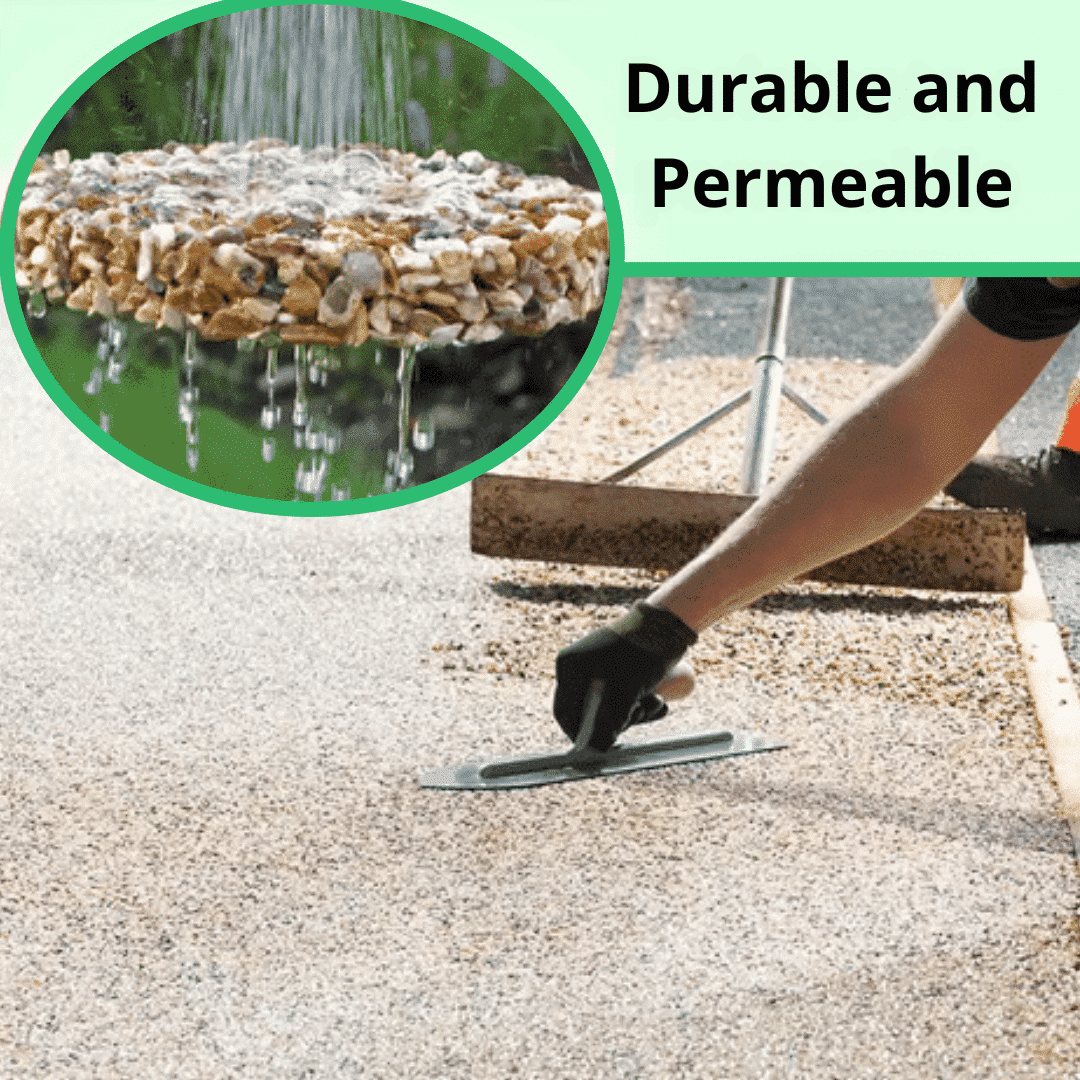
Temperature is a crucial factor in epoxy resin projects, affecting every stage from mixing and pouring to curing and final durability. For both professionals and hobbyists in the UK climate, understanding what happens to epoxy resin at low temperatures can mean the difference between a flawless finish and failed application. On this page, you’ll find a comparison of resin products best suited for use when the temperature drops—whether you’re laying an outdoor pebble floor, tackling a deep pour for a river table, or rapid prototyping in your workshop.
How Low Temperatures Affect Epoxy Resin: Key Differences
When working with epoxy resin in cold conditions—typically below 15°C—you may notice slower curing, increased viscosity (thickness), the risk of incomplete hardening, and issues with surface finish such as bubbles or clouding. Low temperatures can also prevent some resins from developing their full mechanical properties, shortening the lifespan of your project. Different products are formulated to cope with changing temperatures, with some including additives for quicker or more robust curing even in the cooler parts of the year. For example, polyurethane-based resins react differently to ambient conditions than traditional epoxies, and some epoxy products advise strict minimum usage temperatures to ensure reliable results. Selecting the right resin is essential for weatherproof performance, especially for outdoor, deep pour, or fast-set projects where temperature can’t be controlled.
Visual Guide: Resin Application in Cold Weather
See how low temperatures affect resin behaviour during mixing, pouring, and curing. Notice how viscosity changes and what to expect for surface results. Reference application photos for UK projects done in cooler months.
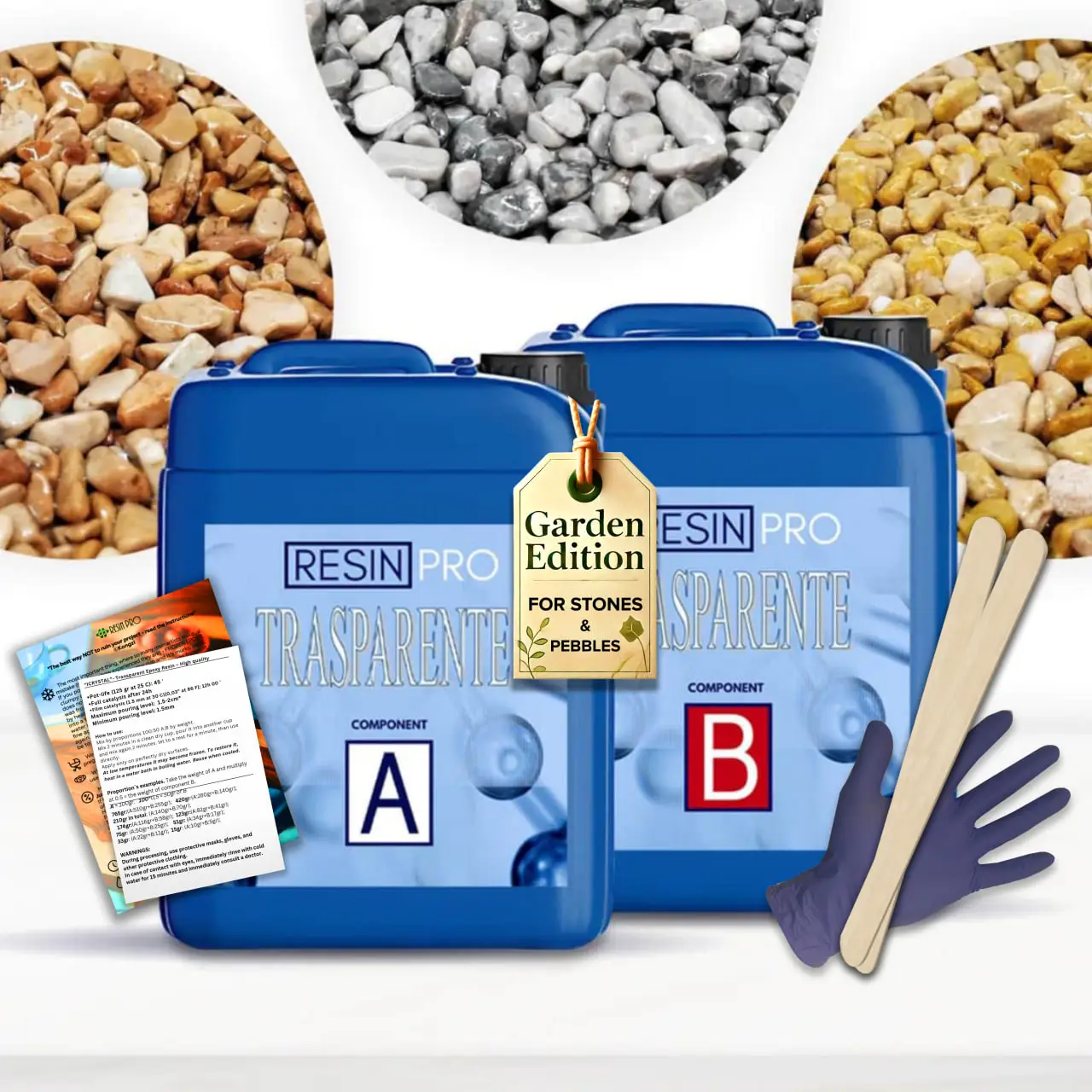
“Trasparente” – Epoxy Binder for Coloured Pebbles and Grits
If your goal is to create decorative pebble floors or outdoor permeable surfaces, especially when temperatures begin to fall, “Trasparente” – Epoxy Binder for Coloured Pebbles and Grits stands apart for its crystal-clear epoxy resin and UV-resistant and non-yellowing formulation. Its low viscosity guarantees bubble-free, fast impregnation of stones, while its structure reinforcement ensures your surfaces stay walkable within 10 hours—even when the weather is less than ideal. After curing, it’s certified non-toxic for safe, durable results. For best performance, avoid applying this resin at extremely low temperatures and ensure stones are pre-mixed rather than sprinkled, as curing rates slow drastically in colder air.
“Flowstone” – Complete Permeable Floor Kit with Pebbles and Resin
For larger exterior areas or driveways, “Flowstone” – Complete Permeable Floor Kit with Pebbles and Resin is a comprehensive solution designed for the British climate. Its instructions clarify the importance of not installing below 10°C. This kit combines appropriate resin selection (polyurethane for white stones, low-yellowing epoxy for coloured ones) to maintain colour brilliance, even in wintery conditions. Its permeable solution ensures water drains freely, minimising frost damage risk. Application is simple thanks to detailed guidance, but pay close attention to temperature recommendations: cold will slow curing and may affect the bond between stones and resin, potentially shortening the surface’s lifespan.
“EpoxyTable 5-Five” – Deep Pour Epoxy Resin for Tables and Large Projects – Up to 5cm
When pouring thick layers of resin (for example, river tables or casting artwork), temperature matters even more. “EpoxyTable 5-Five” – Deep Pour Epoxy Resin is formulated with a low exothermic reaction, allowing for castings up to 5 cm thick—even when natural warmth is lacking. Colder temperatures will extend the working and curing time but also help prevent overheating and yellowing for larger projects. This resin’s strong UV filters and heat resistance make it a reliable choice year-round, but always keep within the recommended temperature range (generally above 15°C) to guarantee a hard, bubble-free finish.
“Polyform” – Polyurethane Casting Resin, Beige, Fast-Setting for Prototyping
For rapid prototyping and detailed casting, Polyform – Polyurethane Casting Resin – Beige is a fast-setting, highly fluid option. However, it’s important to note its sensitivity to low temperatures: manufacturers advise not to use below 8–10°C, as curing can stop or yield incomplete, soft results. When used correctly, Polyform delivers high fluidity for fine detail and can be de-moulded in only 30 minutes. Respecting temperature guidelines is crucial, especially when tight deadlines demand predictable outcomes.
Top Tips for Using Epoxy Resin in Cold Conditions
Regardless of your project type, working with resin during cooler months requires careful planning. Always check the recommended minimum application temperatures on your product’s instructions. If you must work in colder conditions, consider warming both the resin and work area gently to help maintain flow and ensure thorough curing. Pour smaller sections to minimise exothermic spikes and reduce the risk of clouding or surface imperfections. Never try to cure resin outdoors when frost is possible, and remember that demould times and final hardness may take twice as long as in summer. Choosing the right formulation—such as those highlighted above—will mean less stress and more consistent, professional results when the temperature drops.
Expert Insights: Ensuring Success in Low Temperatures
Learn tips from professionals for temperature management, substrate preparation, and safe curing practices. Explore more advice on resin flooring for the UK climate.

- "Trasparente" – Epoxy Binder for Coloured Pebbles and GritsPrice range: £33.45 through £397.95"Trasparente" is a transparent epoxy binder suitable for coloured pebbles and grits, designed for flooring with clear, UV-resistant finishes.
- "Flowstone" – Complete Permeable Floor Kit with Pebbles and ResinPrice range: £49.95 through £3,915.45Flowstone is a durable, permeable pebble and resin floor kit designed for outdoor spaces with UK climate considerations.
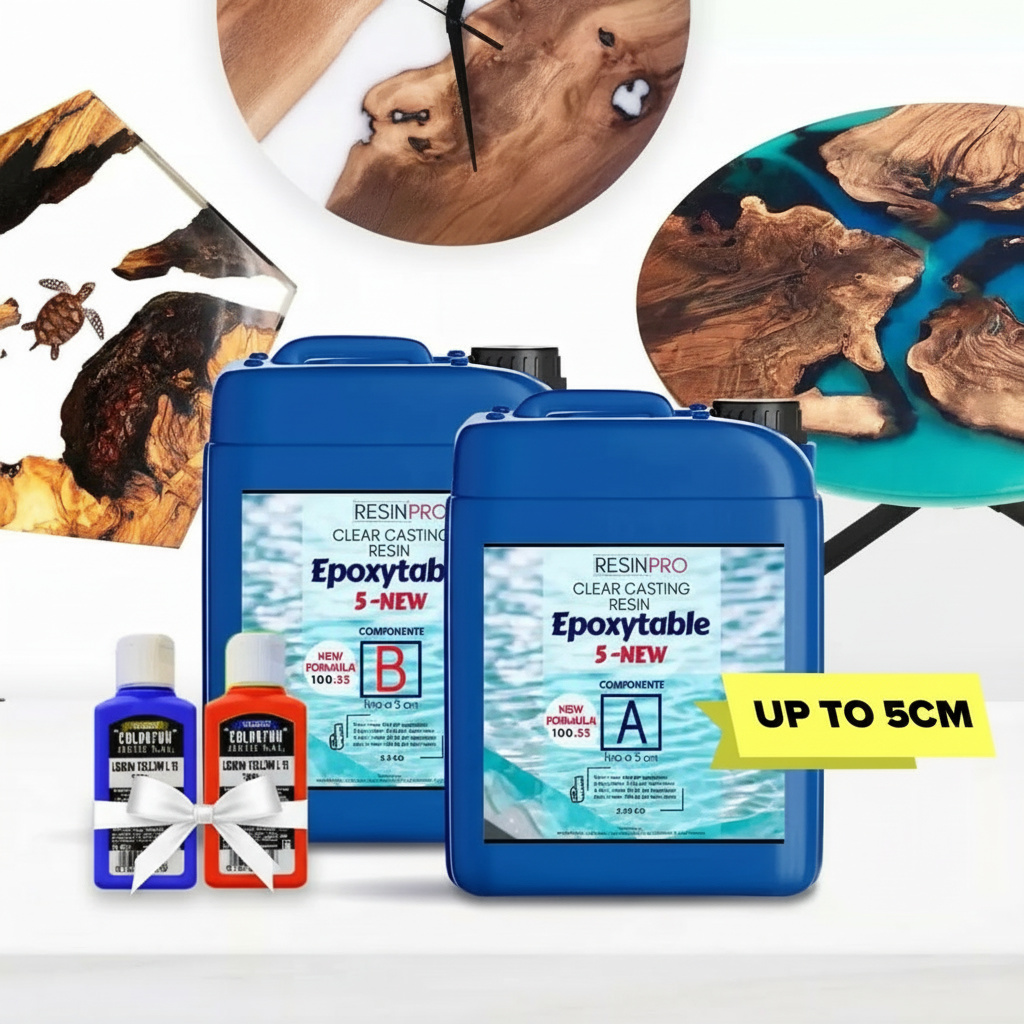 "EpoxyTable 5-Five" – Deep Pour Epoxy Resin for Tables and Large Projects – Up to 5cmPrice range: £17.95 through £1,154.95EpoxyTable 5-Five is a deep pour resin designed for tables and large projects, suitable for layers up to 5cm in thickness.
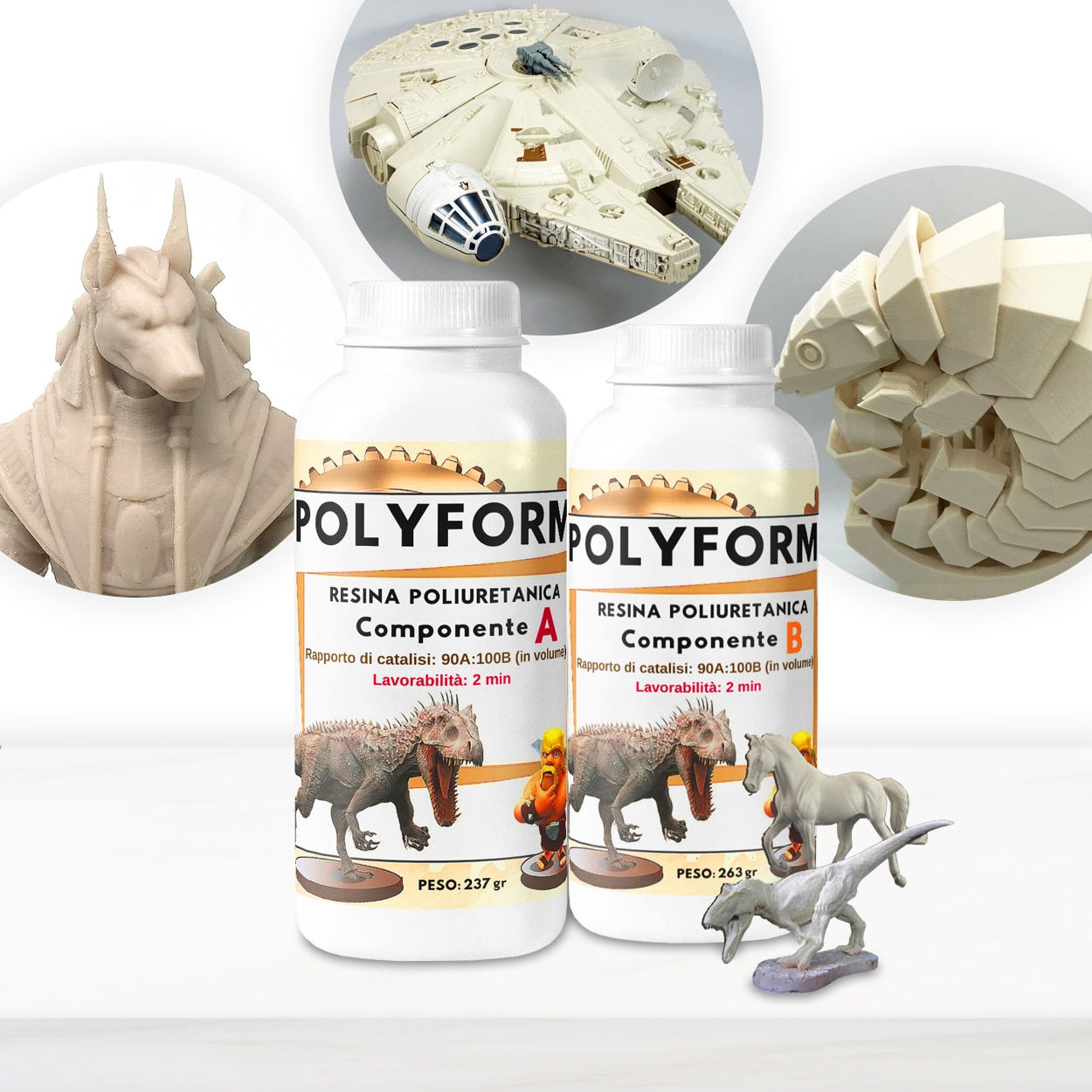 “Polyform” – Polyurethane Casting Resin, Beige, Fast-Setting for PrototypingPrice range: £15.95 through £141.95Polyform polyurethane casting resin is suitable for fast-setting, detailed casting in prototyping and small batch production.
Frequently Asked Questions
Is epoxy resin suitable for winter or cold weather?
Epoxy resin can be used in colder conditions, but curing is slower and certain products have minimum application temperatures. Always follow the product guidelines.
Will epoxy resin cure at low temperatures?
Curing may occur but takes longer and may result in soft, incomplete hardening if used below the recommended temperature range.
How can I speed up epoxy curing in the cold?
Work in a warmer environment or gently warm the resin and substrate before use, but never exceed safe curing temperature limits given in product instructions.
What are the risks of applying epoxy below 10°C?
You risk incomplete curing, reduced adhesion, lower durability and unsatisfactory surface appearance when applying resin below its recommended temperature.
Which epoxy is best for cold climate projects?
Look for products formulated for lower temperatures, such as some outdoor flooring kits and deep pour resins, and always check manufacturer guidelines.
What is the difference between epoxy and polyurethane in cold temperatures?
Polyurethane resins tend to cure faster at low temps than most epoxies but still have strict minimum temperature requirements to avoid incomplete curing.
Does stone flooring epoxy have temperature limits?
Yes, both epoxy and polyurethane binders for stone floors typically require temperatures above 10°C for correct curing and long-term durability.