 Free shipping on orders over £29,85
  Shipping Tracking!


 Google
 Facebook
← Back to What Are Silicone Rubber Compounds Made From?
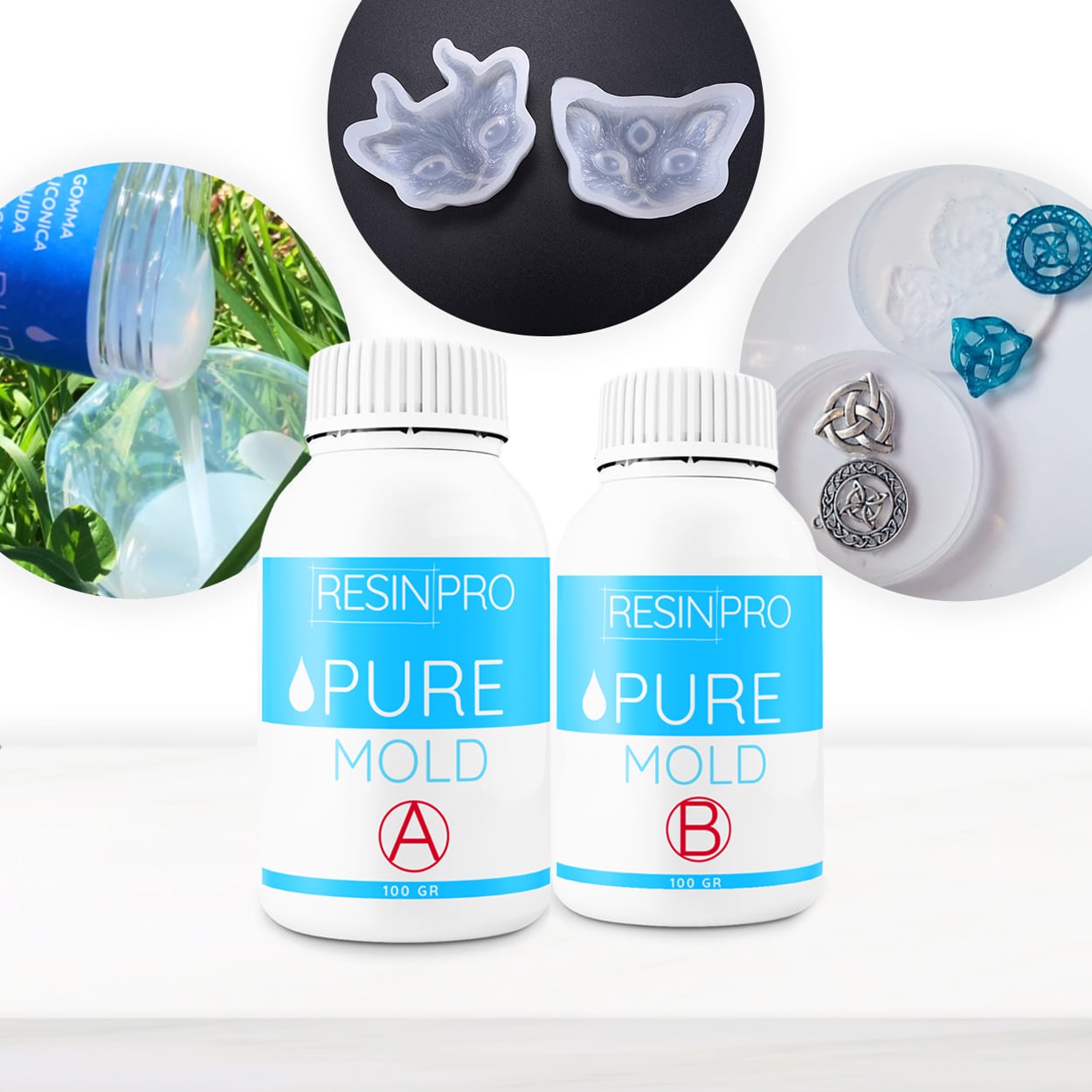
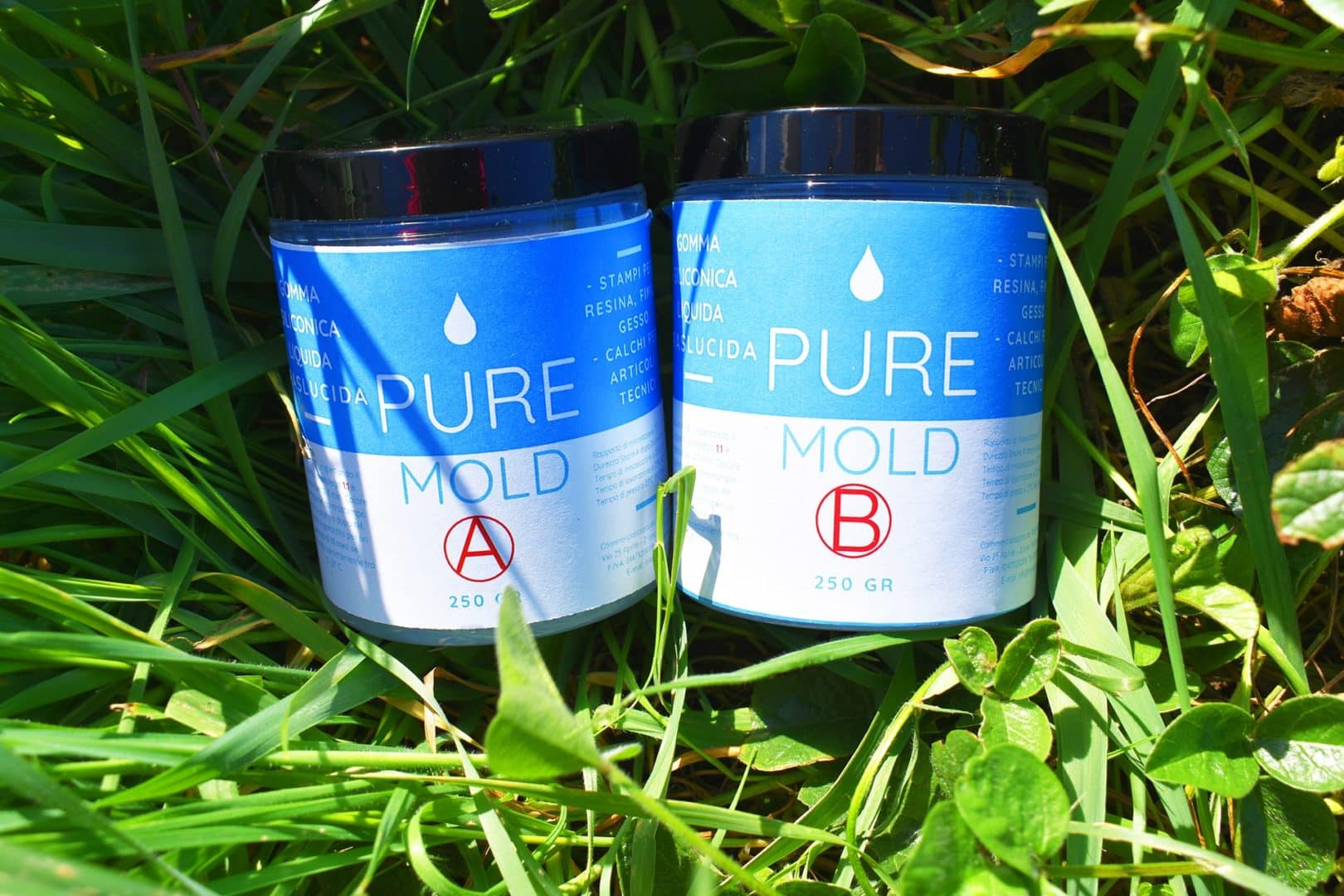
When casting with silicone rubber moulds, it’s important to know which materials are compatible for the best results. Not all silicones are suitable for every casting medium, but most cover a wide range of uses in professional and hobby settings.
Compatible Casting Materials
Modern silicone rubbers for mould making are generally suitable for popular casting materials such as epoxy resin, polyester, polyurethane, wax (including hot wax for candle making), plaster, and cement. Their flexibility and detail-replicating properties make them especially suited to projects requiring fine features and sharp undercuts.
- Resins (epoxy, polyester, polyurethane, acrylic)
- Plaster and cement
- Wax (natural and synthetic)
- Soap and polymer pastes
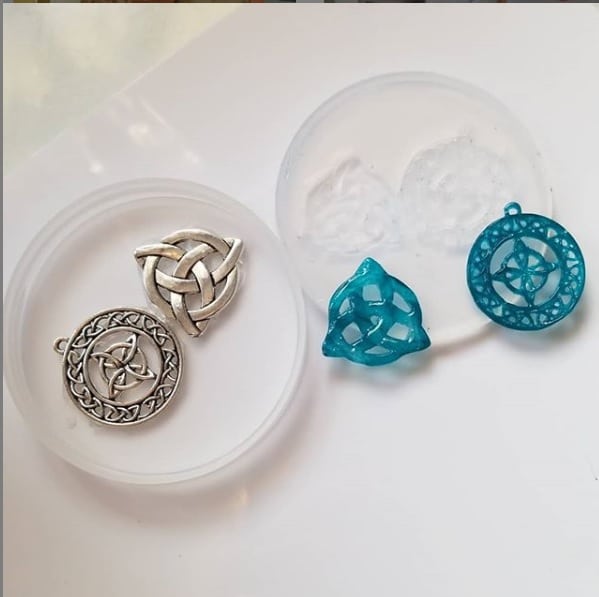
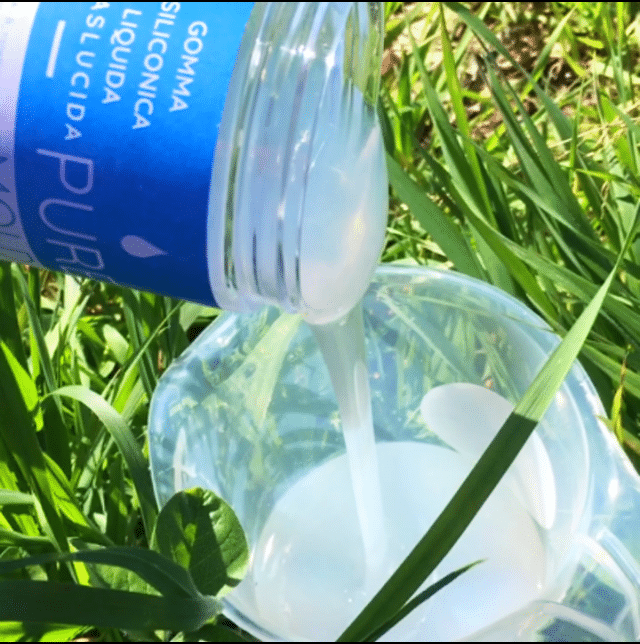
For example, “Pure Mould” Silicone Rubber offers broad compatibility, making it a good choice for various applications.
Choosing the Right Silicone for Your Casting
While most silicones are compatible with common casting materials, it’s essential to check each product’s details before starting a project. Some silicones are formulated for specific uses, such as capturing extremely fine details in small models or handling higher temperatures in hot wax applications. Always consider the curing time, mixing ratio, and any recommendations regarding shrinkage or resistance, especially for repeated or professional use. Bi-component silicones and non-toxic putties, like those found in the “Liquid Mould” and “I–Gum” product lines, each suit different moulding techniques and project scales.
When Material Compatibility Matters
Ensuring your silicone mould rubber matches your chosen casting medium is crucial for achieving crisp detail, preventing adhesion problems, or unwanted reactions. This is especially relevant if you’re casting large pieces, using heat, or making multiple reproductions. If your project involves less common materials or requires specific certifications, always consult the product datasheet or seek advice to confirm compatibility before proceeding.
Related products
Related guides
Understanding silicone compatibility helps ensure a smooth casting experience. For further detail on silicone compound composition, visit our main page on what silicone rubber compounds are made from.