 Free shipping on orders over £29,85
  Shipping Tracking!


 Google
 Facebook
What Are Silicone Rubber Compounds Made From?
A detailed guide to ingredients and types of silicone for moulds
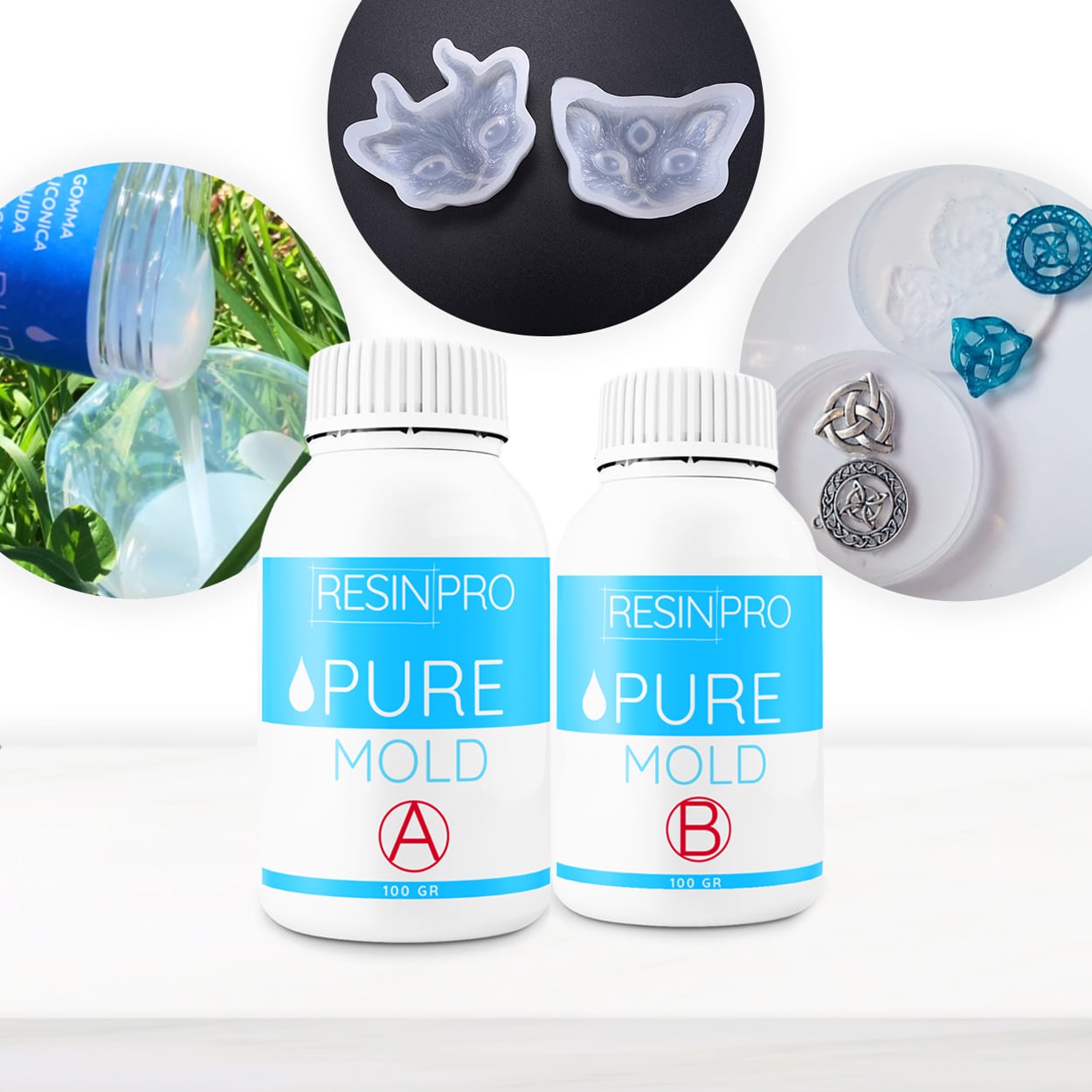
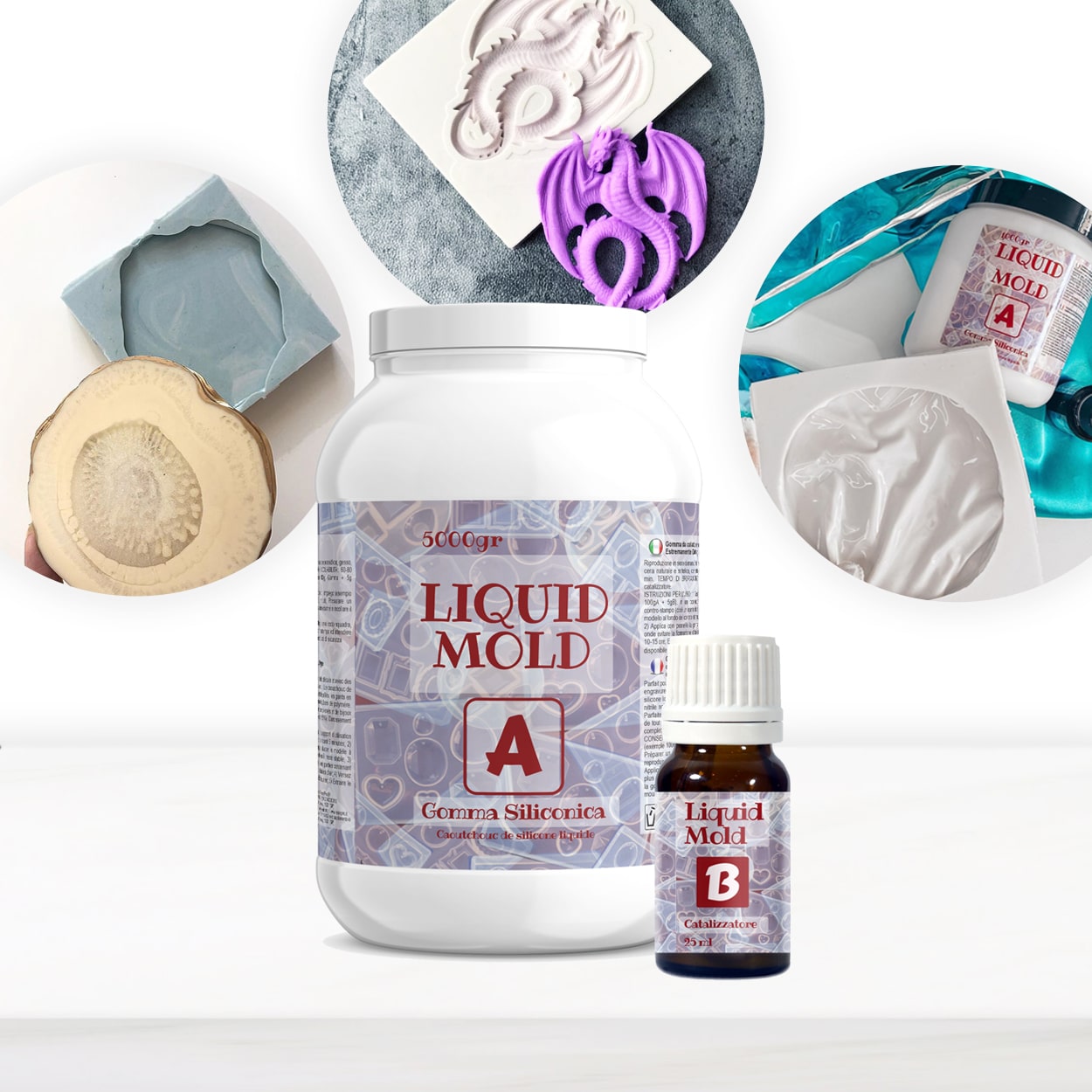
Silicone rubber compounds are at the core of successful mould-making, model casting, and intricate craft projects. If you’re a professional creator, hobbyist, or artisan eager to understand what these versatile compounds are made of and which is most suitable for your requirements, this page is designed with you in mind. We’ll explore the major silicone rubber types, their core ingredients, differences, and how to select the best product for your next project.
Understanding Silicone Rubber Compounds: Foundations and Differences
Silicone rubber compounds typically consist of a base silicone polymer, cross-linkers or catalysts, and various additives to fine-tune their properties for specific applications. These formulations determine characteristics such as translucency, curing speed, hardness, safety, mechanical resistance, and compatibility with casting materials like resins, waxes, plaster, or cement. The core distinction lies between liquid, pourable silicones (widely used for detailed professional moulds) and convenient silicone putty for rapid, smaller shapes and lower-toxicity requirements.
Modern options range from platinum-based, fast-curing translucent silicones to bi-component castable rubbers for capturing fine details, as well as non-toxic formulation putties. By understanding the foundation and performance of each, you can select a solution tailored for both intricate and everyday needs. View all Silicone Rubbers for further variety.
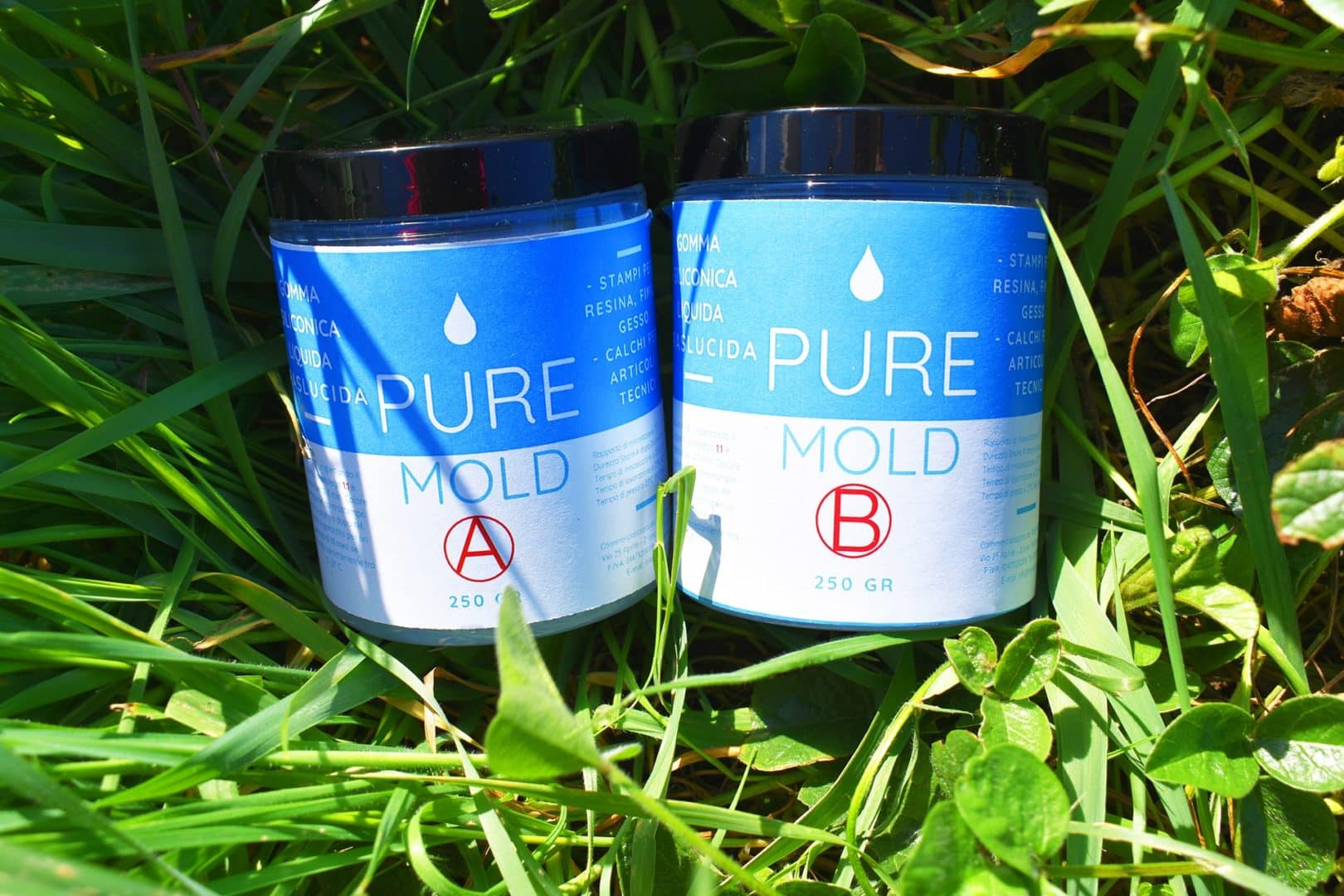
Visual Comparison of Silicone Rubber Varieties
See the visual clarity and consistency differences between platinum-based liquid silicones, bi-component casting rubbers, and silicone putty. Observing samples side by side helps you identify which formulation best matches your project’s needs, from crystal-clear to opaque and paste-like materials.
“Pure Mould” – Translucent Liquid Silicone Rubber for Mould Making
“Pure Mould” – Translucent Liquid Silicone Rubber for Mould Making exemplifies modern platinum-based silicone rubber technology. This two-component system mixes easily at a 1:1 ratio and cures quickly (typically within 3–8 hours), producing a translucent, reusable mould perfect for professional and hobby use alike. Its high mechanical resistance, low shrinkage, and long service life make it ideal for demanding applications—especially where repeated casting of resins, plaster, or cement is required. Certified as non-toxic, solvent-free, and odourless, “Pure Mould” is safe to handle and renowned for its reliability in faithfully reproducing fine details.
“Liquid Mould” – Bi-Component Casting Liquid Silicone Rubber
If you require precision moulds with exceptional accuracy for small or intricate objects, “Liquid Mould” – Casting Liquid Silicone Rubber, 5-40 Shores, Bi-Component A+B offers a specialist solution. Its bi-component formulation allows the rubber to penetrate fine features and deep undercuts, reproducing elaborate designs in multiple materials like resin, soap, or wax. Best for repeat casting of models, jewellery, or technical items, this liquid silicone sets after mixing with a catalyst and delivers impressive flexibility and ease of release for even the most complex shapes. If you’re producing items in larger quantities, the “Liquid Mould” – Casting Liquid Silicone Rubber, 15 Shores 20.8 kg format brings all these advantages in a larger scale.
“I–Gum” – Non-Toxic Silicone Putty for Mould Making
For users requiring safe handling and speedy preparation, “I–Gum” – Non-Toxic Silicone Putty for Mould Making represents an alternative approach. This European-made, two-component silicone putty mixes in a 1:1 ratio, is non-toxic, odour-free, and can often be handled without gloves. Its slower curing time (about 20 minutes) gives more working flexibility, making it well-suited for the creation of moulds and forms when working with epoxy resin, polyurethane, wax, or cement. “I–Gum” is ideal for craftspeople who value ease of use, clean working environments, and safe materials around sensitive settings.
Choosing the Right Silicone Rubber Compound for Your Project
The best choice of silicone rubber compound depends on your required finish, object complexity, workflow, and handling preferences. If you demand detailed replication and speed, platinum-based options like “Pure Mould” are a solid fit. For extremely fine, repetitive castings, the “Liquid Mould” series with its deep-penetrating and flexible formula is appropriate. Should safety and minimal odour be priorities—especially in limited-ventilation environments—selecting a non-toxic putty such as “I–Gum” delivers both comfort and high performance. Always evaluate the compatibility with your casting medium (resins, waxes, or plasters) and expected mould life before deciding.
Mould-Making Applications and Best Practices
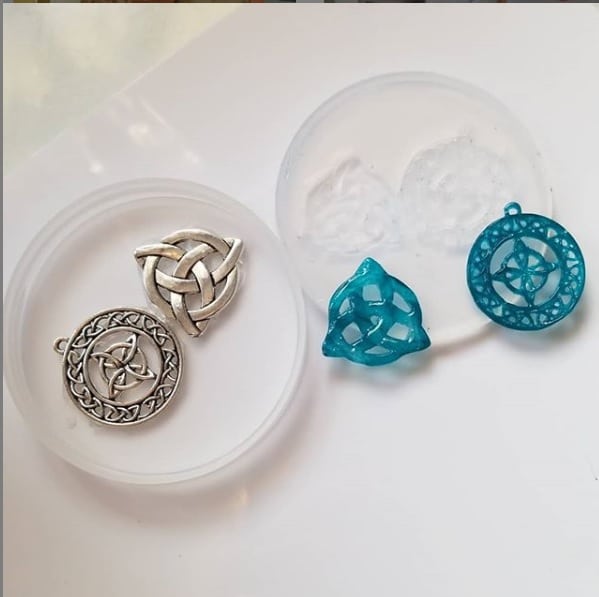
Explore real-world examples of silicone rubber use in jewellery, art, prototype design, and technical production. These best practices show how proper product choice and preparation are essential for long-lasting, high-fidelity moulds, whatever your experience level.
- "Pure Mould" – Translucent Liquid Silicone Rubber for Mould MakingPrice range: £23.95 through £166.95PLATINUM BASED TRANSLUCENT AND FAST CASTING LIQUID SILICONE RUBBER FOR MOULDS Excellent for hot waxes used in candle making. 🧪【INNOVATIVE…
- "Liquid Mould" – Casting Liquid Silicone Rubber, 5-40 Shores, Bi-Component A+BPrice range: £14.45 through £387.45"Liquid Mould" casting liquid silicone rubber is designed for moulds with fine details, suitable for small objects and compatible with resin and…
- "Liquid Mould" – Casting Liquid Silicone Rubber, 15 Shores 20.8 kg£348.85"Liquid Mould" is a casting liquid silicone rubber suitable for making moulds of small objects with fine details and undercuts.
 "I–Gum" – Non-Toxic Silicone Putty for Mould MakingPrice range: £24.00 through £104.95"I–Gum" is a non-toxic silicone putty designed for mould making with epoxy resin and other materials, suitable for careful and extended work.
Frequently Asked Questions
What are the main ingredients in silicone rubber compounds?
They consist of a base silicone polymer, curing agents or catalysts, and additives for properties like hardness, workability, and durability.
How do liquid silicone and putty differ?
Liquid silicone is pourable, ideal for fine detail and intricate moulds, while putty is hand-mixable and good for quick, small projects.
Which silicone compound is safest to use?
"I–Gum" is non-toxic, suitable for use without gloves, and has no odour, making it ideal for sensitive environments.
Which silicone is best for high-detail moulds?
Platinum-based liquid and bi-component silicones like “Pure Mould” and “Liquid Mould” offer exceptional detail reproduction in moulds.
Are these silicones compatible with all casting materials?
Most are compatible with epoxy, polyester, polyurethane, waxes, plaster, and cement, but check the product details for specific applications.
Do all silicone compounds require mixing in a specific ratio?
Yes, most use a 1:1 ratio for easy measuring—check guidance for each product to ensure proper curing and results.
Do silicone rubber moulds shrink over time?
High-quality silicones show minimal shrinkage, especially platinum-based types, ensuring mould longevity for multiple uses.