 Free shipping on orders over £29,85
  Shipping Tracking!


 Google
 Facebook
What materials are epoxy resin moulds made from?
A detailed guide to epoxy resin mould materials and options.
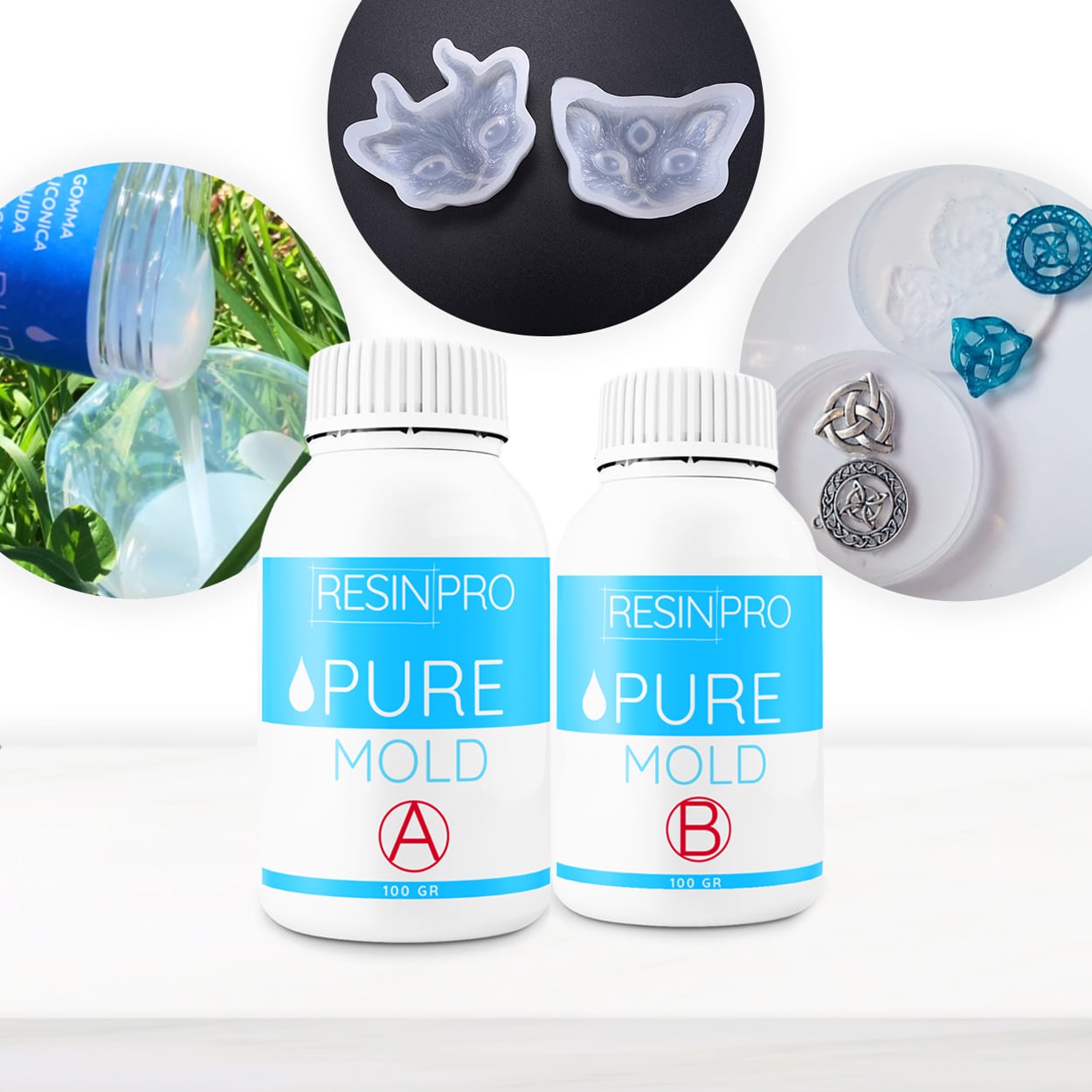
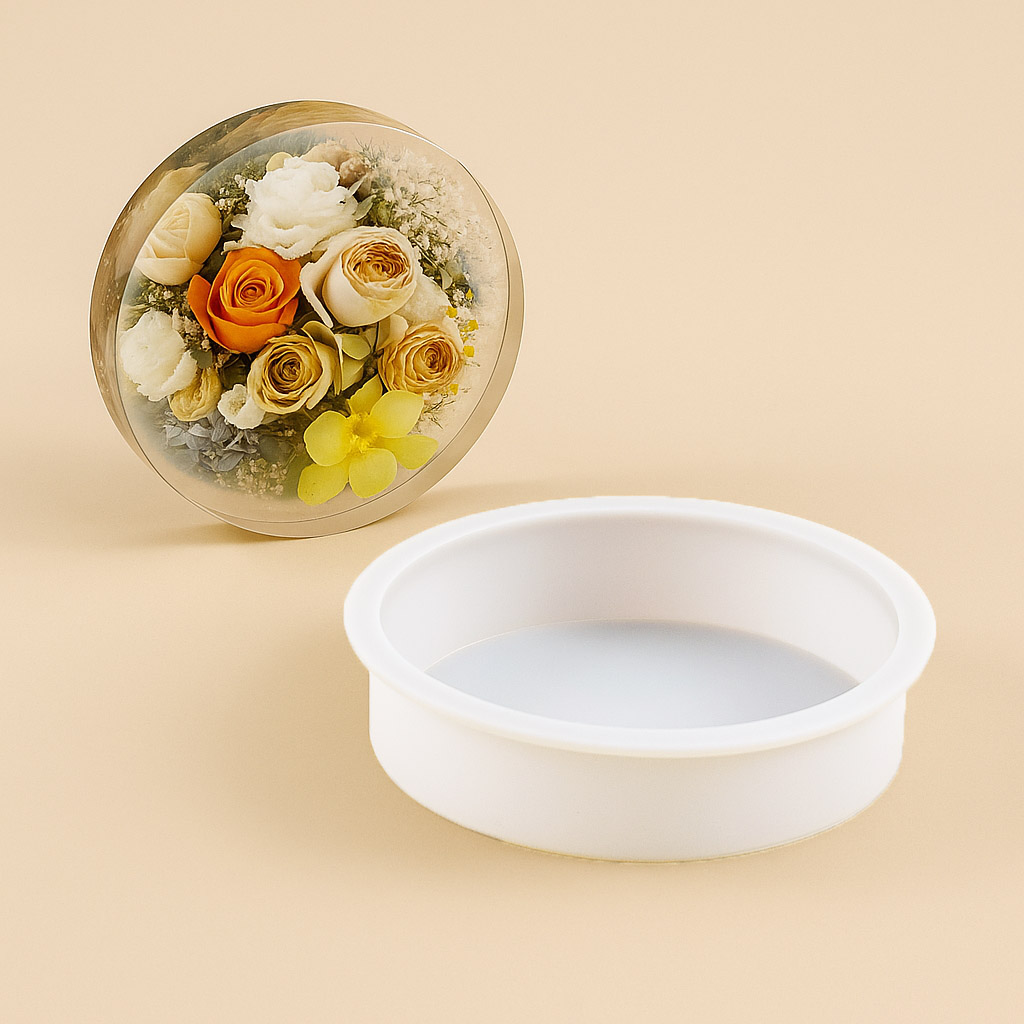
If you’ve ever wondered which materials make the best epoxy resin moulds, you’re in the right place. This page explores what goes into the top-performing moulds for resin crafting, whether you’re a hobbyist creating keepsakes or a professional producing detailed, reusable forms. We’ll compare popular materials like liquid silicone rubber and professional-grade flexible silicone, and highlight key features to help you select the ideal option for your project.
Epoxy Resin Mould Materials: Overview & Comparison
Epoxy resin moulds are predominantly made from high-quality silicone materials, including both liquid silicone rubber (used to craft custom moulds) and pre-formed flexible silicone sheets and shapes. These materials offer flexibility, excellent release properties, heat tolerance, and intricate detail capture. The main differences lie in production: platinum-based liquid silicone allows you to create custom moulds, while ready-to-use silicone forms, such as geometric or decorative moulds, deliver convenience for decoration projects. Both material types are designed for non-stick, reusable performance, and resist damage from resin curing processes.
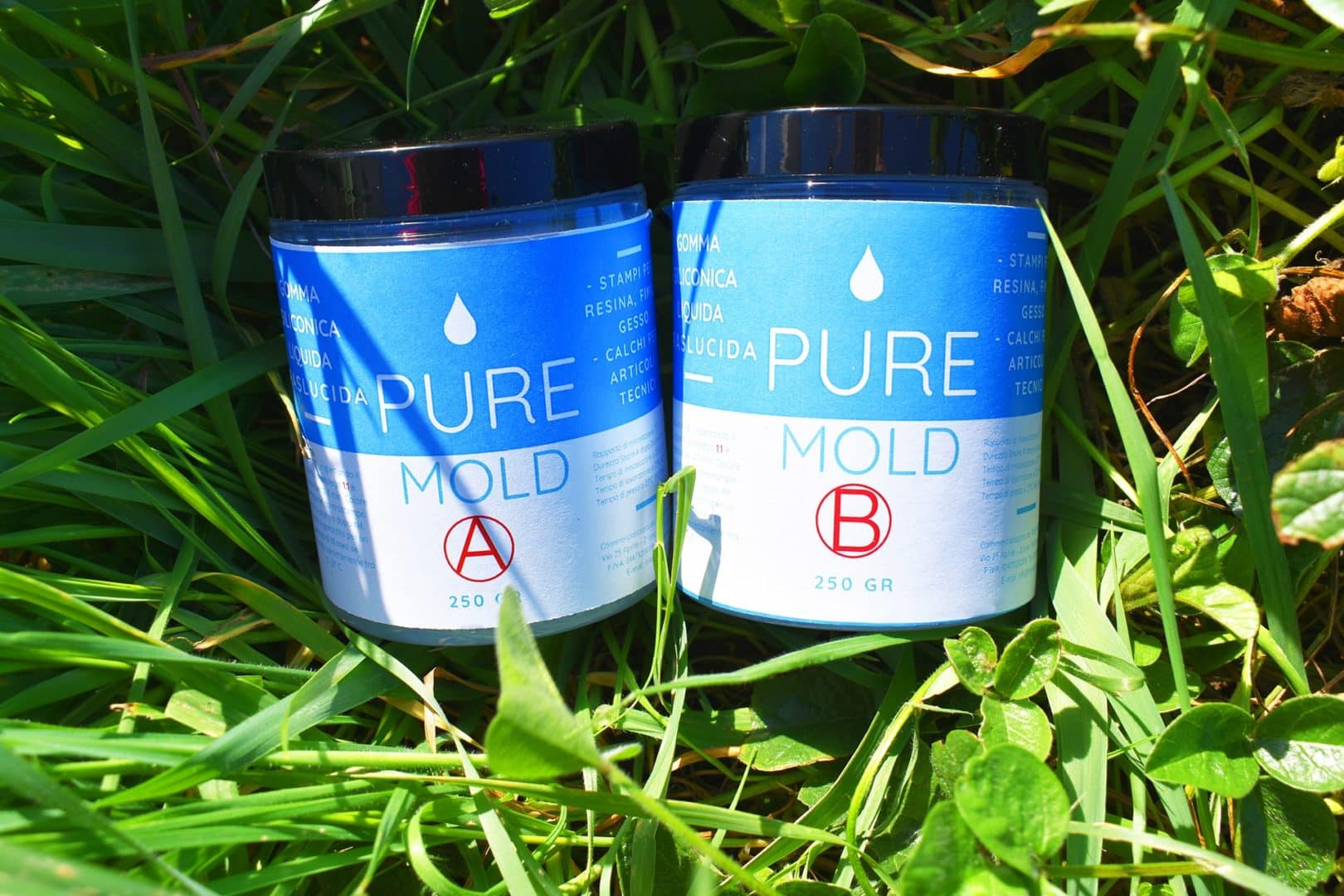
See the Differences in Mould Materials Up Close
Explore our gallery to compare translucent platinum-based liquid silicone with flexible pre-formed silicone moulds. Notice the clarity, flexibility, and surface texture which set quality epoxy resin moulds apart.
“Pure Mould” – Translucent Liquid Silicone Rubber for Mould Making
For crafters who value flexibility and customisation, “Pure Mould” – Translucent Liquid Silicone Rubber for Mould Making is a standout choice. This platinum-based, translucent silicone rubber is ideal for creating detailed, reusable moulds compatible with a range of casting materials including epoxy resins, plaster, and cement. Benefiting from an easy 1:1 mixing ratio and fast curing (3–8 hours), it allows for more efficient production and supports intricate designs with undercuts or fine features. Its transparency means you can monitor your resin pours, and the resilient, solvent-free formula provides both safety and durability for multiple uses.
Silicone Moulds for Epoxy Resin: Hexagons, Hearts & Circles
If your goal is to make decorative objects, keepsakes, or artistic pieces with less preparation, ready-made silicone moulds offer a professional solution. Options like the “Silicone Hexagons Mould” – For Creating with Epoxy Resin – 24x21cm, “Silicone Heart Mould” – For Creating with Epoxy Resin, 19.5 x 16.5cm, and “Silicone Circle Mould” – For Creating with Epoxy Resin, Ø 20cm are crafted from flexible, professional-grade silicone that withstands repeated use. These pre-formed moulds enable easy demoulding, retain shape, and resist heat, making them suitable for coasters, decorative objects, and embedded keepsakes such as flowers or photos. Their non-stick surface and robust design mean you can achieve clean results and rapid turnaround on creative projects.
Why Choose Silicone for Resin Moulds?
Silicone stands apart as the primary choice for epoxy resin moulds due to its flexibility, durability, and resistance to heat and chemicals. Whether you’re mixing your own mould from liquid silicone or using professional-grade shapes, the material enables sharp details and effortless demoulding. Unlike rigid plastics or less durable rubber alternatives, silicone moulds can be used repeatedly without warping or sticking to the resin, minimising waste and supporting a wide range of creative applications. Always avoid harsh solvents for cleaning to prolong mould life, and choose silicone grades that match your project’s scale and complexity for optimal results.
Expert Tips for Getting the Best from Your Moulds
Store silicone moulds away from direct sunlight and harsh chemicals. Use a platinum-based liquid silicone rubber for intricate custom moulds. Consider pre-formed shapes for simple projects.
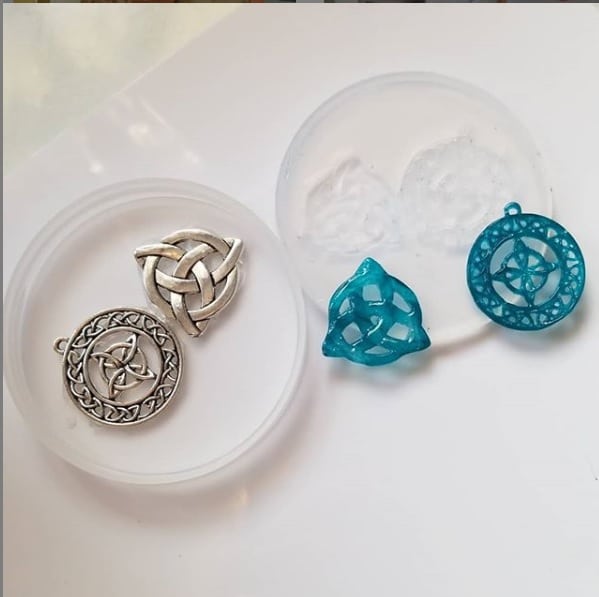
- "Pure Mould" – Translucent Liquid Silicone Rubber for Mould MakingPrice range: £23.95 through £166.95"Pure Mould" is a translucent liquid silicone rubber suitable for making detailed moulds compatible with resins, plaster and cement.
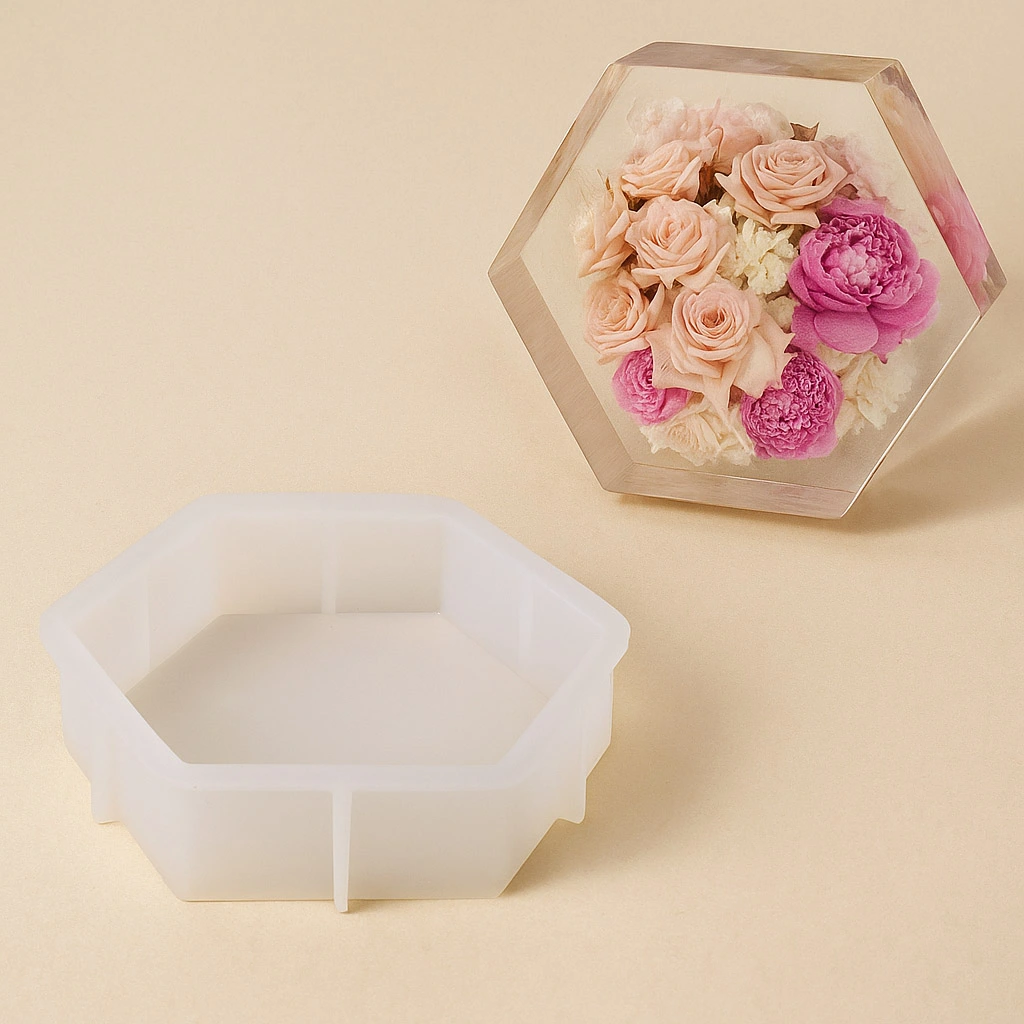 "Silicone Hexagons Mould" – For Creating with Epoxy Resin – 24x21cmOriginal price was: £13.95.£11.85Current price is: £11.85.Flexible silicone mould suitable for creating decorative objects and coasters with epoxy resin.
 "Silicone Heart Mould" – For Creating with Epoxy Resin, 19.5 x 16.5cmOriginal price was: £13.95.£11.85Current price is: £11.85.Flexible, reusable silicone mould for creating decorative epoxy resin objects using professional-grade materials.
- "Silicone Circle Mould" – For Creating with Epoxy Resin, Ø 20cmOriginal price was: £13.95.£11.85Current price is: £11.85.Flexible silicone mould designed for creating decorative items with epoxy resin, suitable for home or office decoration.
Frequently Asked Questions
What materials are best for epoxy resin moulds?
Flexible silicone is preferred for its non-stick, heat-resistant, and durable properties; platinum-based types are ideal for custom moulds.
Can you reuse silicone resin moulds?
Yes, silicone resin moulds are designed to be reused many times without losing shape if properly cared for.
How do you clean epoxy resin moulds?
Clean with mild soap and water. Avoid harsh solvents to prevent damage and extend your mould's lifespan.
Is liquid silicone rubber better than pre-formed moulds?
Liquid silicone rubber is ideal for custom shapes and detailed work, while pre-formed moulds are best for convenience and standard designs.
What temperature ranges can silicone moulds handle?
Most silicone moulds can withstand temperatures from -40 up to +210°C, covering most craft and resin applications.
Should you avoid using solvents to clean silicone moulds?
Yes, use of harsh solvents should be avoided as they can break down silicone and reduce mould life.
What is platinum-based silicone and why use it?
Platinum-based silicone cures with precision, is non-toxic, and is especially suitable for detailed, professional-quality resin moulds.