 Free shipping on orders over £29,85
  Shipping Tracking!


 Google
 Facebook
← Back to Where to apply epoxy primer?

Outdoor surfaces often require a primer that can withstand weather and sunlight. Epoxy primer is a popular solution, but its suitability depends on the formulation and intended use. Let’s explore when and how to use epoxy primer outside.
Choosing the Right Epoxy Primer for Outdoors
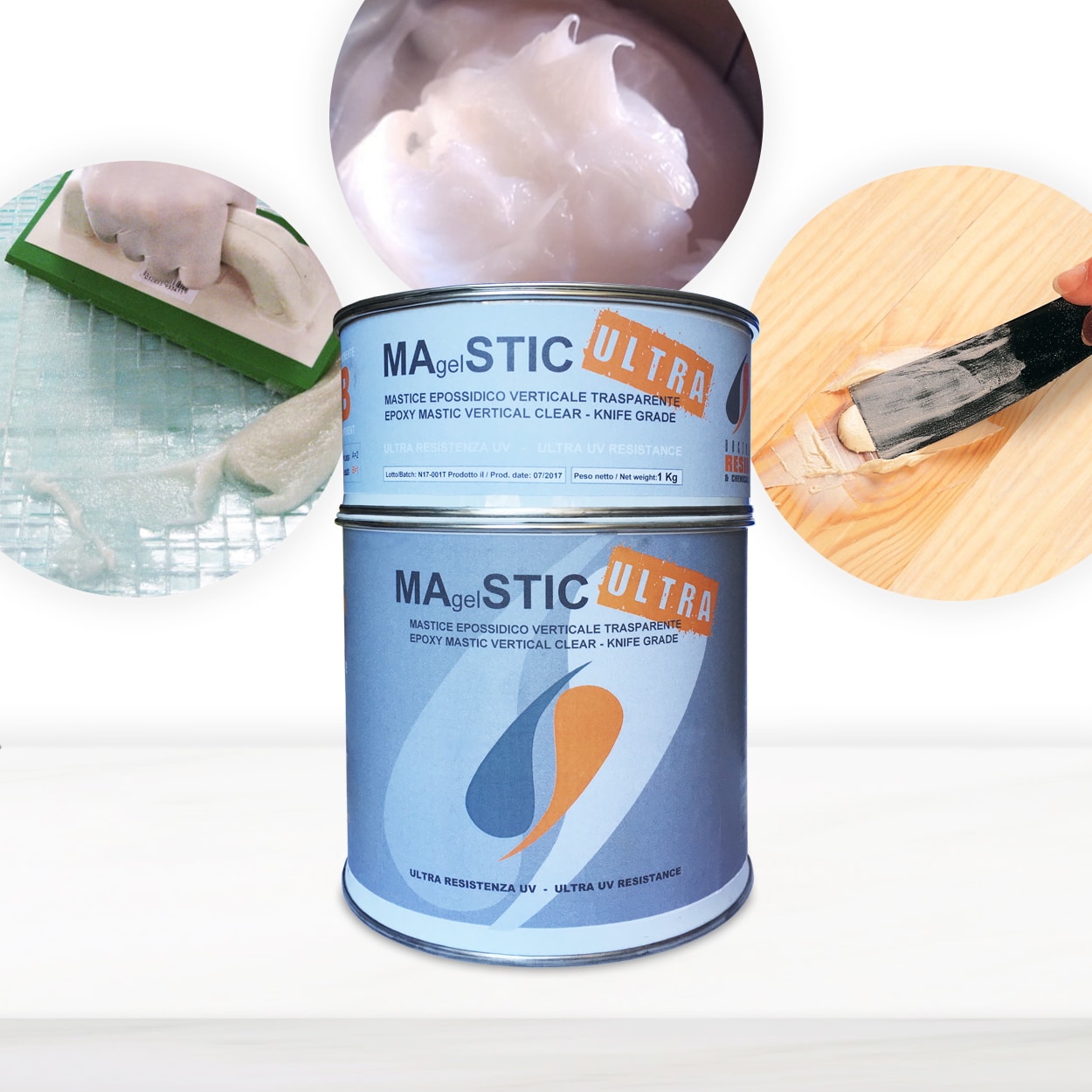
Not every epoxy primer is appropriate for external applications. For surfaces exposed to UV rays or frequent rain, it’s essential to select a product specifically designed for these conditions. Special formulations, such as Magelstick Epoxy Mastic and Trasparente Epoxy Binder, are made to resist UV and weather, making them reliable choices for stone, cement, and pebble-based surfaces outdoors.

Application Tips for External Surfaces
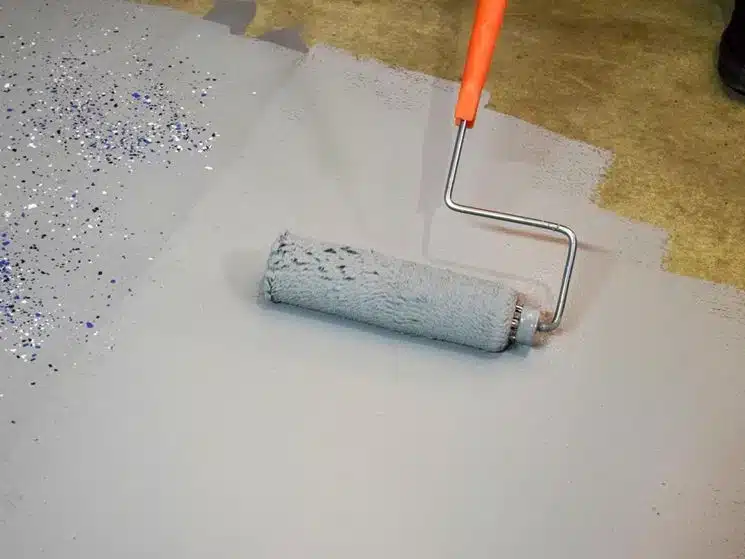
Successful outdoor priming begins with good preparation: ensure the substrate is dry, clean, and free from debris. Apply the primer following the manufacturer’s instructions—typically using a brush or roller, and maintain the recommended temperature range during application and curing. Products designed for external use, such as Magelstick, offer thixotropic properties to help prevent the product from running, even on vertical or intricate surfaces.
When This Matters
- UV exposure: If the area gets direct sunlight, only choose primers or binders with added UV resistance.
- Weather extremes: Outdoor surfaces experience temperature and moisture changes. Primers formulated for external conditions provide better durability and adhesion.
Related products
Related guides
Selecting the right epoxy primer ensures outdoor projects stand the test of time. For more on where and how to use primers, see our comprehensive guidance on where to apply epoxy primer.