 Free shipping on orders over £29,85
  Shipping Tracking!


 Google
 Facebook
← Back to Where to buy two-component resin?
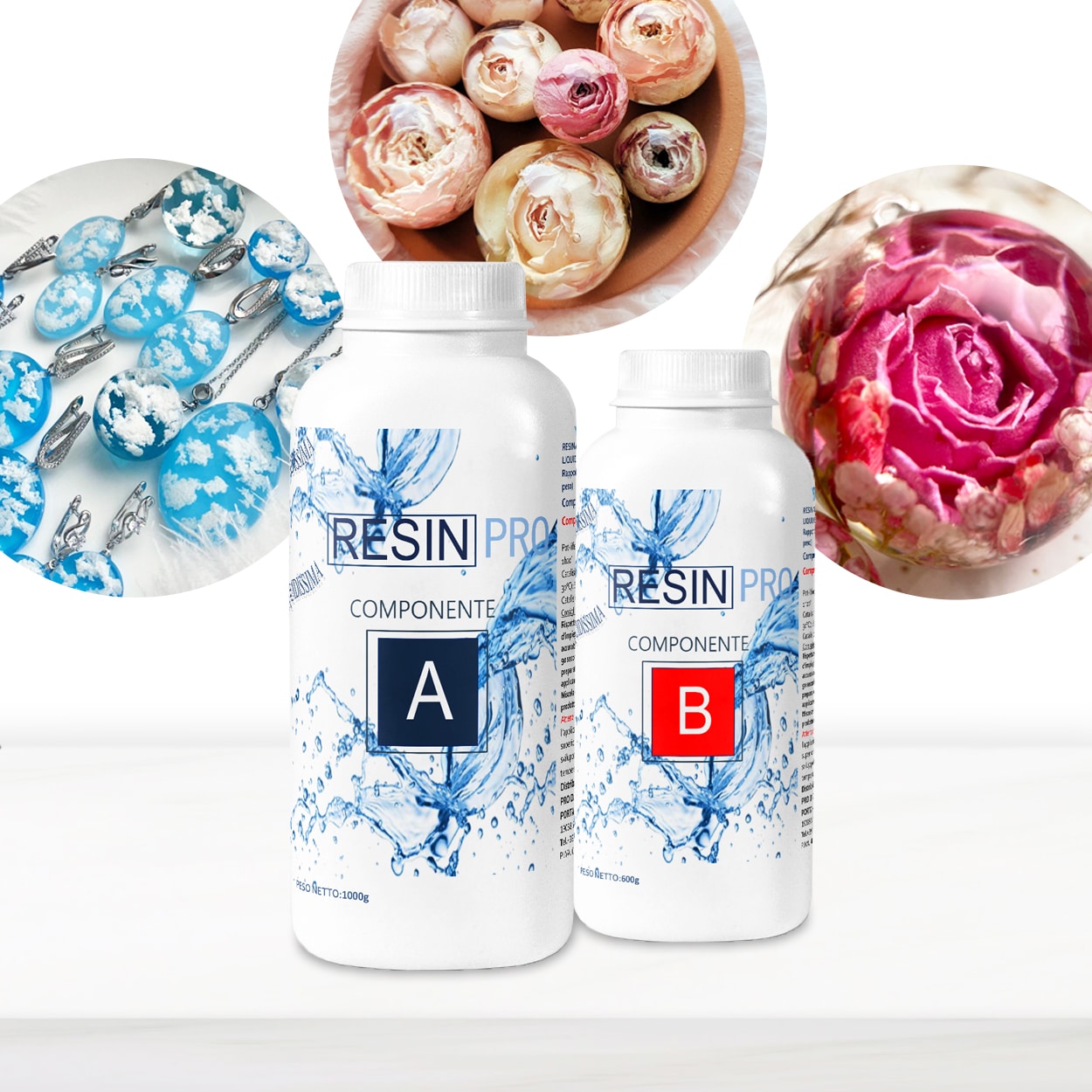
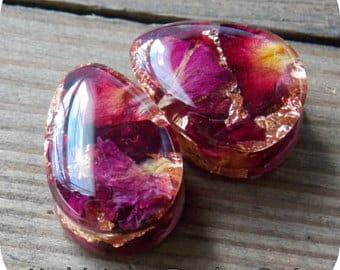
Air bubbles can impact the final look of resin art, jewellery, and other detailed creations. Learning how to effectively minimise them ensures a professional, clear finish in all your epoxy projects.
Why Air Bubbles Form in Resin
Air bubbles are most commonly introduced during the mixing stage, when two components blend or when poured into intricate moulds. Vigorous stirring, rapid pouring, or working in a cool environment often increases bubble formation.
While some resins—such as “Liquidissima” Epoxy Resin—feature a low viscosity that naturally helps bubbles escape, careful technique is essential to achieve a flawless finish.
Practical Tips to Limit Air Bubbles
- Warm Your Resin and Workspace: Slightly warming the resin bottles beforehand can help bubbles rise and pop more easily.
- Mix Gently and Slowly: Stir at a steady pace to avoid trapping excess air in the mixture.
- Let Resin Stand: After stirring, allow the mixed resin to rest for a few minutes so bubbles can rise to the surface.
- Use a Heat Source Cautiously: A quick pass with a heat gun or torch can help remove surface bubbles—but avoid excessive heat to prevent resin curing issues.
When This Matters Most
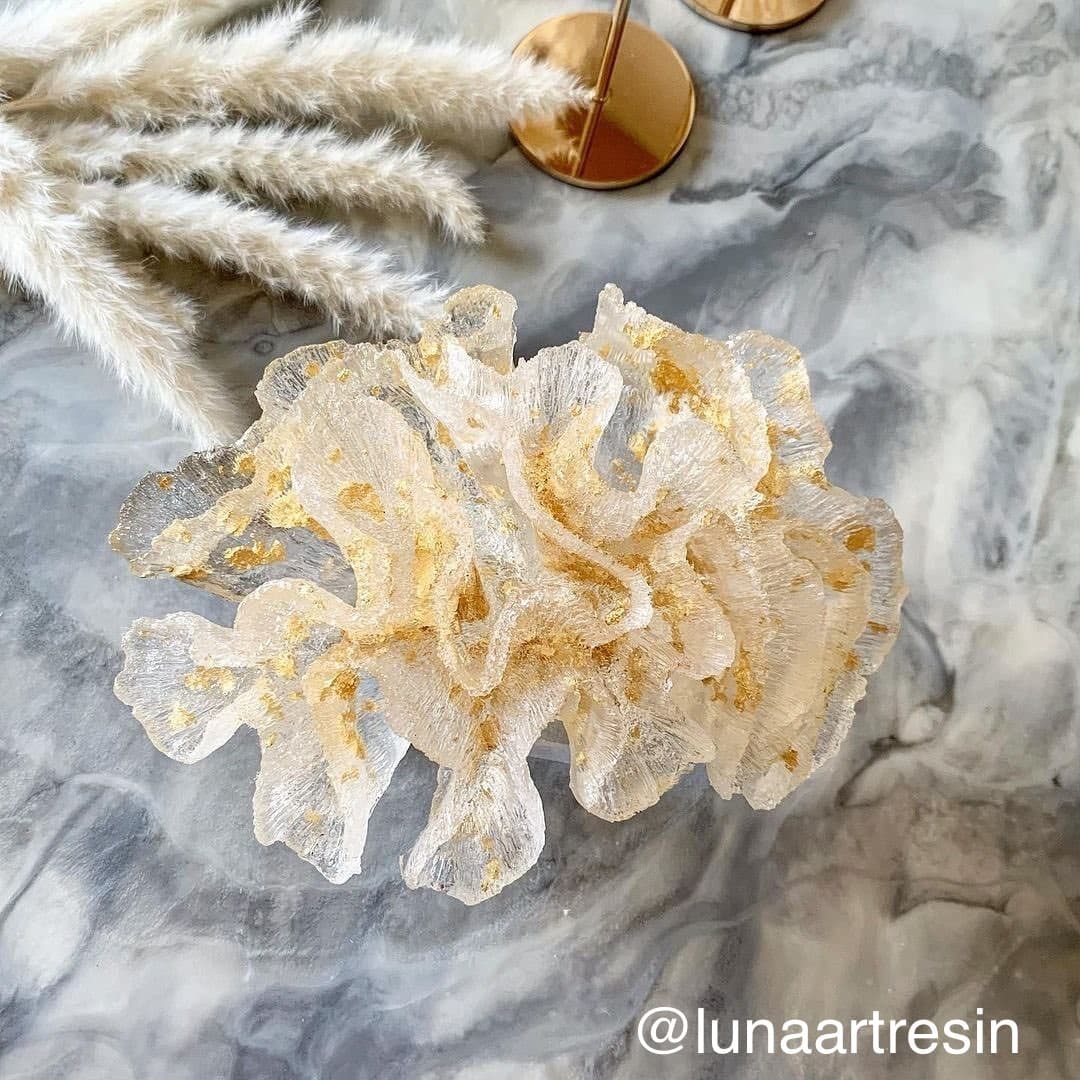
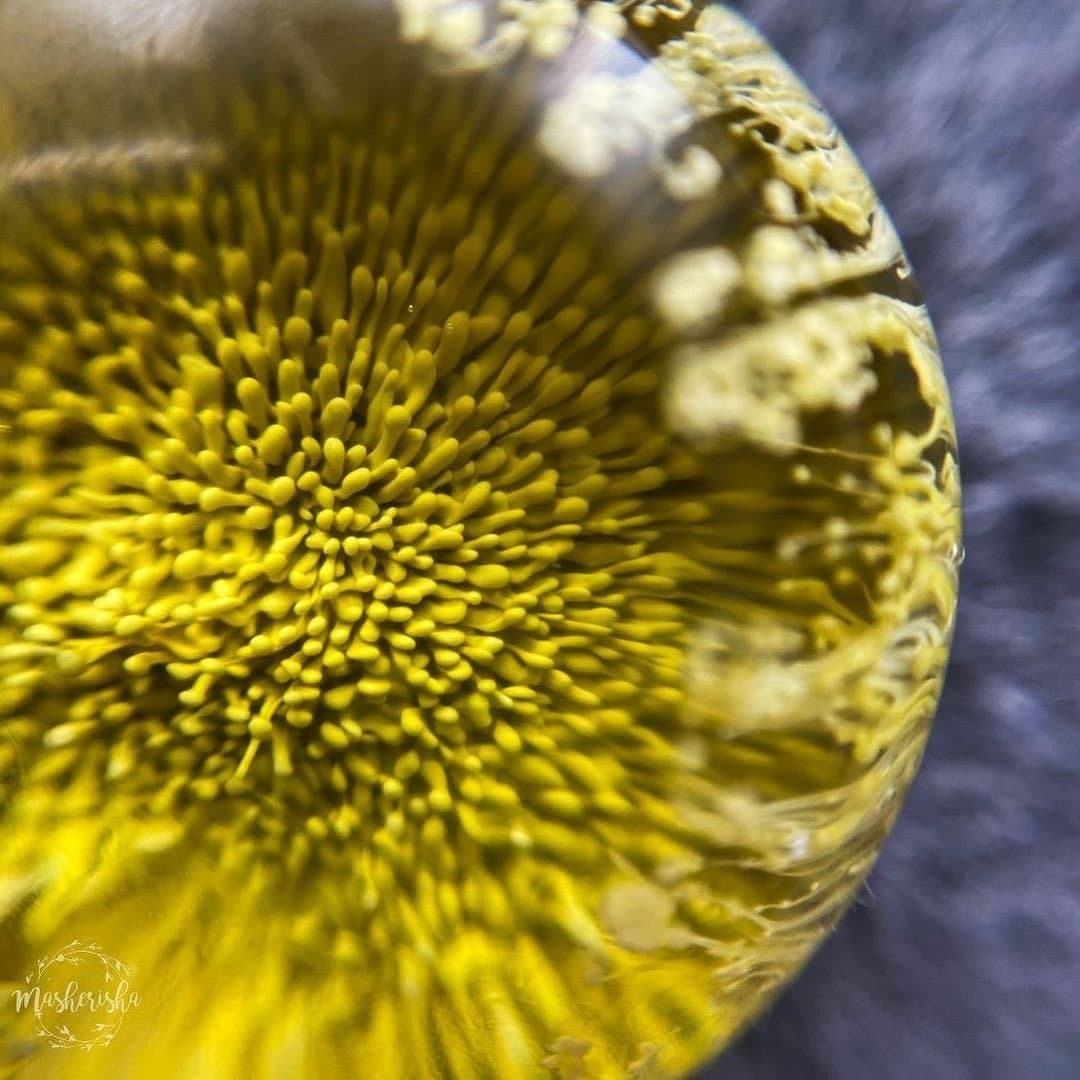
Bubbles are especially noticeable in transparent resin jewellery, pendants, or fine art pieces. For these projects, choosing a dedicated low-viscosity resin and taking time with preparation can make all the difference.

Related products
Related guides
Minimising air bubbles is key for clear and professional results in any resin craft. By combining careful technique with the right two-component resin, you set the stage for stunning creations. Explore more high-quality options and advice on our main page about where to buy two-component resin.