 Free shipping on orders over £29,85
  Shipping Tracking!


 Google
 Facebook
← Back to Where to Buy Resin for Transformers
Securing a strong bond between resins and your 3D printed models is essential for creating durable prototypes and finished parts. Let’s explore how to achieve reliable adhesion on common 3D printing materials.
Which Materials Bond Best with Resin?
The most widely used 3D printing filaments, including PLA, ABS, and LAYWOOD, generally accept resin coatings and adhesives well. Choosing a resin with an adhesion formula designed for these plastics helps eliminate common issues like peeling, delamination, or poor surface finish. Preparing your models—by making sure they are thoroughly clean, dry, and lightly sanded—ensures that the resin has maximum grip.

Choosing an Adhesive or Coating: Practical Tips
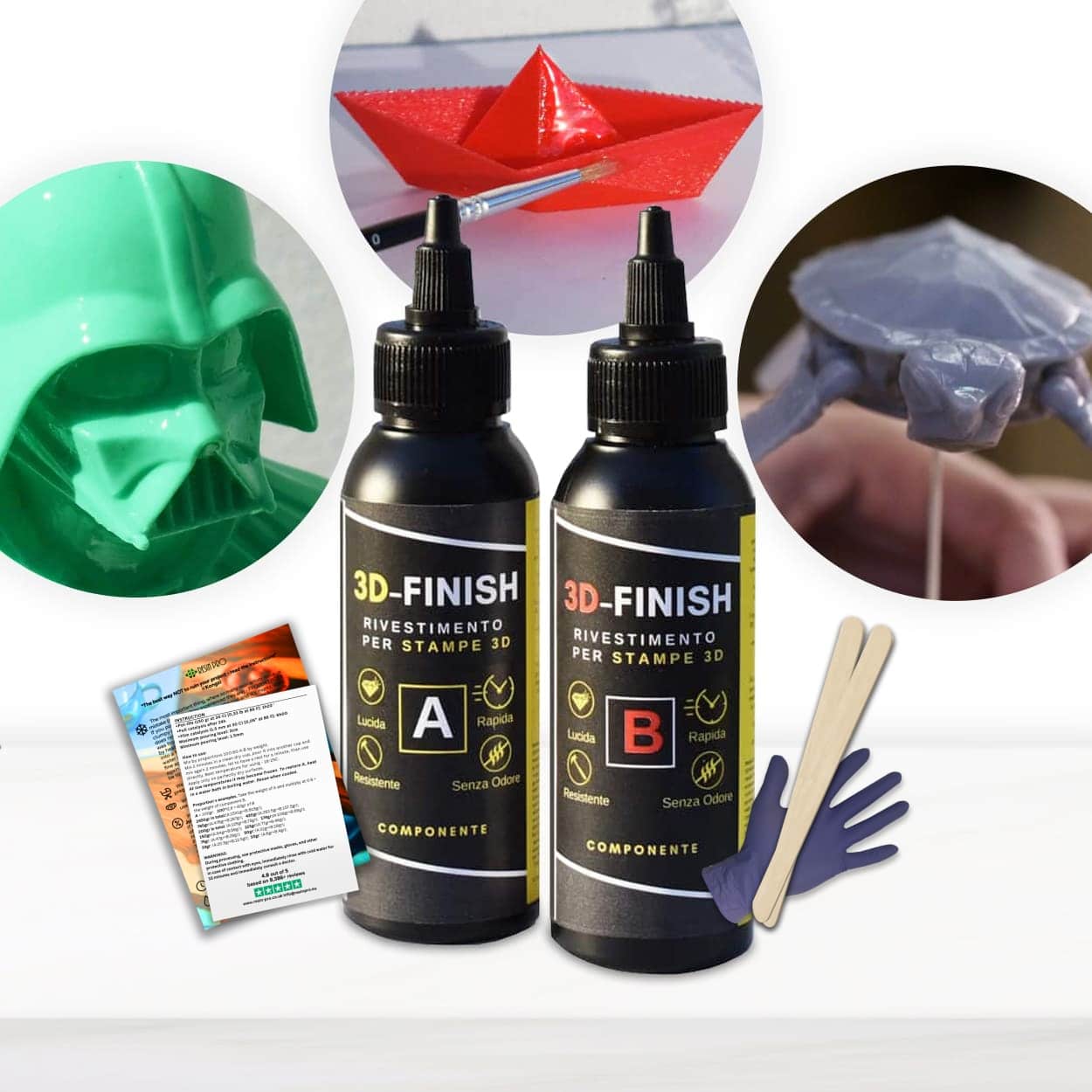
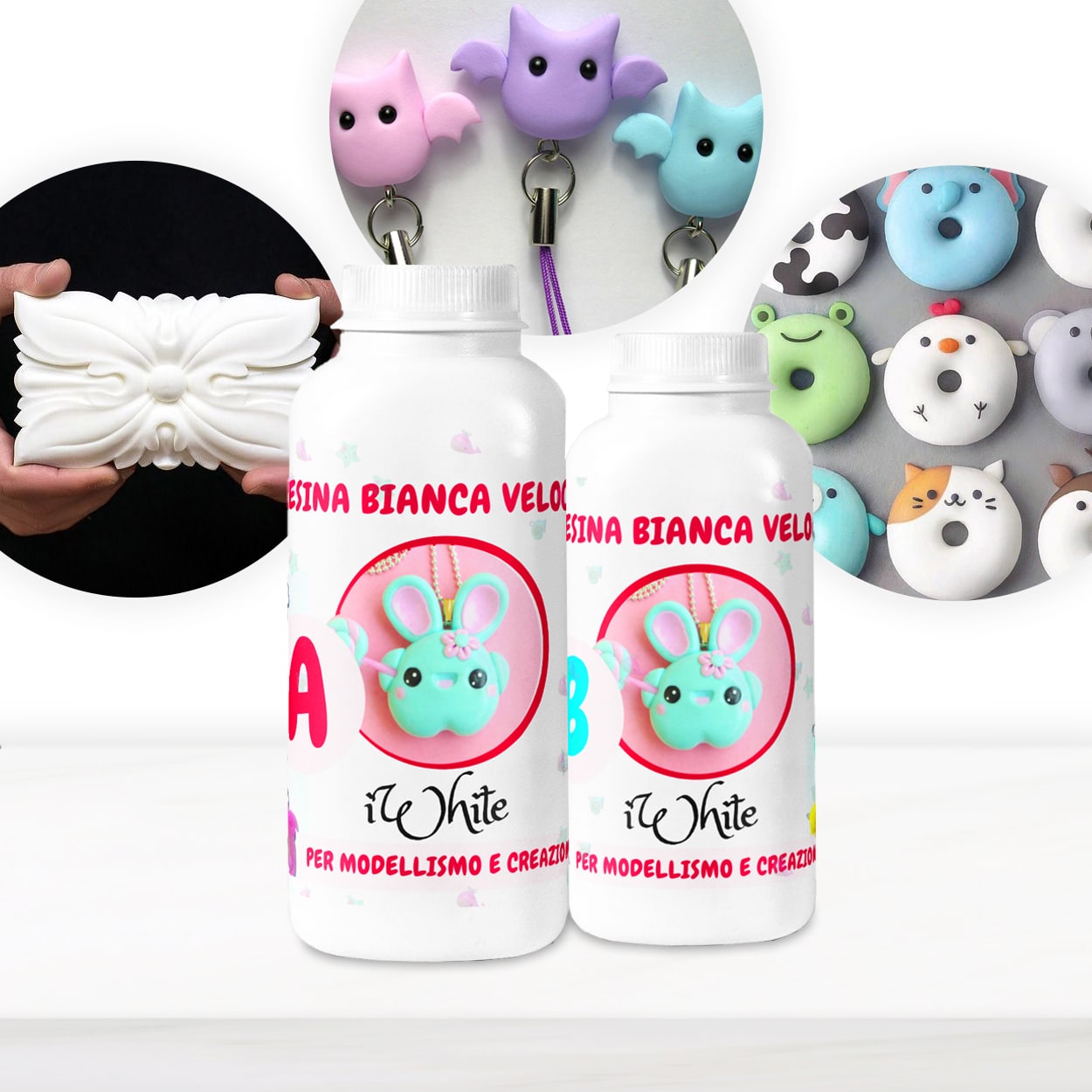
Short cure times and non-drip formulas make some epoxy resins, such as 3D Finish Fast Coating Resin, ideal for giving prints a resilient, smooth surface without obscuring details. For casting or filling, polyurethane resins like IWhite Polyurethane Casting Resin offer high fluidity for even coverage of complex shapes. If clarity and long working time are a priority—such as when embedding or working on intricate surfaces—Liquidissima Epoxy Resin provides excellent transparency and reliable adhesion.
When This Matters Most
Exceptional adhesion is especially crucial for prototypes that will undergo handling, moving parts, or surface finishing. Artists and professionals preparing pieces for final display or further painting benefit most from a strong, even resin bond across the entire 3D printed surface.

Related products
Related guides
Whether rapid prototyping or refining your printed projects, selecting the right resin ensures robust results and lasting finishes. For more insight into advanced resin choices for intricate work, visit our main guide on where to buy resin for transformers.