 Free shipping on orders over £29,85
  Shipping Tracking!


 Google
 Facebook
← Back to Where can plant resin be extracted?

Plant resin, prized for its use in art, crafts and industry, has been extracted from certain trees for centuries. This guide details traditional and modern methods used to draw resin from resin-rich trees.
Traditional Resin Extraction
The classic way to harvest resin involves making deliberate cuts or grooves in the bark of resin-producing trees such as pine or spruce. The wounds encourage the tree to release sticky sap as a protective response, which then slowly gathers at the exposed area. This exuded resin can be collected manually after it has thickened, sometimes using simple tools or collection containers attached beneath the cut.
Modern Tapping Methods
Today, some commercial operations refine this process by using specialised tools that create precise incisions, sometimes combined with removable collection cups or strips to channel the sap efficiently. Care is taken to avoid deep damage to the tree, allowing for repeated harvesting over time while ensuring tree health. Whether for industrial supply or smaller scale projects, methodical tapping and regular collection yield cleaner resin with minimal impact on the tree.
Tips for Responsible Resin Collection
- Select mature, healthy trees and space out the tapping points to minimise injury.
- Use sharp, clean tools to make shallow cuts for sap flow, but never ring the entire trunk.
- Collect resin before it hardens fully, and allow time for the tree to heal between harvests.
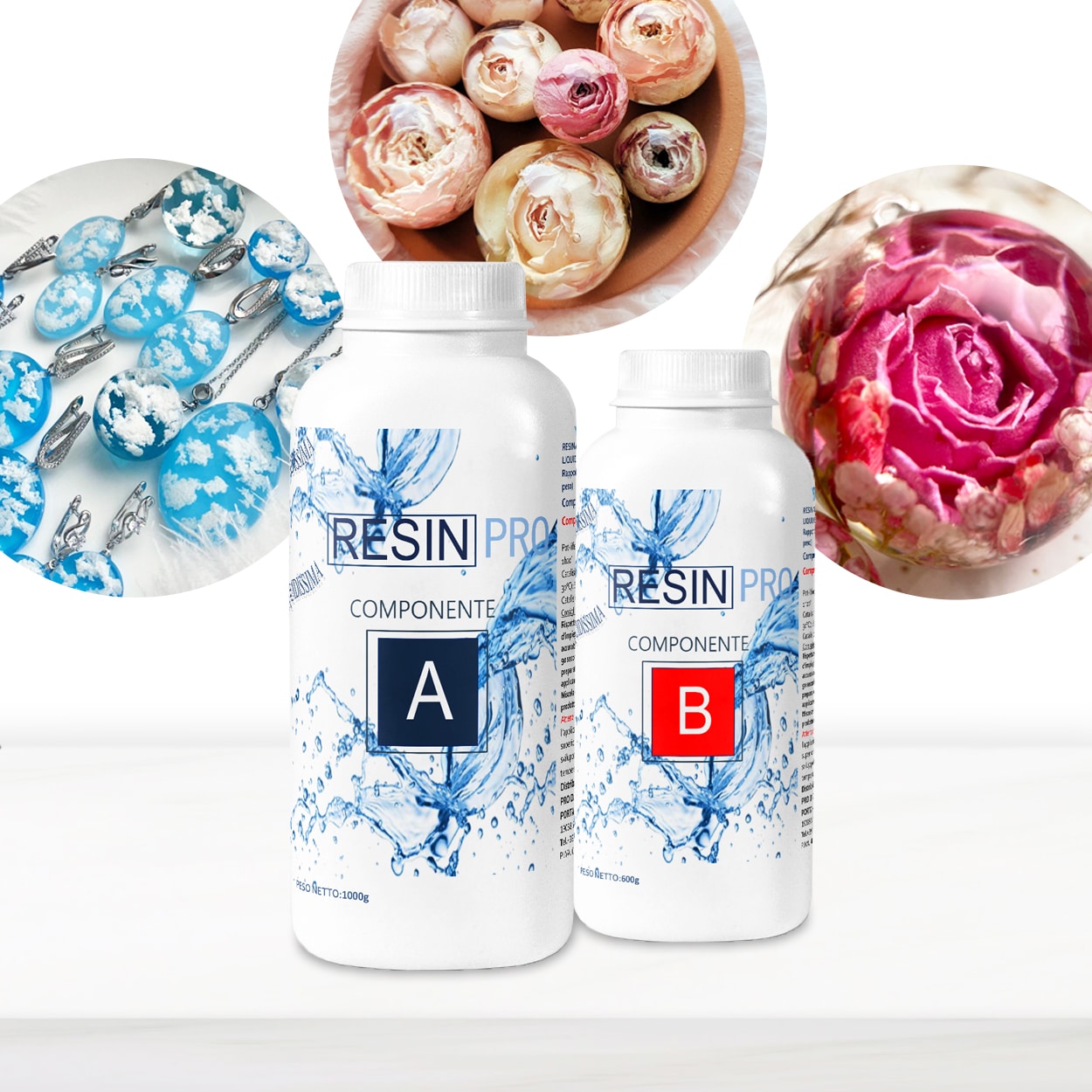
If you’re seeking clear, plant-resin-like finishes in your creative work, products such as “Liquidissima” epoxy resin offer a convenient alternative for intricate moulds and jewellery applications.

When Does Tree Resin Extraction Matter Most?
Resin extraction is especially important for crafters sourcing traditional materials, researchers studying plant defences, and anyone interested in sustainable, natural resource use. Choosing the right collection method directly affects the quality and quantity of resin gathered.
Related products
Related guides
Understanding resin extraction connects us to both natural material origins and modern creative possibilities. Explore further uses and sourcing guides on our parent page about where plant resin can be extracted.