 Free shipping on orders over £29,85
  Shipping Tracking!


 Google
 Facebook
← Back to Where to find coloured rubber silicone bracelets?
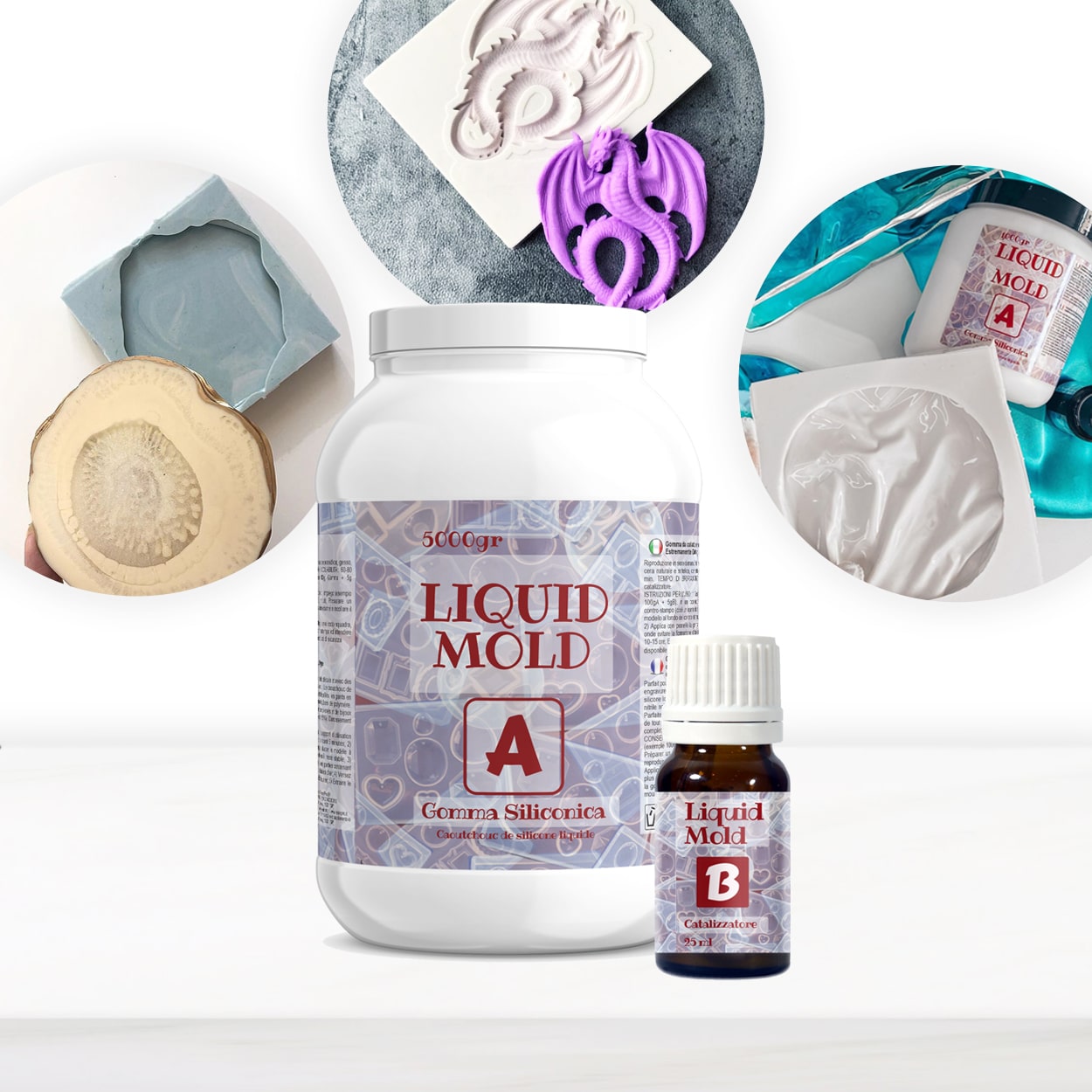
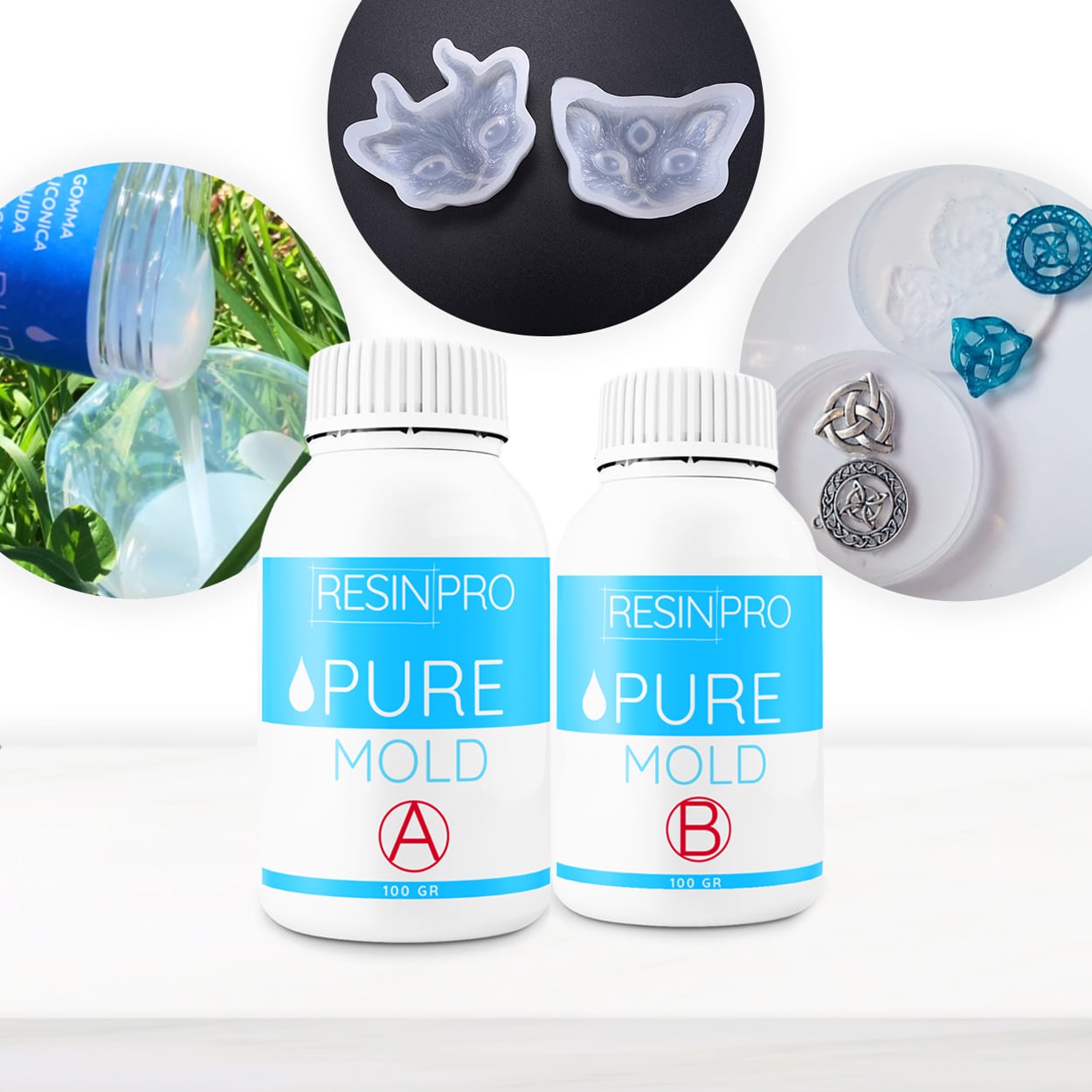
When making silicone bracelet moulds, choosing the right liquid mould silicone makes a noticeable difference in your results. Two main types are widely used, each suiting particular bracelet designs and requirements.
Key Differences Between Standard and 15 Shores Liquid Mould Silicone
Both types of liquid mould silicone are bi-component systems—meaning you’ll need to mix two parts to activate their curing process. They offer excellent detail capture for intricate bracelet patterns. The main difference arises in Shore hardness. Traditional versions often range from 20 to 40 Shores and are firmer, making them ideal for general-purpose bracelet moulds where shape accuracy and repeatability are required. In contrast, the 15 Shores version is noticeably softer and more flexible, meaning it can stretch further without tearing and handle deeper undercuts or more intricate shapes comfortably. This level of stretch is especially useful for bracelet designs requiring extra removal flexibility without risking damage to the mould or the cured piece.
Choosing the Best Silicone for Your Bracelet Project
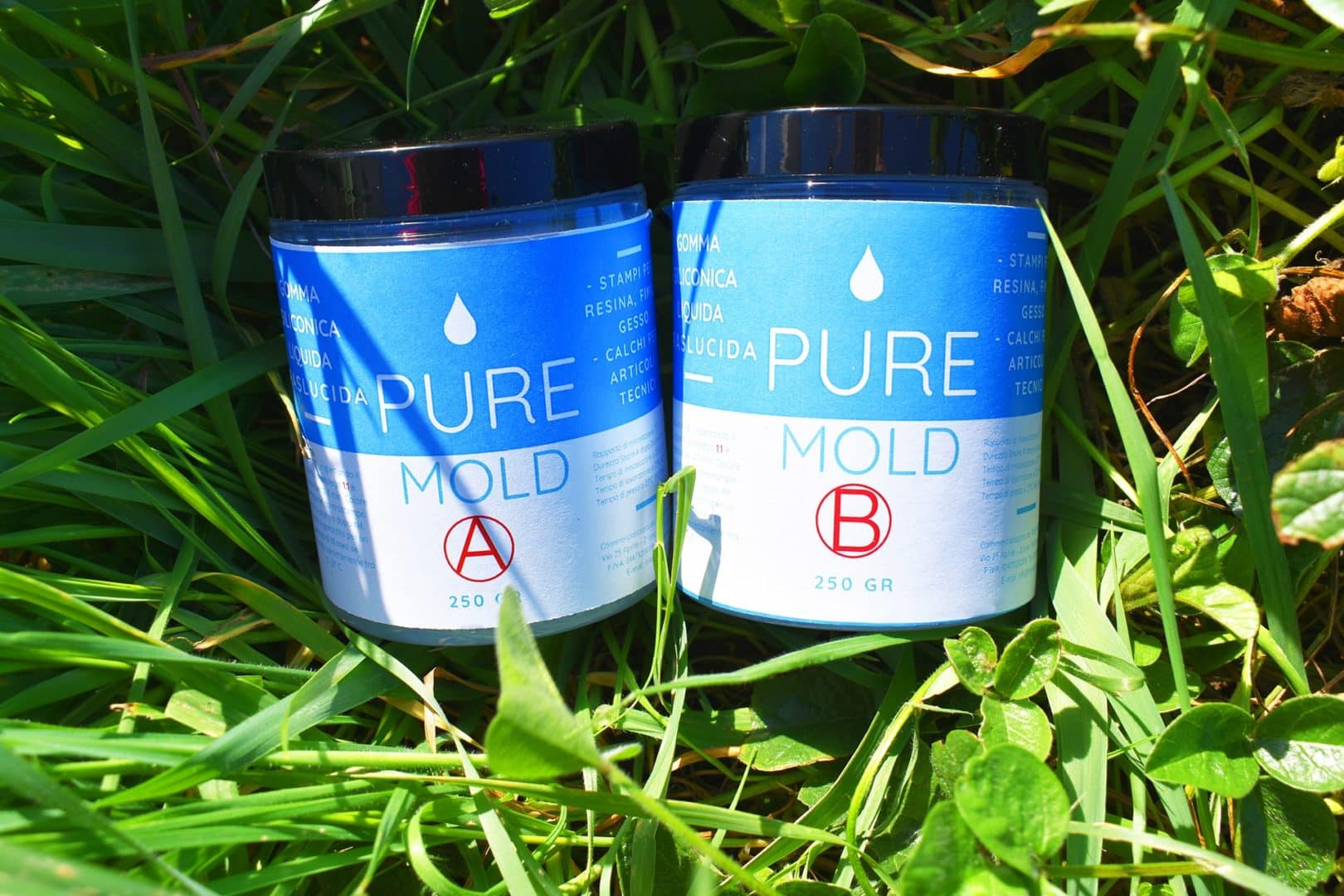
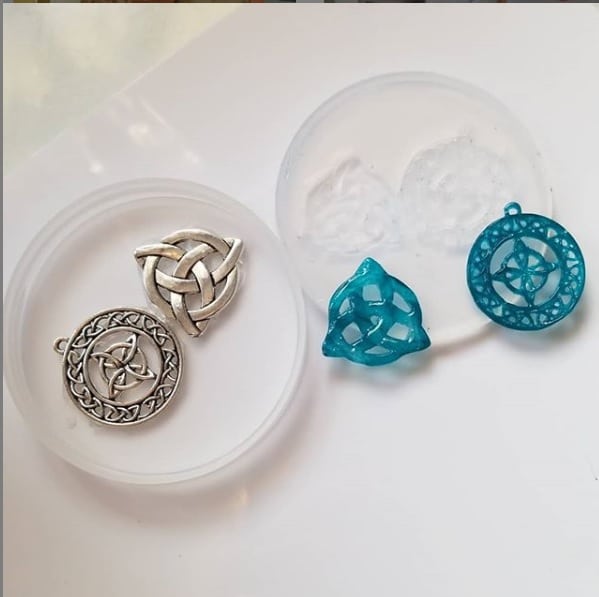
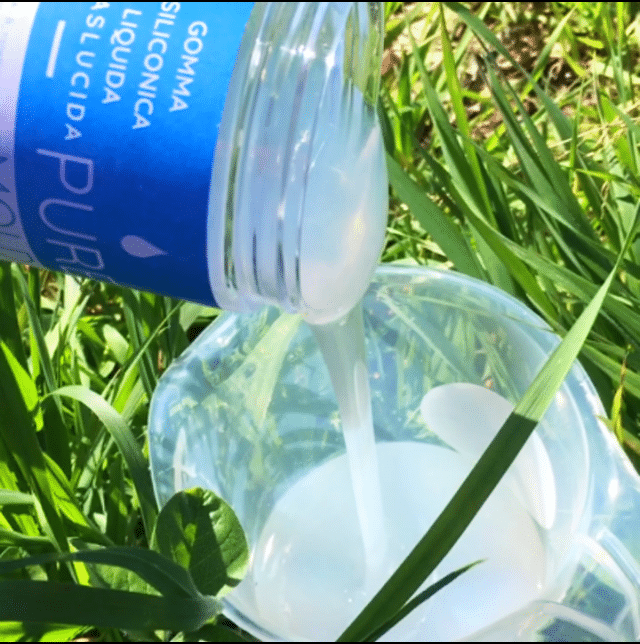
Selecting the appropriate hardness depends on your bracelet style and the casting materials you’ll use. For standard, simple bracelets or those with moderate undercuts, a product like the “Liquid Mould” – Casting Liquid Silicone Rubber offers a good balance of durability and definition. If you’re working with highly detailed, intricate, or thicker bracelets that require significant stretching to demould, the 15 Shores version is recommended as it reduces the risk of mould tearing and improves release. Additionally, for very transparent or observation-friendly casting, consider products labelled as ‘Pure Mould’.
When Does Silicone Flexibility Matter Most?
If your bracelet mould features deep relief, repeating patterns, or demands frequent removal and reuse, prioritising a lower Shore (softer, more flexible) silicone ensures your mould lasts longer and pulls away from the finished bracelet smoothly. It’s less critical for flat, simple forms, but essential for more ambitious bracelet designs.
Related products
Related guides
Understanding how liquid mould silicones differ helps you create high-quality coloured rubber silicone bracelets with ease. For more on sourcing materials and finding vibrant bracelet options, head back to our main guide on where to find coloured rubber silicone bracelets.