 Free shipping on orders over £29,85
  Shipping Tracking!


 Google
 Facebook
How to use Martini resin for car exhaust repairs
Achieve robust and durable exhaust repairs with resin techniques
Repairing a car exhaust can be challenging due to intense heat, exposure to moisture, and mechanical stress from daily driving. Using Martini resin techniques allows you to restore structural integrity in damaged sections, reduce rattling or leaks, and prolong the lifespan of your exhaust without costly replacements. This guide explains the process to achieve a robust repair, from preparation to post-cure finishing.
What You’ll Need
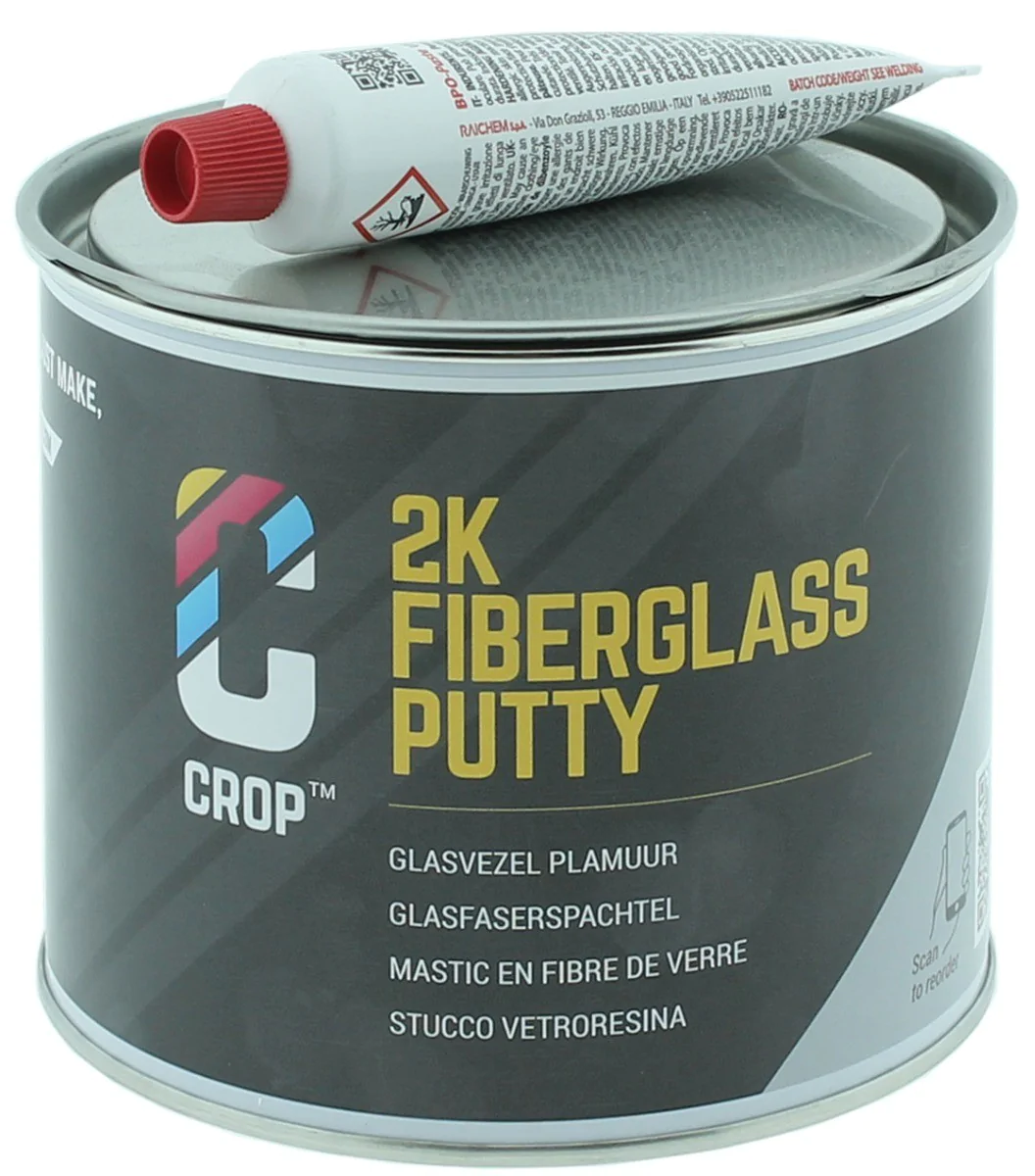
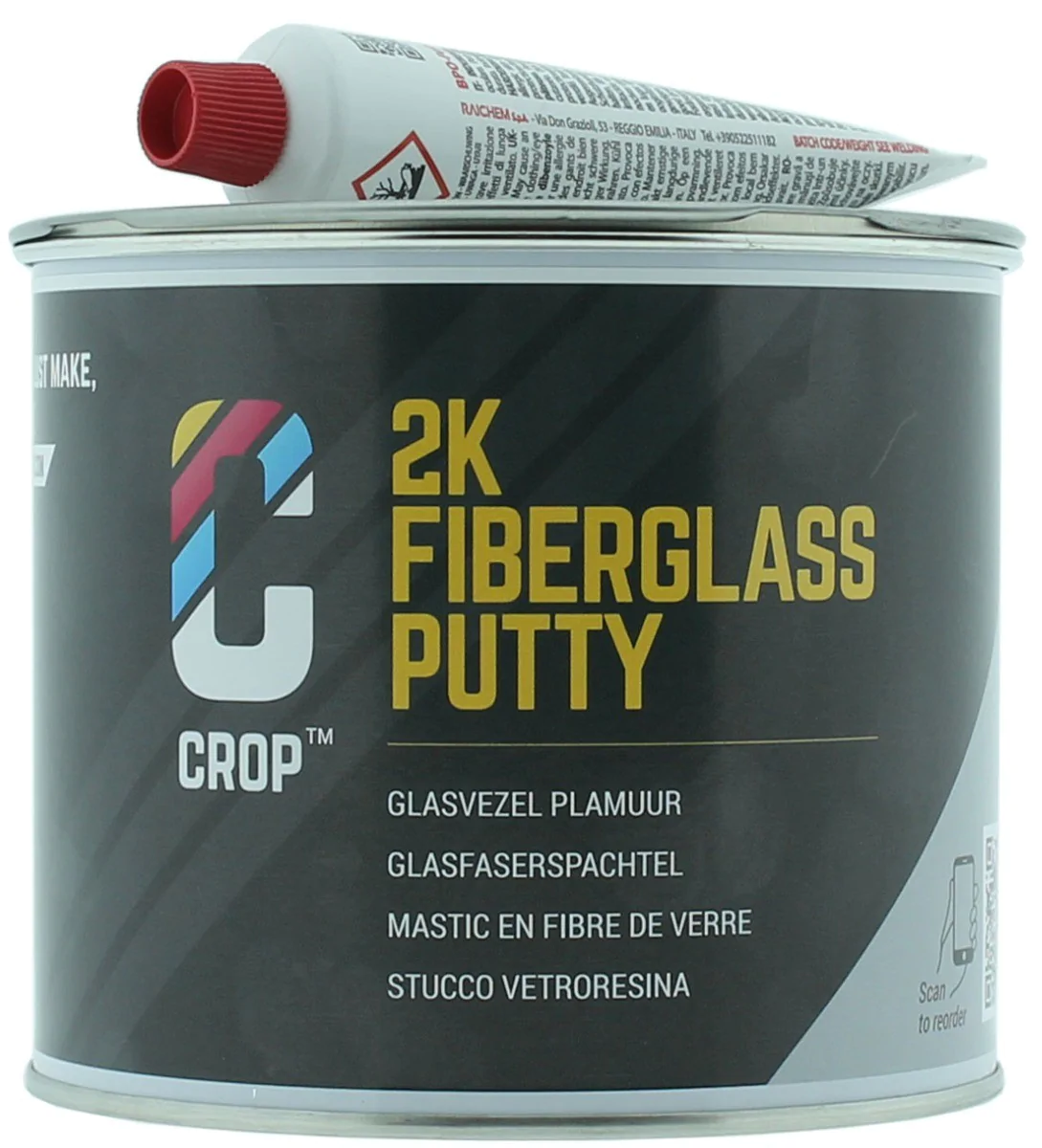
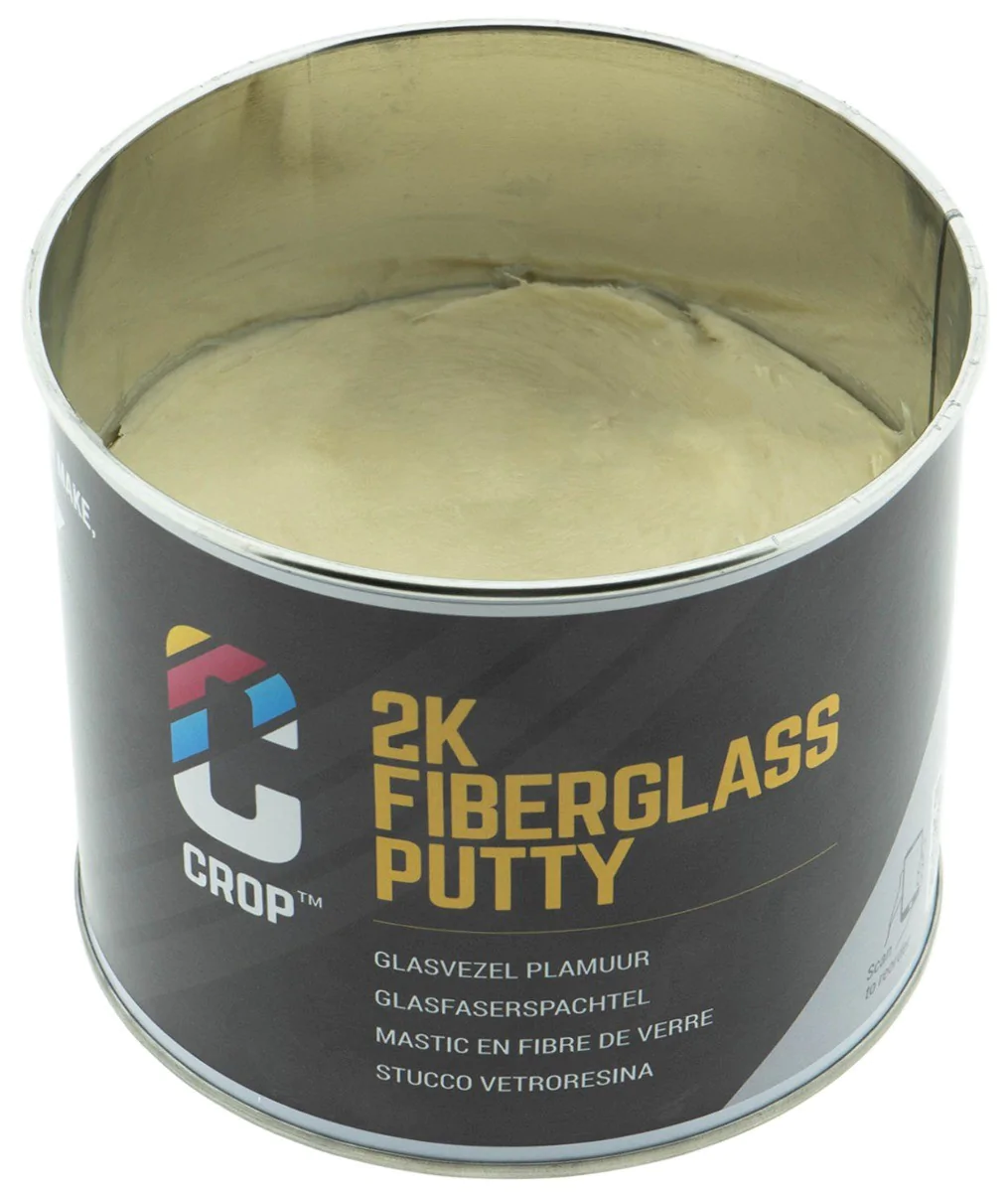
- CROP 2K Fiberglass Putty – 750 ml + Hardener: For filling large holes or cracks on metal and composite exhaust parts.
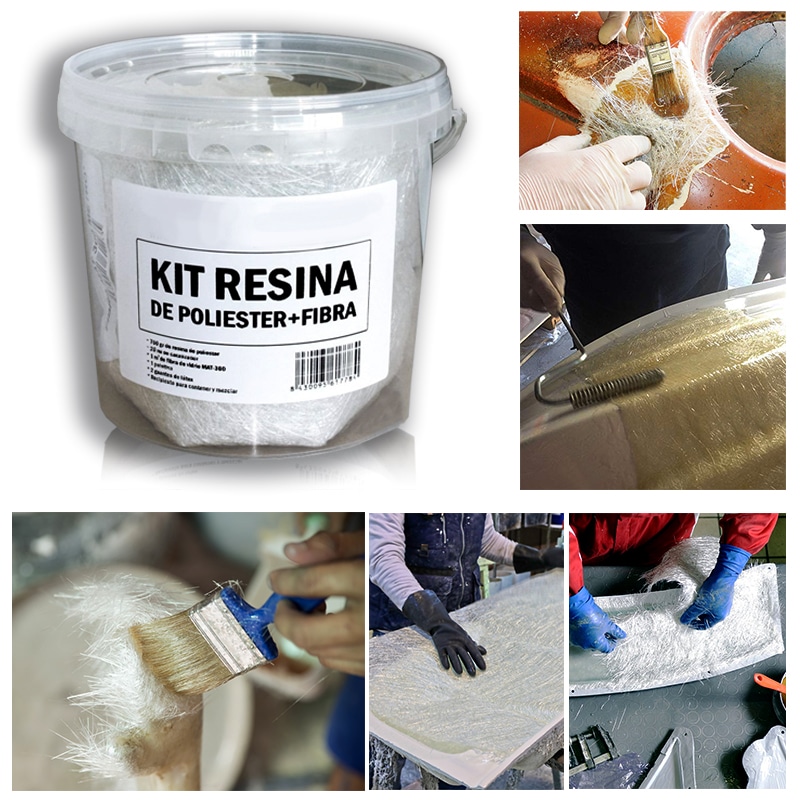
- Resin Fibreglass Repair Kit – Complete Polyester Resin and Hardener Set: A complete solution for laminating repairs that require a strong, reinforced bond.
- Strong Technical Degreaser for Resin Projects – 100% Natural Formula: Clean and prepare the exhaust surface safely without harsh chemicals.
- “Carbon Resin” – Epoxy Resin for Carbon Fiber & Fiberglass Coating: Suitable for projects where extra mechanical resistance and technical fabric compatibility are required.
- Protective gloves, mask, and eyewear
- Sandpaper, wire brush, or abrasive pad
- Mixing sticks and disposable brush
- Clean rags or lint-free cloths
Preparing and Masking the Repair Area
Good surface preparation ensures long-lasting exhaust repairs. Cover nearby bodywork with masking tape and sheeting to avoid resin splashes. Wear gloves and eye protection at all times. Consider a wire brush on a drill for stubborn rust, but avoid excessive abrasion that could thin the exhaust wall.
Step 1: Prepare and Clean the Exhaust Surface
Wear protective equipment before handling resin or exhaust components. Ensure the car is cool and the exhaust is free from active fumes. Use a wire brush or abrasive pad to remove loose rust, scale, and old residues from the repair site. Clean the area thoroughly with a lint-free cloth.
For best adhesion, cleanliness is critical for proper resin adhesion. If oil, grease, or silicone are present, apply the Strong Technical Degreaser for Resin Projects – 100% Natural Formula to dissolve contaminants, then wipe dry. Allow the area to air dry completely before proceeding.
Step 2: Mix and Prepare Martini Resin
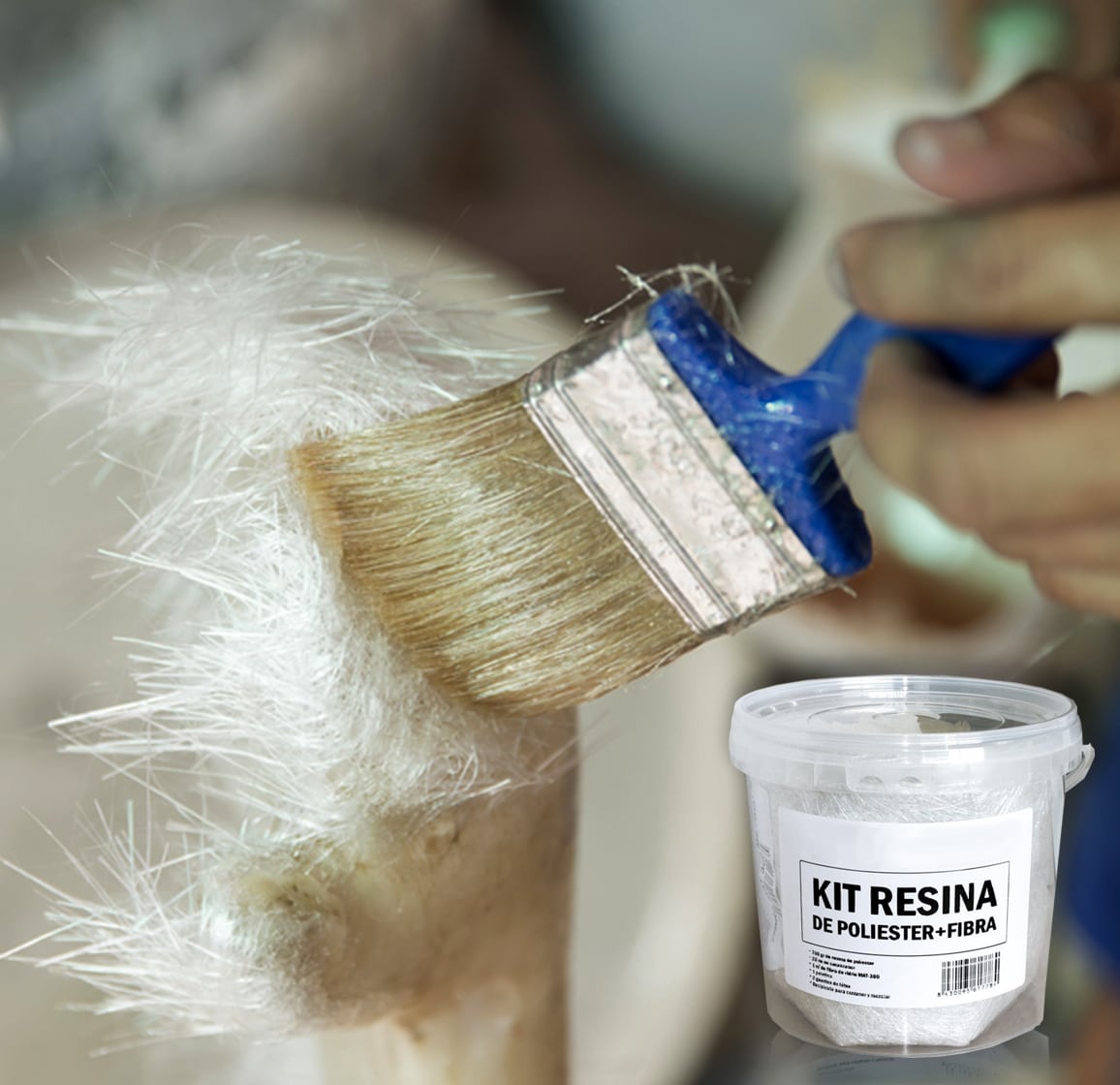
Measure out the correct amount of Martini resin (from your chosen resin kit) and hardener according to the product instructions. Thoroughly mix the resin and hardener to activate the curing process. Use a clean mixing stick and mix until the colour and texture are uniform, avoiding unmixed material at the bottom or edges of the container.
If using a kit like the Resin Fibreglass Repair Kit – Complete Polyester Resin and Hardener Set, follow the included instructions for the proper resin-to-hardener ratio and mixing time. Prepare only as much resin as can be applied within the working time specified by the product.
Step 3: Apply Resin and Reinforcement to the Damaged Area
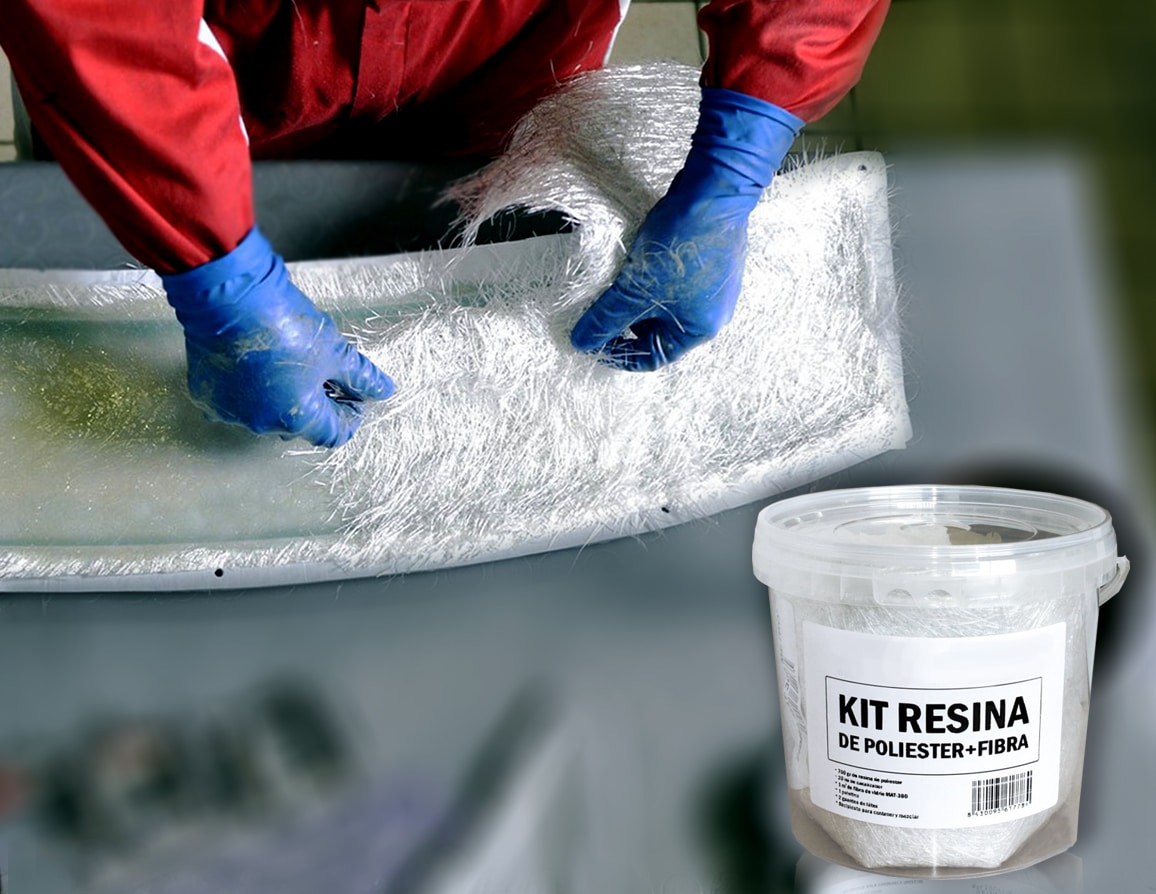
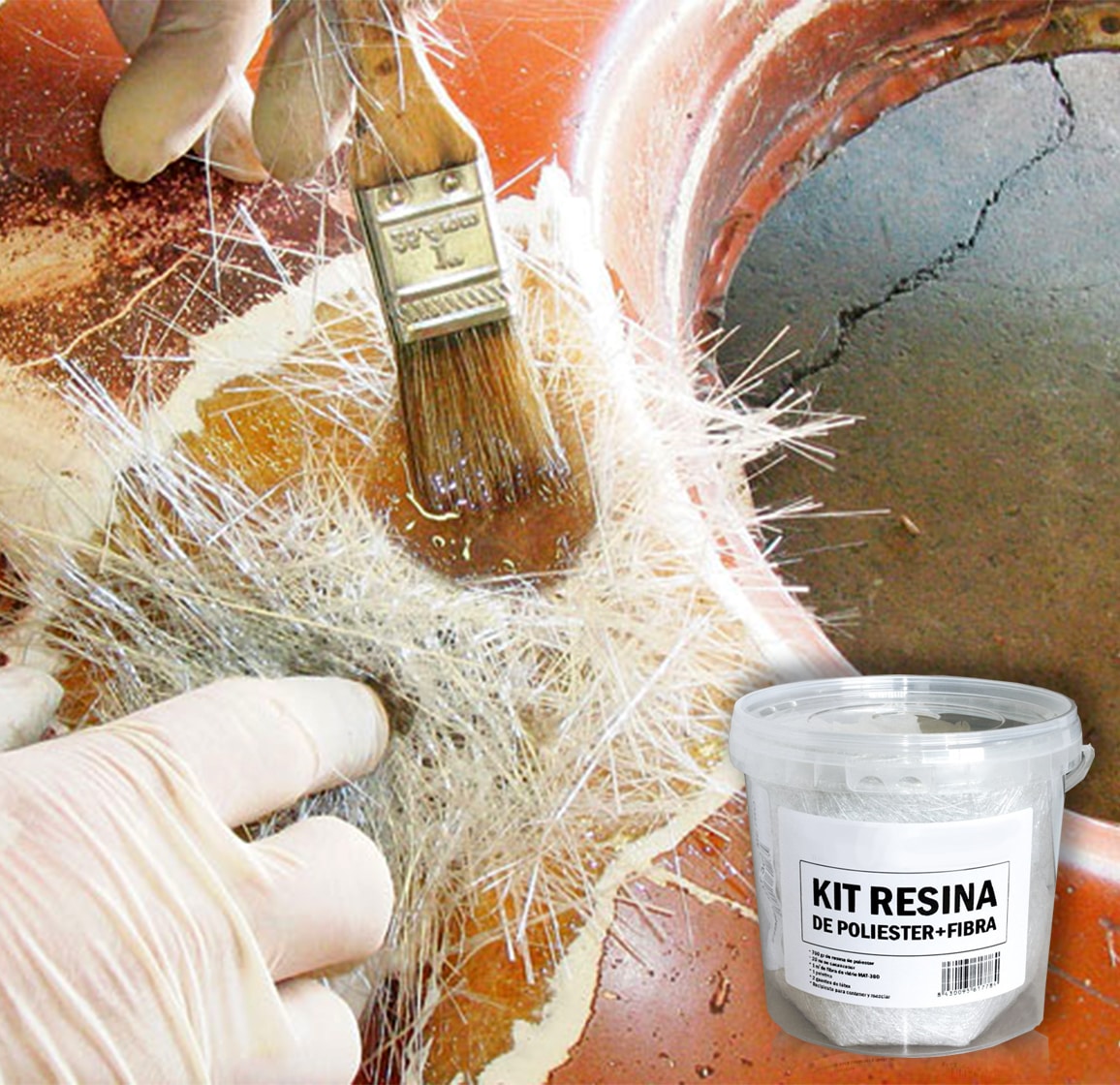
Using a disposable brush or plastic spatula, apply a thin layer of mixed resin to the prepared surface. Cut a fibreglass mat or cloth to size, ensuring it overlaps the damaged area by at least 1–2 cm on all sides for strong adhesion. Lay the reinforcement over the wet resin, then saturate it fully by brushing more resin on top.
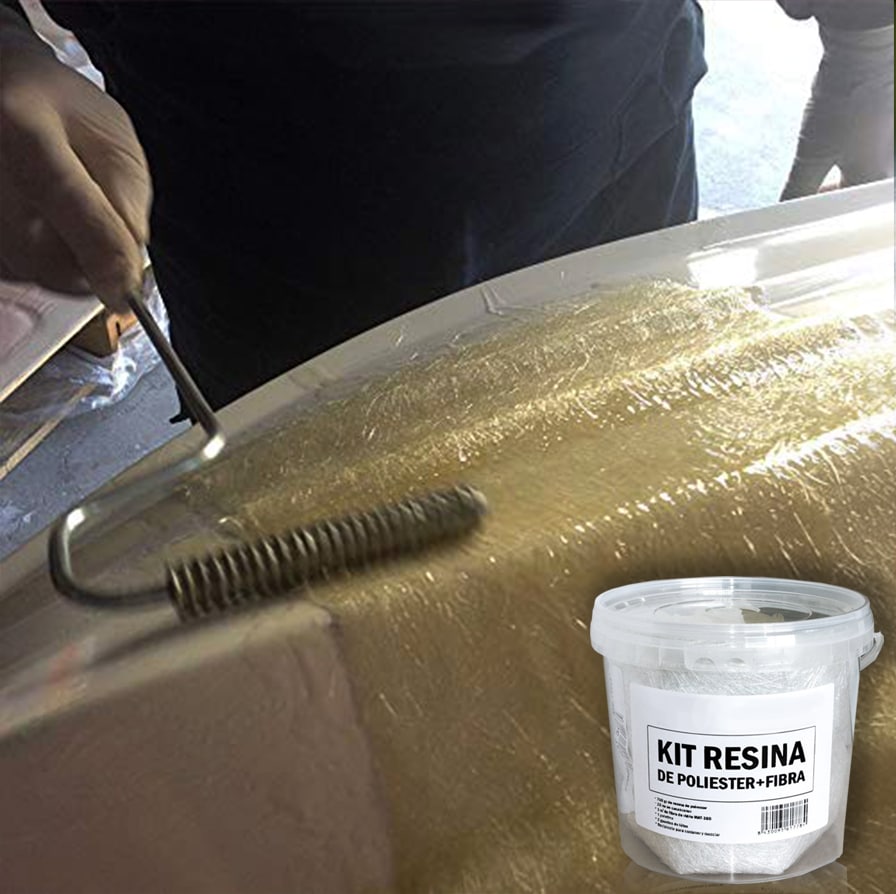
Apply the resin and reinforcement evenly, avoiding air pockets. Smooth out the mat, ensuring there are no folds or bubbles that could weaken the repair. For deep holes, begin with an underlayer or use a fibreglass putty such as CROP 2K Fiberglass Putty – 750 ml + Hardener to fill the cavity. Allow this layer to set before adding further reinforcement and resin as needed.
Step 4: Allow to Cure, Then Finish the Repair
Protect the repair site from rain and dust while curing. Allow full curing before exposing to heat or stress. Curing times depend on the specific resin used—refer to the product’s guidance, but typically, allow at least several hours to a full day.
Once cured, sand the area smooth with fine-grit sandpaper. Finish with primer and compatible paint if necessary. Inspect the repair for complete bonding—if needed, repeat the lamination or filling step for added strength. Only reinstall or run the vehicle after confirming the repair is fully hardened and stable.
Tips and Common Mistakes to Avoid
- Always apply resin in recommended temperature and humidity ranges for best performance.
- Avoid using resin on surfaces not properly cleaned—any grease or oil severely weakens adhesion.
- Don’t rush the curing process; premature use can cause delamination or cracking.
- Work in a well-ventilated area and use gloves to protect skin from uncured resin.
- If the damage is near a flange, bend, or joint, reinforce extra layers for additional mechanical support.

Finishing Touches and Aftercare
Check for leaks after curing by running the engine briefly and inspecting the repair. Avoid using high-pressure water or aggressive chemicals on the repair for at least one week. Painting the repaired section with heat-resistant primer may further prolong the exhaust life.

- CROP 2K Fiberglass Putty – 750 ml + Hardener£15.85CROP 2K Fiberglass Putty is suitable for bodywork repairs, offering a reinforced formula that resists moisture and corrosion.
- Resin Fibreglass Repair Kit – Complete Polyester Resin and Hardener SetThe Resin Fibreglass Repair Kit provides a waterproof, impact-resistant bond suitable for composite repairs in the car exhaust context.
- Strong Technical Degreaser for Resin Projects – 100% Natural FormulaOriginal price was: £10.95.£9.45Current price is: £9.45.A natural and hypoallergenic liquid degreaser suitable for epoxy resin projects and multiple surfaces.
 "Carbon Resin" – Epoxy Resin for Carbon Fiber & Fiberglass CoatingPrice range: £19.95 through £37.95"Carbon Resin" is designed for composites and technical fabrics, offering reliable impregnation and impact resistance under the theme 'How to use…
Frequently Asked Questions
Can I use Martini resin on car exhausts exposed to heat?
Yes, when allowed to fully cure and reinforced properly, Martini resin provides good resistance on exhaust repairs. Ensure the product is suitable for the intended temperature range.
How long does Martini resin need to cure for exhaust repairs?
Most repairs require several hours to a full day to cure, depending on the specific resin and ambient temperature. Check product instructions for best results.
Do I need special tools to apply Martini resin?
Basic tools like brushes, mixing sticks, gloves, and sandpaper are recommended. Specialist kits include most necessary accessories.
Is fibreglass putty or resin better for exhaust repairs?
Fibreglass putty is effective for filling holes and shaping, while resin and mat provide reinforcement. Often, both are used in combination for the strongest repair.
Does a resin repair permanently fix exhaust leaks?
A properly applied resin repair can last a long time but may not be permanent due to ongoing heat and vibration. Regular inspection is advised.
What safety precautions should I follow for exhaust resin repairs?
Always wear gloves, a mask, and eye protection. Work outdoors or in a well-ventilated space to avoid inhaling fumes from uncured resin.
How do I clean tools after using Martini resin?
Clean tools and brushes with a suitable degreaser or solvent before the resin cures to prevent hardening and clogging of equipment.