 Free shipping on orders over £29,85
  Shipping Tracking!


 Google
 Facebook
← Back to What do bees collect resin for?
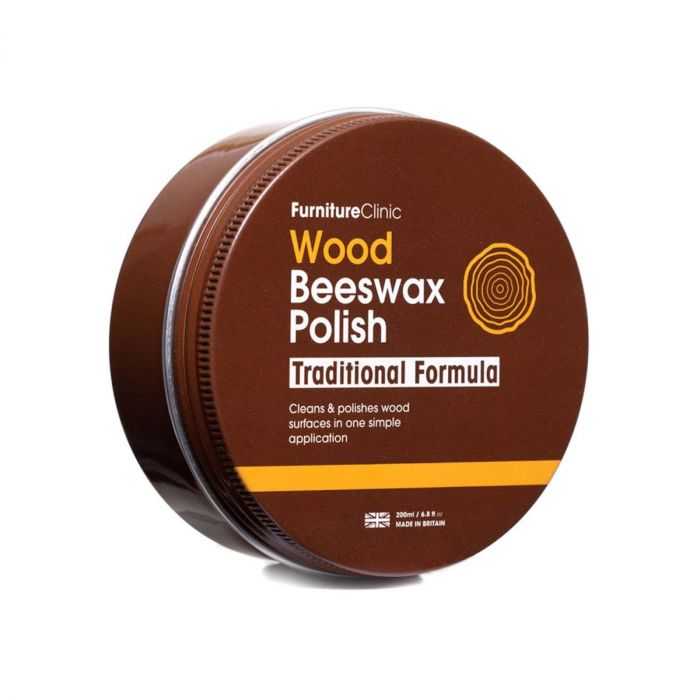
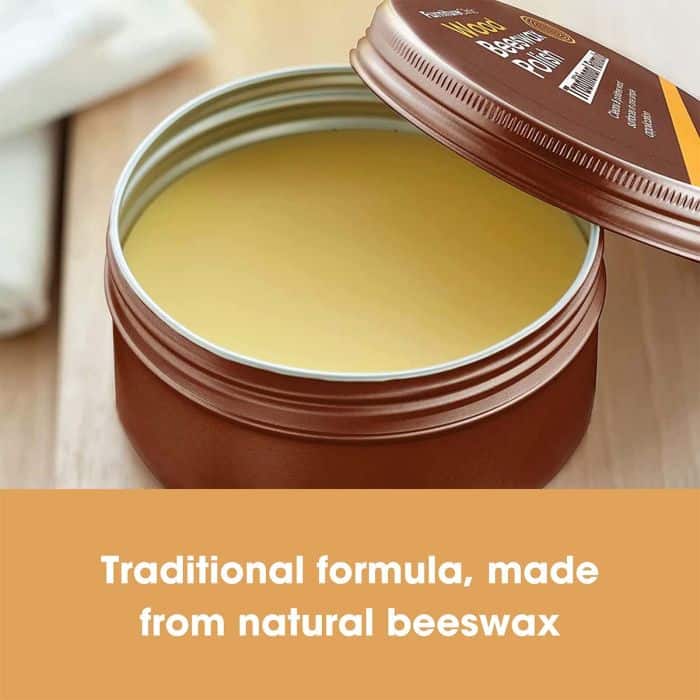
Both beeswax and plant resin are prized natural substances, but their origins and uses differ greatly. Understanding these differences is helpful when choosing materials for craft, restoration, or art projects.
Origins and Definitions
Beeswax is created by honey bees, who secrete it from special glands and use it to build and seal their hives. This wax is entirely animal-derived. Plant resin, by contrast, is a sticky substance that trees and some plants exude, often as a natural defence against insects or wounds. Bees collect this resin and blend it with their wax and saliva to create propolis, but the original plant resin itself is solely botanical.
Craft and Practical Applications
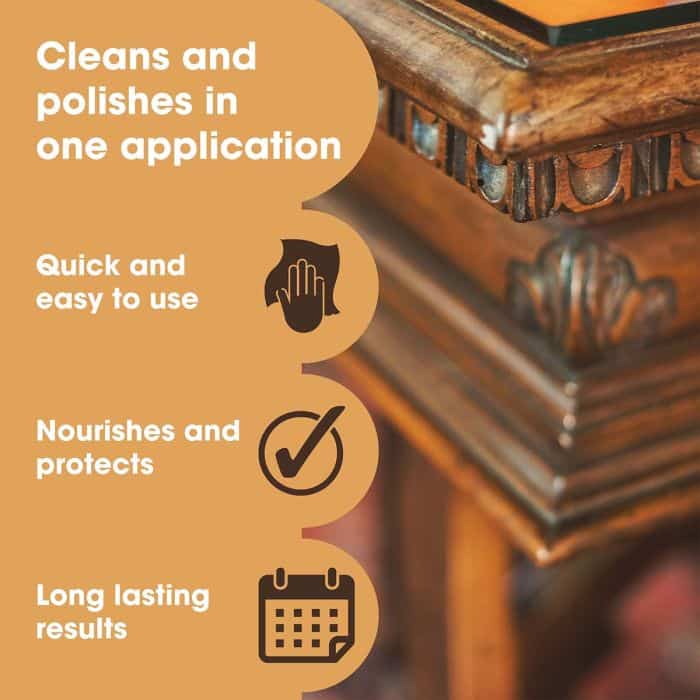
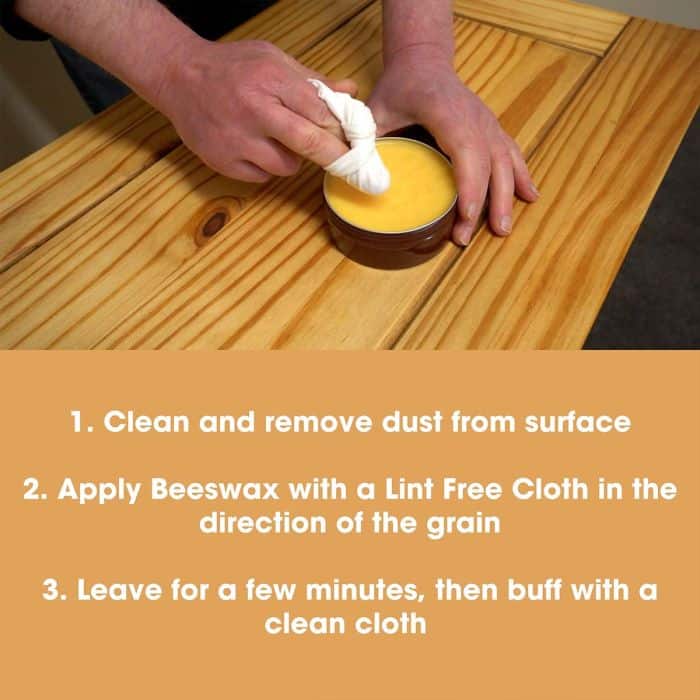
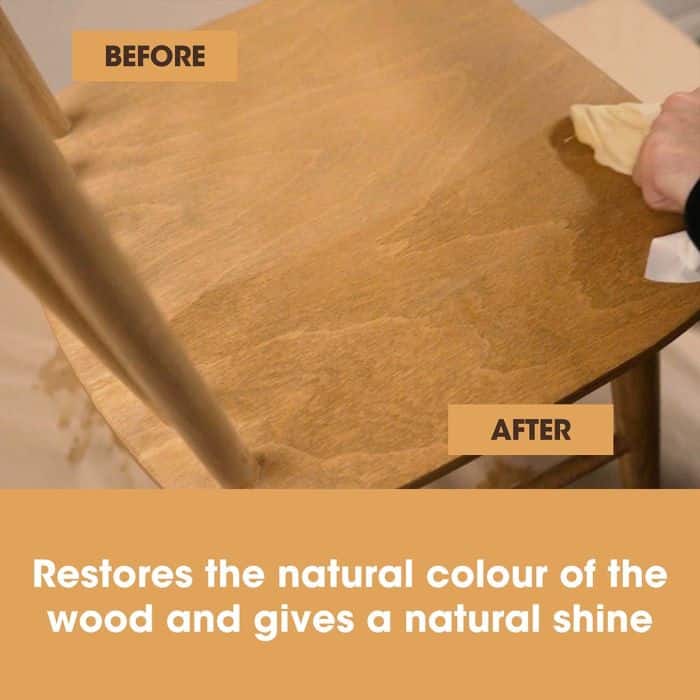
Beeswax is soft, malleable, and used widely to nourish and protect wood, for example in the Beeswax Wood Polish 200ml Natural Formula for Wood and Epoxy Resin. It has a gentle finish and suits furniture and heritage projects. Plant resins, on the other hand, form the basis of various craft and casting materials, providing strength and transparency — ideal for art and jewellery using epoxy or mineral resins such as “Liquidissima” or NatuResin. Choosing between these materials depends on whether you want a natural, finish-enhancing polish, or a structural, durable element in your creation.
When This Distinction Matters
- When selecting a protective finish for wood or stone, knowing whether a product is beeswax or plant resin-based affects appearance and suitability.
- Crafters concerned about eco-friendliness or vegan choices may wish to use plant-based resins like NatuResin.
- For mixed media projects combining wood and resin, understanding their interaction ensures long-lasting, quality results.
Related products
Related guides
Recognising the distinction between beeswax and plant resin helps you select the right natural materials, whether for crafting, restoring, or simply exploring what bees collect and use in their hives. For more insights into what bees collect resin for, see our main guide.