 Free shipping on orders over £29,85
  Shipping Tracking!


 Google
 Facebook
← Back to How many kilograms are needed to pour 7 litres of silicone rubber?


Selecting the right silicone rubber is crucial for successful mould making. Two popular options, ‘Liquid Mould’ and ‘Pure Mould’, differ in hardness and appearance, each suited for distinct casting requirements.
Hardness and Mechanical Properties
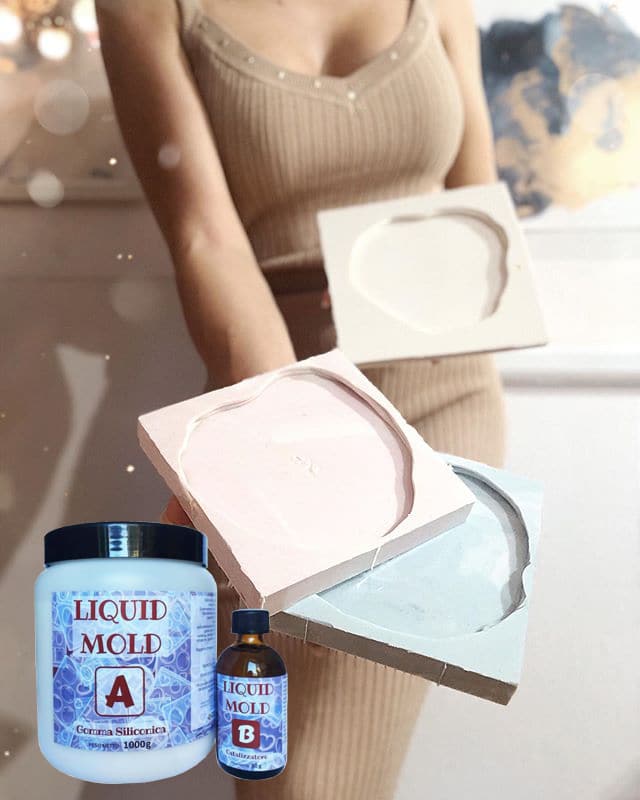
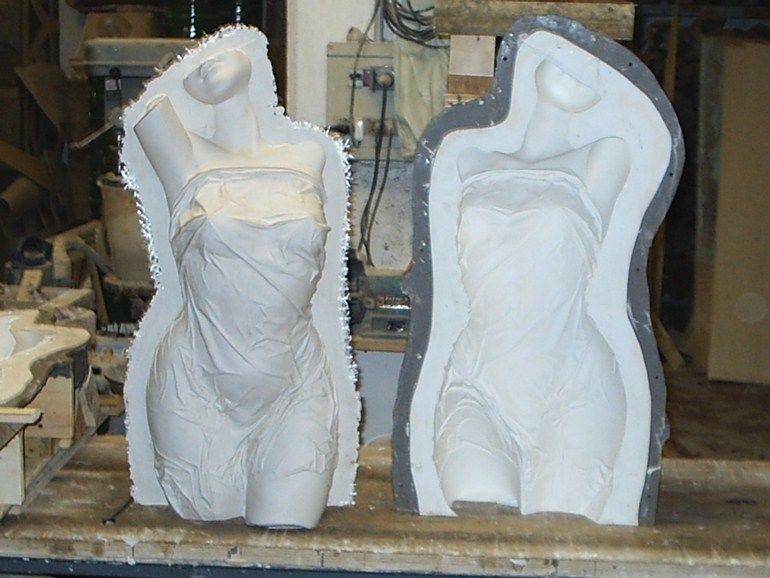
‘Liquid Mould’ silicone rubber is available in a range of shore hardness values, making it adaptable to different casting projects. Whether you need a soft mould for detailed jewellery or a firmer mould for larger items, you can select the shore value that best matches your needs. This flexibility allows you to reproduce fine details and undercuts, ensuring quality results across various applications.
Material Base and Appearance
‘Pure Mould’ is a platinum-based silicone rubber and stands out for its translucency. The see-through property is particularly useful when aligning objects or checking embedments during casting. Being platinum-based, ‘Pure Mould’ typically offers excellent durability and low shrinkage, especially valued for intricate or professional-grade moulds.
Buying Guidance: Which to Choose?
- Choose ‘Liquid Mould’ silicone for a wide range of hardness options suitable for both hobby and technical moulding projects.
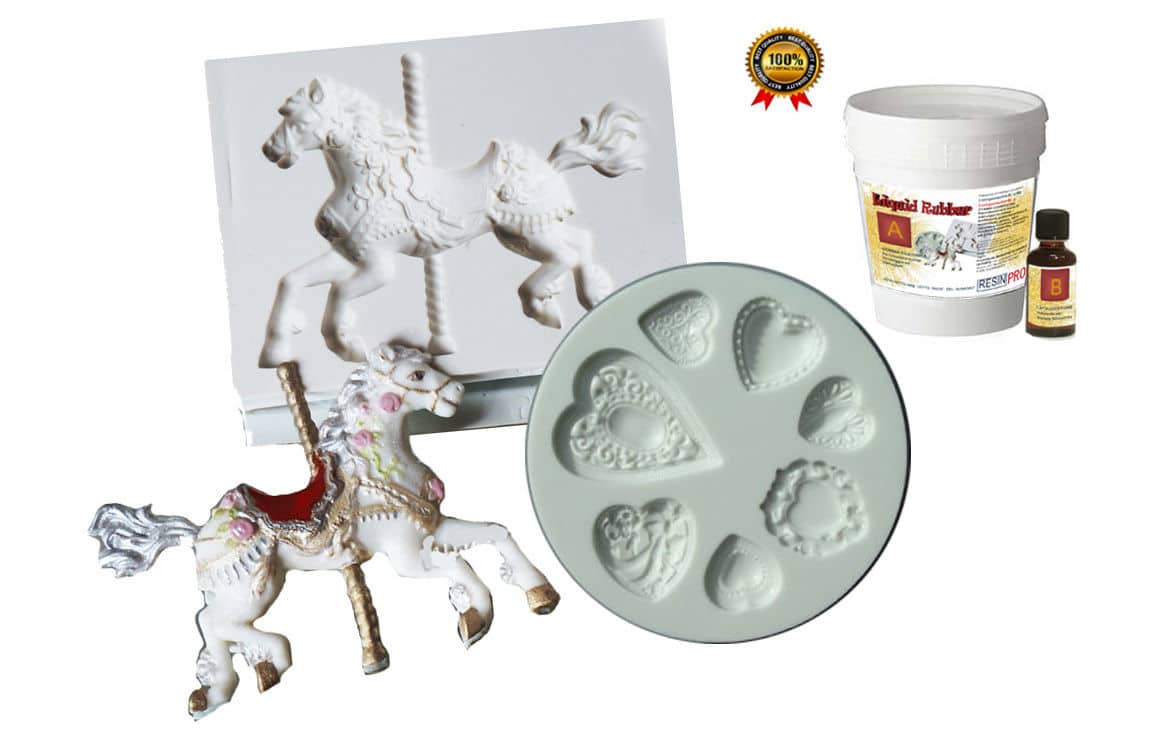
- Opt for ‘Pure Mould’ if transparency and reduced mould shrinkage are important, or if you are working with resin, wax, or professional applications where visibility during casting is beneficial.
When This Matters
The choice becomes crucial when you need detailed visual control during mould making or want tailored hardness for specific castings. Picking the right type ensures longevity and precision for your finished moulds.
Related products
Related guides
Understanding the key differences between these silicone rubbers will help you select the most suitable product for your mould making projects. For more insights about materials and moulding calculations, explore our main guide on estimating kilograms by volume.