 Free shipping on orders over £29,85
  Shipping Tracking!


 Google
 Facebook
← Back to How many kilograms are needed to pour 7 litres of silicone rubber?
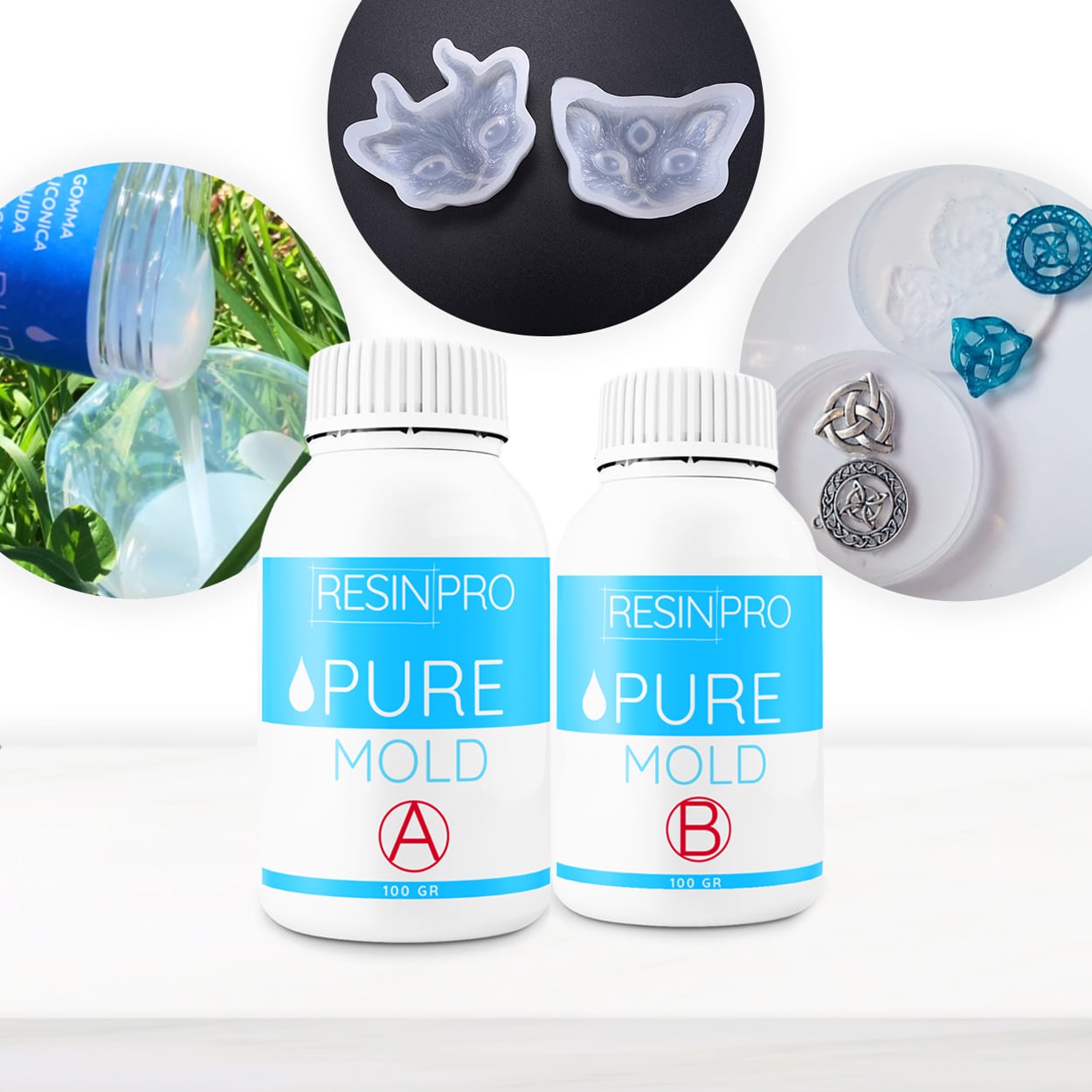
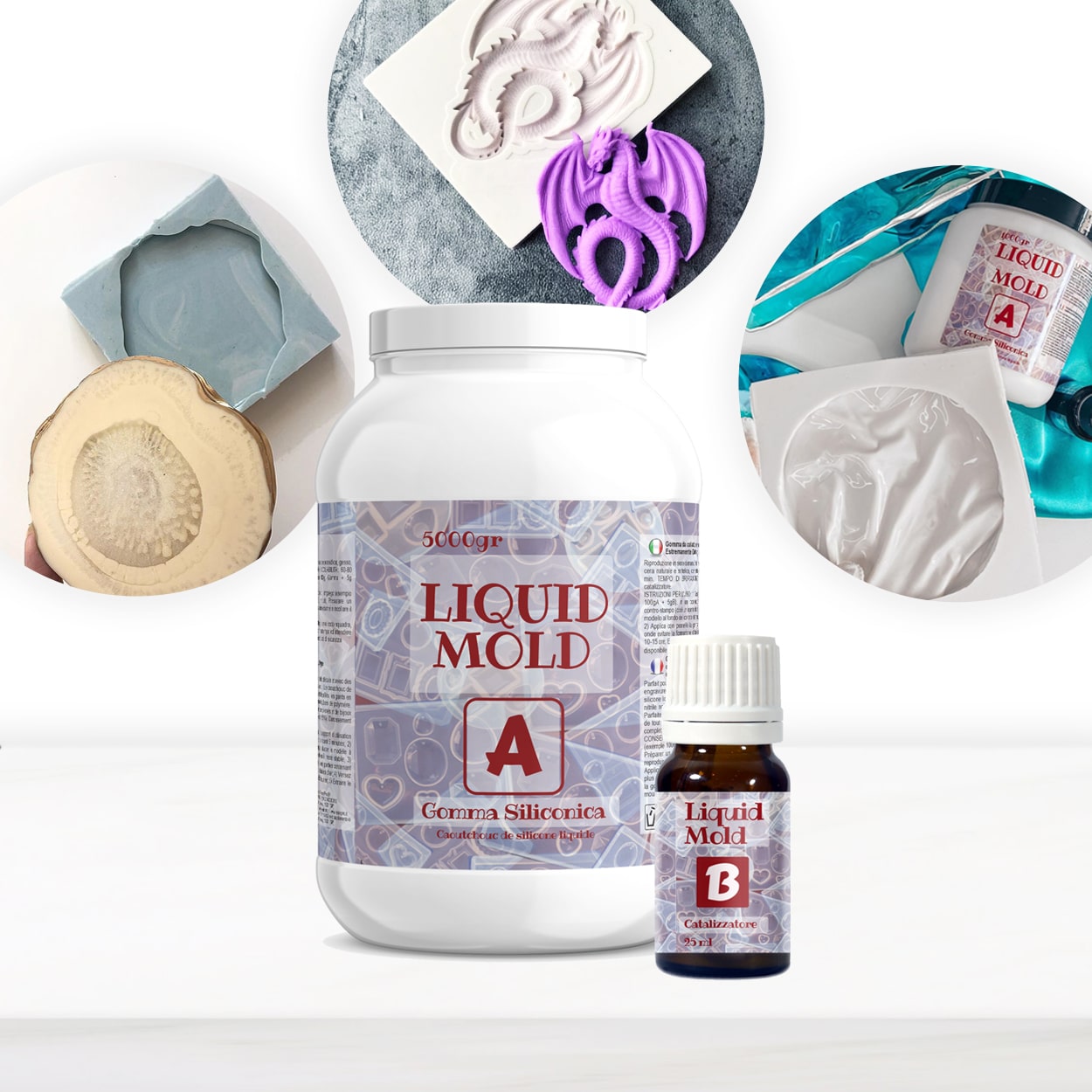
If you need to replicate objects with fine, intricate details or deep undercuts, choosing the right silicone rubber for mould making is essential. Some silicones are much better suited for complex forms than others.
Choosing the Right Silicone for Intricate Moulds
For capturing intricate details, a silicone rubber with low viscosity ensures the material flows easily into every crevice and around undercuts. Both Liquid Mould and Pure Mould silicone rubbers are designed for highly detailed applications, but they offer some distinct advantages for challenging projects.
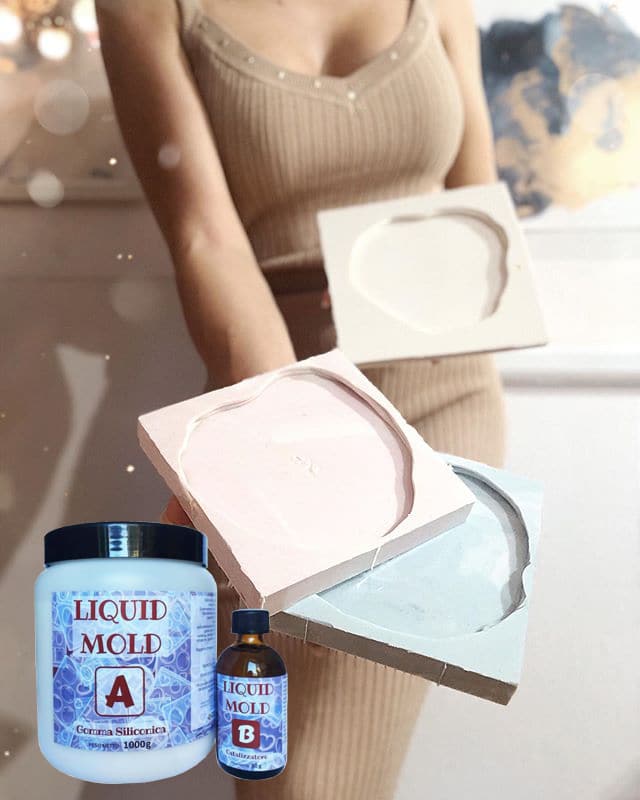

Advantages of Translucent Silicone
Translucent options like Pure Mould silicone rubber provide a practical benefit when working with complicated shapes. The see-through nature allows you to monitor for trapped air bubbles or confirm that all details have filled during casting, which is especially useful when accuracy matters.
Practical Buying and Usage Tips
- Opt for a bi-component (A+B) silicone that you must mix before pouring—these generally offer better detail reproduction and ease of use.
- If you plan to reproduce resin, soap, or wax items, make sure your chosen product is compatible with your casting materials.
- Always mix the components thoroughly and pour slowly to minimise the risk of air bubbles which could affect your final result.
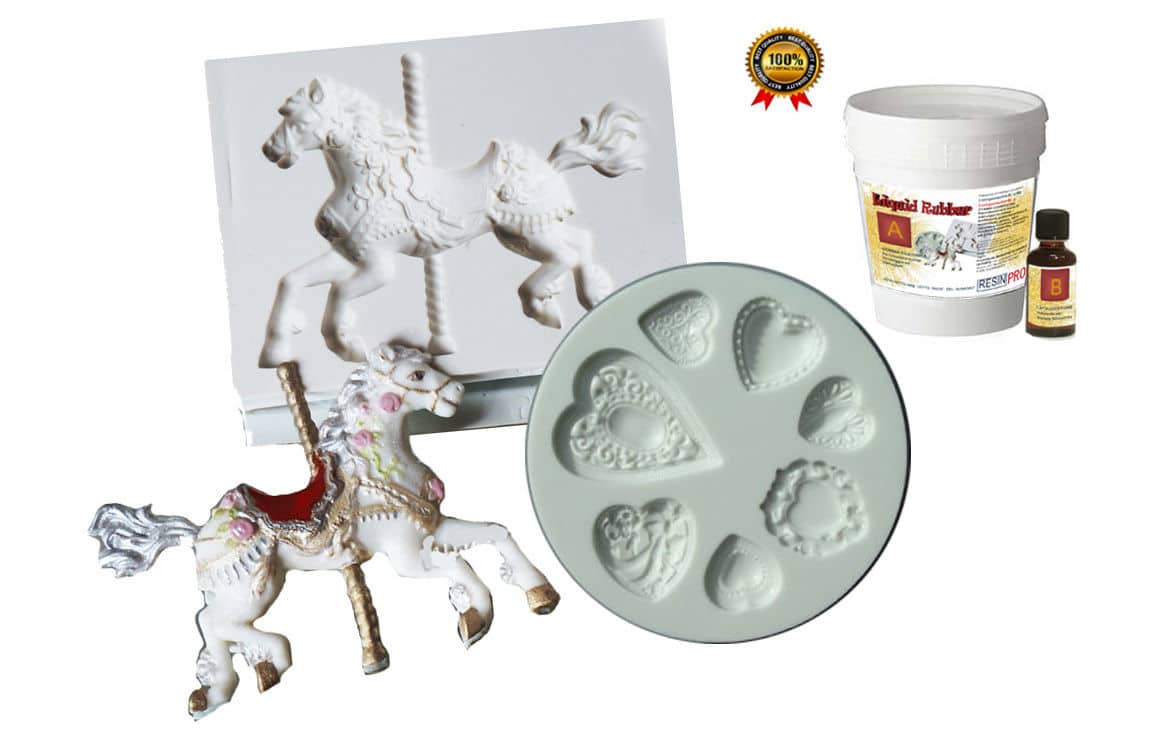
When This Matters
Selecting the best silicone rubber is crucial for artists, model makers, and jewellers who need precise replication. This choice directly impacts the level of detail captured in your casting and the ease of finishing work.
Related products
Related guides
Whether you’re crafting ornate jewellery, detailed figurines, or decorative models, the right silicone rubber can make all the difference. Explore further to discover how choosing the correct quantity goes hand-in-hand with selecting the best product for complex moulds in our main silicone quantity FAQ.