 Free shipping on orders over £29,85
  Shipping Tracking!


 Google
 Facebook
← Back to Is there a difference between resin and enamel for covering tiles?


If you’re planning to apply an epoxy resin coating over glazed, non-porous ceramic tiles, selecting the right primer is essential for strong and long-lasting results. Using a purpose-made resin primer can significantly improve adhesion and durability.
Why Apply a Primer to Ceramic Tiles?
Ceramic tiles are often smooth and non-absorbent, making it difficult for coatings like resin to properly bond on their own. A suitable water-based epoxy primer is formulated to chemically anchor to the glazed tile surface, providing the essential base for resin application. This ensures that your resin coating won’t peel or delaminate over time.
Choosing and Using the Right Primer
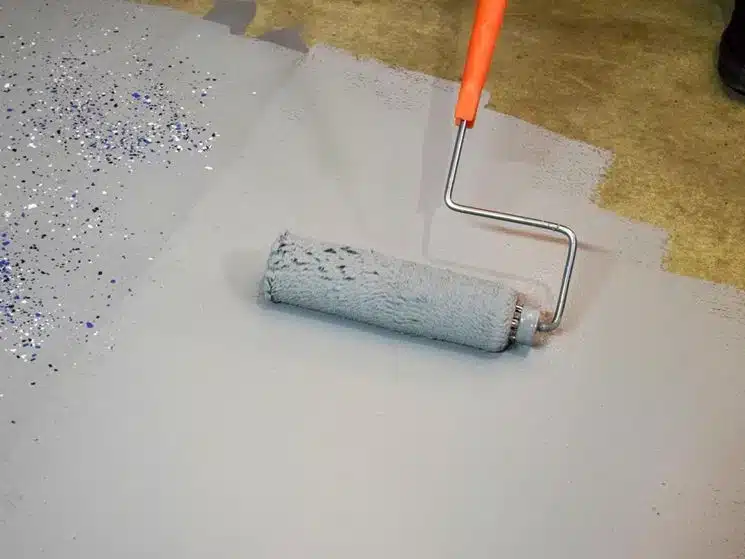
When working with ceramic tiles, a water-based epoxy primer such as Epoxyprimer – Universal Water-Based Two-Component Epoxy Floor Primer is recommended. This type of primer is odourless and suitable for indoor use. Application is straightforward: clean the tiles thoroughly to remove dust, grease, or residues, and then apply the primer evenly with a roller, brush, or spatula. Allow it to cure fully before proceeding with your chosen resin layer.
When This Matters Most
- You are covering bathroom walls, kitchen splashbacks, or tiled floors with resin for a fresh, modern finish.
- Your project demands a lasting, professional-quality result rather than a temporary fix.
- The tiled substrate is non-absorbent or subject to moisture, so reliable adhesion is crucial.
Related products
Related guides
Using a dedicated resin primer on ceramic tiles not only prepares your surface for optimal bonding but also lays the foundation for a resilient and attractive epoxy finish. For more advice about the differences between resin and enamel when covering tiles, return to our main guide.