 Free shipping on orders over £29,85
  Shipping Tracking!


 Google
 Facebook
For tiles, is resin-based or water-based better?
A practical comparison of coating types and their tile applications.
Whether you are renovating a bathroom, upgrading kitchen splashbacks, revitalising wall surfaces, or considering a durable floor finish, understanding the difference between resin-based and water-based products is crucial for achieving the desired look and lasting performance on tiles. This guide is designed for homeowners, professional installers, and DIY enthusiasts seeking clarity on which type of system best suits tile surfaces for both decorative and practical projects.
Comparing Resin-Based and Water-Based Coatings for Tiles
Resin-based solutions, such as epoxy and polyurethane coatings, stand out for their exceptional durability, hardness, and resistance to water and chemicals. They are preferred for high-traffic, wet, or high-moisture areas due to their tough finish and wide application versatility—spanning floors, walls, and even driveable surfaces. On the other hand, water-based systems are valued for their low odour, eco-friendly composition, and ease of use, making them ideal for interior projects and decorative crafts. The best choice often depends on the intended location, desired finish, and your experience with different coating systems.

Visual Differences: Resin-Based vs Water-Based Tile Coatings
Resin-based coatings generally offer a glassy, seamless finish that enhances the aesthetic appeal and increases resistance to moisture, making them ideal for bathrooms or kitchens. In contrast, water-based coatings often provide a more subtle sheen and are best for quick-drying, odour-free projects where safety and environmental factors are critical. Reviewing real-world applications helps highlight how each system enhances tiled surfaces.
“Epoxyprimer” – Universal Water-Based Two-Component Epoxy Floor Primer
Epoxyprimer – Universal Water-Based Two-Component Epoxy Floor Primer bridges both worlds by offering a water-based formulation with the strength of an epoxy. This primer maximises adhesion between tile surfaces and subsequent epoxy or resin coatings, resulting in a stable, durable finish. Its odourless, eco-friendly formula ensures safe application indoors, whether on tiles, concrete, timber, or screeded floors. Roller, brush, or spatula application delivers consistent coverage, and it requires 24–48 hours to fully cure. This is ideal when you want robust performance with reduced environmental impact or indoor air concerns.
- Superior adhesion: Maximises bonding between substrates and epoxy resin coatings
- Eco-friendly & odourless: Safe for indoor use, free from harmful fumes
- Versatile compatibility: Suitable for concrete, wood, tiles, and screeds
- Simple application: Roller, brush, or spatula for smooth, consistent results
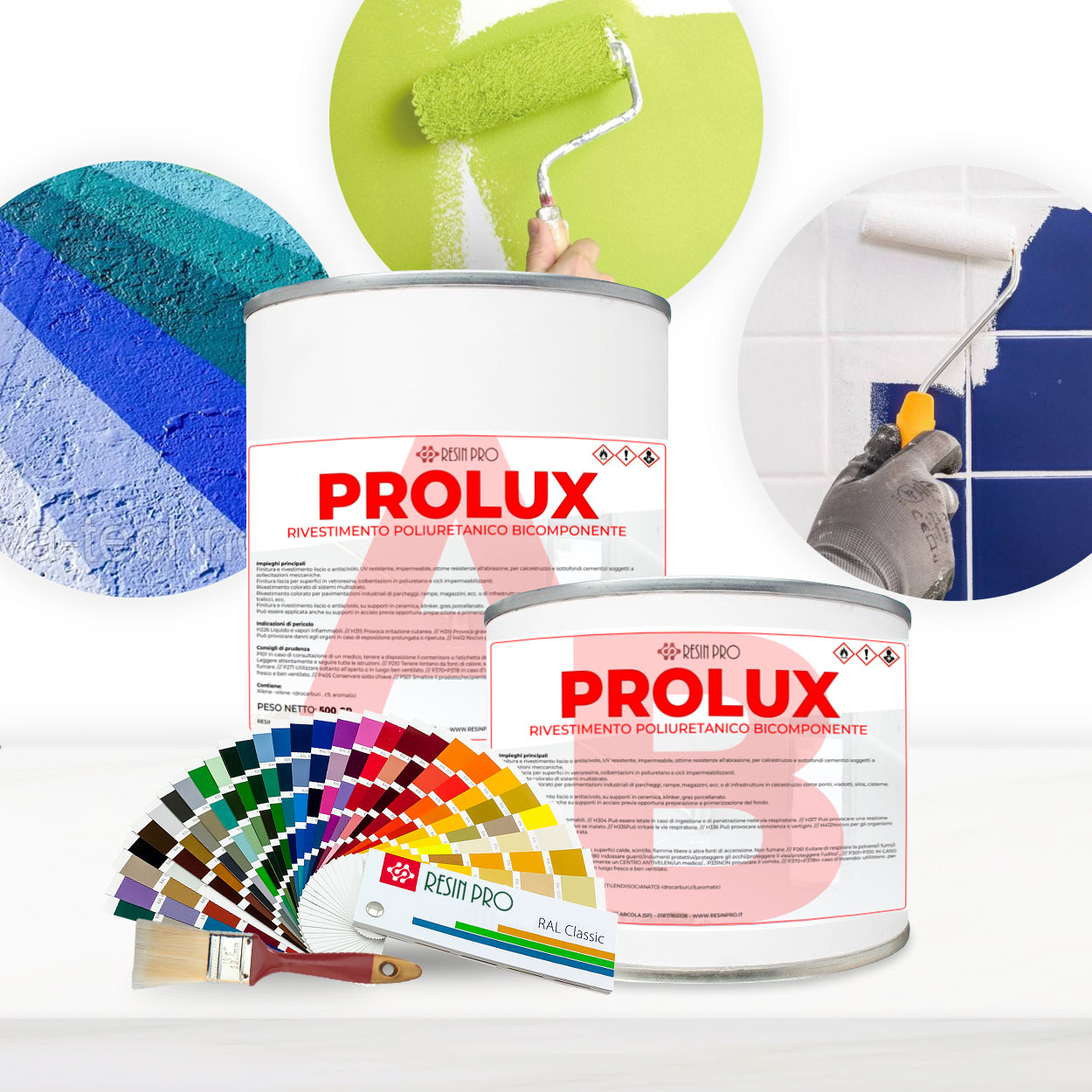
“Prolux” – PU Coating for Tiles, Concrete, Plastic and Metal
Prolux – PU coating for tiles, concrete, plastic and metal – suitable for driveable surfaces represents a professional resin-based solution based on polyurethane. Especially designed for driveable surfaces and high-traffic zones, Prolux provides UV resistance, protection from yellowing and abrasion, and long-lasting waterproof performance. Its two-component system offers a smooth finish in a wide range of colours and finishes, ideal for workshops, warehouses, bathrooms, wet rooms, and external parking areas. Prolux is best if your tiled area demands outstanding toughness and environmental resistance not always achievable with water-based alternatives.
- Advanced protection: Resistant to UV, yellowing, abrasion and weathering.
- Ideal for damp and high-traffic areas: Tough polyurethane formula for maximum durability.
- Versatile finish: Available in any colour, in gloss or satin. High coverage in one coat.
- CE marked and easy to mix (2:1 ratio for two components)
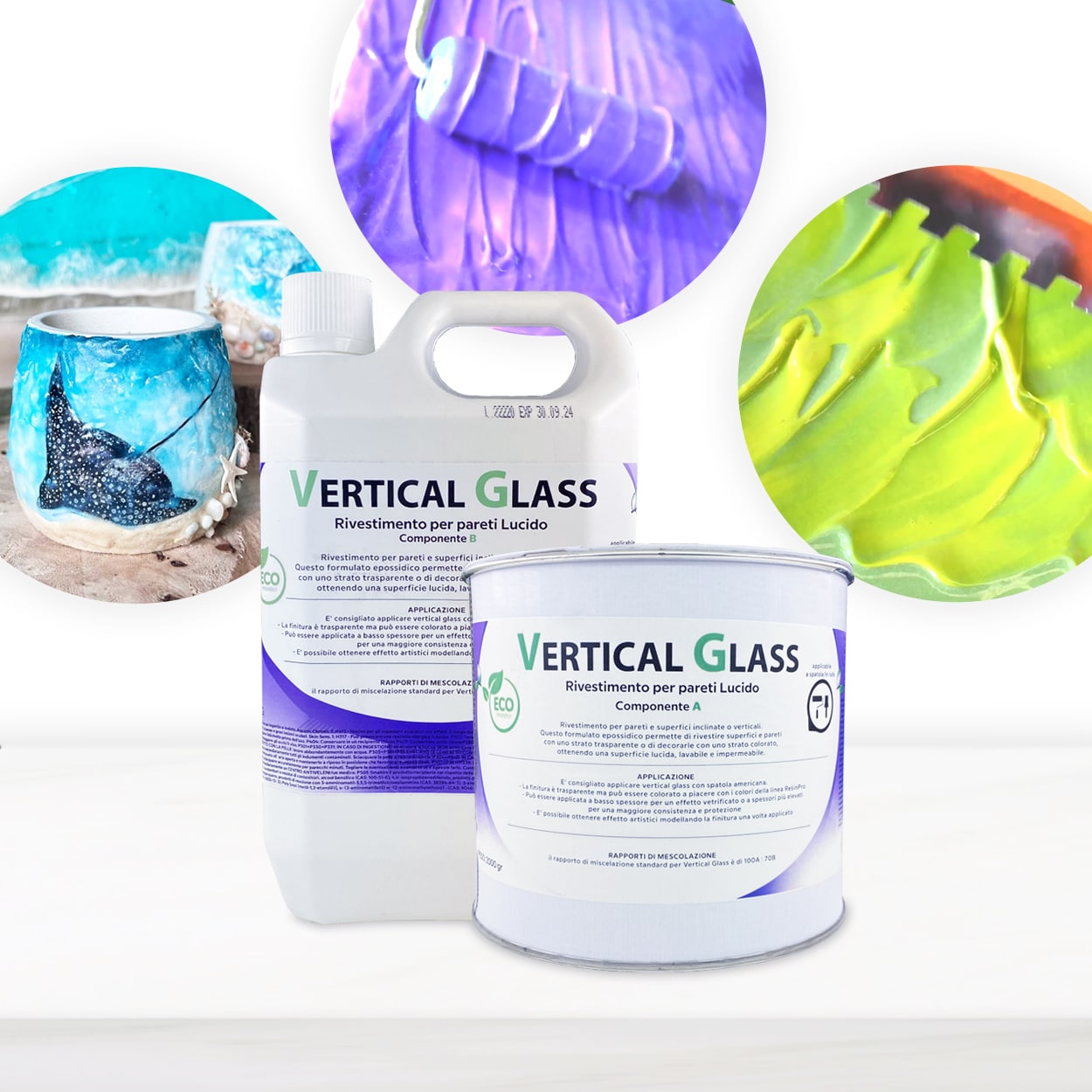
“Vertical Glass” – Thick Resin Decorative Wall Coating
The Vertical Glass – Thick Resin Decorative Wall Coating offers a specialist epoxy resin solution for vertical and sloping tile surfaces. It delivers a glossy, highly customisable finish, easily tinted with pigments (including metallics) and applied with a spatula. The coating is ideal for waterproofing and protecting surfaces in kitchens, bathrooms, or any area that needs frequent cleaning and decorative enhancement. It does not self-level, preserving detailed design work, and is suitable for tiles, cement, brick, or wood.
- Customisable finish: Tint with any pigments, including metallics, for unique, eye-catching effects.
- Glossy and washable: Durable, easy-to-clean coating perfect for high-moisture areas.
- Easy application: Simply apply with a spatula to tiles, cement, wood, bricks, or sloping surfaces.
- Repairs and seals: Single application effectively protects and restores surfaces.
- Finish control: Apply thinly for a vitrified effect or thicker for added protection; sandable after 48 hours for a satin finish.
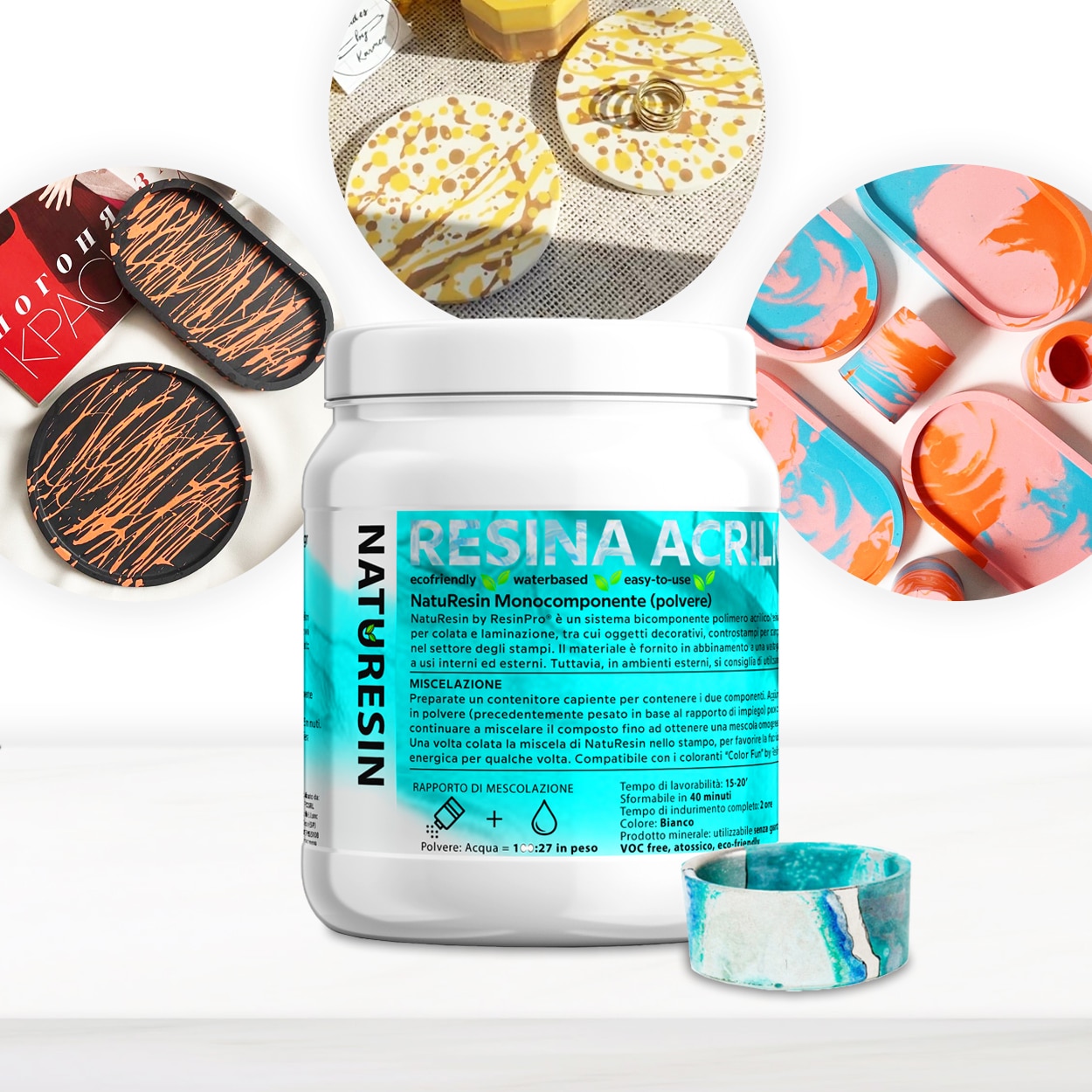
“NatuResin” – Mineral Resin & Water System for Creative Casting and Crafts
NatuResin – Mineral Resin & Water System for Creative Casting and Crafts provides an eco-friendly, water-activated alternative tailored for artists and craftspeople. This VOC-free mineral resin is simply mixed with tap water and offers a ceramic-like hardness, making it perfect for decorative trays, coasters, or pots rather than large tile installations. If non-toxicity and creative versatility are priorities, and structural or industrial use is not required, NatuResin is the ideal water-based solution for tile-adjacent crafts.
- Eco-friendly & VOC-free mineral resin formula
- Solvent-free and safe – no gloves required
- Ceramic-like hardness for indoor & outdoor use
- Customisable with pigments & paints after curing
Tips for Choosing the Right Coating for Tiles
When deciding between resin-based and water-based systems, consider the intended use of the tiled space. For high-traffic, wet, or outdoor areas, resin-based (epoxy or polyurethane) coatings typically ensure the greatest longevity and resilience. For indoor environments prioritising low-odour and safety, opt for water-based systems or hybrid products. Surface preparation is key; always clean and prime tiles (such as with Epoxyprimer) before applying resin or polyurethane finishes to achieve strong adhesion. Decorative applications, prioritising non-toxicity and easy creativity, may benefit from water-activated mineral resins like NatuResin. Ultimately, the choice hinges on your project’s demands for resistance, appearance, and environmental impact.
Expert Insights: Matching Systems to Tile Surfaces
Always check your tile type and location before choosing a product. Epoxy and polyurethane coatings excel in demanding spaces, while water-based and mineral systems are suitable for less trafficked, decorative areas. If uncertain, start with a small test patch or seek professional guidance to ensure compatibility and achieve the finish you desire.

- "Epoxyprimer" – Universal Water-Based Two-Component Epoxy Floor PrimerPrice range: £156.45 through £286.45Epoxyprimer is a water-based epoxy floor primer designed for reliable adhesion on tiles and other surfaces.
- "Prolux" – PU coating for tiles, concrete, plastic and metal – suitable for driveable surfacesPrice range: £44.85 through £494.85"Prolux" is a polyurethane coating designed for durable finishes on tiles and various surfaces, suitable for use where lasting protection is required.
- "Vertical Glass" – Thick Resin Decorative Wall CoatingPrice range: £78.95 through £188.95Vertical Glass is an epoxy resin coating for walls that offers a customisable, waterproof finish suitable for tiles and sloping surfaces.
 “NatuResin” – Mineral Resin & Water System for Creative Casting and CraftsPrice range: £18.95 through £104.95NatuResin is a water-activated mineral resin suitable for creative casting and crafts with a ceramic-like finish, supporting the theme 'For tiles, is…
Frequently Asked Questions
Which primer is best for preparing tiles before epoxy resin coatings?
A water-based epoxy primer like Epoxyprimer is ideal for maximising adhesion and creating a stable base on tile surfaces.
Can polyurethane coatings be used in wet or damp bathroom areas?
Yes, polyurethane coatings create waterproof, durable finishes suitable for bathrooms, wet rooms, and kitchens.
Are there water-based options for decorative tile crafts?
NatuResin mineral resin is a non-toxic, water-activated option suitable for artistic tile-related crafts and indoor decorations.
What’s the best resin system for vertical or sloping tiled surfaces?
Epoxy-based coatings like Vertical Glass are designed for vertical and sloped surfaces, delivering a customisable, waterproof finish.
Which coatings for tiles are most eco-friendly and low odour?
Water-based solutions such as Epoxyprimer and NatuResin are low in odour and feature environmentally conscious formulations.
How should tile surfaces be prepared before applying resin or PU coatings?
Thoroughly clean, degrease, and dry the tile surface. Apply a suitable primer to ensure maximum adhesion before resin or PU application.
Can the same epoxy resin be used on both floor and wall tiles?
Not always. Vertical Glass is specially formulated for walls and slopes, while flooring resins are for horizontal use.
Which is more durable: resin-based or water-based coatings for tiles?
Resin-based coatings like epoxy and polyurethane are generally more durable and suited to high-traffic or wet areas than most water-based systems.