 Free shipping on orders over £29,85
  Shipping Tracking!


 Google
 Facebook
Does a resin floor require a screed?
Explore resin flooring requirements and ideal substrate solutions
When considering a resin floor for your home or commercial project, one of the most common questions is whether a screed layer is necessary. This guide explores when a screed may or may not be required, how resin systems interact with different substrates, and which ResinPro products are best suited to various scenarios, ensuring lasting, durable results whether you are renovating, building new, or upgrading outdoor spaces.
Resin Flooring and Substrate Choices: Is Screed Essential?
The necessity of a screed for resin flooring depends on several factors – including your chosen resin system, the base surface, expected load, and whether permeability is required. While some resin floors are designed to be installed directly onto concrete or even compacted soil for light-duty use, others benefit from a well-prepared screed to create a flat, absorbent, and stable base. For permeable surfaces like resin-bound driveways, direct application onto various substrates with or without a screed is an option, especially when the right binders or kits are used. Understanding each product’s role allows you to make an informed decision for your project needs.

Visual Guide: Resin Floors Over Screed and Other Bases
See examples of resin floors installed on different substrates, from screed to concrete and compacted soil. Learn how Epoxyprimer, Resinstone, and complete kits like Flowstone create stable, attractive results with or without screed.
“Epoxyprimer” – Universal Water-Based Two-Component Epoxy Floor Primer
Epoxyprimer – Universal Water-Based Two-Component Epoxy Floor Primer is designed to maximise bonding between various substrates—concrete, screed, tiled floors, and wood—and the chosen epoxy resin finish. If your subfloor is a screed or even an absorbent concrete base, applying a dedicated primer like this ensures superior adhesion and minimises the risk of debonding. Superior adhesion and eco-friendly & odourless features make this essential for both professionals and DIYers seeking a stable, long-lasting floor. This product’s versatile compatibility means it supports projects with or without a traditional screed layer, as long as the base is stable.
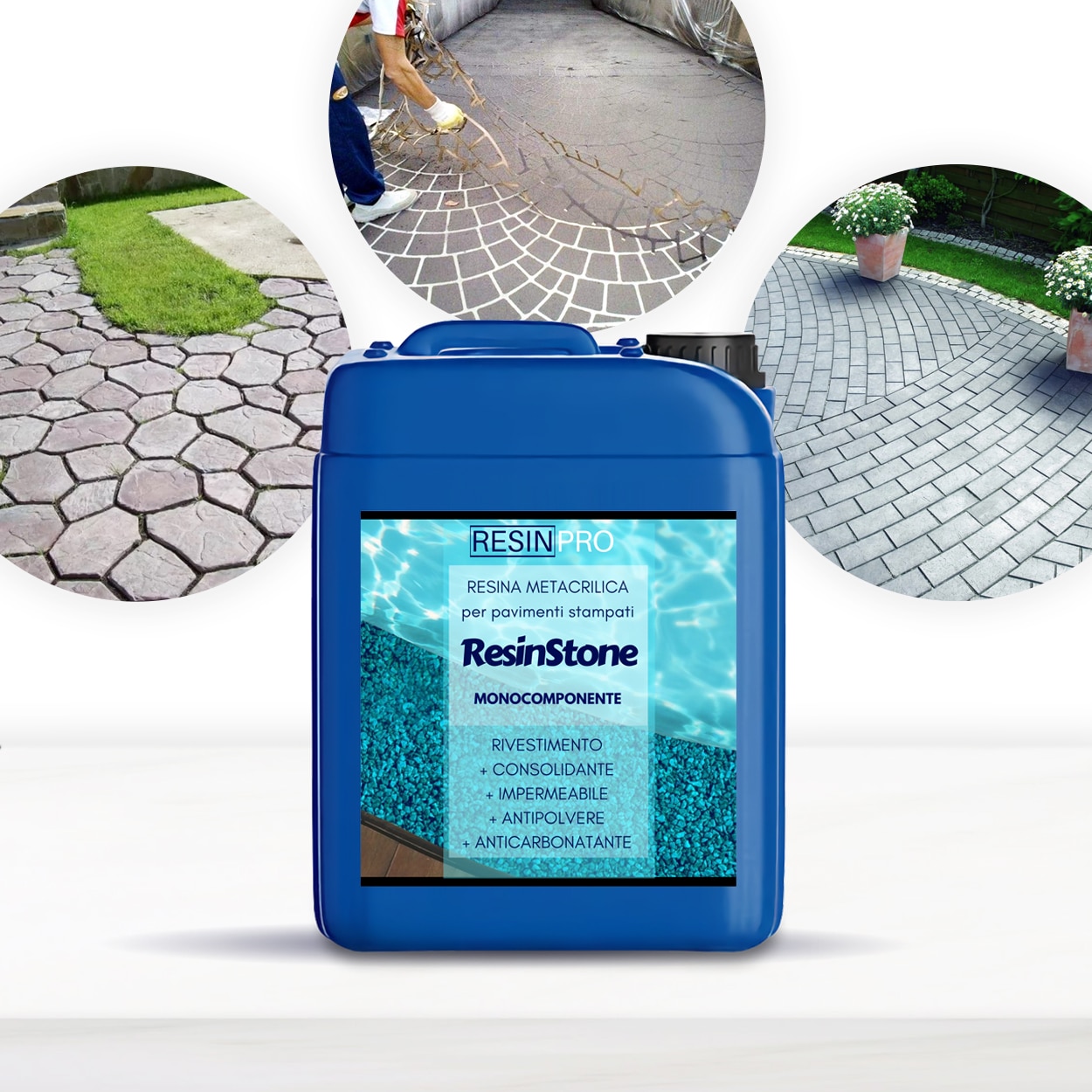
“Resinstone” – One-Component Methacrylic Resin for Concrete Floors and Driveways
Resinstone – One-Component Methacrylic Resin for Concrete Floors and Driveways is a robust solution for sealing and protecting absorbent concrete surfaces, such as newly-poured concrete floors, garages, patios, and driveways. A screed is not always necessary for these applications—waterproof and durable protection mean you can apply the resin a few hours after concrete pouring, creating a resilient, breathable finish even in demanding outdoor spaces. However, the surface must be stable and free from loose materials for successful results.
“Flowstone” – Complete Permeable Floor Kit with Pebbles and Resin
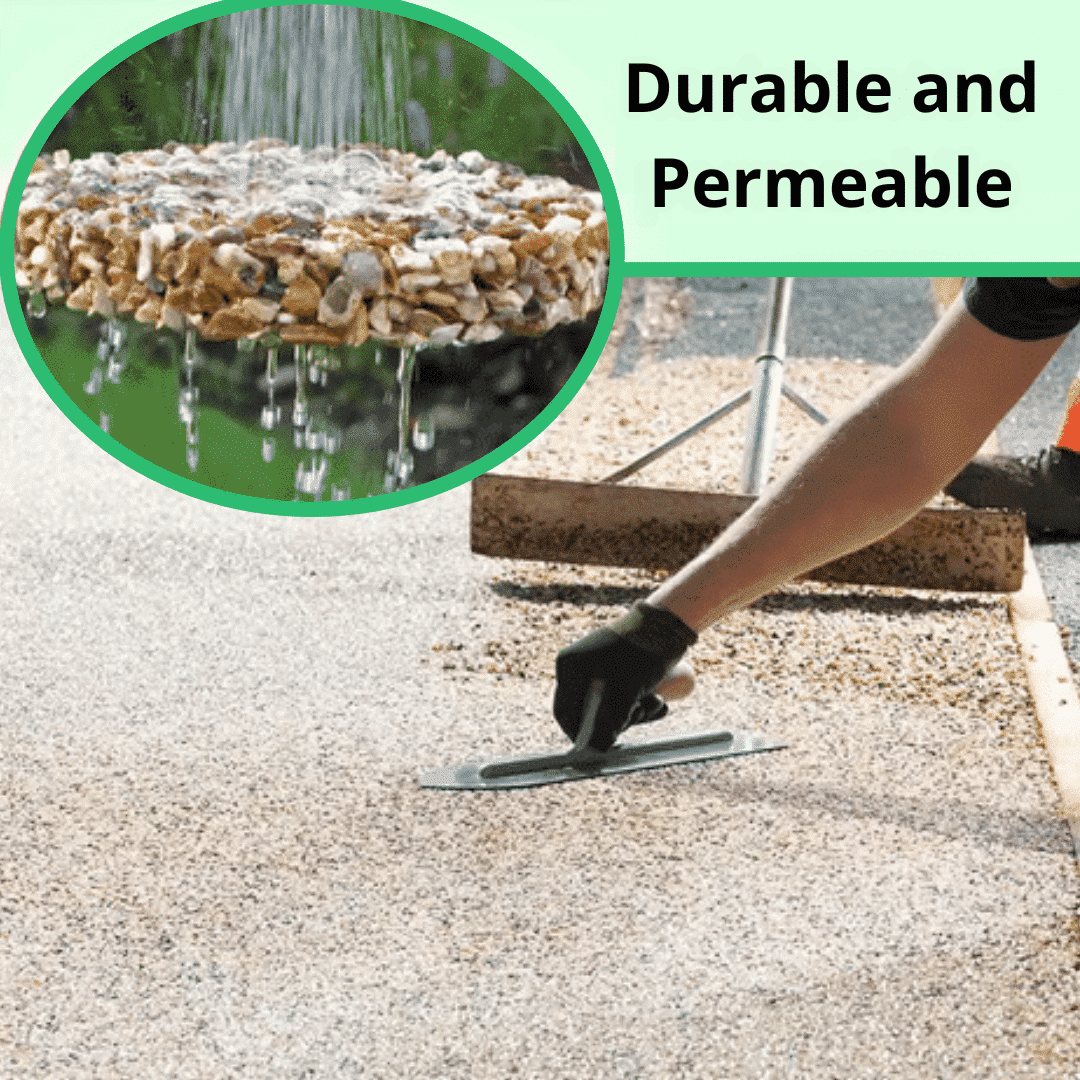
For those looking for a permeable resin-bound surface, Flowstone – Complete Permeable Floor Kit with Pebbles and Resin is an all-in-one kit tailored for UK outdoor environments like driveways and footpaths. The key benefit is flexibility: the system can be installed over compacted soil, an existing concrete base, or a new screed, depending on the surface’s load requirements. Light-traffic areas may not need a screed at all, while high-traffic or vehicular zones benefit from a stable screed or concrete substrate. Permeable solution and cost-effective renewal are standout points.
“Trasparente” – Epoxy Binder for Coloured Pebbles and Grits
If you want to create decorative pebble or permeable resin floors, Trasparente – Epoxy Binder for Coloured Pebbles and Grits delivers a crystal-clear epoxy resin finish. This product is highly adaptable: use it with a screed or over other stable substrates, binding pebbles or coloured aggregates into a durable, attractive surface. It’s ideal for custom installations, walkways, and driveways where specific aesthetic effects are desired, and is suitable both for screed-backed or direct-to-stable-base applications.
Choosing the Right Support for Resin Floors
The optimal substrate for resin flooring varies with project scope and load requirements. For heavy-duty or high-traffic areas, a screed or concrete base often ensures maximum stability and lifespan, particularly when overlaid with a compatible resin or aggregate system. For permeable outdoor projects, consider whether compaction, stabilisation grids, or a traditional screed best support your design—direct placement is possible for some light-duty paths and patios. Application conditions (such as dryness and climate), substrate stability, and primer use all affect long-term performance and should inform your product choice.
Success Stories: Choosing the Ideal Substrate
Versatile installation is possible using the right resin for your specific base. Read case studies where contractors used Trasparente or Epoxyprimer over screed, concrete, or even stabilised earth to achieve robust surfaces—no matter your starting point.

- "Epoxyprimer" – Universal Water-Based Two-Component Epoxy Floor PrimerPrice range: £156.45 through £286.45"Epoxyprimer" is a water-based two-component epoxy floor primer designed for use on concrete, screed, tiles, and timber surfaces.
- "Resinstone" – One-Component Methacrylic Resin for Concrete Floors and DrivewaysPrice range: £36.71 through £336.48"Resinstone" is a one-component methacrylic resin designed for sealing concrete floors and driveways, offering durable and breathable protection.
- "Flowstone" – Complete Permeable Floor Kit with Pebbles and ResinPrice range: £49.95 through £3,915.45"Flowstone" is a durable kit for permeable pebble resin floors suited to outdoor driveways and patios, providing simple application and custom…
 "Trasparente" – Epoxy Binder for Coloured Pebbles and GritsPrice range: £33.45 through £397.95A transparent epoxy binder designed for coloured pebbles and grits, suitable for decorative and permeable flooring in line with resin floor screed…
Frequently Asked Questions
Does a resin floor always require a screed?
No, some resin floors can be installed directly on concrete or compacted soil, depending on the product and location.
What is the difference between a screed and a concrete base?
A screed is a thinner, smoother layer applied over a concrete slab to create an even surface, while a concrete base provides structural support.
Can resin-bound systems be applied without screed?
Yes, in light-traffic areas, resin-bound surfaces can often be installed on compacted earth or existing bases without screed.
Is a primer needed for resin floors?
Primers enhance adhesion between the substrate and resin layer, which is especially important for durability and longevity.
How should the base be prepared before resin flooring?
The substrate must be stable, clean, dry, and as level as possible to ensure proper bonding and a long-lasting finish.
Which products can be used without screed?
Resinstone and Flowstone kits are suitable for use over concrete or even compacted soil, depending on application and traffic.