 Free shipping on orders over £29,85
  Shipping Tracking!


 Google
 Facebook
← Back to For tiles, are resin-based or water-based enamels better?

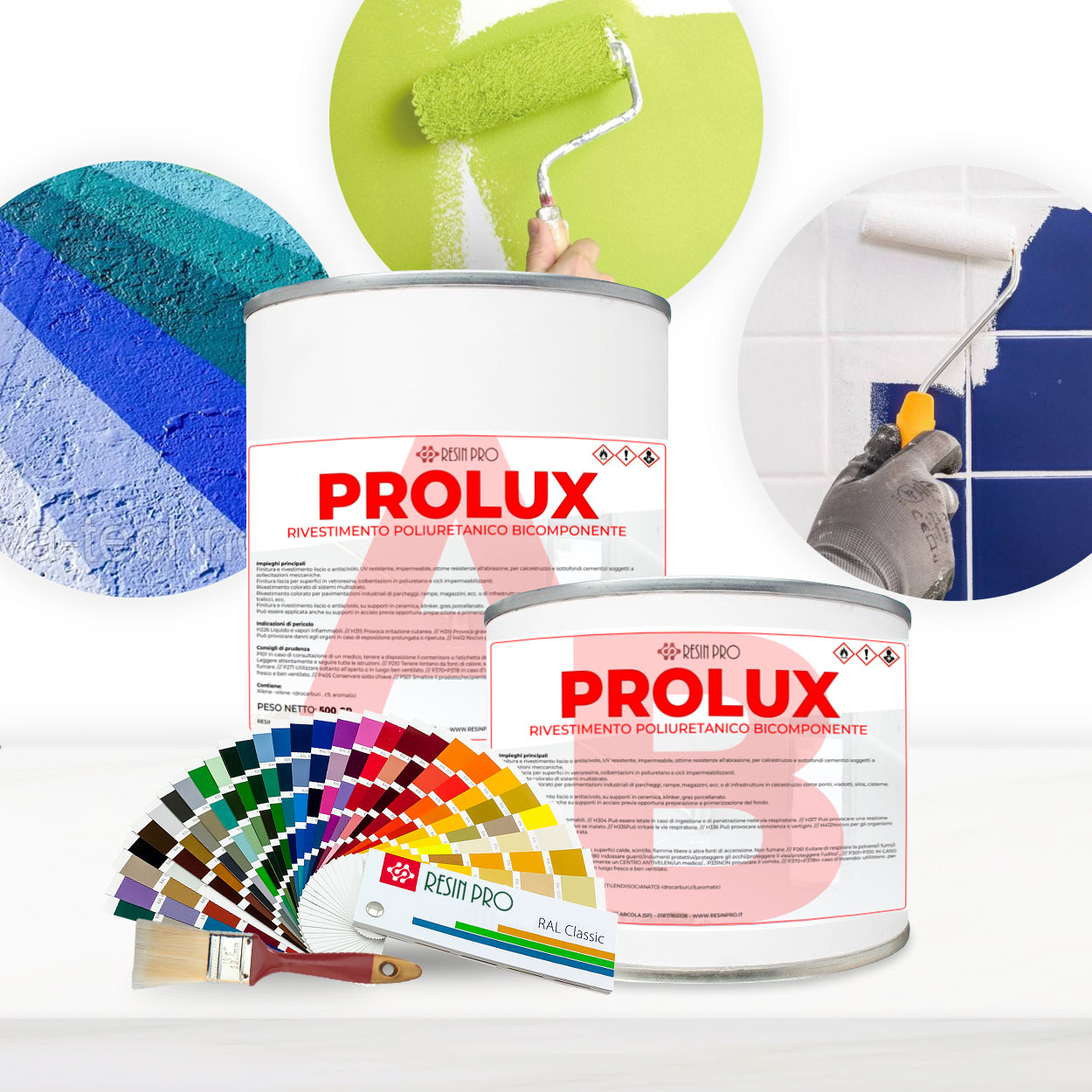
Choosing the right enamel for indoor tiles often means considering both environmental impact and indoor air quality. Water-based enamels are a leading choice for those prioritising these factors.
Eco-Friendly Qualities of Water-Based Enamels
Water-based enamels typically contain low levels of volatile organic compounds (VOCs), resulting in reduced emissions compared to many solvent-based alternatives. This leads to a safer application process with minimal odour and a lower impact on the environment during and after use.
- Reduces unwanted fumes and strong smells during application
- Less harmful to the environment, supporting greener building practices
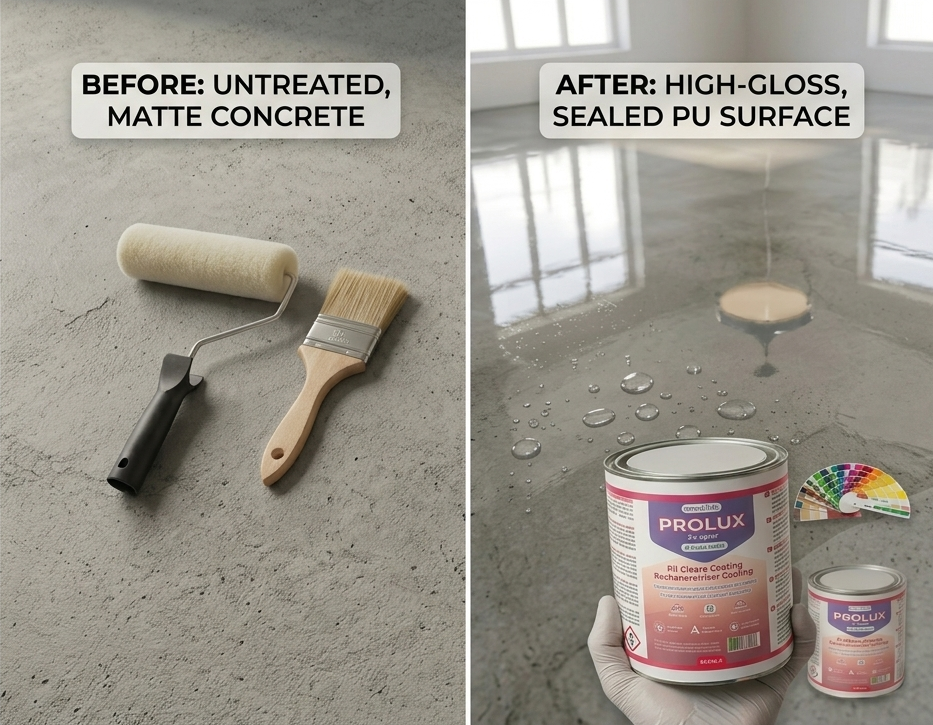
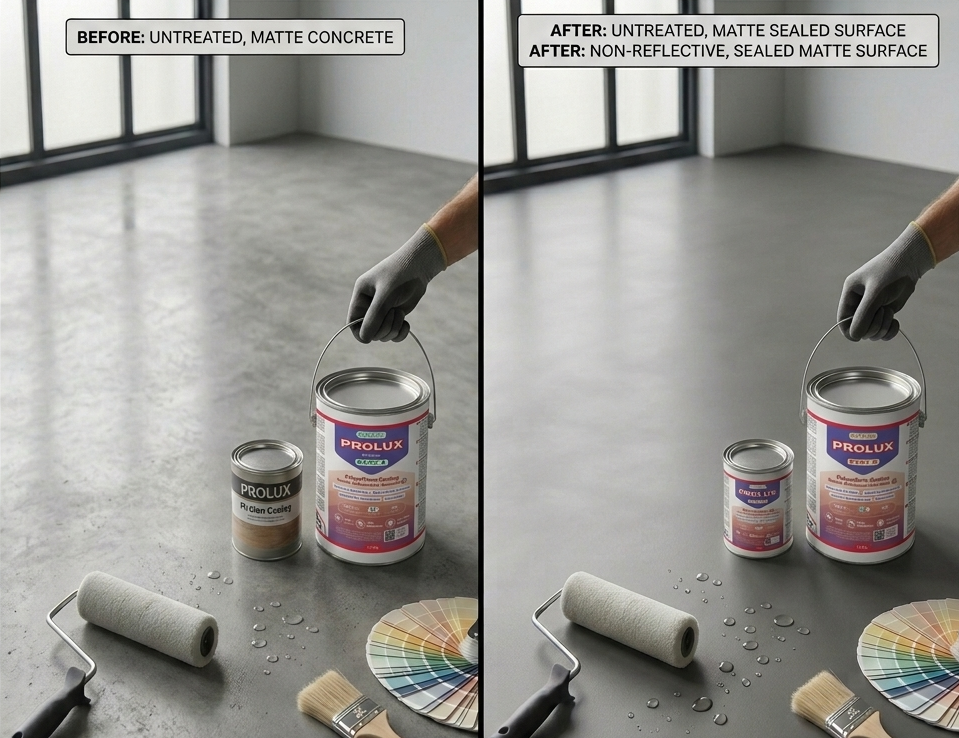
Why Water-Based Enamels Suit Indoor Projects
For indoor spaces, air quality and ease of application are crucial. Water-based products address these concerns by being largely odourless and quick-drying, which makes them appealing for homes, offices, and other enclosed environments. Their gentle formulation means you can often apply them without special ventilation, making them ideal for busy or lived-in areas.
When preparing tiled flooring, consider an option like the Epoxyprimer – a universal, water-based primer designed for concrete, tile, and timber surfaces that is both eco-friendly and safe for indoor use.
When This Matters Most
Opting for water-based enamels truly matters if anyone in the household is sensitive to strong smells or chemicals, or if you want an eco-friendlier approach for interior renovations. They’re especially suited for living spaces, bedrooms, kitchens, and bathrooms where air quality and comfort are a priority.

Related products
Related guides
Water-based enamels offer an environmentally considerate, user-friendly solution for indoor tile projects. For more guidance on selecting the right enamel for your tiles, see our full guide on resin-based versus water-based enamels.