 Free shipping on orders over £29,85
  Shipping Tracking!


 Google
 Facebook
← Back to For tiles, is resin-based or water-based better?
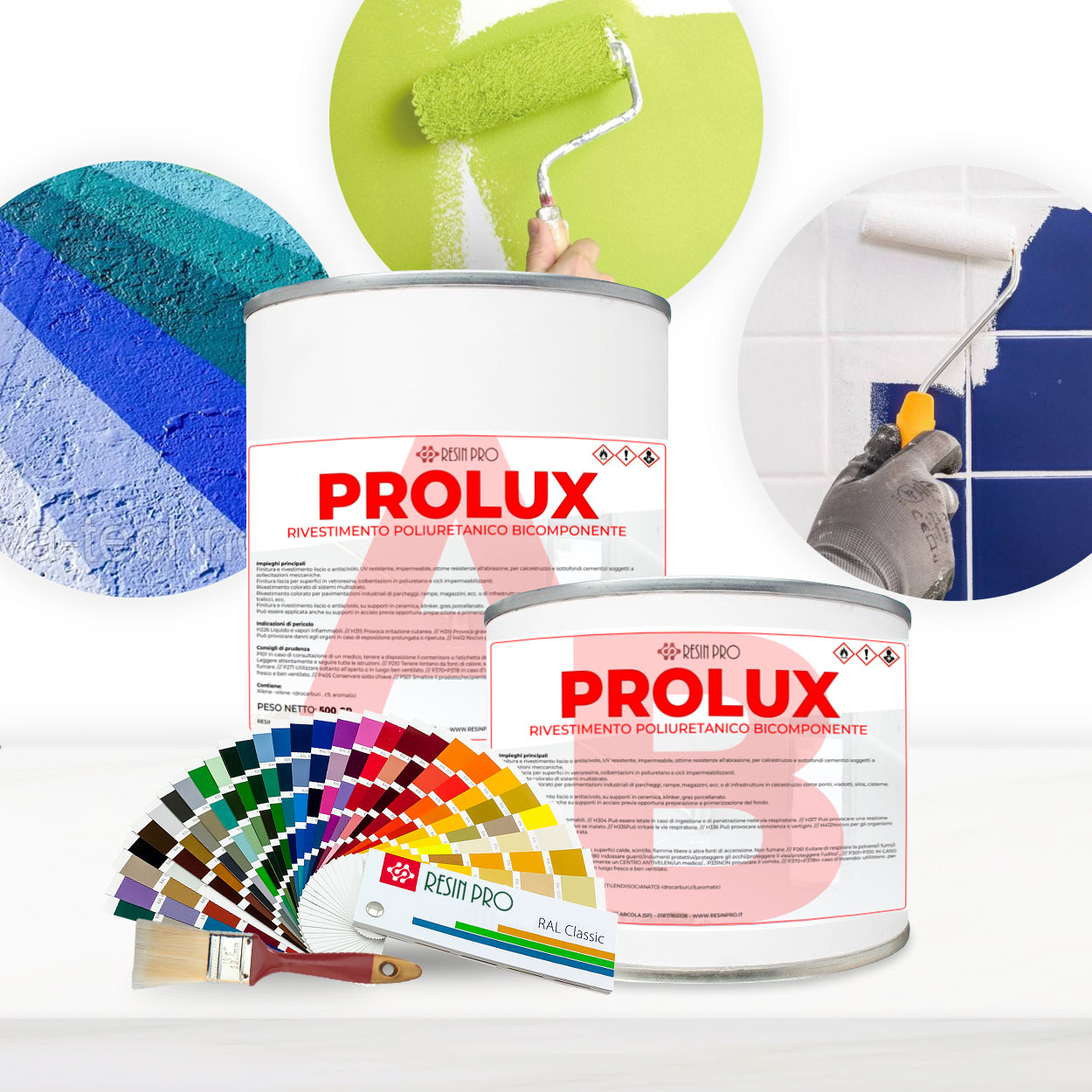

Polyurethane (PU) coatings are a practical choice for bathrooms, as they create a waterproof and long-lasting surface on tiles and other substrates. Let’s explore how PU coatings perform in wet environments and what you should know before choosing this solution for your project.
Why Polyurethane Is Suitable for Bathrooms
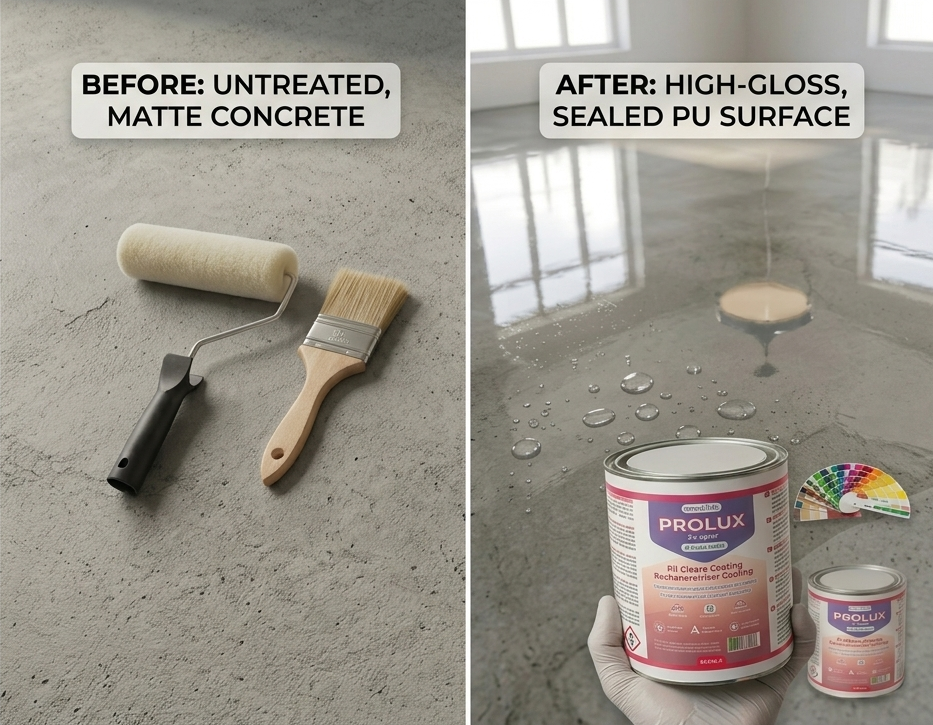
Polyurethane coatings form a robust, water-resistant layer on tiled surfaces, making them ideal for damp areas such as bathrooms, wet rooms, and utility spaces. The material provides reliable resistance to moisture, abrasion, and even mild cleaning chemicals, ensuring that both walls and floors maintain their integrity and appearance over time. Whether your bathroom sees splash zones or regular humidity, a PU coating can help prolong the life of your tiling.

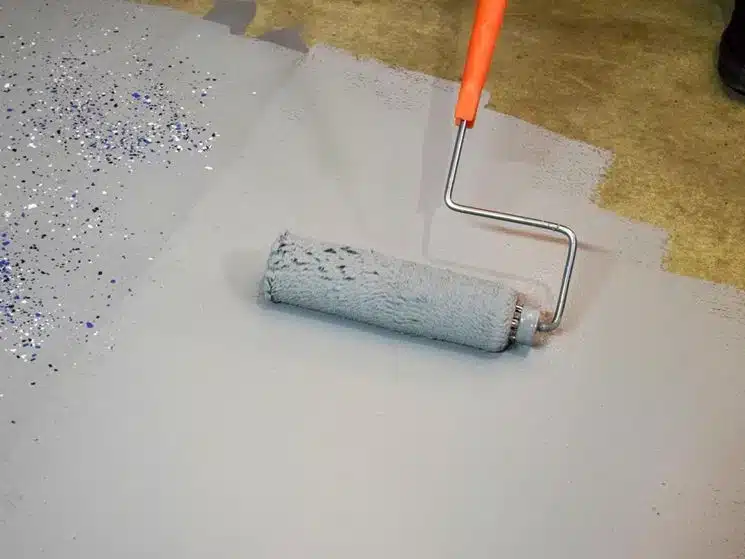
Application Tips for Bathroom Surfaces
Proper preparation is the key to maximising the benefits of a polyurethane coating. Ensure that tile surfaces are clean and dry before application. For optimal adhesion, consider using a compatible primer on difficult or glossy tiles. Apply the PU coating evenly, following the recommended ratio if your product is supplied in a two-component format such as Prolux. Allow sufficient curing time to achieve full waterproof performance before exposing the area to water or steam.
When This Matters Most
Choosing a polyurethane coating is particularly valuable in high-moisture areas where traditional paint or sealants may degrade quickly. If you’re renovating a busy family bathroom, finishing a steamy wet room, or updating a tiled shower enclosure, the extra durability and moisture resistance will help maintain a spotless, hardwearing finish. The versatility of PU systems also means you can find products suitable for floors, walls, and even tricky corners.
Related products
Related guides
In summary, polyurethane coatings provide strong waterproofing and durability for bathroom tiles and wet areas. For more advice on choosing between resin-based and water-based systems for tiles, return to the main guide on resin-based versus water-based coatings.